
Decide the format before you brief the formula. Is bar soap better than body wash? Neither wins everywhere, and the answer for your brand depends on your customer, your sales channel and your cost base.
Is Bar Soap Better Than Body Wash?
No single format is better. Bar soap suits brands that want simple formulas, compact shipping and low packaging waste. Body wash suits brands selling to shoppers who expect a pump bottle and a wide scent range. The verdict changes with channel, budget and customer habits.
Where bar soap wins
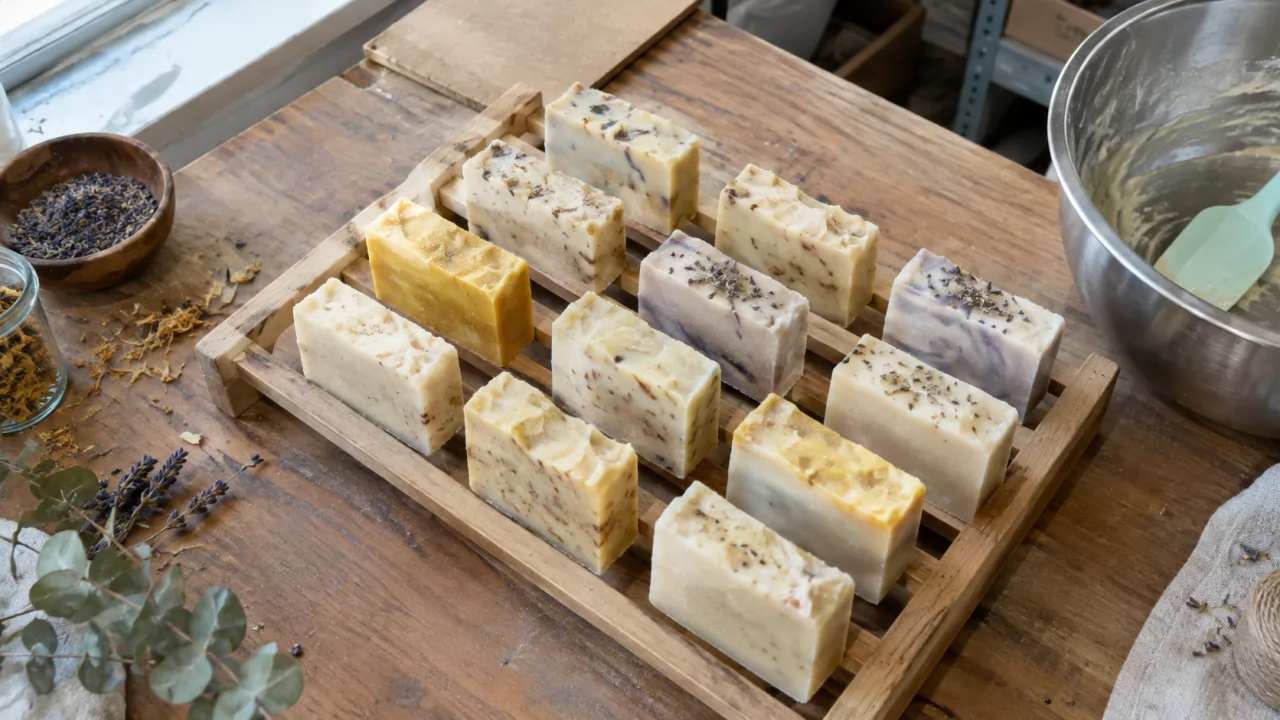
A bar has a short ingredient list. It needs little or no water-based preservation, because a solid, low-water product is a harder place for microbes to grow. It ships without leak risk, and it packs into cartons tightly. Packaging can be a paper wrap or a small box, which makes plastic-free positioning easier to support.
Where body wash wins
Body wash is easy to use in a shared shower, with no dish and no slippery bar. Texture and scent options are wider, from gels to creams. And it is the format many mass-market shoppers already know, so it needs less explaining on the shelf.
What Buyers Compare
Eight criteria matter in practice. Cleansing and skin feel come first, because they drive repeat purchase. Hygiene perception comes next, since it often decides the first sale more than any lab fact.
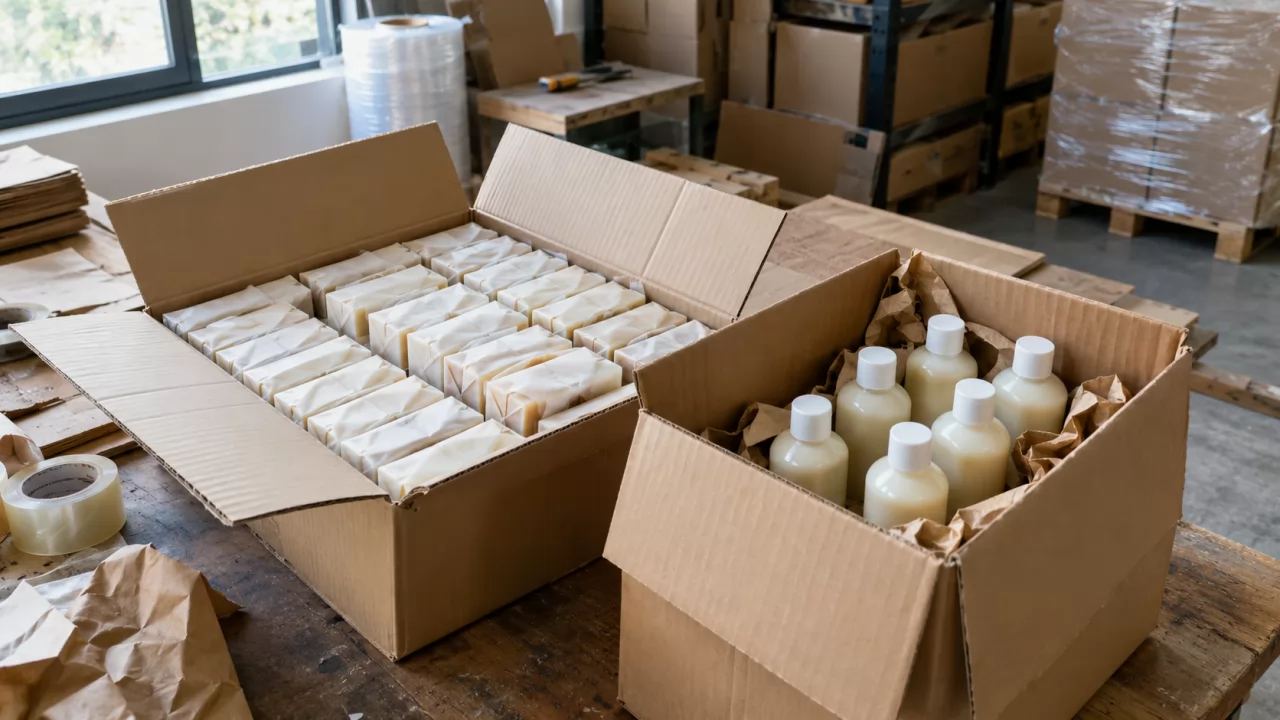
Then the commercial side. Packaging cost, shipping weight and breakage risk change your landed cost per unit. Shelf life affects how much stock you can hold. Margin drivers differ: a bar's cost sits mostly in oils, butters and moulds, while a wash's cost sits in the bottle, pump, cap and filling. Last is compliance: labelling, ingredient lists and safety documents for each market you sell into.
Bar Soap vs Body Wash
The table compares the two formats qualitatively. It uses no fixed figures, because weights, costs and shelf life vary by formula and pack.
| Criterion | Bar soap | Body wash |
|---|---|---|
| Formula and preservation | Fewer ingredients; low water content | Water-based; preservative system required |
| Packaging | Wrap, box or sleeve; low plastic | Bottle, pump or cap; more material |
| Shipping | Compact; no leakage | Heavier; leak and pump-lock checks needed |
| Breakage and damage | Chipping, cracking, humidity softening | Bottle splits, cap failure, freezing in transit |
| Hygiene perception | Shared-use concern; dish and drainage matter | Seen as cleaner; pump can still contaminate |
| Scent and texture range | Moderate; colour and shape add variety | Wide |
| Consumer familiarity | Strong with natural and gift buyers | Strong in mass retail |
For most brands, the row that decides is packaging and shipping, because it sets your landed cost and your return exposure.
Is Bar Soap More Hygienic Than Body Wash?
Not clearly. Bar soap is not shown to be less hygienic in normal household use, and body wash is not immune to contamination. Both formats can carry microbes on the surface; what you do with them matters more than the format.
A bar is cleansing as it lathers, and rinsing the bar before storing it is a common habit. Published reviews on shared bars have generally found bacteria can transfer to a bar, but there is little evidence this causes infection in healthy users. Treat that as general public knowledge, not a claim for your label.
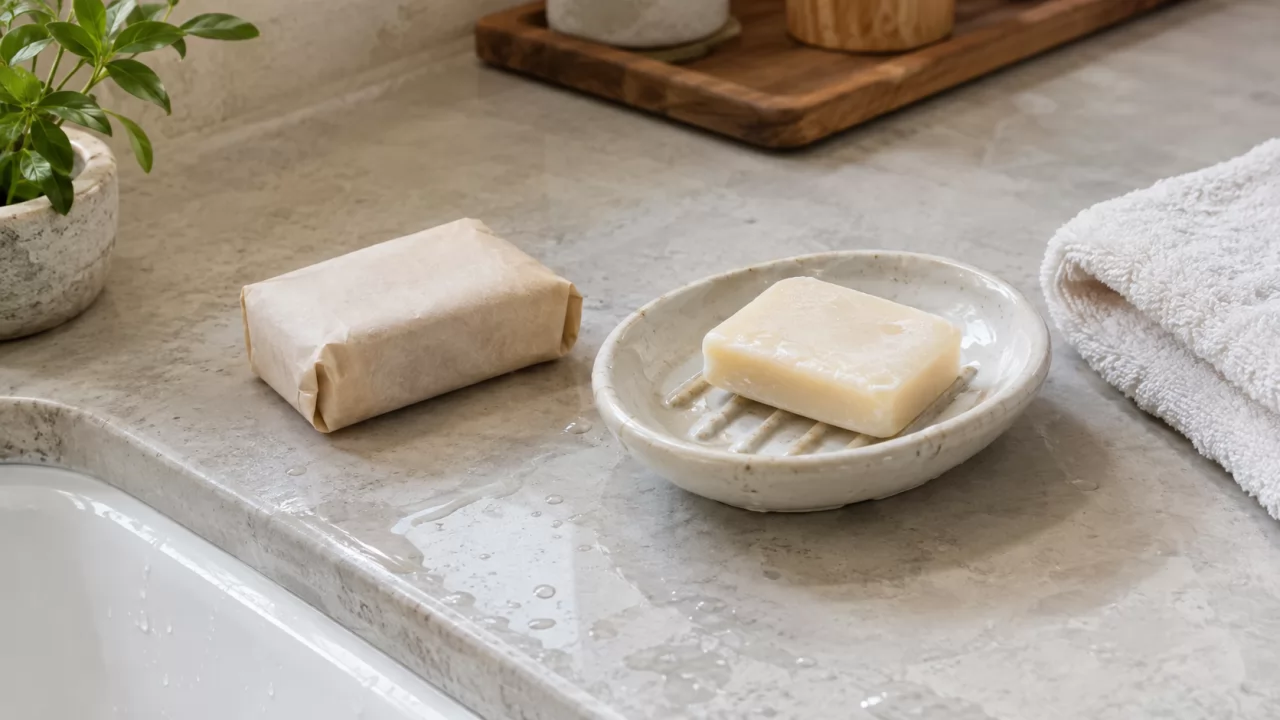
The practical points are physical. A bar sitting in water softens and wears fast, so a draining dish matters. A pump can pick up residue around the nozzle, and a refillable dispenser that is topped up rather than emptied and cleaned can harbour build-up.
For a spa or hotel, this shapes presentation: individually wrapped bars address the shared-use worry, while wall-mounted dispensers address it differently. Neither needs a hygiene claim on the pack. Describe the format, not an outcome.
Skin Feel and Ingredients
Traditional soap is made by saponification, where oils or fats react with an alkali such as sodium hydroxide to form soap and glycerin. Body wash usually relies on synthetic or plant-derived surfactants in water. That difference drives pH, feel and labelling.
Bar soap pros:
- Short ingredient list.
- Glycerin from saponification stays in the bar.
- Oils and butters can be adjusted in the formula; cold process lets you choose them.
- Lower preservative need.
Bar soap cons:
- Traditional soap pH is usually alkaline, roughly 9 to 10, which some users find drying.
- Bars soften and crack in wet storage.
- Fewer texture options than a liquid.
Body wash pros:
- Syndet-type surfactants allow a lower, skin-neutral pH range.
- Many textures and scents.
- Easy dosing in the shower.
Body wash cons:
- A preservative system is required in any water-based product.
- Longer ingredient list on the label.
- Bottle and pump add cost and plastic.
If your customer values a short label and low waste, weigh the bar side. If they value a gentle-feeling lather and variety, weigh the wash side.
Whichever you choose, list ingredients by INCI (International Nomenclature of Cosmetic Ingredients), the standard naming system for cosmetic labels. Run a patch test on the finished formula, and do not promise suitability for all skin types, because skin response varies.
Natural positioning
Word natural claims narrowly. Say what is in the bar, such as plant oils or goat milk, and keep each statement tied to a document: a supplier specification, a formula sheet or a certificate. Avoid "chemical-free", since water and lye are chemicals, and avoid "organic" without matching certification. Some markets define natural or organic differently, so check the rules where you sell. Bars still need a clear INCI list, and "natural" is not a safety statement.
Bar Soap or Body Wash for Your Customer
These short verdicts assume you are choosing what to launch, not replacing an existing range.
- If your customers are spas or salons, then start with wrapped bars, and add a wash for dispensers later.
- If you sell on Amazon with FBA, then lean to bars for weight and leak control.
- If you are a start-up with a small budget, then begin with one bar format.
- If you run a retail line and want mass-market reach, then add body wash to widen the range.
- If you sell gifts or travel sets, then bars in small sizes pack and ship easily.
Spas and salons
Verdict: bars for guest rooms, wash for treatment rooms. A wrapped bar looks fresh and avoids shared-pump doubts. Refill programmes suit wash, but they need a cleaning routine for the dispensers.
E-commerce and FBA
Verdict: bars. Lower weight and no leakage cut damage claims, and cartons pack more units. Watch for chipping at corners and humidity softening on long sea routes, and use sealed wraps. A liquid needs leak-tested closures and often extra protection, which affects returns.
Start-ups and established lines
Verdict: start-ups begin with bars, established lines add both. Bars usually need less formula development and simpler packaging, so the first order is easier to size against a minimum order quantity. Body wash needs stability testing, a preservative challenge test and a bottle supplier, which lengthens the cycle. Once a bar line sells, a matching wash extends the range under the same scent family.
Factories like Poleview, which runs low minimums per colour or style on handmade bars, make a bar-first launch practical.
Common Mistakes and Myths
Mistake: assuming bar soap is always harsher. PH and surfactant choice matter, and a bar with added oils and a superfat can feel gentle. What works instead is testing the finished product with your customers.
Mistake: assuming body wash is always more hygienic. Pumps and refills contaminate too. What works is cleaning routines and honest wording.
Mistake: believing natural means no preservatives are needed. A water-based natural wash still needs a preservative system. What works is choosing one that suits your target market's rules.
Mistake: writing skin claims you cannot support, such as "heals" or "hypoallergenic". What works is describing the ingredients and the use, and leaving outcomes out.
Questions Buyers Ask
Which format is easier to launch with?
Bars, usually. Formulas are simpler, packaging is lighter, and sample cycles are shorter than for a wash that needs stability testing and bottles.
Can I sell both under one brand?
Yes. Share scent names and colour codes across formats so the range reads as one line. Keep packaging style consistent, but expect different pack sizes and label space.
Which compliance documents should I request?
Ask for GMP and ISO 22716 records, a full ingredient list in INCI, and a cosmetic safety assessment where your market requires one. Requirements vary by country, so confirm them before you print labels.
Does bar soap suit shipping and storage better?
Mostly, yes. Bars do not leak and pack tightly, but they can chip or soften in humid storage. A wash avoids humidity damage but risks leaks, cap failure and freezing.
Next Step
If you want to compare both formats, ask for a sample set of a bar and a body wash, or send your logo and preferred format for a quote. Mention your target market, so our team can list the documents it usually needs.