It's a question nearly every car owner has asked at some point: can I just grab the dish soap from under the kitchen sink and wash my car with it? Maybe you've run out of car wash soap, or maybe you're wondering why you'd spend extra money on a specialized product when Dawn seems to cut through everything.
Here's the short answer: dish soap can technically clean your car. It will remove dirt, grime, and road film. But the real story is about what else it removes — and what that costs you over time.
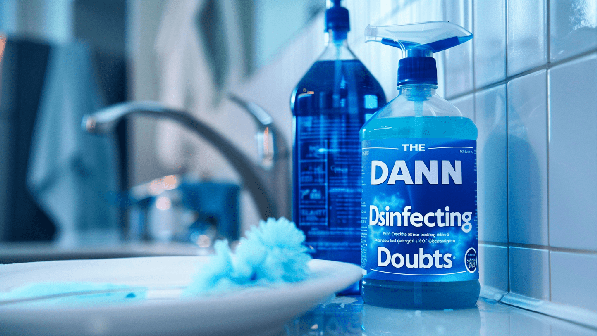
In this guide, I'll give you a clear, no-nonsense breakdown of what dish soap does to your car's finish, when it's actually okay to use it, and how to properly hand wash your car at home without damaging your paint. No scare tactics, just facts.
What Dish Soap Actually Does to Your Car's Surface
How Dishwashing Soap Differs from Car Wash Soap
Dish soap is engineered to do one thing extremely well: strip grease from cookware. It contains powerful degreasing agents and surfactants designed to break down oils, fats, and baked-on residue. That's great for your lasagna pan. It's not great for your car's paint.
The pH level tells part of the story. Most dish soaps are alkaline, typically ranging from pH 8 to 9. A dedicated automotive detergent, on the other hand, is formulated to sit at a neutral or slightly acidic pH level that's compatible with automotive clear coats.
The critical difference is intent. Dish soap is designed to remove all residue from a surface — every trace of oil, film, and coating. Car wash soap is designed to remove dirt and contaminants while leaving protective layers intact. That distinction matters more than most people realize.
The Effect on Wax, Sealant, and Ceramic Coatings
When you wash your car with dish soap, those aggressive degreasing agents don't distinguish between road grime and the protective wax or sealant you've applied. A single wash with undiluted dish soap can strip your wax coating entirely.
Sealants are slightly more resilient than natural carnauba wax, but they're not immune. One or two washes with dish soap will significantly degrade most polymer sealants. Ceramic coatings are the toughest of the bunch, but even they deteriorate faster with repeated dish soap exposure.
Why does this matter? Those protective layers aren't just for shine. They provide UV protection that prevents paint oxidation and fading. They create hydrophobic properties that repel water and reduce water spot formation. And they act as a sacrificial barrier between environmental contaminants and your actual clear coat. Dish soap car paint damage isn't always immediate or dramatic — it's the slow erosion of protection that leads to premature aging.
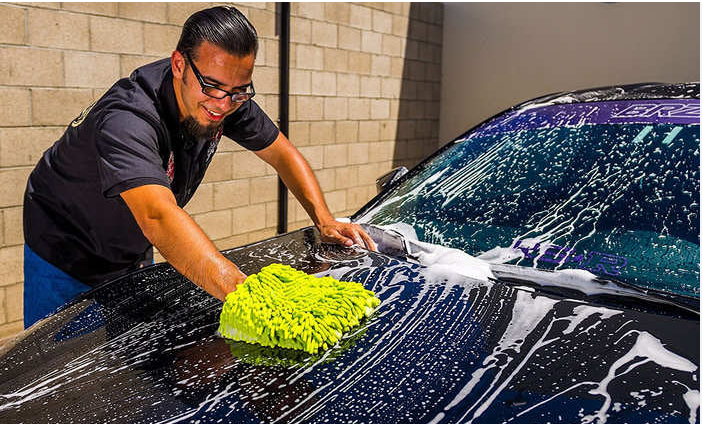
When It's Actually Okay to Use Dish Soap on Your Car
Pre-Wax or Pre-Sealant Prep
Here's something that surprises many people: professional detailers intentionally use dish soap on cars. When they're preparing to apply fresh wax or sealant, they need a completely bare surface for proper bonding. Dish soap is a cheap, effective way to strip old protection.
If you're using it for this purpose, mix about one tablespoon of dish soap per gallon of water. Wash the entire car, rinse thoroughly, and then proceed with your new wax or sealant application. In this context, the stripping action is a feature, not a bug.
Emergency or One-Time Situations
If you genuinely have no car wash soap alternative available and your car is covered in bird droppings, tree sap, or heavy road grime that needs to come off now, a single wash with dish soap won't destroy your paint.
Dilute it heavily — no more than a teaspoon per gallon of water. This reduces the stripping power while still providing enough cleaning action to remove surface contaminants. Rinse your car thoroughly afterward and dry it immediately with a clean microfiber towel. Then plan to reapply wax or sealant within the next few days.
Why Dedicated Car Wash Soap Is Worth It
Paint-Safe Formulation
The best soap to wash a car is one specifically formulated for automotive surfaces. These products are designed with a balanced pH that cleans effectively without attacking your clear coat or stripping protective layers.
Car wash soaps also contain lubricating agents that create a slick layer between your wash mitt and the paint surface. This lubrication is what prevents swirl marks and fine scratches during the washing process. Dish soap offers zero lubrication — it's actually designed to cut through slippery residue, which means more friction on your paint.
Quality car wash soaps also preserve your existing wax and sealant layers, meaning you get clean paint and maintained protection in every wash. It's cleaning without compromise.
Cost Comparison (It's Cheaper Than You Think)
A typical bottle of car wash soap costs between $8 and $15. Most bottles provide enough concentrate for 30 to 50 washes when properly diluted. That works out to roughly $0.15 to $0.30 per wash.
Dish soap might cost $0.05 per wash, but consider the hidden costs. A quality carnauba wax costs $15 to $30. A synthetic sealant runs $15 to $40. If you're stripping and reapplying protection every few washes because you're using dish soap, you're spending far more than the dime you saved on soap.
When you factor in the time spent reapplying protection and the long-term paint degradation, dedicated car wash soap is one of the cheapest forms of car maintenance you can invest in.
How to Properly Hand Wash Your Car at Home
What You'll Need
Before you start, gather these supplies for a safe, effective hand wash car at home session:
Two buckets (one for soapy water, one for clean rinse water)
Grit guards for the bottom of each bucket (optional but recommended)
A quality wash mitt — microfiber or lambswool
Dedicated car wash soap
A hose with a spray nozzle
A drying towel — waffle-weave or plush microfiber works best
Step-by-Step Washing Process
Step 1: Pre-rinse the entire car. Use your hose to remove loose dirt, dust, and debris. Pay extra attention to the lower panels, wheel wells, and areas behind the mirrors where grime accumulates. This step prevents you from grinding particles into your paint during the wash.
Step 2: Prepare your two buckets. Fill one bucket with water and your car wash soap at the dilution ratio specified on the bottle. Fill the second bucket with clean water only. This is your rinse bucket.
Step 3: Wash from top to bottom. Start at the roof and work your way down in sections. The lower portions of your car carry the heaviest dirt and grime, so saving them for last prevents you from dragging that contamination across cleaner panels.
Step 4: Rinse your mitt between panels. After washing each section, dunk your mitt in the clean rinse bucket and agitate it to release trapped dirt. Then reload with soapy water from the wash bucket. This two-bucket method is the single most important technique for preventing wash-induced scratches.
Step 5: Final rinse and dry immediately. Give the entire car a thorough rinse from top to bottom. Then dry immediately using your microfiber drying towel. Work in straight lines rather than circles, and flip or wring out the towel as it becomes saturated.
Common Mistakes That Damage Paint
Using a single bucket. When you dip a dirty mitt back into your only bucket, you're creating a soup of dirt and grit that you then rub across your paint. The two-bucket method exists for a reason.
Washing in direct sunlight. Sun heats the panels and causes soap to dry before you can rinse it off. This leaves residue, streaks, and can even etch into the clear coat. Wash in shade or during cooler parts of the day.
Using household sponges or old towels. Kitchen sponges trap dirt against their flat surface and drag it across your paint. Old bath towels are abrasive compared to microfiber. Use proper wash mitts and drying towels designed for automotive use.
Air-drying your car. Letting water evaporate naturally leaves behind mineral deposits and water spots. Tap water contains calcium, magnesium, and other minerals that bond to your paint as the water evaporates. Always hand-dry after washing.
Dish Soap vs. Car Wash Soap: Quick Comparison
| Factor | Dish Soap | Car Wash Soap |
|---|---|---|
| pH Level | High (alkaline, pH 8–9) | Neutral/balanced (pH 6–7) |
| Strips Wax/Sealant | Yes | No |
| Lubrication | None | Built-in lubricants |
| Cost Per Wash | ~$0.05 | ~$0.15–$0.30 |
| Safe for Regular Use | No | Yes |
| Prevents Swirl Marks | No | Yes |
FAQ: Dish Soap and Car Washing
Will dish soap ruin my car paint permanently?
A single wash with dish soap won't permanently damage your clear coat. However, it will strip your protective wax or sealant layer, leaving the paint exposed to UV rays, acid rain, and contaminants. Repeated use over time accelerates oxidation, fading, and clear coat degradation. The paint itself survives, but its protection doesn't.
What about using dish soap on wheels and tires?
Wheels and tires are more forgiving surfaces. Dish soap works reasonably well for cutting through brake dust and road grime on wheels, and it won't harm rubber tires. That said, dedicated wheel cleaners are formulated to dissolve brake dust more effectively and with less scrubbing. If you're going to use dish soap anywhere on your car, wheels are the safest place.
Can I dilute dish soap enough to make it safe for regular car washing?
Heavy dilution does reduce the stripping power, but it also reduces cleaning effectiveness. You end up with a product that still degrades protection (just more slowly) while not cleaning as well as a proper car wash soap alternative. It's a poor compromise when dedicated products are so affordable.
What's the best soap to wash a car if I'm on a budget?
Affordable car wash soaps from established automotive brands typically cost under $10 and provide 30 or more washes per bottle. At roughly $0.20 per wash, they're far cheaper than the cost of replacing stripped wax or sealant every few weeks. Look for products labeled as pH-balanced and wax-safe.
Is Dawn dish soap worse than other brands for car washing?
Dawn is specifically marketed for its heavy-duty degreasing power, which makes it one of the harsher options for automotive surfaces. Other dish soap brands may be slightly milder, but they all share the same fundamental problem: they're designed to strip oils and residues from surfaces without discrimination. No dish soap brand is truly safe for regular car washing.
Final Verdict
Dish soap works in a pinch, but it costs you more in the long run through stripped wax, degraded sealants, and accelerated paint aging. The few cents you save per wash get eaten up by the time and money spent restoring protection.
Invest in an $8 to $12 bottle of dedicated car wash soap, use the two-bucket method, and your paint will stay protected and looking sharp for years. It's one of the simplest upgrades you can make to your car care routine — and your car's finish will thank you every time you pull it out of the garage.