If you've ever stared at the price tag on a box of dishwasher pods and wondered whether you could just make your own, the answer is yes. A few affordable pantry staples are all it takes to whip up a batch that cleans as well as the store brands.
This guide walks you through everything, step by step, in plain language. No chemistry degree required, and no confusing jargon. Just simple recipes you can start using this week.
Why Make Your Own Dishwasher Soap?
Making your own detergent isn't only a fun weekend project. It solves real problems, from budget strain to plastic waste to mystery ingredients. This guide is for anyone who wants cleaner dishes with a little more control over the process.
Save Money on Every Load
Commercial dishwasher pods can cost around 25 to 40 cents per load. A homemade batch typically drops that to just a few cents per wash.
Those small savings add up fast. If you run your dishwasher daily, switching to DIY dishwasher detergent could save you well over a hundred dollars a year.
Control What Goes In Your Dishwasher
Store-bought products often include fragrances, dyes, and synthetic additives you may not want near your plates. Making your own lets you choose natural dishwasher soap ingredients that you recognize.
You decide what goes in and what stays out. That kind of transparency is hard to beat.
Reduce Plastic and Packaging Waste
Most commercial detergents come wrapped in plastic tubs or individually filmed pods. Buying ingredients in bulk and reusing your own containers cuts down that waste significantly.
For anyone leaning toward an eco-friendly dish soap routine, homemade is one of the easiest swaps to make. Less packaging in your cart means less headed to the landfill.
What You Need Before You Start
The good news is that most of these supplies are cheap, easy to find, and last through many batches. Gather everything first so your mixing session goes smoothly.
Core Ingredients Explained
Each ingredient plays a specific role. Understanding them helps you troubleshoot later and adjust recipes to your water and machine.
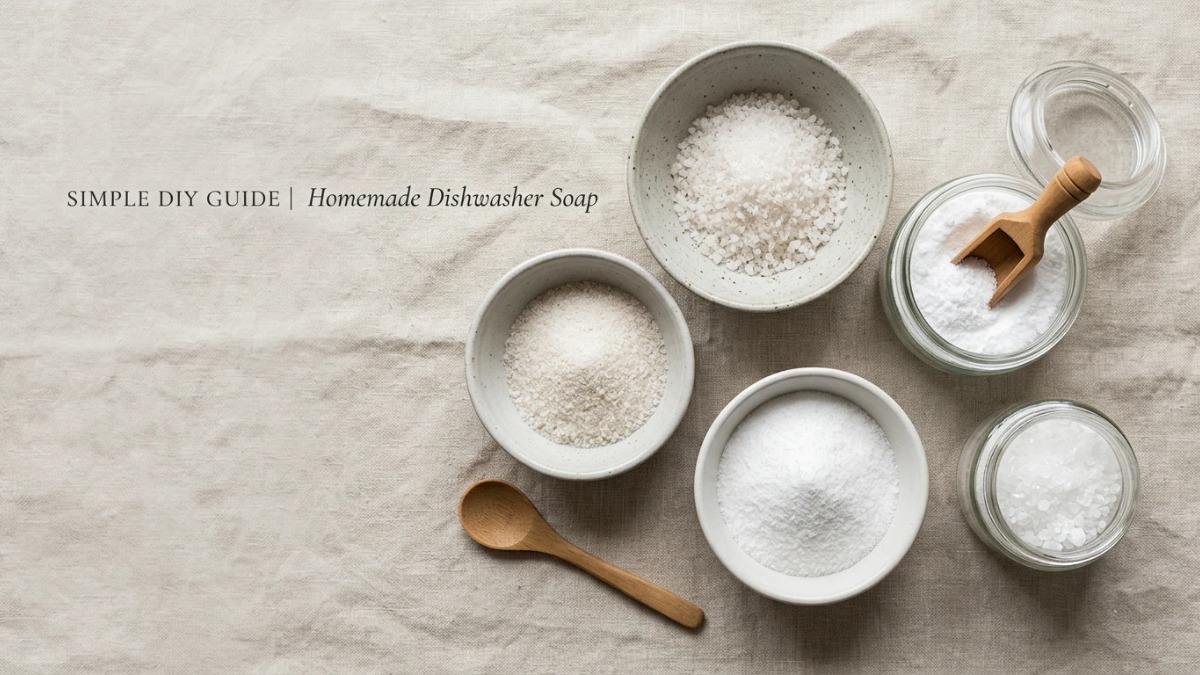
- Washing soda (sodium carbonate) is the workhorse. It cuts grease and lifts food residue.
- Borax boosts cleaning power, softens water, and helps control odors. The washing soda and borax dishwasher combo is a classic for good reason.
- Citric acid fights hard water spots and helps the mix dissolve cleanly.
- Salt (coarse kosher or sea salt) softens water and helps prevent film.
- Baking soda is optional but adds gentle scrubbing and deodorizing.
Ingredient Cost & Function Table
| Ingredient | Purpose | Approximate Cost | Where to Buy |
|---|---|---|---|
| Washing soda | Cuts grease, lifts residue | $4 to $6 per box | Laundry aisle, hardware stores |
| Borax | Boosts cleaning, softens water | $5 to $8 per box | Laundry aisle, online |
| Citric acid | Fights spots, aids dissolving | $6 to $10 per pound | Baking aisle, online, brewing shops |
| Coarse salt | Softens water, reduces film | $2 to $4 per box | Grocery stores |
| Baking soda | Deodorizes, gentle scrubbing | $1 to $3 per box | Baking aisle |
Tools and Equipment
You don't need anything fancy. Chances are you already own most of it.
- A large mixing bowl
- A whisk or spoon
- Measuring cups and spoons
- An airtight storage container or jar
- A silicone ice cube tray or candy mold (only if you're making tablets)
Safety First
Borax and washing soda are effective cleaners, but they can irritate skin, eyes, and lungs. Wear gloves when mixing and avoid breathing in the powder.
Keep all ingredients and finished detergent well out of reach of children and pets. Label your containers clearly and store them somewhere cool and dry.
Basic Homemade Dishwasher Detergent Recipe (Powder)
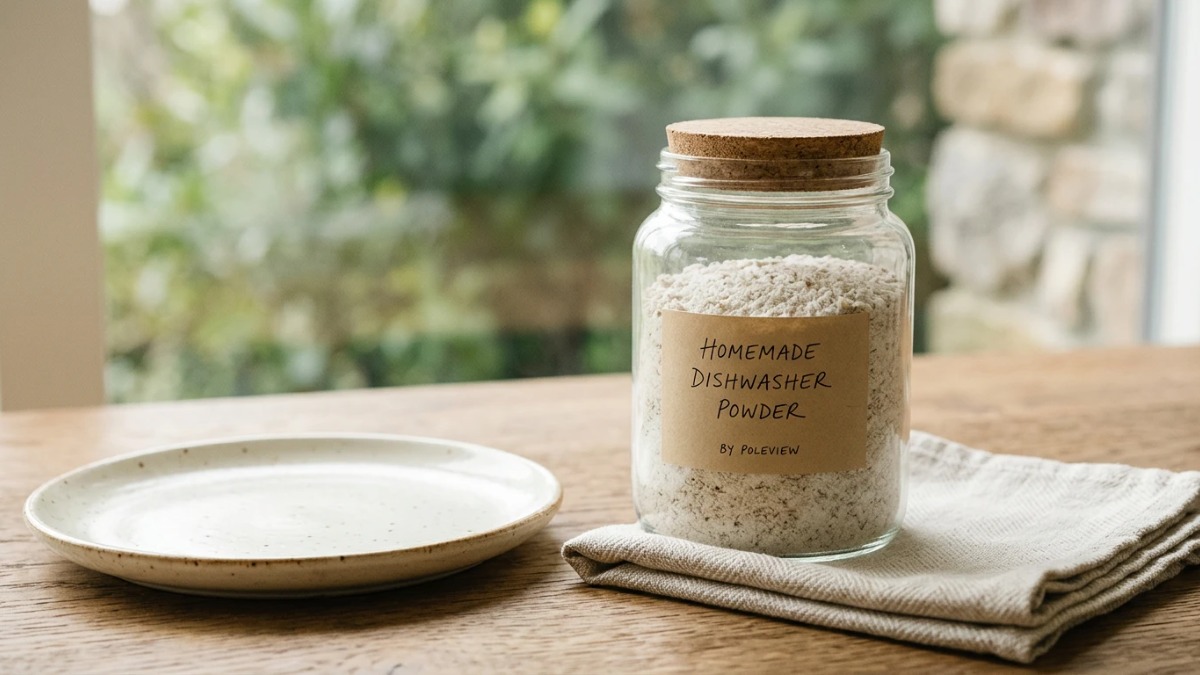
Powder is the fastest format to make and the most forgiving for beginners. It's a great starting point for your first homemade dishwasher soap.
Step-by-Step Instructions
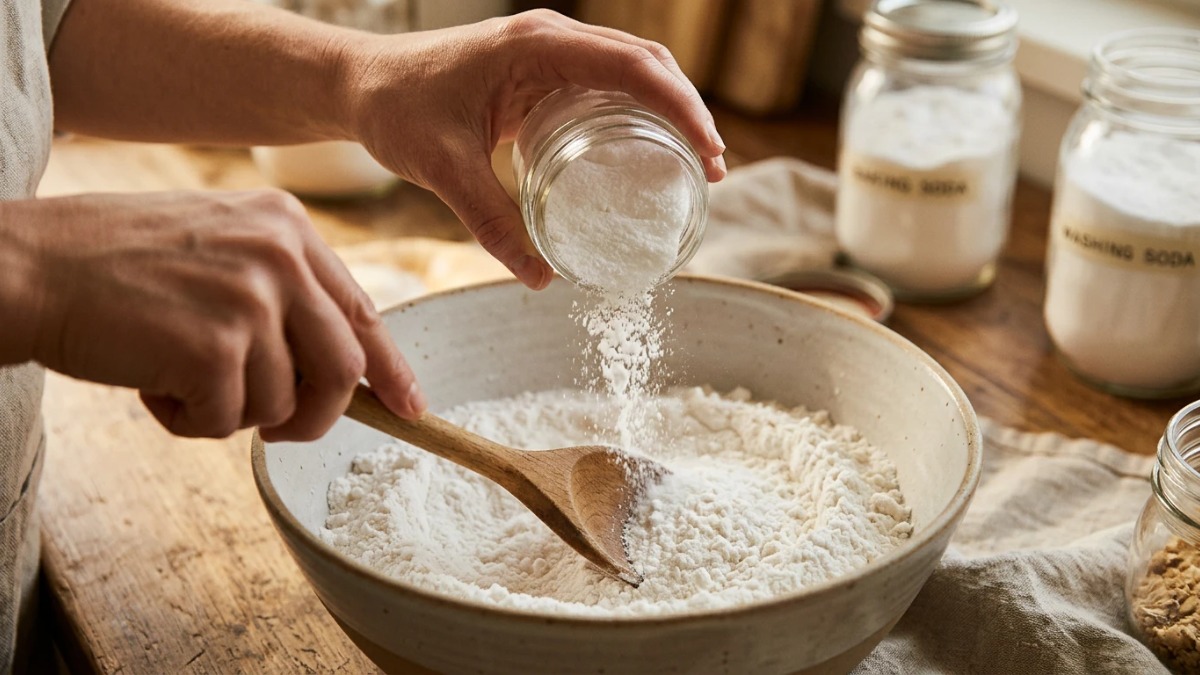
- Measure 1 cup of washing soda into your mixing bowl.
- Add 1 cup of borax.
- Stir in ½ cup of citric acid.
- Add ½ cup of coarse salt.
- Whisk everything together until the mixture looks even and lump-free.
- Transfer to an airtight container and seal it tightly.
That's it. The whole process takes about five minutes.
How Much To Use Per Load
Start with 1 tablespoon per load for normal, everyday dishes. For heavily soiled loads or larger machines, bump it up to 2 tablespoons.
Place the powder in your detergent compartment as usual. If you have hard water, a little extra citric acid or salt sprinkled in the bottom of the tub can help.
Homemade Dishwasher Detergent Tablets and Pods
If you love the grab-and-go convenience of pods, you can press your powder into tablets. Homemade dishwasher detergent tablets take a little extra time but make daily use effortless.
Making Pressed Tablets
Start with the basic powder recipe above. To bind it into tablets, add a small amount of liquid so it holds its shape.
- Spritz the powder lightly with water using a spray bottle, one squirt at a time.
- Stir after each spritz. You want a texture like damp sand, not soup. Too much water triggers fizzing and ruins the batch.
- Press the mixture firmly into a silicone ice cube tray or candy mold.
- Pack each cavity tight so the tablets hold their shape once dry.
These DIY dishwasher pods will foam a little as the citric acid reacts. That's normal, so work quickly.
Drying and Storing Your Pods
Let the tablets sit undisturbed for 24 to 48 hours until they harden fully. Pop them out of the mold and give them a few more hours of air drying if they still feel damp.
Store finished tablets in an airtight container to prevent clumping. A small food-safe silica packet helps keep moisture out, especially in humid climates.
The Secret Weapon: Homemade Dishwasher Rinse Aid
A rinse aid is what separates okay results from spotless, streak-free dishes. It helps water sheet off surfaces so glasses dry clear instead of cloudy.
Skip this step and you'll get film on your glassware. That's the number one complaint from DIY users. The fix is cheap and takes seconds.
Simple Vinegar-Based Rinse Aid Recipe
Fill your machine's rinse aid compartment with plain white vinegar. That's the entire recipe.
The mild acidity cuts through mineral deposits and prevents spots. If your machine has no rinse aid slot, place a small dishwasher-safe cup of vinegar on the top rack before running a cycle. A homemade dishwasher rinse aid this simple is hard to argue with.
Recipe Comparison: Powder vs. Tablets vs. Pods
Each format has its strengths. The right choice depends on how much convenience you want versus how much prep time you're willing to invest.
Format Comparison Table
| Format | Prep Time | Storage Life | Convenience | Cost Per Load |
|---|---|---|---|---|
| Powder | 5 minutes | 6+ months | Requires measuring | Lowest |
| Pressed Tablets | 15 minutes plus drying | 3 to 6 months | Grab and go | Low |
| Molded Pods | 15 minutes plus drying | 3 to 6 months | Grab and go | Low |
Powder wins on speed and shelf life. Tablets and pods win on daily convenience. Many people keep a jar of powder for backup and a batch of tablets for everyday use.
Troubleshooting Common Problems
DIY detergent occasionally needs a little tweaking. Here are the issues that come up most, and how to fix them fast.
Cloudy Glasses or White Film
This usually means hard water minerals or a missing rinse aid. Add vinegar to your rinse compartment and boost the citric acid in your recipe.
If the film wipes off easily, it's mineral buildup. If it doesn't, you may be using too much detergent.
Detergent Not Dissolving
Clumping is often a sign that moisture reached your powder during storage. Break up the clumps, add a silica packet, and keep the container sealed tight.
Hard water can also slow dissolving. Try slightly warmer water cycles and a touch more citric acid.
Dishes Still Dirty
First, check your dosing. Under-using detergent is the most common culprit, so try adding another tablespoon.
Next, make sure your water is hot enough. Dishwashers clean best around 120°F to 130°F. Finally, avoid overcrowding the racks so water can reach every surface.
Tips for Hard Water Areas
Hard water is the biggest challenge for any natural dishwasher soap recipe. The extra minerals interfere with cleaning and leave spots behind.
If you have hard water, increase the citric acid in your base recipe by 50 percent. A bit more coarse salt also helps soften the water inside the machine.
Always use a vinegar rinse aid, and consider wiping down your machine's interior monthly to prevent buildup. These small adjustments make a big difference in mineral-heavy areas.
Frequently Asked Questions (FAQ)
Is homemade dishwasher soap safe for all machines?
It works well in most standard dishwashers. That said, some newer machines with delicate finishes or specific manufacturer guidelines may not be ideal. Check your owner's manual, and if you're unsure, test a small batch first.
Can I use regular dish soap in my dishwasher?
No. Hand dish soap creates huge amounts of foam that can overflow and damage your machine. Stick to dishwasher-specific formulas, whether store-bought or homemade.
How long does homemade dishwasher detergent last?
Powder stays good for six months or more if kept sealed and dry. Tablets and pods last around three to six months. The main enemy is moisture, so airtight storage is key.
Is borax safe to use in dishwasher soap?
Borax is effective and widely used, but it's a cleaning agent that should be handled with care. Wear gloves, avoid inhaling the powder, and keep it away from children and pets. Used correctly in a rinsed dishwasher, residue is minimal.
What can I substitute if I don't want to use borax?
You can leave out the borax and increase the washing soda and citric acid to compensate. Some people also add extra baking soda for scrubbing power. The results are still solid, though you may need to fine-tune the amounts for your water type.
Start with a small powder batch, test it for a few loads, and adjust from there. Once you dial in the right mix for your machine and water, homemade detergent becomes an easy, money-saving habit you'll never look back from.