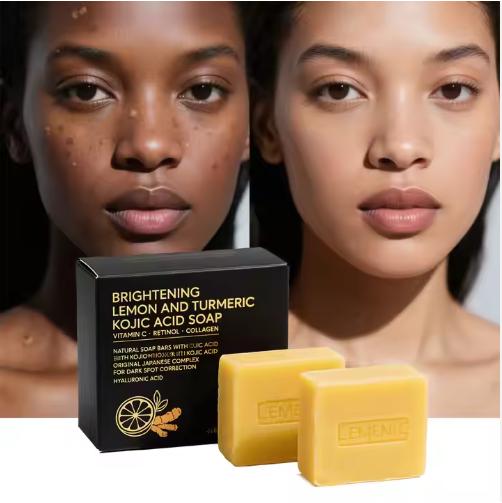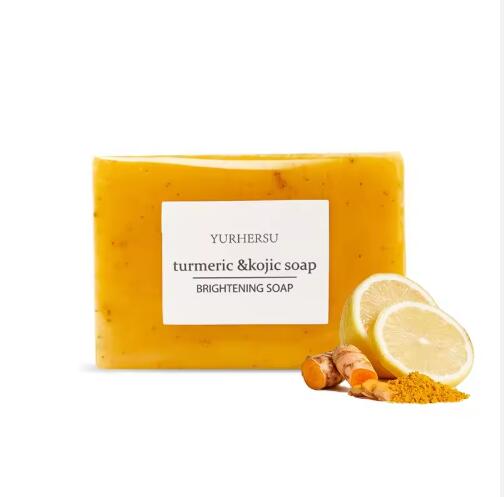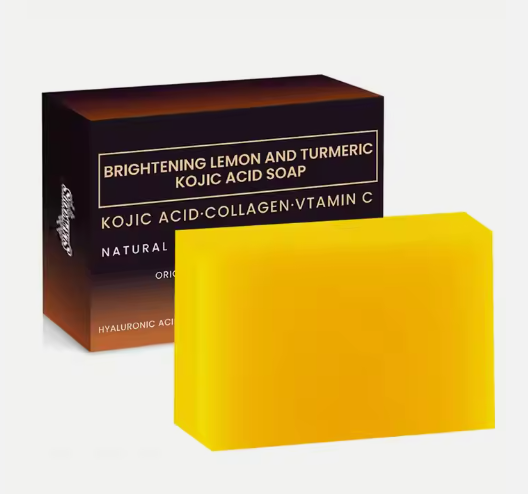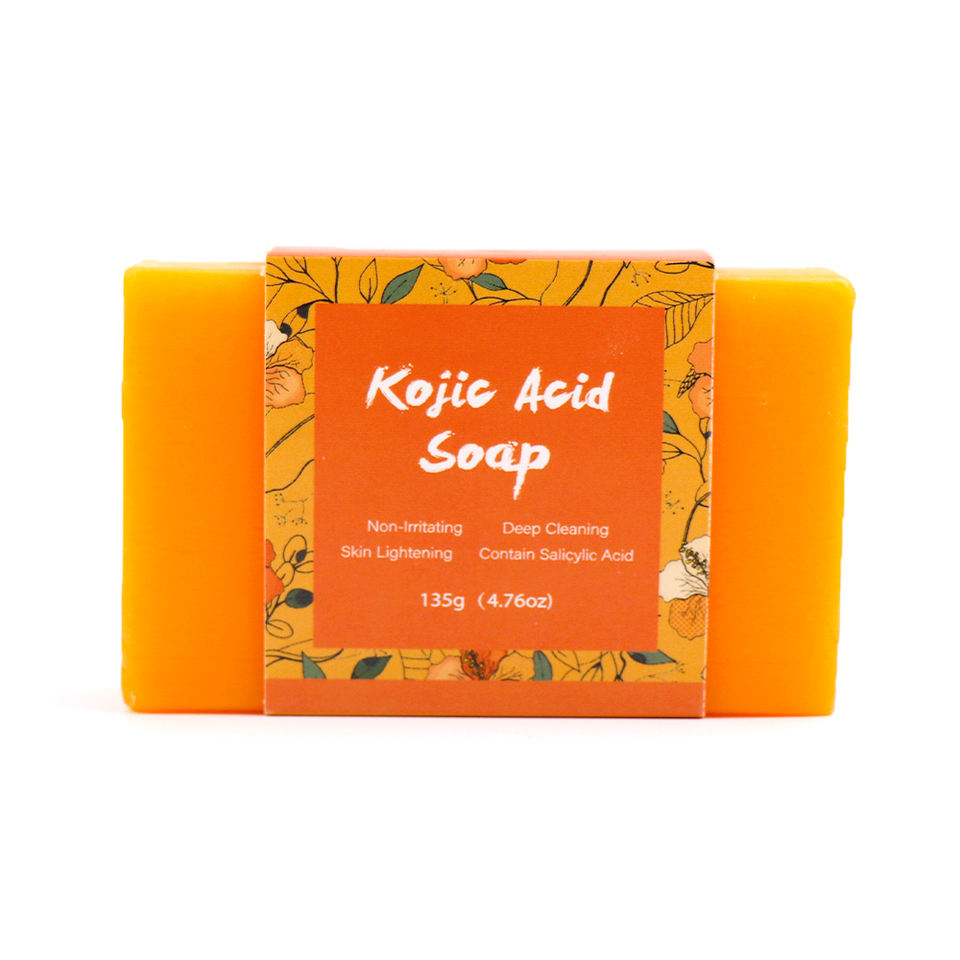

The $13 Billion Question Sitting on Bathroom Shelves
Walk into any beauty aisle from Manila to Manchester, and you'll spot it: that distinctive yellow-orange bar promising brighter, more even skin. The global skin-brightening category is on track to exceed $13 billion, and kojic acid soap has become one of its most resilient stars.
But with that resurgence comes a flood of questions landing in dermatologists' inboxes. Is it really safe? Can clients use it long-term? What should retailers say when shoppers ask?
This guide pulls together the clinical evidence, regulatory updates, and practical advice industry pros need to talk about kojic acid with confidence — and honesty.
What Is Kojic Acid, Really?
Origin and Production
Kojic acid is a natural compound produced through the fermentation of Aspergillus oryzae — the same fungus that gives us sake, miso, and soy sauce. It was first isolated in Japan in 1907 and has been a staple of Asian skincare for decades.
Source quality matters more than most buyers realize. Pharmaceutical-grade kojic acid is purified to remove fermentation byproducts that can irritate sensitive skin. Cheaper industrial grades often contain residues that increase reactivity.
Mechanism of Action
Kojic acid works by inhibiting tyrosinase, the enzyme responsible for converting tyrosine into melanin. In plain terms: it slows the production of new pigment without bleaching the skin you already have.
This is an important distinction. Unlike harsh skin-lightening agents that strip melanin, kojic acid gradually evens tone by reducing how much new pigment your skin manufactures.
Typical Concentrations in Soap
Most commercial bars contain between 1% and 4% kojic acid. Below 1%, results are negligible. Above 4%, irritation rises sharply and regulatory red flags appear in several markets.
So, Is Kojic Acid Soap Actually Safe?
The short answer: yes, for most users, when formulated within regulated concentrations and used as directed. The longer answer requires nuance.
The Regulatory Snapshot
| Region | Permitted Concentration | Status |
|---|---|---|
| United States (FDA) | Generally recognized; OTC allowed | No specific cap, GRAS for cosmetic use |
| European Union (SCCS) | Up to 1% in face/hand products | Restricted, under ongoing review |
| Japan (MHLW) | Approved as quasi-drug whitening agent | Permitted up to 1% |
| Philippines (FDA) | Allowed in cosmetics | Widely used, monitored |
| South Korea (MFDS) | Approved functional cosmetic | Permitted with notification |
The Clinical Safety Picture
Peer-reviewed dermatology literature consistently rates kojic acid as well-tolerated at cosmetic concentrations. Irritation rates hover around 5–10% in clinical trials, mostly mild and transient.
Older carcinogenicity concerns came from rodent studies using oral doses thousands of times higher than human topical exposure. Human safety data has not replicated those findings, and major regulatory bodies continue to permit cosmetic use.
Side Effects Professionals Should Communicate Clearly
Common, Mild Reactions
Redness, dryness, and mild stinging top the list. Most are dose- and contact-time related. A simple rule for clients: lather, leave on for 30 seconds, then rinse thoroughly.
Less Common but Notable
Contact dermatitis affects a small subset of users, often those with pre-existing sensitivities. Photosensitivity is real and frequently underestimated — kojic acid skin sensitivity can spike after sun exposure, leading to ironic darkening rather than brightening.
Rare but Serious
Ochronosis — a blue-gray skin discoloration — is far more associated with hydroquinone than kojic acid. However, years of unsupervised daily use combined with sun exposure can produce post-inflammatory hyperpigmentation, particularly in deeper skin tones.
Risk Profile by Skin Type
| Skin Type | Tolerance Level | Recommended Use Frequency |
|---|---|---|
| Oily/Resilient | High | Daily, short contact |
| Normal/Combination | Moderate-High | Once daily |
| Dry | Moderate | 3–4x weekly with moisturizer |
| Sensitive/Rosacea-prone | Low | Patch test; consider alternatives |
| Eczema-prone | Very Low | Avoid or use under supervision |
Benefits That Keep It on the Shelf
Hyperpigmentation and Melasma Support
Clinical studies show visible improvement in melasma and post-acne marks within 4–8 weeks of consistent use. Results plateau around the 12-week mark for most users.
Antimicrobial and Antifungal Properties
Kojic acid has documented activity against several bacterial and fungal strains. This underrated benefit explains its popularity in humid markets where body acne and fungal infections are common concerns.
Cost-Effective Brightening Alternative
At a fraction of the price of prescription hydroquinone or premium tranexamic acid serums, kojic acid soap remains an accessible entry point into pigment management — which is largely why the category keeps growing.
Long-Term Use: What Does the Research Say?
The 12-Month Threshold
Here's a gap most marketing copy glosses over: the majority of clinical studies cap observation at six months. Long-term use of kojic acid beyond a year hasn't been rigorously studied, so professionals should disclose this honestly when clients ask.
Cycling and Pulse-Use Protocols
Many estheticians recommend 8–12 weeks on, followed by a 4-week break. This pulse approach minimizes sensitization risk and gives the skin barrier time to recover.
Combining with Other Actives
| Pairing | Compatibility | Notes |
|---|---|---|
| Niacinamide | Excellent | Synergistic brightening |
| Vitamin C | Good | Boosts antioxidant effect |
| Retinoids | Caution | Increases irritation risk |
| AHAs/BHAs | Caution | Stagger application |
| Hydroquinone | Avoid combining daily | Over-aggressive |
Who Should Avoid Kojic Acid Soap?
Contraindicated Populations
Pregnant and breastfeeding individuals are usually advised to wait, on precautionary grounds rather than documented harm. Those with active eczema, broken skin, or anyone on photosensitizing medications should also steer clear.
The Sunscreen Non-Negotiable
SPF 30 or higher is mandatory, not optional. Skipping sunscreen while using any brightening product virtually guarantees rebound pigmentation and wastes the investment.
Formulation Red Flags for Industry Buyers
Oxidation and Color Change
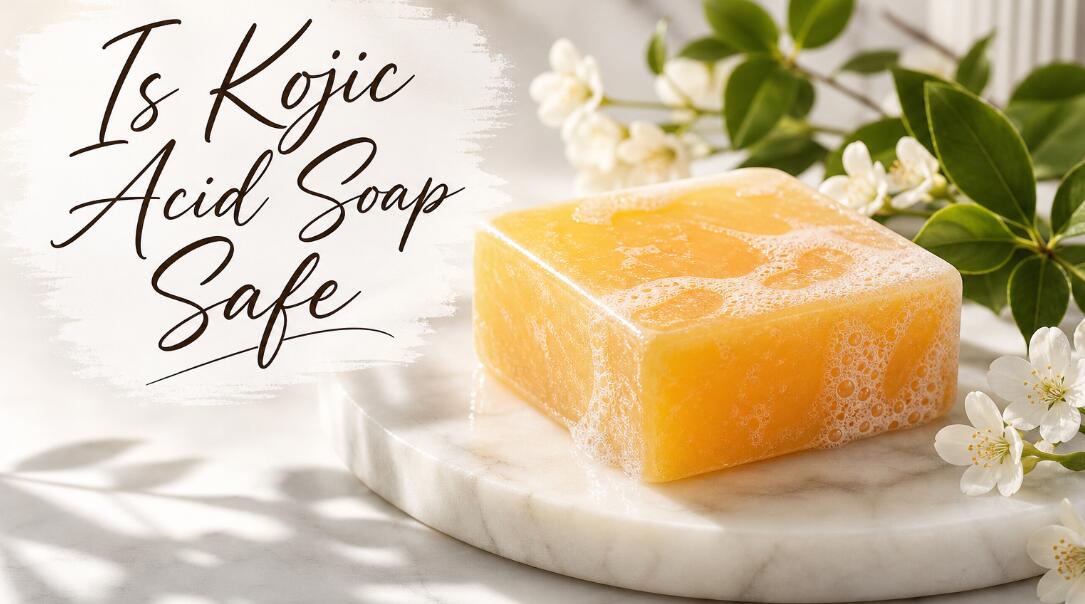
Kojic acid is notoriously unstable. A fresh bar should be pale yellow. A shift toward deep brown or rust indicates oxidation — reduced efficacy and potentially increased irritation. Smart formulators stabilize with antioxidants and opaque packaging.
Unlicensed "Mega-Dose" Imports
Gray-market bars advertising 6%, 8%, or even 10% kojic acid circulate widely online. These typically lack regulatory clearance, batch testing, and stability data. They are the single biggest source of adverse reactions reported in clinics.
Label Transparency Checklist
- Concentration clearly disclosed
- Full INCI list, not marketing names only
- Manufacturing date and batch number
- Recommended use frequency and SPF reminder
- Verified supplier certificates of analysis
FAQ: Quick Answers for Client-Facing Teams
Can kojic acid soap be used daily?
For most skin types, yes — with short contact time (under 60 seconds) and consistent SPF use. Sensitive skin should start every other day.
How long until results appear?
Typically 2–4 weeks for overall tone evenness, and 8–12 weeks for stubborn dark spots. Patience is essential.
Is it safe for the face?
Yes at concentrations of 1% or below, though leave-on serums often deliver better facial results than rinse-off bars, which have limited contact time.
Does it bleach skin?
No. It inhibits new pigment formation; it does not strip existing melanin or change baseline skin color.
Can it cause cancer?
Current human data does not support carcinogenicity at cosmetic concentrations. Early rodent studies used implausibly high oral doses that don't translate to topical use.
What's the safest alternative if a client reacts?
Alpha-arbutin, azelaic acid, and tranexamic acid are well-tolerated alternatives. Each has its own efficacy and safety profile worth comparing for individual needs.