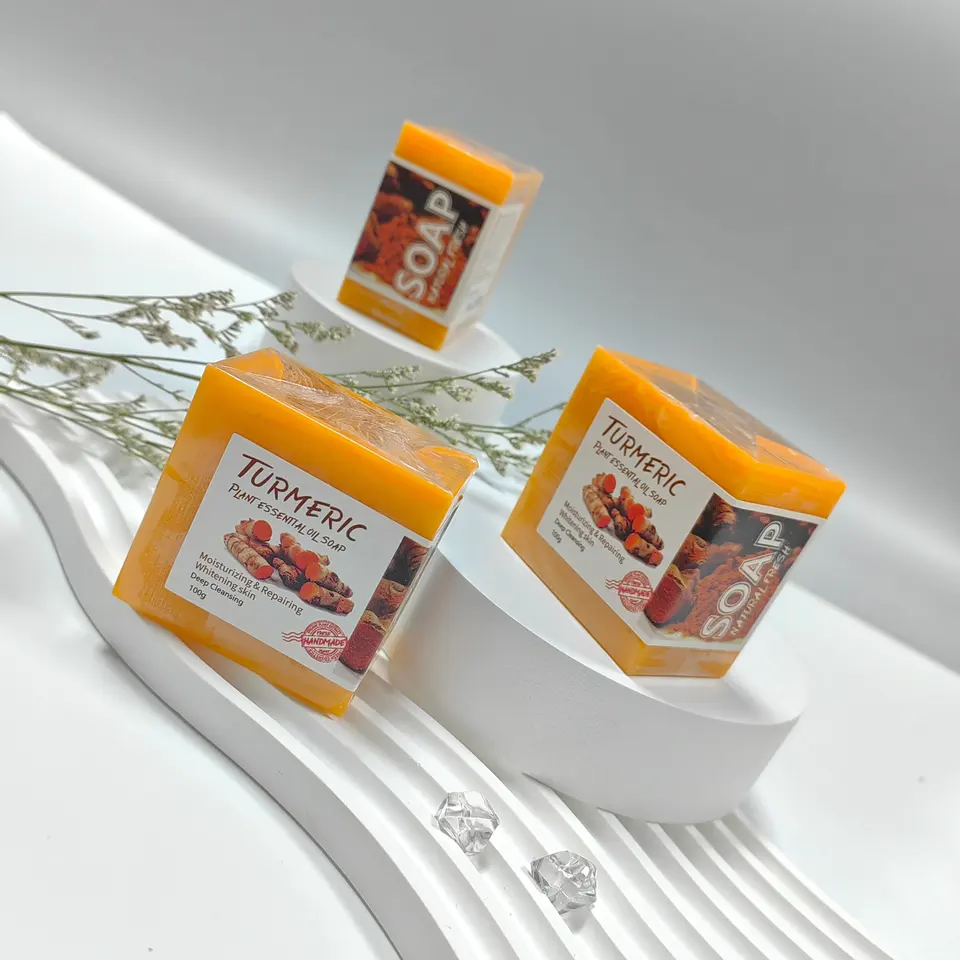

That golden-yellow bar has taken over bathroom shelves, beauty aisles, and your social feed. But can it actually change your complexion — or is it just another over-hyped trend in pretty packaging?
Here's a clear, no-nonsense breakdown of what turmeric soap can and can't do for your skin, based on dermatology research and real-world results.
Why Turmeric Soap Is Trending Again
Turmeric isn't new. But its comeback in modern skincare is hard to ignore. From drugstore chains to indie brands, the golden bar is everywhere.
The Social Media Boom Behind the Golden Bar
Short-form videos showing dramatic "before and after" transformations have fueled a fresh wave of curiosity. Creators in beauty communities now post weekly progress logs, and search interest in turmeric soap benefits for skin has climbed steadily over the past two years.
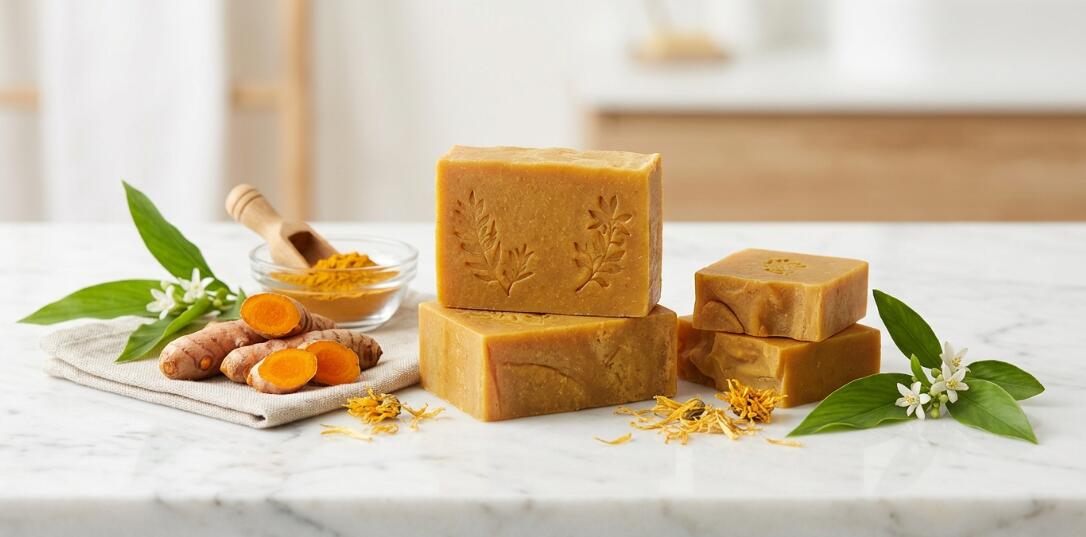
The visuals are compelling — but they don't always tell the full story. Lighting, filters, and a good moisturizer can do a lot of the heavy lifting.
From Kitchen Spice to Skincare Staple
Long before TikTok, turmeric was a beauty staple in South Asian, Middle Eastern, and African traditions. Brides used turmeric paste (haldi) before weddings to brighten their skin and calm breakouts.
That centuries-old reputation is part of why modern consumers trust it. Science is just now catching up to what grandmothers have known for generations.
What's Actually Inside Turmeric Soap?
Before rubbing anything on your face, it helps to know what you're actually using.
Curcumin: The Star Compound
Curcumin is the active polyphenol in turmeric responsible for that bright yellow color — and most of its skincare effects. It's a powerful antioxidant with well-documented anti-inflammatory properties.
Research on curcumin skincare effects suggests it can interfere with melanin overproduction, which is why it shows promise for hyperpigmentation. But concentration matters — a lot.
Common Companion Ingredients
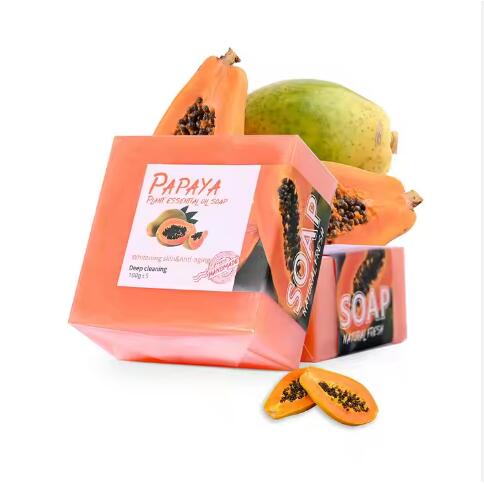
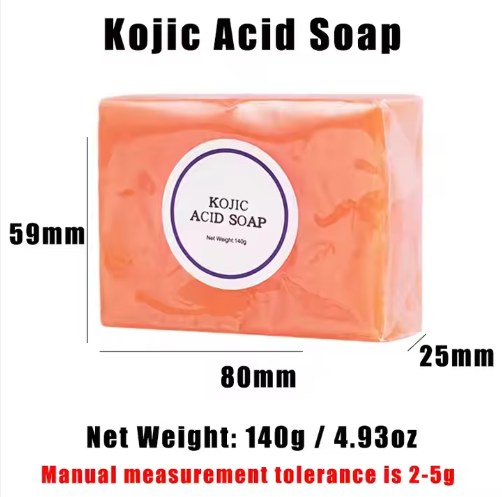
Most turmeric soaps don't rely on curcumin alone. You'll often find coconut oil, kojic acid, glycerin, papaya extract, or sandalwood added to boost effects or soften the formula.
Quick Ingredient Comparison Table
| Ingredient | Primary Role | Skin Benefit | Lightening Potential |
|---|---|---|---|
| Curcumin (turmeric) | Antioxidant | Reduces inflammation, fades dark spots | Mild to moderate |
| Kojic acid | Tyrosinase inhibitor | Targets melanin production | Moderate to high |
| Vitamin C | Brightener | Evens skin tone | Moderate |
| Coconut oil | Moisturizer | Softens skin | None (supportive) |
| Glycerin | Humectant | Hydrates | None (supportive) |
Does Turmeric Soap Actually Lighten Skin?
Here's the honest answer most ads won't give you.
What the Research Says About Curcumin and Skin Tone
Several peer-reviewed studies show that curcumin can inhibit tyrosinase — the enzyme responsible for melanin production. That's the same mechanism many prescription lightening agents rely on.
The catch? Most of those studies use concentrated topical curcumin, not a soap that rinses off in under a minute. So the benefit from soap alone is real — but modest.
Lightening vs. Brightening: Why the Difference Matters
This is where most marketing gets sneaky. "Lightening" implies changing your baseline skin color. "Brightening" means improving radiance, smoothing texture, and fading dark patches.
Turmeric soap can genuinely brighten. It cannot rewrite your genetics.
Realistic Results vs. Marketing Claims
If a bar promises "5 shades lighter in 7 days," it's either lying or contains ingredients you don't want on your skin. Real results from natural skin lightening remedies are gradual.
Expected Results Timeline
| Time Frame | What Most Users Notice |
|---|---|
| Week 1–2 | Smoother texture, reduced oiliness |
| Week 3–4 | Less redness, calmer breakouts |
| Week 5–8 | Gradual fading of dark spots and acne marks |
| Beyond 8 weeks | More even tone; no dramatic "whitening" |
Who Benefits Most From Turmeric Soap?
Not every skin concern responds the same way. Knowing where this product actually shines helps set realistic expectations.
Best Use Cases
Mild to moderate hyperpigmentation
Acne scars and post-pimple marks
Dull, tired-looking skin
Mild eczema and inflammation
Uneven tone from sun exposure
When Turmeric Soap Won't Help
Some pigmentation issues run deeper than soap can reach. Deep melasma, hormone-driven dark patches, and stubborn post-inflammatory marks usually need clinical-grade treatments — prescription creams, peels, or laser therapy.
Your natural skin color is genetic. No soap will change that, and frankly, none should need to.
Potential Side Effects and Risks
"Natural" doesn't automatically mean "safe for everyone." Here's what to watch for.
Common Reactions
Mild dryness, a temporary yellow tint on lighter complexions, and occasional irritation are the most common complaints. Most fade within hours of rinsing.
Allergy and Sensitivity Warnings
Some users develop contact dermatitis — itchy, red, or burning skin after use. Always do a patch test on your inner arm for 24–48 hours before applying a new bar to your face.
Ingredients to Avoid in Cheap Turmeric Soaps
Consumer safety regulators in multiple countries have repeatedly flagged imported "whitening" soaps containing hydroquinone (in unsafe concentrations), mercury, or undeclared topical steroids. These can cause permanent damage and have been the subject of recall alerts through 2025.
If a soap promises overnight whitening or has no clear ingredient list, walk away.
How to Use Turmeric Soap the Right Way
Real results come from consistency, not aggression.
Step-by-Step Daily Routine
Wet your skin with lukewarm water.
Lather the soap between your hands first — not directly on your face.
Massage the foam gently for 30–60 seconds.
Rinse thoroughly. Turmeric residue left behind can dry out skin.
Pat dry and apply moisturizer.
Finish with broad-spectrum SPF 30+ in the morning.
Sunscreen is non-negotiable. Brightening your skin without UV protection is like mopping the floor with the faucet still running.
How Often Is Too Often?
Once daily works for most people. Twice daily only suits oily, non-sensitive skin types. If your skin runs dry or reactive, three to four times a week is plenty.
Pairing Turmeric Soap With Other Products
Works well with: vitamin C serum, niacinamide, hyaluronic acid, gentle moisturizers.
Use with caution: strong retinoids, glycolic acid, or other AHAs on the same day. Stacking too many actives is the fastest route to irritation.
How to Choose a Quality Turmeric Soap
The market is flooded. Use this checklist to filter out the duds.
Label Red Flags vs. Green Flags
Look for clearly listed turmeric extract or curcumin content. Vague phrases like "whitening complex" with no ingredient breakdown are usually a warning sign.
Quick Buying Checklist
| Look For | Avoid |
|---|---|
| Visible curcumin/turmeric extract listed | "Proprietary whitening blend" with no details |
| Cold-process or handmade options | Suspiciously cheap imports |
| Clear country of origin | No manufacturer info |
| Dermatologist-tested labeling | Claims of "permanent skin whitening" |
Price vs. Performance
The priciest bar isn't automatically the best. But suspiciously cheap soaps — especially imported "miracle" bars — often hide questionable ingredients. Mid-range, transparent brands tend to deliver the best value.
Turmeric Soap vs. Other Popular Skin Brighteners
How does it stack up against the competition?
| Product | Average Cost | Speed of Results | Risk Level | Best For |
|---|---|---|---|---|
| Turmeric soap | Low | Slow (4–8 weeks) | Low | Mild discoloration |
| Kojic acid soap | Low–Mid | Moderate (3–6 weeks) | Mild irritation possible | Sun spots |
| Vitamin C serum | Mid–High | Moderate | Low | Overall brightening |
| Glycolic acid | Mid | Fast | Higher (peeling) | Texture + tone |
| Prescription hydroquinone | High | Fast | Requires monitoring | Stubborn pigmentation |
FAQ: Quick Answers to Common Questions
Will turmeric soap permanently change my skin color?
No. It can fade dark spots and improve tone, but it won't alter your natural baseline complexion. Any product claiming otherwise deserves skepticism.
How long until I see visible results?
Most people notice subtle changes around week four, with more visible improvement at 6–8 weeks of consistent use. Skip days and that timeline stretches.
Will it stain my skin or towels yellow?
Possibly. A light yellow tint may appear briefly after washing — it usually rinses off. White towels and washcloths, though, can stain permanently. Use older ones.
Is turmeric soap safe for sensitive skin?
Generally yes, but always patch test first. Avoid formulas with added kojic acid, strong essential oils, or heavy fragrances if your skin reacts easily.
Can I use turmeric soap on my face and body?
Yes, but facial skin is more delicate. Keep contact brief, rinse thoroughly, and always follow with moisturizer.
Does it work for dark inner thighs, underarms, or knees?
It can help fade friction-related darkening over time, though results vary. Pairing it with exfoliation and reducing friction — looser clothing, less shaving irritation — speeds things up.
Should pregnant women use turmeric soap?
Topical use is generally considered low-risk, but consult a doctor before introducing any new active skincare during pregnancy. This is especially true for formulas combined with kojic acid or other actives.
The Bottom Line: A Helpful Brightener, Not a Magic Whitener
Turmeric soap is a genuinely useful, affordable addition to a thoughtful skincare routine. It can soften dark spots, calm inflammation, and give your skin a healthier glow over a few weeks of steady use.
What it won't do is dramatically lighten your natural skin tone — and that's actually a good thing. The healthiest skin isn't the lightest. It's the most even, hydrated, and well-protected.
Think of turmeric soap as a gentle brightener, not a transformation product. Keep your expectations grounded, your sunscreen handy, and your ingredient list transparent — and that little golden bar can absolutely earn its place in your routine.