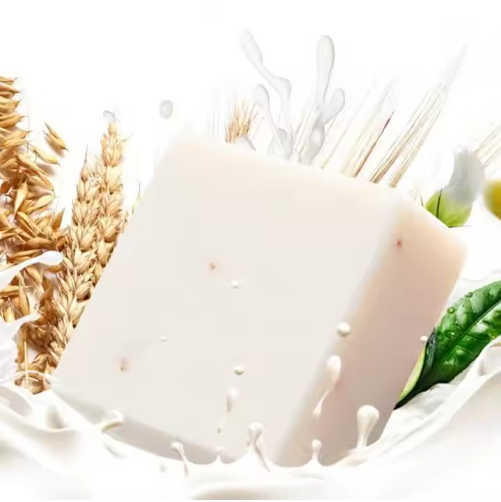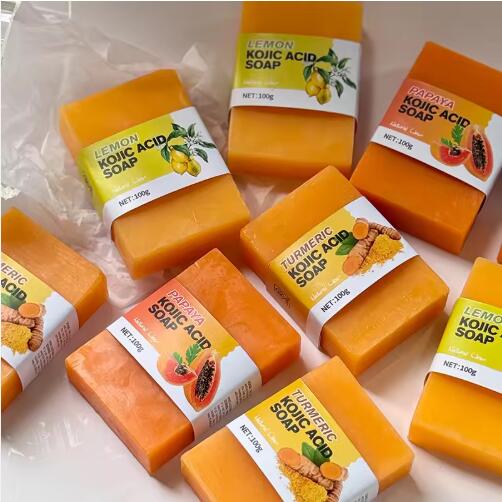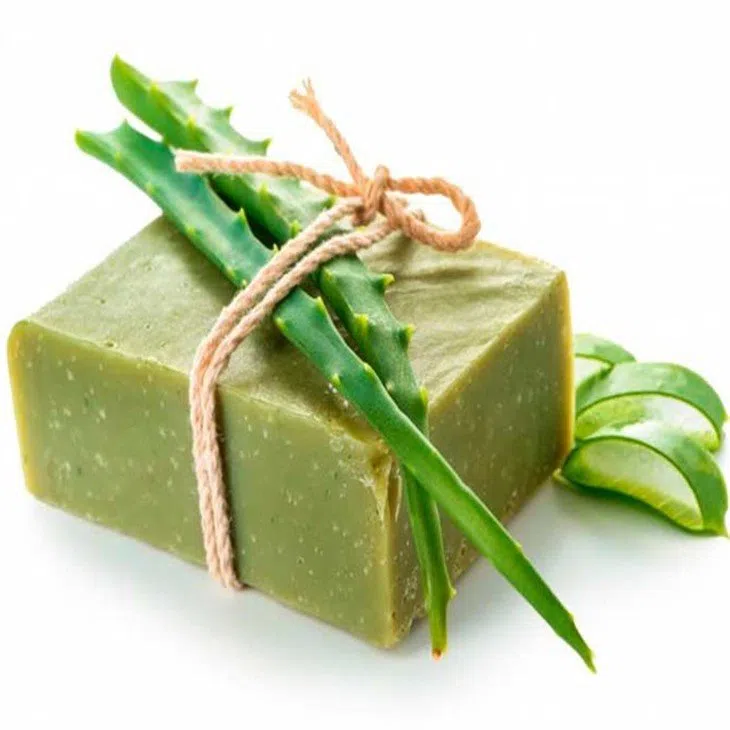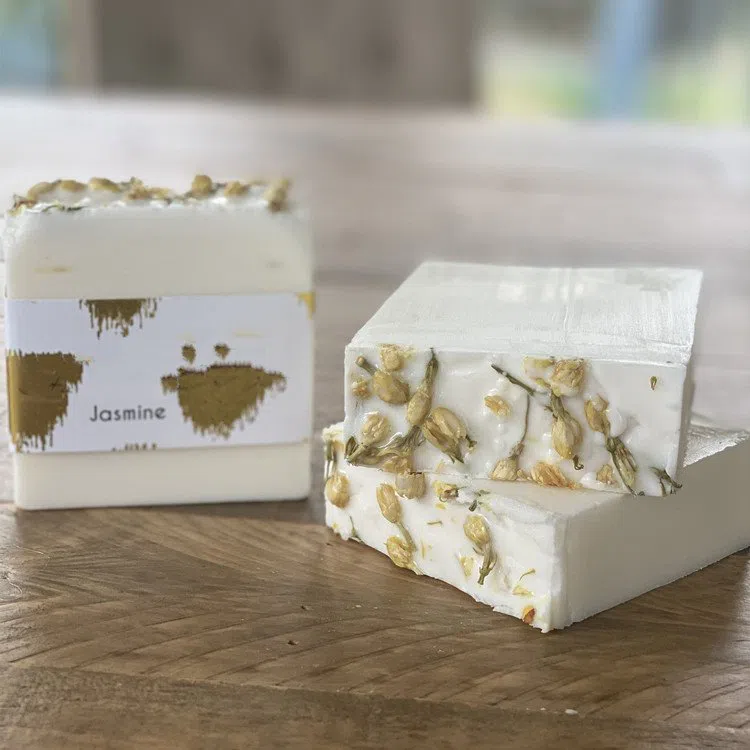

Everybody's chasing the next big thing—dropshipping random gadgets, slapping designs on print-on-demand shirts, or launching yet another digital course. But there's a quieter, genuinely profitable option hiding right under everyone's nose: handmade soap. It's something you can actually hold, it's easy to make again and again, and it taps into a consumer trend that shows no signs of fading.
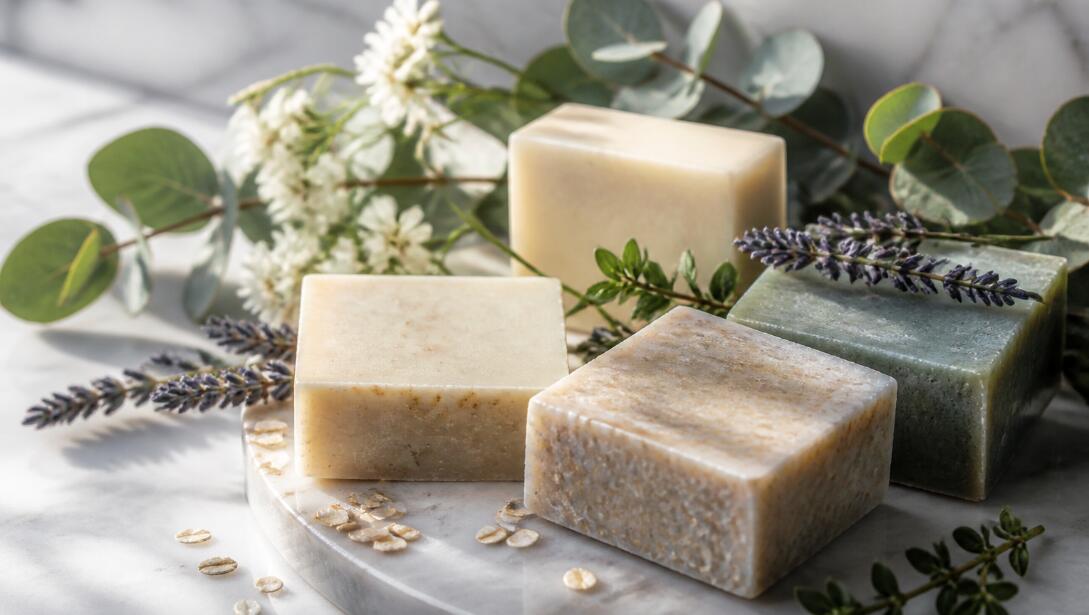
This is an opinion piece, and my position is simple: private label handmade soap is one of the most accessible, margin-friendly product businesses available to small business owners today. Let me show you why.
The Case for Handmade Soap: A Market Worth Your Attention
Soap is not a fad. It's a daily-use consumable that people repurchase indefinitely. When you combine that built-in repeat demand with the premium consumers now place on natural and artisanal goods, you get a business model with rare staying power.
The Booming Demand for Natural & Artisanal Products
Consumers have decisively shifted away from mass-produced, chemical-heavy products toward natural, sustainable, and skin-friendly alternatives. They read ingredient labels, value cruelty-free formulations, and willingly pay more for products that align with their values.
The global natural and organic personal care market continues to expand at high single-digit annual growth rates heading into 2026, with handcrafted and bar-format soaps among the fastest-moving categories. Plastic-free packaging and "clean beauty" positioning have only accelerated this momentum.
Why "Private Label" Beats Building From Scratch
Here's where most aspiring soap entrepreneurs go wrong: they try to do everything themselves. They buy equipment, learn saponification chemistry, navigate regulatory compliance, and burn months before a single bar reaches a customer.
Private label soap manufacturing eliminates those barriers. A qualified handmade soap manufacturer handles production, quality control, and formulation—while you own the brand, the customer relationship, and the profit. You focus on marketing; they focus on making.
Table: Private Label vs. DIY vs. Buying a Franchise
| Factor | Private Label | DIY Production | Franchise |
|---|---|---|---|
| Startup Cost | Low–Medium | Medium–High | High |
| Time to Market | 4–10 weeks | 6–12 months | 3–6 months |
| Scalability | High | Low | Medium |
| Brand Ownership | You own 100% | You own 100% | Restricted |
| Risk Level | Low | High | Medium–High |
The Profit Reality: Why the Margins Make Sense
Opinion aside, numbers don't lie. The economics of artisanal soap are unusually favorable for a physical product, especially compared to electronics or apparel where competition crushes margins.
Understanding Handmade Soap Business Profit Margins
A premium handmade soap bar can cost between $1.00 and $2.50 wholesale, yet retail comfortably between $6 and $14. That gap is where your business lives. Strong handmade soap business profit margins are driven by perceived value—natural ingredients, story, and packaging command premium pricing.
Table: Sample Cost & Margin Breakdown
| Price Tier | Wholesale Unit Cost | Retail Price | Gross Margin % |
|---|---|---|---|
| Entry | $1.10 | $6.00 | ~82% |
| Premium | $1.80 | $10.00 | ~82% |
| Luxury | $2.50 | $14.00 | ~82% |
Even after marketing, shipping, and platform fees, net margins in the 30–45% range are achievable—figures most retail categories can only dream of.
Low Minimum Investment, High Brand Equity
Flexible minimum order quantities mean you can test the market without gambling your savings. Instead of ordering tens of thousands of units, you start small, validate demand, then scale.
Meanwhile, every sale builds custom soap branding equity—a lasting asset. Unlike a reselling business, your brand becomes something you can grow, expand, or eventually sell.
How Private Label Manufacturing Actually Works
For first-timers, the process can feel opaque. It isn't. Once you understand the basic models, it becomes straightforward.
From Concept to Shelf: The OEM & ODM Difference
OEM (Original Equipment Manufacturing) means you bring your own formula or specifications, and the manufacturer produces it. Ideal if you have a clear, unique vision.
ODM (Original Design Manufacturing) means the manufacturer already has proven formulas and designs you can brand as your own. This is faster and lower-risk—perfect for entrepreneurs who want speed to market.
Choosing the Right Handmade Soap Manufacturer
Not all suppliers are equal. Evaluate partners against these criteria:
- Verified compliance with relevant quality standards
- Production capacity that can scale with your growth
- Proven international trade experience
- Reliable, on-time delivery
- True one-stop service from formulation to packaging
Why Manufacturing Location Matters
Sourcing from established manufacturing hubs gives you access to deep natural soap product line development capability, competitive pricing, and the scalability that home-based producers simply cannot match.
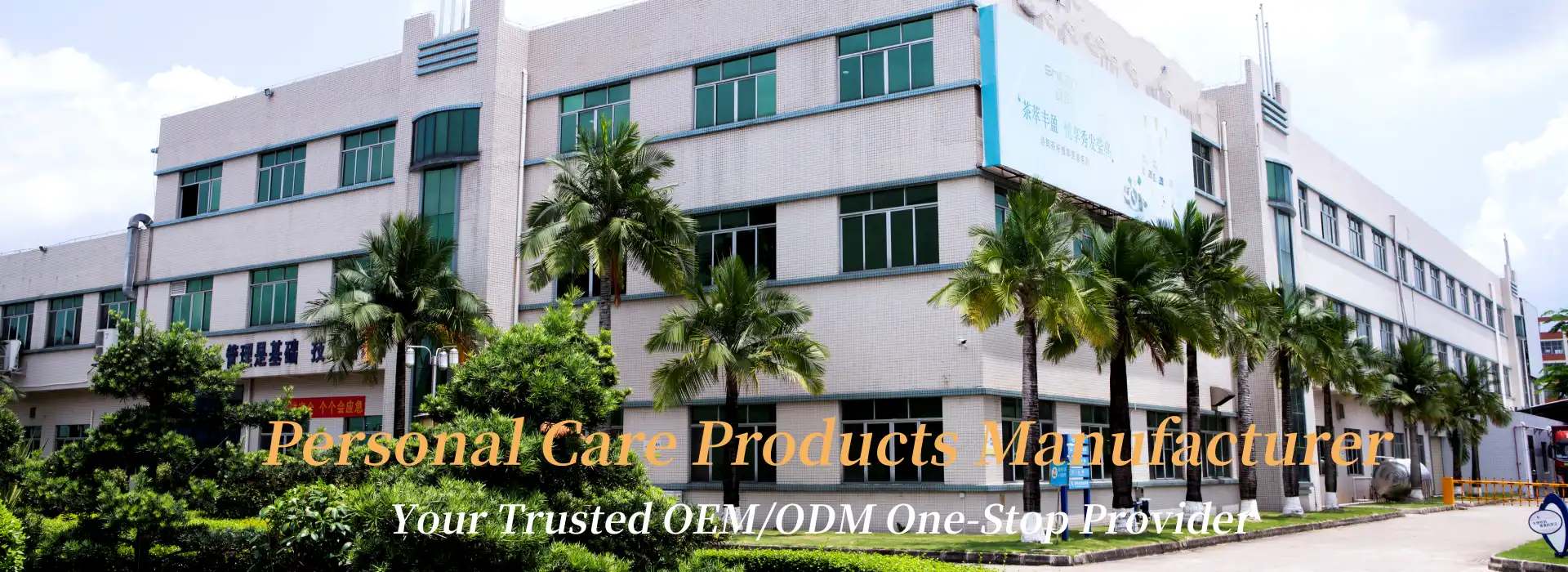
This is where Poleview Biotechnology Co., Ltd. stands out. Based in Huizhou, Guangdong, China, Poleview is a custom handmade soap manufacturer offering full OEM and ODM services. With large production capacity, strict quality compliance, competitive pricing, and flexible MOQs, they are an ideal partner for launching your own private label brand.
Building Your Brand: Custom Soap Branding Strategies
Manufacturing solves supply. Branding wins customers. This is where you, the entrepreneur, add the most value.
Finding Your Niche in a Crowded Market
Don't compete on "soap." Compete on a specific positioning angle:
- Certified organic and vegan formulations
- Luxury spa and self-care experiences
- Curated gifting and subscription boxes
- Men's grooming and beard care
- Zero-waste, eco-packaging brands
Packaging, Storytelling & White Label Cosmetics Suppliers
Packaging and storytelling justify premium prices. A compelling origin story and beautiful, sustainable packaging transform a commodity into a coveted product.
Partnering with capable white label cosmetics suppliers also lets you expand quickly into complementary lines—lotions, bath bombs, and shampoo bars—multiplying revenue from the same customer base.
Common Objections—And Why They Shouldn't Stop You
"Isn't the Market Saturated?"
Saturation is a myth that benefits the timid. The market is full of generic soap, not differentiated brands. A sharp niche, a clear story, and consistent quality cut through noise every time. There is always room for a brand that stands for something.
"Can I Trust Overseas Suppliers?"
Trust is earned through verification, not assumption. Reputable manufacturers offer free sample testing so you can evaluate quality firsthand, and they welcome factory visits. When a supplier invites you to inspect their operation in person, that's a signal of confidence—not concern.
How to Get Started in 5 Practical Steps
Step Overview Table
| Step | Action | Estimated Timeline |
|---|---|---|
| 1. Research | Analyze market, competitors, and pricing | 1–2 weeks |
| 2. Niche | Define positioning and target customer | 1 week |
| 3. Sample Testing | Request free samples and evaluate quality | 2–3 weeks |
| 4. Branding | Develop logo, packaging, and story | 2–4 weeks |
| 5. Launch | Place order and go to market | 4–6 weeks |
Frequently Asked Questions (FAQ)
What is the minimum order quantity for private label handmade soap?
MOQs vary by manufacturer, typically ranging from a few hundred to several thousand units. Many partners, including Poleview Biotechnology, offer flexible MOQs so beginners can start small and scale as demand grows.
How long does it take to develop a custom soap product line?
From sample approval to bulk delivery, expect roughly 4 to 10 weeks depending on formulation complexity, packaging, and order size. ODM projects move faster than fully custom OEM formulations.
Are private label soaps compliant with international quality standards?
Reputable manufacturers produce strictly according to relevant quality standards and provide documentation. Always confirm compliance and request testing before committing to a bulk order.
Can I request free samples before placing a bulk order?
Yes. Quality manufacturers encourage sample testing. Poleview Biotechnology welcomes inquiries for free samples so you can verify product quality before investing.
How profitable is a handmade soap business for beginners?
With gross margins commonly around 80% and net margins of 30–45% after expenses, handmade soap offers some of the strongest economics in physical retail—provided you build a differentiated brand.
Conclusion: Your Brand, Their Expertise—A Winning Partnership
The smartest entrepreneurs don't reinvent the wheel—they leverage expertise. Private label handmade soap lets you own a profitable, scalable brand while a proven manufacturer handles the complexity of production.
The demand is real, the margins are strong, and the barriers are lower than ever. The only thing missing is your decision to act.
Call to Action
Ready to launch your own soap brand? Partner with Poleview Biotechnology Co., Ltd.—your ideal private label soap manufacturing partner. Request free samples for testing, contact us for complete one-stop OEM and ODM service, or schedule an on-site visit to our factory in Huizhou, Guangdong, China. Your brand, our expertise—let's build something profitable together.