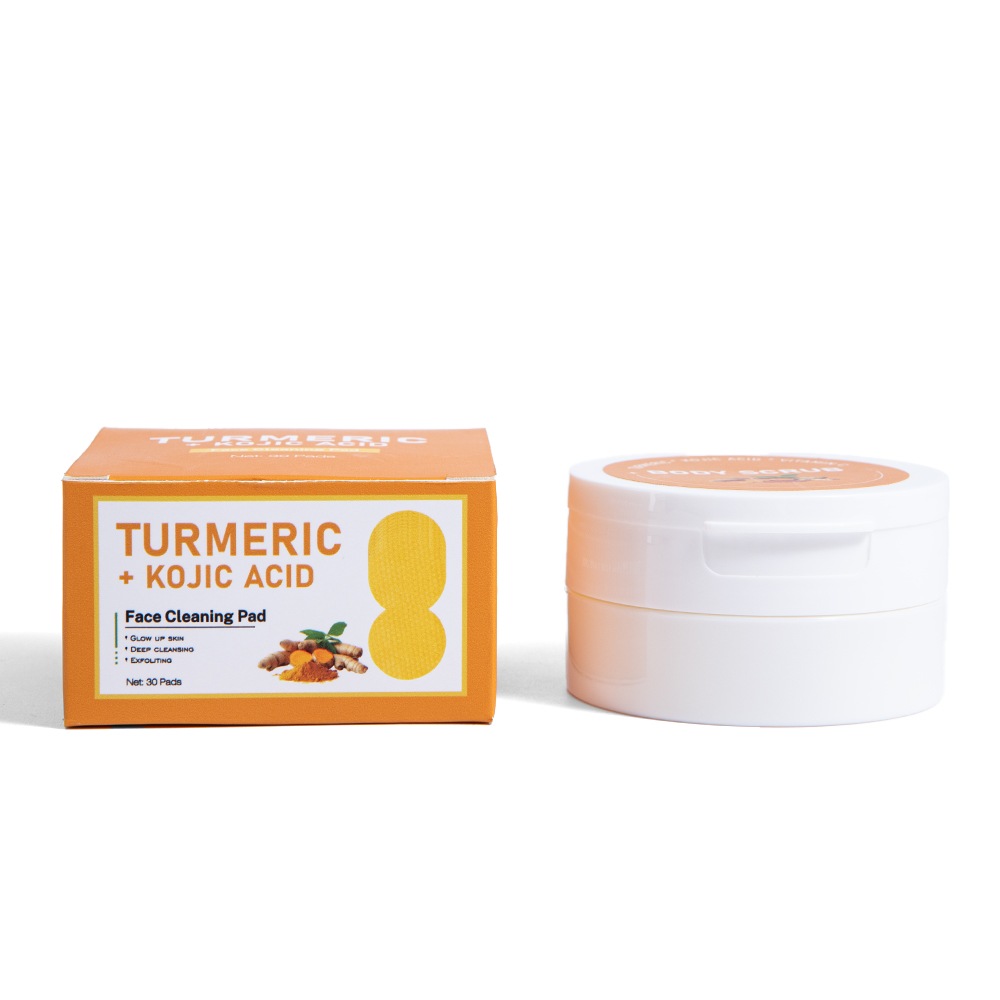
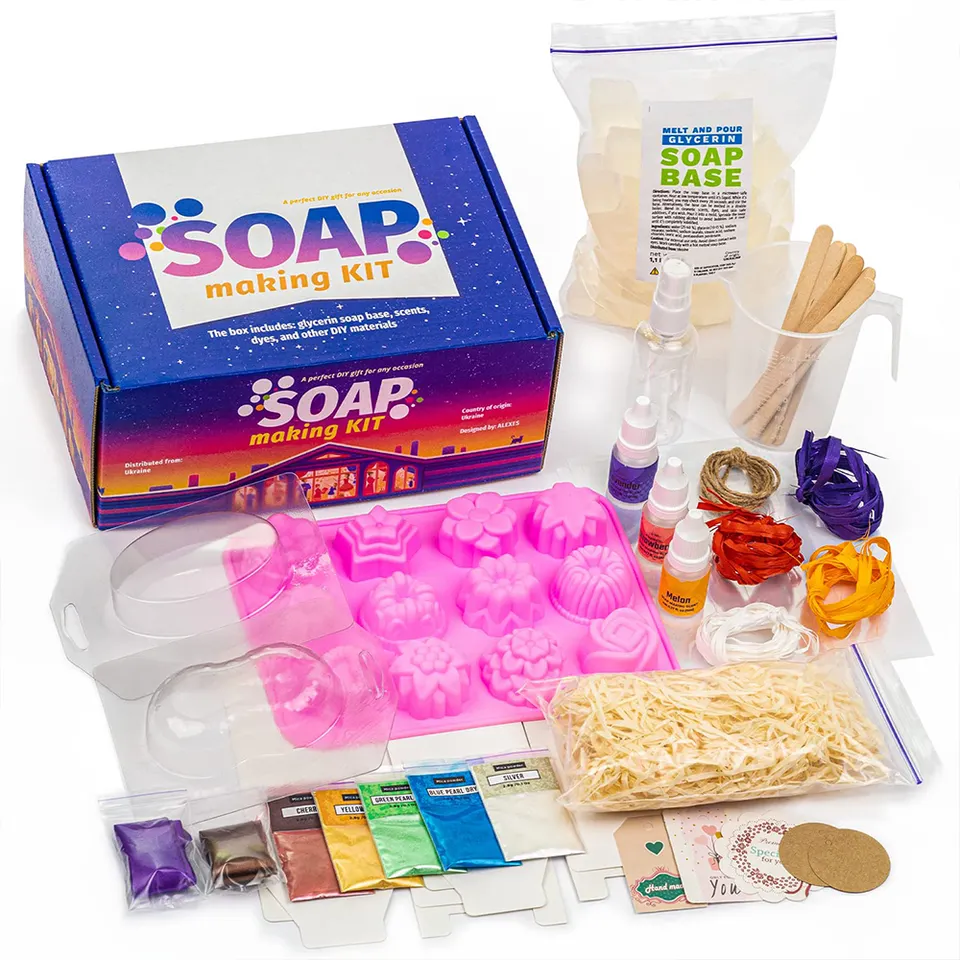
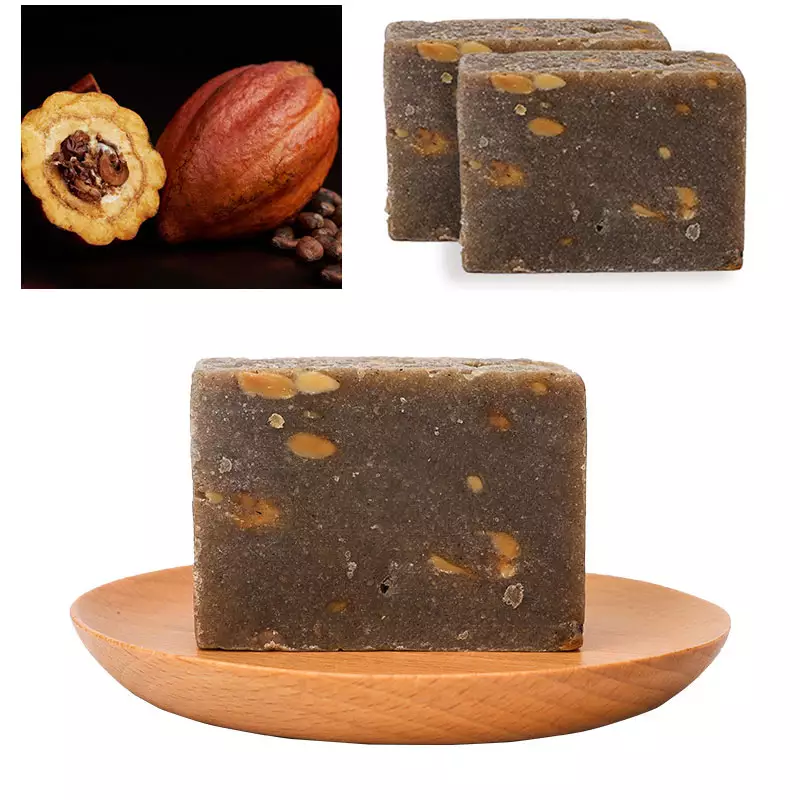
The global organic personal care industry is experiencing unprecedented momentum. For entrepreneurs and established brands alike, private label organic soap represents one of the most accessible, high-margin entry points into this booming sector. But success hinges on making the right decisions — from selecting a manufacturing partner to building a brand that commands premium pricing.
This guide delivers a strategic, end-to-end framework designed for business decision-makers ready to launch, grow, or scale an organic soap brand with confidence.
Why the Organic Soap Market Is a High-Growth Opportunity for Private Label Brands
Consumer demand for clean, sustainable personal care products has shifted from niche preference to mainstream expectation. The numbers tell a compelling story. Organic soap, in particular, benefits from low product complexity, high perceived value, and strong repeat purchase behavior — a trifecta for private label profitability.
Private label soap manufacturing allows brands to capitalize on this trajectory without the capital burden of building production infrastructure from scratch. Whether you're a DTC startup or an established retailer expanding into skincare, the market timing is favorable.
| Metric | Data Point |
|---|---|
| Global organic personal care market size (2026 est.) | $25.1 billion |
| Projected CAGR (2026–2030) | 9.4% |
| Consumer willingness to pay premium for organic | 73% |
| Top growth regions | North America, Europe, Asia-Pacific |
| Fastest-growing channel | DTC e-commerce |
Understanding Private Label vs. White Label vs. OEM/ODM — What Business Model Fits You?
Before sourcing a single bar of soap, you need clarity on which manufacturing model aligns with your brand vision, budget, and speed-to-market requirements. The terms "private label," "white label," "OEM," and "ODM" are often used interchangeably — but they represent fundamentally different business relationships.
Private Label — Your Brand, Pre-Formulated Products
In a private label arrangement, you select from a manufacturer's existing catalog of proven formulations and apply your own branding, packaging, and labeling. This model offers the fastest path to market with minimal R&D investment. It's ideal for new brands testing product-market fit before committing to custom development.
OEM (Original Equipment Manufacturing) — Custom Formulation, Your Specifications
OEM partnerships place formulation control squarely in your hands. You provide the recipe, ingredient specifications, or detailed requirements, and the manufacturer produces to your exact standards. This model suits established brands with proprietary formulas or specific performance benchmarks they need to maintain.
ODM (Original Design Manufacturing) — Manufacturer-Led Innovation
ODM is the strategic sweet spot for growth-stage brands that want expert-driven product development without maintaining an in-house R&D team. An ODM partner like Poleview Biotech Co., Ltd. handles both formulation design and production, leveraging deep ingredient expertise and market trend knowledge to create differentiated products on your behalf. This model accelerates innovation while keeping your operational overhead lean.
| Factor | Private Label | White Label | OEM | ODM |
|---|---|---|---|---|
| Formulation control | Low | None | High | Medium |
| Branding customization | Full | Limited | Full | Full |
| MOQ flexibility | Medium | Low | Varies | Varies |
| Speed to market | Fast | Fastest | Moderate | Moderate |
| Best for | New brands | Resellers | Established brands | Growth-stage brands |
How to Source a Reliable Soap Manufacturer in China
China remains the world's dominant manufacturing hub for personal care products, and for good reason. The combination of advanced production infrastructure, competitive labor costs, and mature supply chains for organic raw materials makes it the logical sourcing destination for brands seeking quality at scale.
Key Criteria for Evaluating a Soap Manufacturer
Not all manufacturers are created equal. When evaluating bulk organic soap suppliers, treat the following as non-negotiable baseline criteria:
- Certifications: GMP, ISO 22716, FDA registration, and relevant organic certifications (USDA, Ecocert)
- Production capacity: Can they scale with you from initial orders to six-figure unit volumes?
- Ingredient transparency: Full INCI disclosure, traceable raw material sourcing
- Quality control: In-house testing labs, batch-level documentation, third-party audit readiness
- Communication: Responsive, English-proficient account management with clear project timelines
Why Guangdong Province Is a Strategic Sourcing Hub
Guangdong Province — and Huizhou in particular — has emerged as one of China's premier clusters for cosmetics and personal care manufacturing. The region offers direct port access for streamlined international logistics, a dense network of raw material suppliers, and a deep talent pool of experienced production engineers.
Poleview Biotech Co., Ltd., headquartered in Huizhou, Guangdong, exemplifies the caliber of manufacturer this region produces. As a top-tier soap manufacturer in China, Poleview Biotech specializes in both OEM and ODM orders, delivering premium product quality at competitive pricing with flexible minimum order quantities designed to serve brands at every growth stage.
Red Flags to Avoid When Choosing a Supplier
Protect your brand and investment by watching for these warning signs: absence of verifiable certifications, refusal to accommodate factory audits, pricing that seems too low without transparent cost justification, inconsistent sample quality, and vague or incomplete ingredient documentation. A reputable manufacturer will welcome scrutiny — it's a sign of their confidence in their operations.
The Sample-to-Order Workflow
The typical engagement follows a structured path: initial inquiry → sample request → formulation review and adjustment → bulk order confirmation → production → quality inspection → shipment. Reputable manufacturers like Poleview Biotech streamline this workflow with dedicated account managers who guide you through each phase, minimizing miscommunication and production delays.
Crafting a Winning Custom Soap Branding Strategy
Sourcing a great product is only half the equation. Your custom soap branding strategy is the competitive moat that transforms a commodity into a premium brand consumers seek out and pay more for.
Defining Your Brand Positioning and Target Consumer
Every successful soap brand occupies a clear niche. Are you targeting the luxury organic consumer, the eco-minimalist, the clinical/dermatological buyer, or the artisanal handmade aesthetic? Your positioning decision directly informs formulation choices, packaging design, pricing architecture, and channel strategy. Align your sourcing partner with your brand identity from the start.
Packaging Design That Sells on Shelf and Screen
Packaging is your most powerful conversion tool — both in retail environments and on digital screens where DTC brands live or die. Prioritize sustainable materials that reinforce your organic positioning, design for an unboxing experience that drives social sharing, and ensure full regulatory labeling compliance for your target markets. ODM partners like Poleview Biotech often provide packaging design support as an integrated part of their service, reducing your need for external agencies.
Certifications and Claims That Build Consumer Trust
In organic personal care, trust is currency. Certifications like USDA Organic, Ecocert, cruelty-free (Leaping Bunny), and vegan verification serve as instant credibility signals. Work closely with your manufacturer to ensure every claim on your packaging is substantiated, documented, and compliant with the regulatory requirements of your target markets.
Pricing Architecture — From COGS to Retail Margin
A disciplined pricing framework ensures profitability at every stage of growth. The table below provides a benchmark cost structure for private label organic soap sold via DTC and wholesale channels.
| Cost Component | Estimated % of Retail Price |
|---|---|
| Raw materials & manufacturing (FOB) | 15–25% |
| Packaging & labeling | 8–12% |
| Shipping & duties | 5–10% |
| Marketing & customer acquisition | 20–30% |
| Gross margin target | 30–45% |
Scaling Your Handmade Soap Business — From Launch to Multi-Channel Growth
Handmade soap business scaling requires a phased approach that balances ambition with operational discipline. Rushing to scale before validating product-market fit is the most common — and most expensive — mistake in this category.
Phase 1 — Validate With a Lean Launch (Months 1–3)
Start with 3–5 SKUs, low minimum order quantities, and a single DTC channel such as Shopify, Amazon, or Etsy. This phase is about learning, not maximizing revenue. Working with a manufacturer offering flexible MOQs — such as Poleview Biotech — is critical at this stage to minimize financial risk while testing real consumer response.
Phase 2 — Optimize and Expand SKUs (Months 4–8)
Use sales data and customer feedback to refine formulations, discontinue underperformers, and introduce complementary products like body wash, lotion bars, or shampoo bars. Leverage your manufacturer's ODM capabilities for rapid product development without the overhead of in-house R&D.
Phase 3 — Scale Into Wholesale and Retail (Months 9–18)
With validated products and a growing customer base, begin approaching boutique retailers, pitching to larger chains, and launching a B2B wholesale arm. This phase demands larger order volumes, professional inventory management, and potentially 3PL partnerships to handle fulfillment at scale.
Phase 4 — International Expansion and Brand Licensing
Cross-border e-commerce opens massive growth potential, but each new market introduces regulatory complexity. A reliable soap manufacturer in China with export experience becomes invaluable at this stage, supporting multi-market distribution with compliant formulations and documentation for EU, UK, Australian, and Middle Eastern markets.
Regulatory Compliance and Certifications — A Non-Negotiable Checklist
Regulatory compliance is not optional — it's the foundation of market access and consumer trust. The table below summarizes key requirements across major markets for white label skincare products and organic soap.
| Market | Governing Body | Key Requirements |
|---|---|---|
| United States | FDA | Cosmetic labeling compliance; no pre-market approval needed (unless drug claims) |
| European Union | EU Cosmetics Regulation (EC 1223/2009) | Safety assessment, CPNP notification, Responsible Person |
| United Kingdom | UK Cosmetics Regulation (post-Brexit) | SCPN registration, UK Responsible Person |
| Australia | AICIS | Industrial chemical registration |
| Middle East (GCC) | GSO / local authorities | Halal certification often required, product registration |
Frequently Asked Questions (FAQ)
What is the typical MOQ for private label organic soap orders?
MOQs typically range from 500 to 5,000 units depending on the manufacturer, formulation complexity, and packaging requirements. Poleview Biotech Co., Ltd. offers flexible MOQs specifically designed to accommodate both startups testing the market and established brands placing volume orders.
How long does it take to go from concept to finished product with a Chinese soap manufacturer?
Expect 4–8 weeks for sampling and formulation approval, followed by 4–6 weeks for production. Total lead time from initial inquiry to shipment typically ranges from 8–14 weeks. Clear communication and an experienced manufacturing partner are essential to avoiding costly delays.
Can I create a truly custom formula, or am I limited to existing options?
This depends entirely on your chosen manufacturing model. Private label limits you to existing formulations with custom branding. OEM and ODM models enable fully custom development — from ingredient selection to performance characteristics. Full-service manufacturers like Poleview Biotech support both paths, allowing you to start with proven formulas and graduate to custom development as your brand matures.
What certifications should I look for in a soap manufacturer in China?
At minimum, require GMP compliance, ISO 22716 certification, and FDA registration for US-bound products. For organic positioning, look for manufacturers with USDA Organic or Ecocert processing certifications. These credentials are baseline indicators of manufacturing quality, process control, and regulatory compliance readiness.
How do I protect my brand's formula and intellectual property when working with an overseas manufacturer?
Execute NDA/NNN (Non-Disclosure, Non-Use, Non-Circumvention) agreements under Chinese jurisdiction before sharing any proprietary information. Include explicit formula ownership clauses in your manufacturing contract. Work with established, reputable manufacturers who have a documented track record of respecting intellectual property — this is a core reason why brands choose proven partners over unknown factories.
Is it more cost-effective to source organic soap from China compared to domestic manufacturers?
Chinese manufacturers typically deliver 30–50% savings on production costs compared to North American or European counterparts, particularly in established manufacturing hubs like Guangdong Province. However, a complete cost comparison must factor in international shipping, import duties, lead times, and minimum order commitments. For most brands, the total landed cost from China remains significantly more competitive — especially at scale.
Ready to Launch or Scale Your Organic Soap Brand? Partner With a Proven Manufacturer
Building a successful organic soap brand requires more than a great idea — it demands a manufacturing partner with the expertise, capacity, and flexibility to grow alongside you. Poleview Biotech Co., Ltd. is that partner.
Based in Huizhou, Guangdong Province, China, Poleview Biotech is a top-tier soap manufacturer specializing in OEM and ODM orders for brands worldwide. Our core advantages are clear:
- Premium product quality backed by rigorous quality control and certified production processes
- Competitive pricing that protects your margins without compromising formulation integrity
- Flexible minimum order quantities that support brands at every stage — from first launch to global distribution
- Full-service support spanning formulation development, packaging design, regulatory guidance, and logistics coordination
Whether you're launching your first private label soap line or scaling an established brand into new markets, Poleview Biotech delivers the manufacturing excellence and strategic partnership you need to succeed.
Take the next step today. Contact Poleview Biotech Co., Ltd. to discuss your project, request product samples, or explore a custom OEM/ODM partnership. Our team is ready to turn your brand vision into market-ready products — efficiently, affordably, and at the quality standard your customers expect.