
A single grated bar mixed with washing soda can clean roughly 40 loads of laundry for a fraction of what a bottle of liquid detergent costs. That's the appeal of making your own: you control the ingredients, cut the plastic packaging, and skip the synthetic fragrances and brighteners that irritate sensitive skin.
This tutorial walks you through two proven approaches — a beginner-friendly no-cook grated recipe and an advanced cold-process bar made from oils and lye. Both produce a real cleaning soap you can use for hand-washing or machine loads.
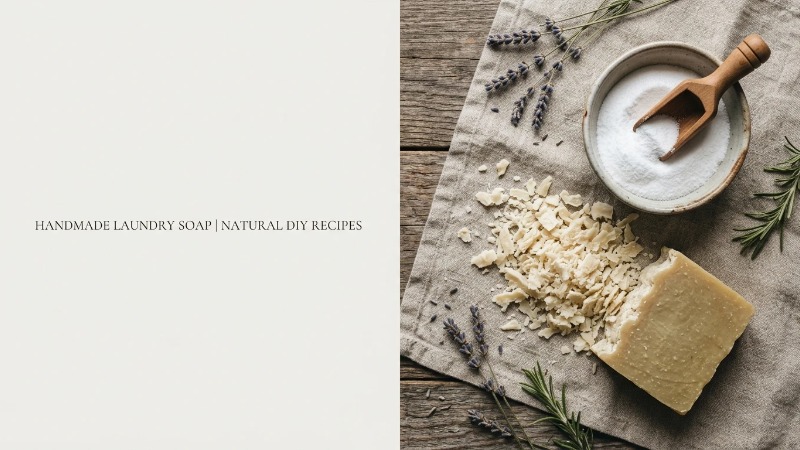
Quick Answer: What Is Handmade Laundry Soap?
Handmade laundry soap is a grated or cold-process bar formulated to clean fabrics using natural oils, an alkali (sodium hydroxide), and cleaning boosters like washing soda and borax. Unlike body soap, which is designed to be gentle and moisturizing on skin, a laundry bar leans on higher cleansing oils and mineral boosters to lift grease and grime from cloth.
It works for both hand-washing and machine loads. The key distinction: body soap prioritizes mildness, while a laundry formula prioritizes cleaning power.
Key Takeaways
- What you'll make: a natural laundry soap bar or a grated laundry powder using two methods.
- Total time: the no-cook method takes about 20 minutes; the cold-process bar needs 4–6 weeks of curing.
- Skill level: beginner for grated; intermediate-to-advanced for cold process (lye handling required).
- Cost: homemade is typically the cheapest option per load compared with store-bought liquid or "natural" bars.
- Safety: handle lye with gloves and goggles, and patch-test the finished product on skin-contact fabrics before regular use.
Why Make Your Own Laundry Soap?
Most people start for one of three reasons: to save money, to control what touches their skin, or to reduce packaging waste. A homemade laundry soap recipe delivers on all three, and once you have the routine down, a single batch stretches surprisingly far.
The Real Benefits (and Honest Limits)
The upsides are genuine. You choose every ingredient, avoid dyes and optical brighteners, and refill a jar instead of buying new plastic bottles. For anyone reacting to fragranced commercial detergents, a fragrance-free homemade batch can be a relief.
But "natural" does not mean "works in every situation." Soap-based laundry cleaners can struggle in hard water, leaving mineral residue, and they won't magically remove every stain. Set-in grease, wine, or protein stains often still need pre-treatment. Be honest with your expectations and you'll be far happier with the results.
Cost Comparison
| Option | Approx. cost per load | Ingredient control | Notes |
|---|---|---|---|
| Store-bought liquid | Highest | Low | Convenient, more packaging waste |
| Store-bought "natural" bar | Mid-to-high | Medium | Premium pricing for eco branding |
| Homemade grated soap | Lowest | High | Cheapest per load, requires some effort |
Exact prices vary by region and ingredient sourcing, but the trend is consistent across household DIY surveys: homemade grated soap almost always comes out cheapest per load, largely because washing soda and a single natural bar go a long way.
Before You Start: Outcome and Prerequisites
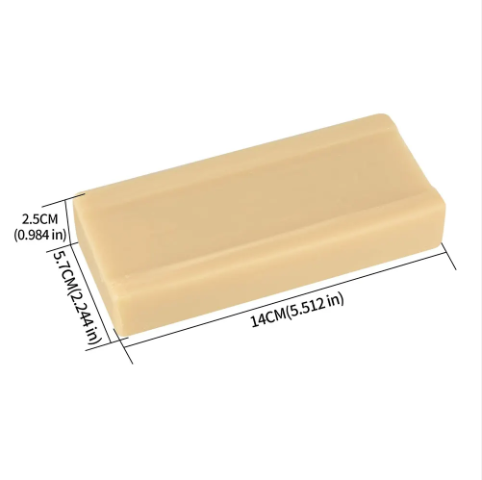
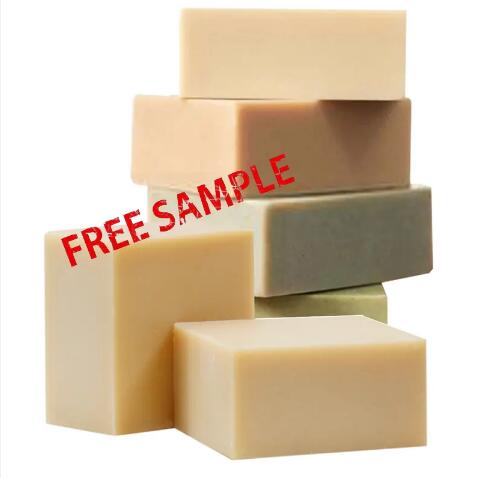
A finished batch looks like one of two things. The no-cook method produces a fluffy, slightly gritty powder you scoop by the tablespoon. The cold-process method yields firm, uniform bars you can grate as needed or use directly for spot-cleaning.
Skills and Safety Prerequisites
The cold-process route involves sodium hydroxide (lye), which is caustic and demands respect — gloves, goggles, and ventilation are non-negotiable. If that sounds intimidating, start with the no-cook grated method. It uses an already-saponified soap bar, so there's no lye handling at all, making it the safer entry point for beginners.
Water Hardness Check
Hard water is the single biggest reason homemade laundry soap disappoints. Calcium and magnesium ions react with soap to form a curd-like residue that can dull fabrics and cling to fibers. Before you commit to a recipe, test your water with an inexpensive test strip from a hardware or pool-supply store, or check your local water authority's annual quality report. If your water is hard, you'll lean more on washing soda and may need a booster — we'll return to this in troubleshooting.
Tools and Materials You'll Need
Equipment Checklist
- Digital kitchen scale (measuring by weight, not volume, is essential for cold process)
- Stick/immersion blender (cold process only)
- Heat-safe containers — stainless steel or heavy plastic, never aluminum
- Rubber gloves and safety goggles
- Silicone or lined mold
- Box grater or food processor (for the no-cook method)
- Airtight storage jar
Ingredients and Their Roles
| Ingredient | INCI / Common name | Function | Notes |
|---|---|---|---|
| Coconut oil | Cocos Nucifera Oil | Cleansing, lather | High cleansing value; the workhorse for laundry |
| Olive oil | Olea Europaea Oil | Mild, conditioning base | The classic castile laundry soap recipe option |
| Sodium hydroxide | Sodium Hydroxide | Saponification (cold process) | Caustic — handle with full protection |
| Washing soda | Sodium Carbonate | Cleaning and water-softening booster | Not the same as baking soda (sodium bicarbonate) |
| Borax | Sodium Borate | Softener and booster | Optional; keep away from children and don't inhale the dust |
A quick safety word on the two ingredients people ask about most. Lye is dangerous in its raw form but is fully converted during saponification, so a properly cured bar contains none. Borax is effective but should be handled sensibly — store it out of reach of children and pets, and avoid breathing the powder. If you'd rather skip it, washing soda alone still works.

Method 1: No-Cook Grated Laundry Soap (Beginner-Friendly)
This is the easiest way to make homemade laundry soap, and it's where most people should begin. You're combining an existing natural soap bar with mineral boosters — no chemistry, no curing, no lye.
Step-by-Step Instructions
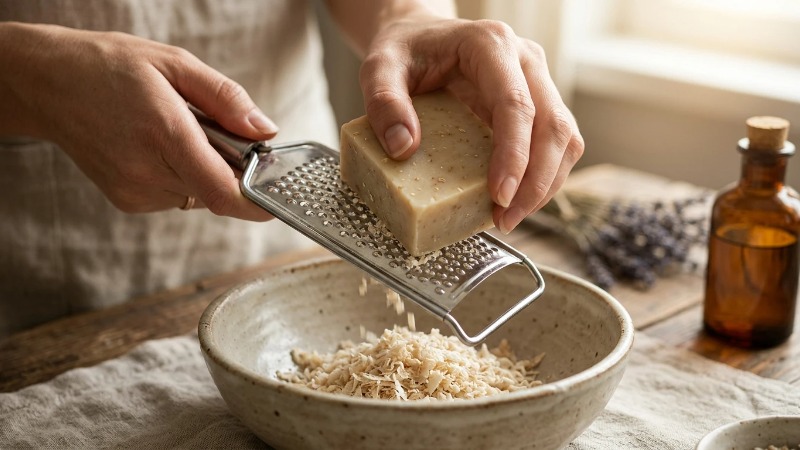
- Grate one natural soap bar. Use a plain, fragrance-free bar (a coconut-oil or castile bar works well). You want about 1 cup of fine shreds. Done when: the pile looks like grated cheese with no large chunks.
- Add 2 cups of washing soda. This is roughly a 1:2 ratio of grated soap to washing soda. Done when: the mixture is visibly more powder than shreds.
- Add 1 cup of borax (optional). Include it if your water is hard or your loads are heavily soiled; skip it for a gentler mix. Done when: all three components are in the bowl.
- Blend until uniform. Pulse in a food processor for a finer, faster-dissolving powder, or stir thoroughly by hand. Done when: the color and texture are consistent throughout.
- Store in an airtight jar. Label it and keep it dry. Done when: the lid is sealed and moisture can't get in.
How to Use It (Machine vs. Hand Wash)
For a standard machine load, use 1–2 tablespoons. For hand-washing, dissolve 1 tablespoon in warm water first, since grated soap for laundry detergent dissolves more reliably in warmer temperatures. If you have a high-efficiency (HE) machine, use the smaller amount — soap produces suds, and HE machines are built for low-suds detergents. Always add the powder to the drum or a dissolving compartment rather than pouring it directly onto dry clothes.
Method 2: Cold-Process Laundry Soap Bar (Advanced)
If you want a true laundry soap bar made from scratch, cold process gives you complete control over the oils and cleansing strength. This is more involved and requires careful lye handling.
Safety First: Working With Lye
Work in a well-ventilated area, ideally near an open window or under a range hood. Wear long sleeves, goggles, and gloves the entire time. Always add lye to water, never water to lye — the reverse can cause a violent, spattering reaction. The solution will heat rapidly and release fumes, so turn your face away while stirring. Keep a bottle of vinegar nearby for spill cleanup, and never leave lye unattended around children or pets.
Step-by-Step Cold-Process Instructions
- Measure your oils by weight and gently warm them until melted and combined. A high-coconut formula boosts cleansing for laundry use.
- Prepare the lye solution. Slowly add the sodium hydroxide to cold water (not the other way around), stir until dissolved, and let it cool. Check: both oils and lye solution should reach a similar temperature, roughly 95–110°F (35–43°C).
- Combine and reach trace. Pour the lye solution into the oils and blend with a stick blender. Done when: the mixture thickens to "trace" — drizzled soap leaves a faint trail on the surface, like thin pudding.
- Pour into the mold and smooth the top. Cover lightly and let it rest undisturbed.
- Cure. This is the step beginners rush and regret. Curing lets excess water evaporate and saponification finish, producing a harder, milder, longer-lasting bar.
Run every cold-process recipe through a trusted online lye calculator before mixing. Oil-to-lye ratios are not interchangeable, and guessing risks a lye-heavy bar that's harsh on fabric and skin.
Curing and Testing Timeline
| Stage | Timeframe | What to check |
|---|---|---|
| Unmolding | 24–48 hours | Firm enough to hold its shape and release cleanly |
| Initial cure | 1–2 weeks | Bars hardening, edges no longer soft |
| Full cure | 4–6 weeks | pH-tested and ready to use safely |
Customizing Your Recipe
For Different Skin Sensitivities
If anyone in your home has sensitive or reactive skin, keep the formula fragrance-free and dye-free. Before switching your whole wardrobe over, wash one item that sits against the skin — a t-shirt or pillowcase — and wear it for a day to check for any reaction. Be mindful of common allergens if you add botanicals or essential oils.
For Different Fabric Types
Delicates and wool respond best to hand-washing with a mild, diluted solution. Heavy workwear can handle a higher dose and a warmer wash. For baby clothes, many parents prefer a plain, unscented formula and an extra rinse cycle to minimize residue — a sensible, low-risk default rather than a medical recommendation.
Adding Natural Scent (Optional)
A few drops of essential oil per batch can add a light scent, but more is not better. Essential oils are concentrated, some are skin sensitizers, and heavy use can leave oily residue on fabric. Add sparingly, and skip scent entirely for baby laundry or sensitive skin.
Troubleshooting Common Problems
| Problem | Likely cause | Fix |
|---|---|---|
| Soap not dissolving / residue on clothes | Hard water or cold wash water | Dissolve powder in hot water first; add extra washing soda; run a warm wash or add a vinegar rinse |
| Clothes not getting clean | Under-dosing or untreated stains | Increase dosage slightly, pre-treat stains, and use warm rather than cold water |
| Soft or crumbly bars | Too little cure time or an off oil-to-lye ratio | Cure longer; recheck the recipe with a lye calculator next batch |
FAQ
Is homemade laundry soap safe for HE washing machines?
It can be, but use it sparingly. HE machines are designed for low-suds detergents, and soap naturally produces more suds. Use about half the amount you'd use in a standard machine, make sure it dissolves fully, and if you notice excess foam or residue, reduce the dose or switch to a finer powder.
Can I use it on baby clothes or sensitive skin?
Many people do, using a fragrance-free, dye-free formula and an extra rinse cycle to remove residue. Patch-test by washing one garment first and checking for any skin reaction. If irritation appears, stop use — and if it persists, consult a healthcare professional.
How long does a batch last and what's the shelf life?
Stored dry in an airtight container, a grated batch stays usable for several months. Cold-process bars actually improve with age as they continue to harden. Discard any batch that develops an off smell, discoloration, or a rancid odor, which signals the oils have gone bad.
Does it work in cold water and hard water?
Soap-based cleaners perform best in warm water and soft-to-moderate water. In hard water it can leave residue, and in cold water it dissolves poorly. Pre-dissolving the soap and adding washing soda both help; if problems persist, a water softener or a vinegar rinse can make a real difference.
What's the difference between soap and detergent for laundry?
Soap is made from natural oils and an alkali through saponification; detergent is built from synthetic surfactants. Detergents are engineered to resist hard-water residue and work in cold water, which is why they dominate commercial products. Soap is gentler and more natural but more sensitive to water conditions — the trade-off at the heart of DIY laundry soap.
Recap and Your Next Step
You now have two paths. The no-cook grated method is fast, safe, and perfect for a first try — grate a bar, mix with washing soda, done. The cold-process bar takes more skill and a full 4–6 week cure, but rewards you with a true handmade laundry soap tailored exactly to your preferences. Whichever you choose, respect the lye, test your water, and patch-test the finished result before switching over completely.
Ready for Consistent, Factory-Tested Bars?
Making soap at home is rewarding, but if you need reliable natural laundry bars at scale — or want a custom private-label formulation for retail — that's where a manufacturing partner comes in. Poleview Biotechnology Co., Ltd. produces natural, cruelty-free handmade soap with GMPC and ISO 22716–certified quality control, flexible minimum order quantities, and free design and fast prototyping. Reach out with your requirements and let our R&D team help bring your laundry soap to market.