You scrub and scrub, but that cloudy, chalky film on your shower door just won't budge. Sound familiar? Soap scum is one of the most frustrating bathroom cleaning challenges, but once you understand what it is and how to attack it, removing it becomes surprisingly straightforward.
This guide walks you through proven methods to remove soap scum from every bathroom surface — using ingredients you probably already have at home.
What Is Soap Scum (And Why Is It So Stubborn?)
Soap scum forms when the fatty acids in bar soap react with the calcium and magnesium minerals in your water. The result is a waxy, insoluble film that clings to surfaces like glue. Body oils, dirt, and dead skin cells get trapped in this film, making it even thicker over time.
If you have hard water, the problem is significantly worse. Those same minerals that create hard water stains also accelerate soap scum buildup, bonding it more aggressively to glass, tile, and fixtures.
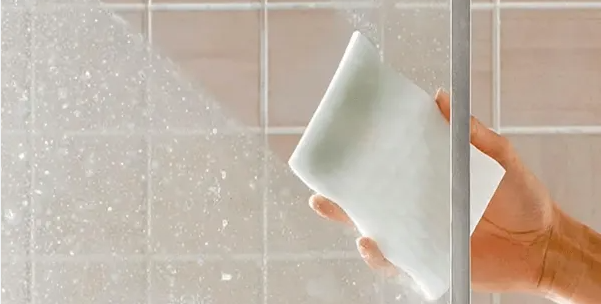
The longer soap scum sits, the harder it becomes to remove. Fresh buildup wipes away relatively easily, but old deposits essentially calcify onto surfaces — which is why regular cleaning makes such a big difference.
Best Cleaning Solutions for Soap Scum
Vinegar Cleaning Solution (DIY)
This is the go-to method for most people, and for good reason — it's cheap, effective, and safe for most surfaces.
Here's how to make it:
Heat one cup of white vinegar in the microwave until warm (about 60 seconds — not boiling).
Pour it into a spray bottle.
Add one tablespoon of dish soap (Dawn or similar grease-cutting formula works best).
Gently swirl to combine — don't shake vigorously or you'll get a foam explosion.
How to use it: Spray generously onto the soap scum, making sure the surface is fully coated. Let it sit for 15 to 30 minutes — this dwell time is critical. The acetic acid needs time to break down the mineral bonds. Then scrub with a non-scratch sponge in circular motions and rinse with warm water.
This vinegar cleaning solution works exceptionally well on glass shower door buildup and chrome fixtures.
Baking Soda Paste Method
For heavy buildup on textured surfaces, baking soda provides the gentle abrasion that vinegar alone can't deliver.
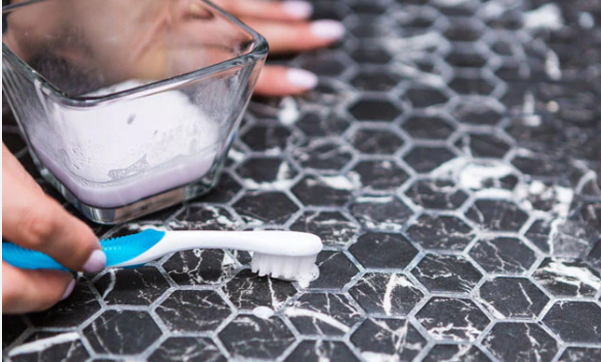
Mix three parts baking soda to one part water until you get a thick, spreadable paste. Apply it directly to the soap scum with your fingers or a sponge, working it into grout lines and textured bathroom tile. Let it sit for 10 to 15 minutes, then scrub with a stiff brush.
For extra power, spray your vinegar solution over the baking soda paste. The fizzing reaction helps lift stubborn deposits from porous surfaces.
Commercial Bathroom Tile Cleaners
Sometimes DIY methods aren't enough — especially for years-old buildup that has essentially become part of the surface. That's when a commercial bathroom tile cleaner earns its price tag.
Look for products containing chelating agents (like EDTA) on the ingredient list. These chemicals grab onto mineral deposits and pull them away from surfaces at a molecular level. Spray-on foam formulas tend to work best because they cling to vertical surfaces longer.
Commercial cleaners are also the better choice when you need speed — most work in 5 to 15 minutes with minimal scrubbing.
Comparison Table: Cleaning Methods at a Glance
| Method | Best For | Cost | Effort Level | Dwell Time |
|---|---|---|---|---|
| Vinegar + Dish Soap | Glass doors, chrome fixtures | Low | Low | 15–30 min |
| Baking Soda Paste | Tile grout, textured surfaces | Low | Medium | 10–15 min |
| Hydrogen Peroxide | Mold-prone soap scum | Low | Low | 20 min |
| Commercial Spray | Heavy/old buildup | Medium | Low | 5–15 min |
| Magic Eraser | Small spot treatment | Medium | Medium | Immediate |
How to Clean Soap Scum by Surface Type
Glass Shower Doors
Glass shower door buildup is highly visible and requires a streak-free approach. Spray your vinegar solution liberally and let it work for the full 30 minutes. Wipe with a microfiber cloth in one direction — top to bottom — rather than circular motions to avoid streaking.
For thick deposits, a plastic scraper held at a 30-degree angle can safely remove the bulk before you wipe. Finish by squeegeeing from top to bottom, overlapping each stroke slightly. This removes all residual moisture that would otherwise leave water spots.
Bathroom Tile and Grout
Ceramic and porcelain tiles handle acidic cleaners well, so vinegar is perfectly safe here. For grout lines, use a stiff-bristled brush (an old toothbrush works for small areas) and scrub along the grout line rather than across it.
Important warning: Never use vinegar or acidic cleaners on natural stone like marble, granite, or travertine. The acid etches and permanently damages these surfaces. Use a pH-neutral cleaner specifically designed for stone instead.
Bathtubs (Acrylic vs. Porcelain)
Porcelain tubs are durable and can handle most cleaners, including baking soda paste and vinegar solutions. You can scrub more aggressively without worry.
Acrylic tubs scratch easily. Avoid abrasive powders, scouring pads, and Magic Erasers (which are actually micro-abrasives). Stick to the vinegar spray method with a soft cloth. If you need more power, use a non-abrasive commercial cream cleanser.
Faucets and Fixtures
Hard water stains and soap film dull the shine on chrome and brushed nickel fixtures. Soak a cloth in warm vinegar and wrap it around the faucet for 15 minutes. The acid dissolves the mineral deposits without scratching the finish.
After removing the buildup, buff dry with a clean microfiber cloth. For brushed nickel, always wipe in the direction of the grain to maintain the finish's appearance.
Step-by-Step: Deep Cleaning Heavy Soap Scum
When soap scum has been building for months (or longer), follow this systematic approach:
Ventilate the bathroom. Open a window or turn on the exhaust fan. This matters even with natural cleaners — vinegar fumes in an enclosed space are unpleasant.
Pre-wet the surface with warm water. This softens the top layer of buildup and helps your cleaner penetrate faster.
Apply your chosen cleaning solution generously. Don't be stingy. The surface should be fully saturated, not lightly misted.
Let it dwell — don't skip this. This is where most people go wrong. Walking away for 20 to 30 minutes lets the chemistry do the heavy lifting so you don't have to.
Scrub with the appropriate tool. Use a non-scratch pad for glass, a stiff brush for grout, or a microfiber cloth for fixtures.
Rinse thoroughly with warm water. Leftover cleaning residue attracts new soap scum faster.
Dry the surface completely. This prevents immediate re-buildup from water minerals evaporating onto the clean surface.
For extremely heavy buildup, you may need to repeat this process two or three times. Each pass removes another layer.
How to Prevent Soap Scum From Coming Back
Daily Habits That Take 30 Seconds
Squeegee after every shower. This single habit eliminates 90% of soap scum problems by removing the soap-and-water mixture before it can dry and bond to surfaces.
Switch to liquid or synthetic soap. Traditional bar soap contains the fatty acids (tallowate, palmitate) that create soap scum. Body washes and synthetic soap bars produce dramatically less buildup.
Use a daily shower spray. Keep a bottle of diluted vinegar or a commercial daily cleaner in the shower. A quick spray after your last shower of the day takes seconds and prevents accumulation.
Addressing Hard Water at the Source
If you have hard water, you're fighting an uphill battle no matter how diligently you clean. A whole-house water softener removes the calcium and magnesium that cause both soap scum and hard water stains. It's an investment, but it protects plumbing, appliances, and surfaces throughout your home.
A more affordable option is a shower-head filter. These won't soften water completely, but they reduce mineral content enough to noticeably slow buildup on your glass shower doors and tiles.
Protective Coatings
After deep-cleaning your glass shower doors, consider applying a hydrophobic coating. Products like Rain-X (the automotive glass treatment) or ceramic spray coatings create an invisible barrier that causes water to bead and roll off rather than cling and dry.
These coatings typically last 2 to 4 weeks before needing reapplication, but they make daily maintenance almost effortless during that time.
What NOT to Do (Common Mistakes)
Using vinegar on natural stone. Marble, granite, and travertine are calcium-based. Acid dissolves them, causing permanent etching and dull spots.
Mixing bleach and vinegar. This combination produces chlorine gas, which is toxic. Never combine these products, even accidentally (like using one after the other without rinsing).
Dry-scrubbing with abrasive pads on glass. Without lubrication from a cleaning solution, abrasive pads create micro-scratches that make glass look permanently hazy.
Ignoring ventilation. Even "natural" cleaners like vinegar produce fumes that irritate eyes and lungs in enclosed bathrooms. Always run the fan or open a window.
FAQ
Does vinegar really remove soap scum?
Yes — the acetic acid in vinegar dissolves the calcium and magnesium salts that make soap scum stick to surfaces. Heating the vinegar slightly (warm, not boiling) increases its effectiveness by speeding up the chemical reaction. For light to moderate buildup, a vinegar cleaning solution is often all you need.
How often should I deep-clean soap scum?
Every 1 to 2 weeks for showers in regular use. However, if you adopt daily prevention habits like squeegeeing and using a daily spray, you can stretch deep cleans to once a month or even less frequently.
What's the difference between soap scum and hard water stains?
Soap scum is a waxy, opaque film created when soap reacts with hard water minerals. Hard water stains are purely mineral deposits — calcium and lime scale — without the soap component. They often appear together in bathrooms, but hard water stains look more like white, crusty spots while soap scum is a hazy, filmy coating.
Can I use bleach on soap scum?
Bleach disinfects and kills mold, but it doesn't effectively dissolve soap scum. The buildup is held together by mineral bonds that require an acidic cleaner to break apart. Use vinegar or a commercial bathroom tile cleaner for the scum itself, and save bleach for mold and mildew treatment afterward.
How do I remove soap scum from a glass shower door without scratching it?
Apply a vinegar cleaning solution and let it dwell for 20 to 30 minutes. Wipe with a soft microfiber cloth or non-scratch sponge — never steel wool or dry abrasive pads. For thick deposits, a plastic scraper held at a low angle safely removes buildup without scratching. Finish with a squeegee for a streak-free result.