Imagine a bar of soap so creamy and gentle that it feels like a skincare treatment every time you wash your hands. That's the magic of goat's milk soap. Packed with lactic acid, vitamins A and E, and natural fats, goat's milk creates a bar that cleanses without stripping your skin's moisture barrier.
The best part? You can make it yourself at home using the cold process method. It takes about two hours of active work, a handful of natural soap ingredients, and then patience — four to six weeks of soap curing time — before you're rewarded with beautiful, handcrafted bars that outperform anything on store shelves.
This guide walks you through every step, from gathering equipment to slicing your finished bars. No prior soap-making experience required.
Why Goat's Milk Soap? Key Benefits
Skin-Nourishing Properties
Goat's milk contains lactic acid, a gentle alpha-hydroxy acid that naturally exfoliates dead skin cells without irritation. This makes it especially wonderful for people with sensitive, dry, or eczema-prone skin.
The natural fat content in goat's milk adds an extra layer of moisturizing power to your soap. Combined with vitamins A and E — both known for supporting skin repair and elasticity — you get a bar that nourishes rather than dries.
The pH of goat's milk is also closer to human skin than many commercial cleansers, which means less disruption to your skin's natural protective barrier.
Advantages Over Commercial Soap
Most store-bought "soap" is actually synthetic detergent (syndet) that strips natural oils from your skin. When you make your own cold process soap recipe, you control exactly what goes in — and what stays out.
No sulfates, no artificial preservatives, no mystery chemicals. Just pure oils, milk, and whatever natural additives you choose. You can customize scents with essential oils, add exfoliants like oatmeal, or keep things completely unscented for the most sensitive skin.
Essential Equipment and Natural Soap Ingredients
Tools You'll Need
| Equipment | Purpose | Approximate Cost |
|---|---|---|
| Digital kitchen scale | Precise measurements (soap making requires weight, not volume) | $15–$25 |
| Immersion blender | Emulsifying oils and lye solution quickly | $20–$35 |
| Stainless steel pot | Non-reactive mixing vessel | $15–$30 |
| Digital thermometer | Monitoring temperatures of oils and lye | $8–$12 |
| Silicone homemade soap molds | Shaping bars (easy release, no lining needed) | $12–$20 |
| Safety goggles + rubber gloves | Protection from lye splashes | $10–$15 |
Total startup cost runs between $80 and $140, and most of this equipment lasts for years of soap making. You likely already own some of these items.
Cold Process Soap Recipe — Base Ingredients
| Ingredient | Amount | Role in the Recipe |
|---|---|---|
| Goat's milk (frozen into cubes) | 8.36 oz | Liquid base — adds creaminess and skin benefits |
| Sodium hydroxide (lye) | 3.23 oz | Saponification agent — turns oils into soap |
| Olive oil | 10 oz | Moisturizing base oil — gentle and conditioning |
| Coconut oil | 8 oz | Provides hardness and bubbly lather |
| Shea butter | 4 oz | Adds creaminess and skin conditioning |
| Essential oils (optional) | 1–1.5 oz | Natural fragrance |
Important: Always run your recipe through a lye calculator (such as SoapCalc or Bramble Berry's calculator) before starting. Even small measurement errors can result in a harsh or oily bar. Precision matters when preparing your lye solution for soap making.
Step-by-Step: Making Your Cold Process Soap Recipe
Step 1 — Prepare the Lye Solution for Soap Making
The night before, pour your goat's milk into ice cube trays and freeze solid. This is the single most important trick for goat's milk soap — frozen milk prevents the lye from scorching the sugars and turning your soap brown.
When you're ready to begin, put on your safety goggles and gloves. Place a heat-safe container on your scale and add the frozen milk cubes. Slowly sprinkle lye over the frozen milk in small increments (about a tablespoon at a time), stirring constantly with a stainless steel spoon.
Work in a well-ventilated area or near an open window. The mixture will produce fumes initially. Keep the temperature below 100°F — if it starts climbing too fast, pause and let it cool before adding more lye. The whole process should take 10–15 minutes. Your finished lye solution will look like a pale yellow or light orange liquid.
Step 2 — Melt and Measure Your Oils
While your lye solution cools, measure your solid oils (coconut oil and shea butter) into your stainless steel pot. Heat over low flame until just melted — don't overheat.
Remove from heat and add your olive oil. Stir to combine. You want this oil mixture to cool to approximately 90–100°F. Use your thermometer to check. Both your lye solution and oils should be within 10 degrees of each other before combining.
Step 3 — Combine Lye Solution and Oils
Strain your lye-milk mixture through a fine mesh strainer into the oils. This catches any undissolved particles and ensures a smooth final bar.
Now grab your immersion blender. Alternate between short bursts of blending (2–3 seconds) and stirring. You're looking for "light trace" — the point where your batter thickens to the consistency of thin pudding. When you drizzle batter across the surface, it should leave a faint trail before sinking back in.
This typically takes 2–5 minutes. Don't over-blend — goat's milk soap can thicken quickly.
Step 4 — Add Fragrance and Extras
At light trace, stir in your essential oils and any additives you'd like. Popular choices include colloidal oatmeal for extra soothing properties, raw honey for added lather, or dried lavender buds for texture.
Give a few more brief pulses with the immersion blender to incorporate everything evenly. Work quickly — the batter will continue to thicken.
Step 5 — Pour Into Homemade Soap Molds
Pour your batter into prepared silicone molds. Tap the mold firmly against your counter several times to release trapped air bubbles.
Here's a key tip specific to goat's milk soap: do not insulate your molds. Unlike other cold process recipes, goat's milk soap benefits from staying cool. Insulating causes the milk sugars to overheat, resulting in a darker color and potential cracking. Simply leave your molds uncovered at room temperature, or even place them in the refrigerator for the first 24 hours.
Step 6 — Unmold and Cut
After 24–48 hours, check your soap. It should be firm enough to hold its shape when you press gently. Goat's milk soaps often need a bit longer — up to 72 hours — so don't rush this step.
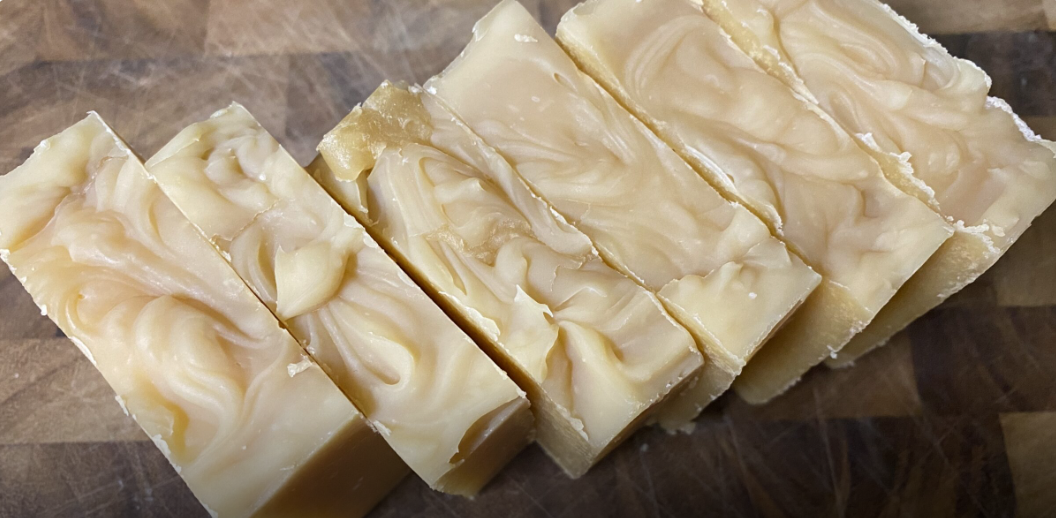
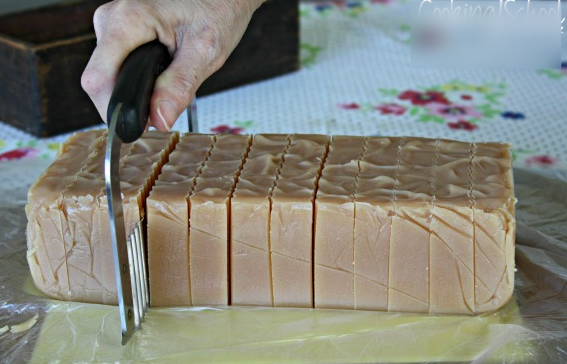
Pop the bars out of your silicone molds. If you used a loaf mold, cut into bars approximately 1 to 1.25 inches thick using a sharp, non-serrated knife. Clean cuts give the most professional-looking results.
Soap Curing Time and Storage
Why Curing Matters
Your soap is technically "soap" the moment saponification begins, but it's not ready to use yet. During the curing period, two important things happen: excess water evaporates (making a harder, longer-lasting bar) and the saponification process fully completes (making the bar milder and gentler on skin).
Skipping or shortening the soap curing time results in a soft, mushy bar that dissolves quickly and may still be slightly alkaline. Patience pays off enormously here.
Curing Conditions
| Factor | Ideal Condition |
|---|---|
| Duration | 4–6 weeks minimum |
| Temperature | 60–75°F (room temperature) |
| Airflow | Good circulation on all sides of each bar |
| Light exposure | Indirect or shaded area (direct sun fades color) |
| Spacing | 1–2 inches between bars |
A wire baking rack set on a shelf works perfectly for curing. Flip your bars once a week to ensure even drying on all sides.
Troubleshooting Common Problems
Soap Turned Dark Orange or Brown
This means the lye overheated the milk sugars during Step 1. The soap is still perfectly safe to use — it just won't be that beautiful creamy white color. Next time, freeze your milk completely solid and add lye even more slowly, keeping temperatures well below 100°F.
Soap Is Still Soft After 48 Hours
This is normal for milk-based soaps. The extra fats and sugars in goat's milk create a softer initial bar. Give it up to 72 hours before unmolding. For future batches, try adding one teaspoon of sodium lactate per pound of oils at trace — it acts as a natural hardener.
White Spots or Crumbly Texture
White chalky spots may indicate lye pockets — areas where the lye didn't fully incorporate into the oils. This happens when you don't blend thoroughly enough or when measurements are off. Always blend to a true trace (not just stirred) and weigh ingredients precisely on your digital scale.
If you suspect lye pockets, do not use the bar on skin. You can rebatch it by grating and melting with a small amount of liquid, or discard it safely.
Frequently Asked Questions
Is it safe to work with lye at home?
Yes, absolutely — with proper precautions. Wear safety goggles (not just glasses) and chemical-resistant gloves. Work in a ventilated area and keep children and pets away during the lye-mixing stage. Remember that lye is fully neutralized during saponification. Your finished soap contains zero lye. Millions of home soap makers work with sodium hydroxide safely every day.
Can I use store-bought goat's milk instead of fresh?
Absolutely. Canned, pasteurized, or ultra-pasteurized goat's milk from the grocery store works perfectly well. Some soap makers even use powdered goat's milk reconstituted with distilled water. Regardless of the source, always freeze the milk solid before adding lye to prevent scorching.
How long does goat's milk soap last once cured?
Properly cured and stored bars easily last 12 months or longer. For long-term storage, wrap bars individually in breathable paper (parchment or wax paper) and keep them in a cool, dry place. Avoid plastic wrap, which traps moisture and can cause glycerin dew on the surface.
Can I substitute the lye with something else?
No. Sodium hydroxide is chemically essential for cold process saponification — it's the ingredient that transforms oils into actual soap. There is no alternative chemical that achieves this reaction. If you want to avoid handling lye entirely, consider melt-and-pour soap bases, which use a pre-saponified base that you simply melt, customize, and pour into molds.
What's the best essential oil for goat's milk soap?
Lavender is the most popular choice — it's skin-safe, retains its scent well through saponification, and complements the creamy base beautifully. Tea tree is excellent for acne-prone skin. For an unscented option, colloidal oatmeal and raw honey add interest without fragrance. Avoid citrus essential oils above 3% usage rate, as they can irritate sensitive skin.
Do I need expensive homemade soap molds?
Not at all. While dedicated silicone soap molds give clean shapes, beginners can use silicone loaf pans from the kitchen store, lined cardboard boxes (use freezer paper as a liner), or even cleaned-out Pringles cans for perfectly round bars. As long as your mold is flexible or lined for easy release, it will work.
Final Thoughts
Making goat's milk soap at home is one of the most rewarding DIY projects you can try. The initial learning curve is gentle, the ingredients are accessible, and the results genuinely rival high-end artisan soaps that sell for $8–$12 per bar.
Start with this basic cold process soap recipe, master the fundamentals, and then experiment. Swap oils, try new essential oil blends, add natural colorants like turmeric or spirulina. Each batch teaches you something new, and before long, you'll have a signature recipe that friends and family will be begging you to share.
Your skin — and everyone on your gift list — will thank you.