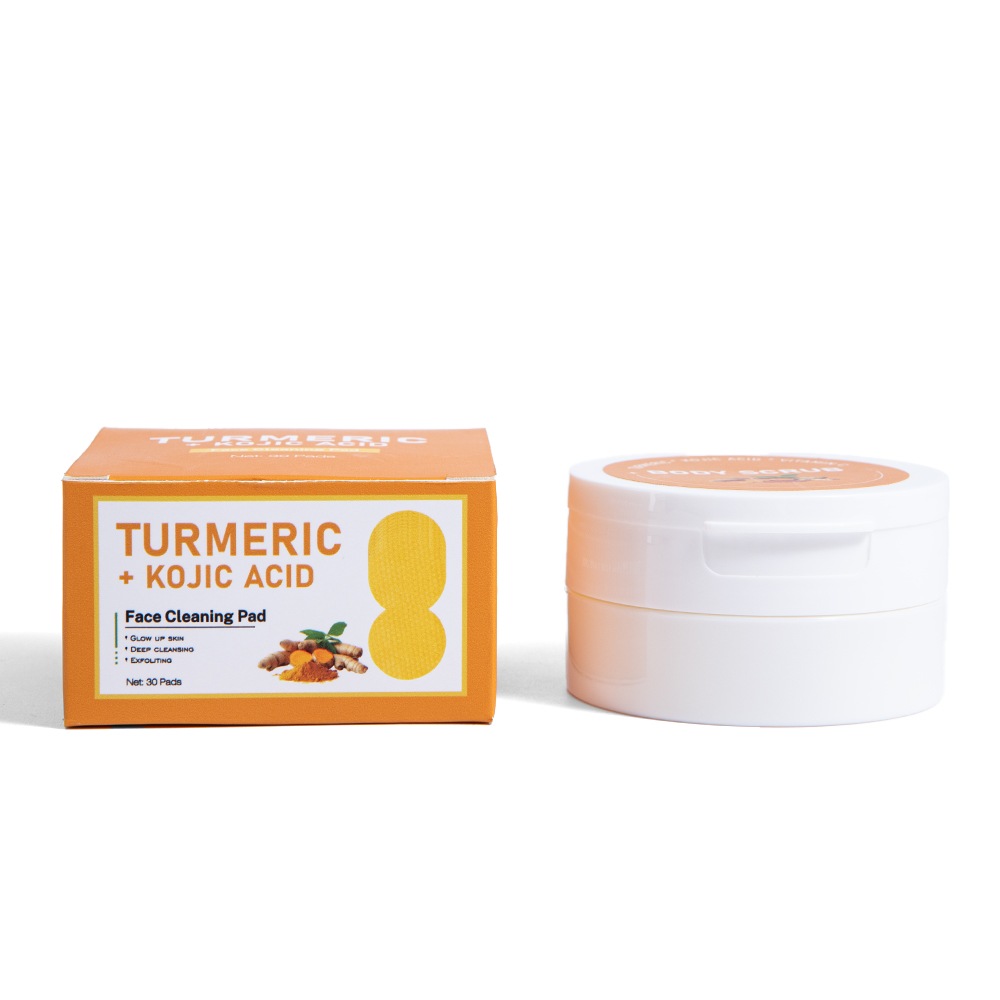
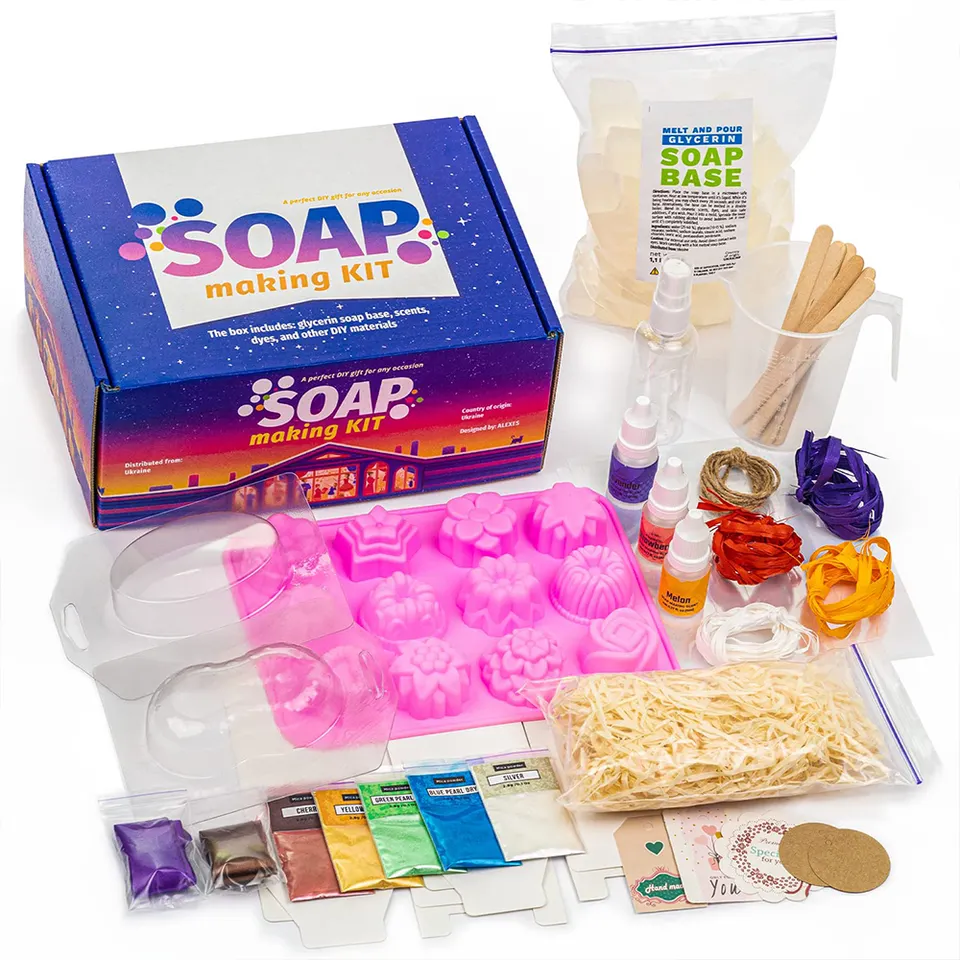
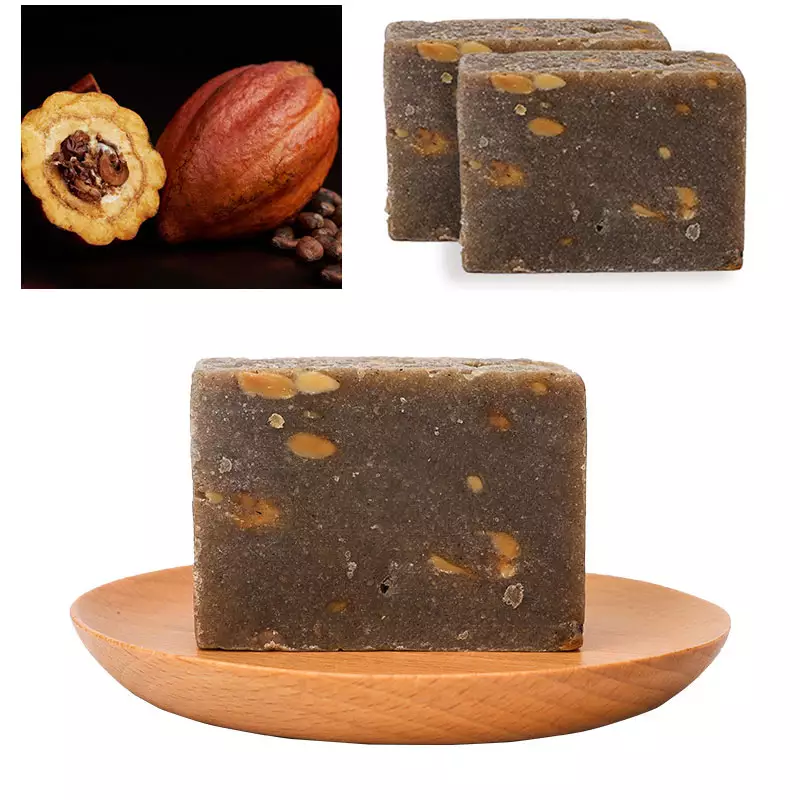
Turning a passion for soap making into a profitable venture takes more than a good recipe. You need a clear business model, reliable sourcing, the right equipment, and a production strategy that scales without eating your margins.
This guide walks entrepreneurs and small business owners through every step, from your first documented plan to full-scale manufacturing. Whether you plan to pour every bar yourself or partner with a contract factory, you will leave with a practical roadmap.
Why the Soap Business Is Worth Entering Now
Soap sits at the intersection of two durable trends: everyday consumer demand and the premium shift toward natural, wellness-focused personal care. Bars and liquids never go out of style. And shoppers increasingly pay more for clean ingredients and distinctive branding.
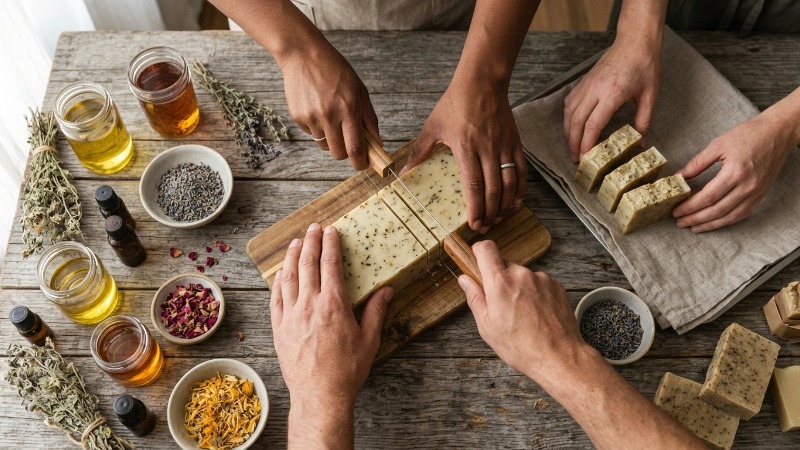
That combination creates room for new entrants. A well-positioned private-label brand can carve out margin in a category where established players often ignore niche buyers.
Market Size and Growth Signals
The global soap and personal care category keeps expanding, driven by hygiene awareness, natural product demand, and e-commerce reach. The figures below reflect widely cited industry estimates as of 2026.
| Metric | Estimated Value | Notes |
|---|---|---|
| Global soap market value (2026) | ~USD 45–48 billion | Includes bar, liquid, and specialty soaps |
| Projected CAGR (2026–2031) | ~5–6% | Natural and organic segments growing faster |
| Fastest-growing segment | Natural / handmade | Premium pricing, strong DTC potential |
| Leading sales channel growth | E-commerce | Lowers barrier to entry for new brands |
These figures are directional rather than exact, but the signal is consistent: steady demand plus a premium tailwind. That is a healthy environment for a focused newcomer.
Who This Guide Is For
This tutorial speaks to three readers in particular. First-time founders launching a brand from scratch, side-hustlers ready to scale beyond weekend batches, and SMBs planning a private-label line to add to an existing catalog.
If you fall into any of these groups, the decisions below will save you money and help you avoid common early mistakes.
Choosing Your Soap Business Model
Before you buy a single mold, decide how you will operate. Your model shapes your costs, your control over quality, and how fast you can reach customers.
Handmade vs. Batch vs. Contract Manufacturing
Each path suits a different stage and ambition. Handmade production offers maximum control and low entry cost, but it caps your output. Contract manufacturing flips that trade-off, giving you scale in exchange for higher minimums.
| Model | Startup Cost | Control | Scalability | Time to Market |
|---|---|---|---|---|
| Handmade / artisan | Low | High | Low | Fast |
| In-house batch production | Medium–High | High | Medium | Medium |
| Contract (OEM/ODM) | Low–Medium | Medium | High | Medium–Fast |
Many founders begin handmade to validate the concept, then move to a contract partner once orders exceed what their kitchen or small studio can supply.
DIY Production vs. OEM/ODM Partnership
Building in-house capacity makes sense when your volumes are modest, your recipes are proprietary, and hands-on control is central to your brand story. You own the process end to end.
An OEM or ODM partnership becomes attractive when demand outpaces your capacity, when packaging and formulation complexity rises, or when you want to launch multiple SKUs without capital-heavy equipment. The right factory absorbs the manufacturing burden so you can focus on marketing and sales.
Building Your Soap Making Business Plan
A documented plan turns a good idea into something you can fund, measure, and grow. It also forces clarity on the questions that trip up new founders.

Defining Your Niche and Product Line
Resist the urge to make everything. A tight niche is easier to market and cheaper to produce. Common positioning angles include everyday bar soap, liquid and body wash, specialty bars, certified organic, and luxury gifting lines.
Pick a lane that matches a clear customer and a price point you can defend. Your niche will drive ingredient choices, packaging, and channel strategy.
Cost Structure and Pricing
Understanding unit economics early prevents underpricing, the most common reason small soap brands stall. The table below shows a simplified breakdown for a mid-range bar.
| Cost Component | Share of Unit Cost | Notes |
|---|---|---|
| Raw materials (oils, lye, additives) | 30–40% | Bulk sourcing lowers this significantly |
| Labor | 15–25% | Drops sharply with automation or OEM |
| Packaging | 15–25% | Premium packaging raises perceived value |
| Overhead and compliance | 10–15% | Facility, testing, labeling |
| Target gross margin | 40–60% | Higher for premium and DTC brands |
Aim for a margin that survives discounting and retailer markups. If your numbers only work at full price, they do not work.
Sales Channels and Go-to-Market
Your channel mix determines packaging, pricing, and volume. Direct e-commerce protects margin and builds a customer list. Retail and wholesale unlock volume but compress your per-unit profit.
Private-label distribution, where you supply soap that another brand sells under its own name, is an underrated path to steady bulk orders. Many manufacturers, including contract partners, help you fulfil these deals.
Understanding the Soap Production Process
To manage cost and quality, you need to understand how soap is actually made. The production process varies by method and by scale, so choose the approach that fits your volume and product.
Cold Process Soap Manufacturing
Cold process soap manufacturing is the artisan standard. You combine oils with a lye solution, trigger saponification, add fragrance and color, then pour into molds.
The steps are straightforward but demand precision:
- Measure oils and lye by weight, never volume.
- Combine lye with water in a ventilated space and let it cool.
- Blend oils and lye to "trace," the point where the mixture thickens.
- Add fragrance, colorant, and any exfoliants.
- Pour into molds, insulate, and unmold after 24–48 hours.
- Cure for 4–6 weeks so water evaporates and the bar hardens.
The upside is full control and a premium, small-batch story. The downside is the long cure time, which limits how quickly you can respond to demand.
Hot Process and Melt-and-Pour Methods
Hot process uses external heat to speed up saponification, so bars are usable within days rather than weeks. The texture is more rustic, and some brands lean into that.
Melt-and-pour skips saponification entirely. You buy a pre-made soap base, melt it, add your ingredients, and pour. It's the fastest route to a finished bar and ideal for testing designs or running a low-commitment product line.
Continuous vs. Batch Production at Scale
Small-batch methods hit a ceiling. Commercial factories use continuous saponification systems that process raw materials in an unbroken flow, producing tons of soap per day with consistent quality.
Batch production still has a place for specialty and premium lines, but continuous systems win on cost per unit at volume. This is exactly where a large contract manufacturer outperforms an in-house setup.
Sourcing Soap Base Ingredients Wholesale
Ingredients are your largest variable cost, so smart sourcing protects both margin and quality. Buying soap base ingredients wholesale is where scale starts to pay off.
Core Ingredients and Additives
Most formulations draw from a consistent set of inputs. Knowing each one's role helps you evaluate suppliers and control cost.
| Ingredient | Function | Sourcing Notes |
|---|---|---|
| Base oils (olive, coconut, palm) | Structure, lather, moisture | Buy in bulk; verify sustainability certs for palm |
| Lye (sodium hydroxide) | Saponification agent | Handle with strict safety protocols |
| Fragrance / essential oils | Scent | Confirm skin-safe grades and IFRA compliance |
| Colorants (micas, oxides) | Appearance | Use cosmetic-approved pigments only |
| Additives (clays, oats, butters) | Texture and claims | Source food or cosmetic grade |
As volumes rise, negotiating directly with bulk suppliers, or letting a manufacturer put its purchasing power to work, cuts your input costs meaningfully.
Vetting Suppliers and Managing Quality
A single unreliable supplier can halt production and damage your brand. Vet suppliers on consistency, documentation, and responsiveness before you commit volume.
Use these criteria when evaluating raw material partners:
- Certificates of analysis and batch traceability for every shipment
- Consistent purity and specifications across orders
- Reasonable minimums that match your growth stage
- Backup suppliers for critical inputs to avoid single points of failure
- Transparent lead times and clear communication
Order samples and run test batches before signing any large agreement. A supplier that hesitates on documentation is a supplier to avoid.
Bulk Soap Production Equipment
Scaling from handmade to commercial output means investing in the right machinery. Matching bulk soap production equipment to your actual volume prevents both bottlenecks and wasted capital.
Essential Equipment by Production Volume
Buy for the output tier you are entering, not the one you imagine years away. The table below maps common equipment to production scale.
| Output Tier | Core Equipment | Typical Use |
|---|---|---|
| Small (artisan) | Stick blenders, silicone molds, hand cutters | Testing, low-volume DTC |
| Medium (batch) | Industrial mixers, loaf molds, wire cutters, curing racks | Growing brands, regional retail |
| Large (commercial) | Continuous saponification lines, extruders, stamping machines, automated packaging | National distribution, private label |
The jump to large-scale equipment is capital-intensive. This is often the tipping point where partnering with an established factory beats building your own line.
Facility, Safety, and Workflow Setup
Any production space needs proper ventilation for lye handling, clear separation of raw and finished goods, and a logical workflow that moves product from mixing to curing to packaging without cross-contamination.
Safety is non-negotiable. Provide protective equipment, eyewash stations, and clear protocols for handling caustic materials. A clean, well-organized facility also makes compliance audits far smoother.
Licensing, Compliance, and Labeling
Launching legally protects you from fines, recalls, and reputational damage. Requirements vary by country, so confirm the specifics for your market.
Handmade Soap Business License and Registration
Most regions require basic business registration before you sell. Beyond that, whether you need a handmade soap business license depends on how your product is classified.
Soap sold as a simple cleanser often faces lighter rules than soap making cosmetic claims like "moisturizing" or "anti-aging." Classify your product correctly from the start. That choice determines your testing and labeling obligations.
Product Safety and Labeling Requirements
Cosmetic-classified soaps typically require full ingredient disclosure, safety substantiation, and specific labeling formats. Non-cosmetic soaps have simpler requirements, but they still need accurate content and net weight information.
At minimum, your label should include the product name, ingredient list, net weight, business contact details, and any required warnings. When in doubt, over-document rather than under-document.
Leveraging China Manufacturing in the Global Soap Supply Chain
For many growing brands, the fastest route to competitive pricing and reliable volume runs through China. Its manufacturing ecosystem has become a backbone of the global soap supply chain.
China's Competitive Edge in Soap Manufacturing
Chinese soap manufacturers combine several advantages that are hard to match elsewhere. A mature supply chain means raw materials, packaging, and machinery are often available within a single industrial cluster, cutting lead times and freight cost.
Add competitive labor and energy costs, deep production capacity, and decades of export experience. The result is soap that lands in your market at a price and consistency few regions can rival. For entrepreneurs watching unit economics closely, this efficiency directly widens margins.
Guangdong province in particular hosts dense clusters of personal care factories, giving buyers access to specialized expertise, flexible order sizes, and integrated logistics. That concentration is a real strategic advantage when you are scaling a private-label line.
Trusted Soap Manufacturers China Buyers Rely On
When you evaluate soap manufacturers in China, look for a track record in your product category, transparent capacity, and genuine OEM/ODM capability. The table below highlights several well-regarded names buyers commonly consider.
| Manufacturer | Specialty | Services | Capacity |
|---|---|---|---|
| Poleview Biotechnology Co., Ltd. (Huizhou, Guangdong) | Bar, liquid, and specialty soaps | OEM, ODM, high customization | Large-scale, private-label ready |
| Guangzhou-based personal care groups | Liquid soap and body wash | OEM, contract filling | High volume |
| Established Shanghai soap producers | Traditional and export bars | OEM, bulk supply | Very high volume |
| Zhejiang natural soap makers | Organic and handmade-style | ODM, custom formulation | Medium–large |
Shortlist two or three, request samples, and compare quality, communication, and lead times before committing. A factory that responds quickly and documents thoroughly is worth prioritizing.
Why Poleview Is an Ideal Private-Label Partner
Poleview Biotechnology Co., Ltd., based in Huizhou, Guangdong, is a top professional soap OEM and ODM contract factory built for private-label brands. The company takes on both OEM and ODM orders, so you can supply your own formula or develop a new one together.
Three strengths make Poleview a strong fit for entrepreneurs and SMBs:
- High customization across formulation, fragrance, shape, and packaging, so your brand stands apart on the shelf.
- Large production capacity that scales with you, from launch runs to national distribution volumes.
- On-time delivery backed by an integrated Guangdong supply chain, keeping your inventory and cash flow predictable.
For a founder who wants factory-grade quality without the capital burden of building a line, this kind of partnership shortens the path from idea to shelf.
Frequently Asked Questions
How much does it cost to start a soap business?
A handmade launch can start for as little as USD 1,000–5,000 in equipment and materials. A serious in-house batch operation often runs USD 20,000–100,000 once you add commercial equipment, facility, and compliance. Partnering with an OEM factory can lower upfront capital while still reaching retail-ready volume, since you pay per order rather than for machinery.
Is it cheaper to manufacture soap myself or use an OEM factory?
At low volumes, making it yourself is usually cheaper because you avoid order minimums. Once monthly demand climbs into the thousands of units, an OEM factory typically wins on cost per unit thanks to bulk sourcing and automation. The crossover point depends on your product complexity, but most scaling brands find outsourcing more economical past that threshold.
How long does it take to bring a private-label soap to market?
With a contract manufacturer, expect roughly 8–16 weeks from formulation to finished product. Formulation and sampling take a few weeks. Approval and packaging design add more time, and the production run itself depends on volume. Cold process bars made in-house need an extra 4–6 week cure, which stretches the timeline further.
What certifications should a soap manufacturer have?
Look for GMP (Good Manufacturing Practice) compliance, ISO quality certifications, and any market-specific cosmetic registrations relevant to where you sell. For natural or organic positioning, confirm the appropriate ingredient and product certifications. A reputable manufacturer will share this documentation without hesitation.
Take the Next Step With Your Soap Brand
You now have the roadmap: choose your model, document your plan, master the production process, source smart, and equip for scale. The final move is turning that plan into product.
If you are ready to launch or scale a private-label line without the capital drag of building your own factory, Poleview Biotechnology Co., Ltd. is ready to help. Our Huizhou, Guangdong facility delivers high customization, large capacity, and reliable on-time delivery for OEM and ODM partners.
Request a quote or order product samples today, and let's bring your soap brand to market together.