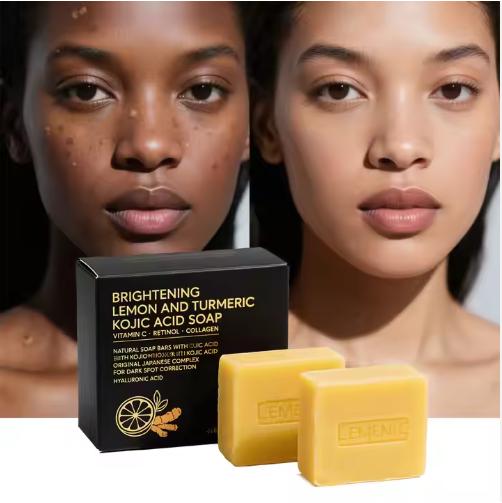

Did you know that over 90% of people over the age of 50 experience some form of hyperpigmentation, dark spots, or uneven skin tone? These common skin concerns affect millions worldwide, diminishing confidence and leading countless individuals on a search for effective, safe solutions.

Meet Sarah, a 34-year-old marketing professional who struggled with post-acne hyperpigmentation for years. After trying countless expensive creams and treatments with minimal results, she discovered kojic acid soap—and within 12 weeks, her skin transformed from noticeably dark-spotted to remarkably even-toned. Her story isn't unique; thousands have experienced similar dramatic improvements using this natural, science-backed ingredient.
This comprehensive guide reveals everything you need to know about kojic acid soap before and after results. You'll discover the realistic timeline for visible changes, understand the science behind how it works, see actual case studies with documented transformations, and learn exactly how to use this powerful ingredient for maximum effectiveness. Whether you're dealing with melasma, age spots, acne scars, or simply want brighter, more radiant skin, this evidence-based analysis will set proper expectations and guide you toward genuine results.
We'll explore week-by-week transformation timelines, compare quality factors that dramatically impact your results, examine real user testimonials, and provide expert recommendations for optimizing your skin brightening journey. By the end of this guide, you'll have a complete roadmap for achieving the clear, even-toned complexion you've been seeking.
What is Kojic Acid Soap? Understanding the Science
The Active Ingredient Explained
Kojic acid is a naturally derived compound produced during the fermentation process of certain fungi, particularly Aspergillus oryzae, commonly used in Japanese sake production. This organic acid has gained worldwide recognition for its remarkable skin-lightening properties and safety profile when used appropriately.
At the molecular level, kojic acid works by chelating copper ions, which are essential cofactors for the tyrosinase enzyme responsible for melanin production in skin cells. The chemical formula C6H6O4 represents a relatively simple structure, but its effects on hyperpigmentation are profound and well-documented in dermatological research.
Quality kojic acid soaps typically contain concentrations ranging from 1% to 4% kojic acid, with 2-3% being the most common and effective range for consistent use. Lower concentrations may require longer treatment periods, while higher concentrations increase the risk of irritation without proportionally better results.
The FDA recognizes kojic acid as a cosmetic ingredient, and it has an excellent safety profile compared to other skin-lightening agents like hydroquinone. While not classified as a drug, kojic acid has been extensively studied and used for decades in Asia, Europe, and increasingly in North American markets.
Mechanism of Action on Skin
The primary mechanism by which kojic acid lightens skin involves the inhibition of tyrosinase, the rate-limiting enzyme in melanin biosynthesis. When tyrosinase activity is reduced, the conversion of the amino acid tyrosine to melanin decreases, resulting in less pigment production in melanocytes.
This process occurs at the cellular level within the basal layer of the epidermis, where melanocytes reside and produce melanin pigments. Unlike harsh bleaching agents that damage skin, kojic acid gently interferes with the biochemical pathway of pigment formation without destroying cells or causing permanent changes to skin structure.
It's important to understand the difference between surface-level and deep skin treatment. Kojic acid soap primarily addresses epidermal hyperpigmentation—dark spots, sun damage, and post-inflammatory hyperpigmentation that exist in the outer layers of skin. Dermal pigmentation, which sits deeper in the skin (such as some types of melasma), may require longer treatment periods or combination approaches for optimal results.
Most users begin to notice initial changes within 2-3 weeks of consistent use, though these early results are often subtle. The skin may appear slightly brighter and smoother as gentle exfoliation occurs. Significant visible lightening of dark spots typically becomes apparent between weeks 4-8, with optimal results achieved after 12-16 weeks of regular application.
Before and After: Real Results Timeline
Week-by-Week Transformation Guide
Understanding the realistic timeline for kojic acid soap results is crucial for maintaining motivation and proper expectations. The transformation doesn't happen overnight, but with consistent use, the changes are progressive and cumulative.
| Timeframe | Visible Changes | Skin Condition | What to Expect |
|---|---|---|---|
| Week 1-2 | Minimal visible change | Slight dryness possible | Skin adjustment period, gentle exfoliation begins, possible initial purging for acne-prone skin |
| Week 3-4 | Light spots begin fading | Smoother texture | 10-15% reduction in dark spot intensity, improved skin clarity, more refined pores |
| Week 5-8 | Noticeable brightening | More even tone | 25-40% improvement in hyperpigmentation, friends may comment on skin glow |
| Week 9-12 | Significant improvement | Radiant complexion | 50-70% reduction in melasma and dark spots, dramatic transformation visible in photos |
| 3-6 Months | Optimal results | Maintained brightness | 70-85% improvement with consistent use, long-term benefits stabilize, maintenance phase begins |
This timeline represents average expectations based on clinical observations and user reports. Individual results vary significantly based on factors including skin type, severity of hyperpigmentation, product quality, consistency of use, and proper sun protection practices.
During the first two weeks, many users worry they've wasted their money because visible changes are minimal. However, important processes are occurring beneath the skin's surface—melanin production is being inhibited, and cellular turnover is beginning to accelerate. Patience during this foundational period is essential.
Different Skin Concerns: Before and After Results
Hyperpigmentation Treatment
Post-inflammatory hyperpigmentation (PIH) from acne, injuries, or skin inflammation responds particularly well to kojic acid soap treatment. Users typically describe their "before" state as having scattered dark marks across their face or body, creating an uneven, spotted appearance that makeup struggles to conceal.
The typical improvement percentage for PIH ranges from 60-80% after 12 weeks of consistent use, with some lighter spots fading completely while deeper, older marks show significant but not total clearing. Best practices include applying the soap directly to affected areas for 2-3 minutes, using daily with religious sun protection, and combining with vitamin C serum for synergistic effects.
Photos documenting PIH improvement often show a progression from distinctly dark, well-defined spots to faded, barely noticeable marks that blend much better with the surrounding skin tone. The contrast between affected and unaffected skin diminishes progressively, creating a more uniform complexion.
Dark Spot Removal
Acne scars that have left behind pigmentation (not indented scars, which require different treatments) typically show visible fading within 4-6 weeks. The timeline varies based on how long the spots have been present—recent marks (less than 6 months old) fade faster than older, more established pigmentation.
Age spots and solar lentigines, those flat brown spots that appear on sun-exposed areas like hands, face, and chest, respond well to kojic acid treatment. Users report 40-70% lightening of age spots after 12-16 weeks, with smaller, lighter spots sometimes disappearing entirely while larger, darker ones become noticeably less prominent.
Sun damage reversal potential is significant but requires commitment. Years of UV exposure cannot be completely undone, but kojic acid soap can substantially improve the appearance of sun-damaged skin, reducing the "leathery" appearance and evening out mottled pigmentation patterns that develop over time.
Melasma Before After
Melasma presents unique challenges because it's often hormonally triggered and can involve both epidermal and dermal pigmentation. Realistic expectations for melasma treatment with kojic acid soap alone involve 30-60% improvement—significant but rarely complete clearing.
Hormonal pigmentation, particularly pregnancy-related melasma (chloasma), may partially fade after hormonal fluctuations normalize, with kojic acid soap accelerating and enhancing this natural improvement. However, melasma triggered by birth control pills or hormone replacement therapy often persists and requires ongoing management.
Combination treatment recommendations for stubborn melasma include using kojic acid soap as the foundation, adding tranexamic acid supplements (under medical supervision), incorporating niacinamide serums, and considering professional treatments like chemical peels or laser therapy for resistant cases. The soap provides daily maintenance that prevents worsening and gradually improves the condition.
Skin Brightening Transformation
Beyond targeting specific dark spots, many users employ kojic acid soap for overall complexion improvement and radiance enhancement. The before state often describes dull, tired-looking skin with uneven tone, while the after state reveals a noticeably brighter, more luminous appearance.
Skin tone evening results manifest as a reduction in the contrast between different facial areas—for example, a darker forehead or upper lip area gradually matching the lighter cheek tone. This creates a more harmonious, balanced complexion that appears naturally radiant.
The radiance enhancement effect comes from multiple factors: gentle exfoliation removing dead skin cells, reduced melanin creating a lighter baseline tone, and improved skin texture reflecting light more evenly. Users frequently report that they need less foundation and concealer, and their skin appears healthier and more youthful overall.
Factors That Influence Your Results
Individual Variables
Skin type plays a crucial role in how quickly and dramatically you'll see results with kojic acid soap. Oily skin types often experience faster initial results because increased cell turnover and sebum production help distribute the active ingredients more effectively, though they may also experience more initial purging.
Dry and mature skin types typically see slower but steady improvement, requiring extra attention to moisturization to prevent excessive dryness or flaking. Combination skin may show uneven results initially, with oily zones improving faster than dry areas, eventually balancing out with consistent use.
The severity of hyperpigmentation directly impacts the timeline and degree of improvement possible. Light, recent pigmentation (less than 6 months old) may fade 70-90%, while deep, long-standing hyperpigmentation (years old) may only improve 40-60% even with optimal treatment.
Age and skin regeneration capacity influence results significantly. Younger skin (under 35) with faster cellular turnover tends to respond more quickly to kojic acid treatment, showing visible changes 2-3 weeks earlier than mature skin with slower regeneration rates.
Genetic factors in melanin production determine your skin's baseline tendency to produce pigment. Those with Fitzpatrick skin types IV-VI (darker skin tones) naturally produce more melanin and may require longer treatment periods, though results are equally achievable with patience and consistency.
Usage Factors
Application frequency and consistency represent the single most important factor determining your results. Using kojic acid soap sporadically—a few times one week, then skipping the next—will produce minimal results compared to daily or near-daily consistent application over 12+ weeks.
Proper technique for maximum absorption involves creating a rich lather, applying it to dampened skin, and allowing it to remain in contact with the skin for 2-3 minutes before rinsing. This contact time allows the kojic acid to penetrate the stratum corneum and reach active melanocytes in the basal layer.
Your complementary skincare routine dramatically impacts results. Following kojic acid soap cleansing with hydrating toners, antioxidant serums (particularly vitamin C), and quality moisturizers creates an optimal environment for skin healing and regeneration.
Sun protection importance cannot be overstated—it's the difference between achieving results and wasting your time entirely. SPF 30 as an absolute minimum (SPF 50+ recommended) must be applied daily, even on cloudy days, and reapplied every 2 hours during sun exposure. Without this protection, UV rays will trigger new melanin production faster than kojic acid can inhibit it.
Product Quality Matters
Not all kojic acid soaps are created equal, and the quality of the product you choose will have a profound impact on the results you achieve. Understanding the factors that distinguish premium products from inferior ones empowers you to make informed purchasing decisions.
| Quality Factor | High-Quality Kojic Soap | Low-Quality Kojic Soap | Impact on Results |
|---|---|---|---|
| Kojic Acid Concentration | 2-4% pharmaceutical grade | Less than 1% or unknown | 3x faster results with quality product, consistent effectiveness |
| pH Balance | 5.5-7.0 (skin-friendly) | 8.0+ (too alkaline) | Prevents irritation and dryness, maintains skin barrier integrity |
| Additional Ingredients | Glycerin, vitamin C, natural oils | Harsh detergents, fillers | Enhanced moisturizing and synergistic lightening effects |
| Manufacturing Standards | GMP certified, quality tested | Unregulated production | Safety and consistency guaranteed, predictable results |
| Shelf Stability | 18-24 months | 6-12 months | Maintains potency throughout use, no oxidation degradation |
| Color Stability | Remains white/cream colored | Turns brown/orange quickly | Indicates active ingredient preservation, visual quality assurance |
Pharmaceutical-grade kojic acid sourced from reputable suppliers ensures that the concentration listed on the label accurately reflects what's in the product. Low-quality manufacturers may use degraded kojic acid or insufficient quantities to cut costs, resulting in products that simply don't work despite looking similar.
The pH balance of kojic acid soap affects both comfort and efficacy. Skin's natural pH is around 5.5 (slightly acidic), and products formulated within the 5.5-7.0 range work with your skin's natural chemistry rather than against it, preventing the tight, stripped feeling that damages the moisture barrier.
Real User Testimonials and Case Studies
Case Study 1: Acne Scar Hyperpigmentation
Jennifer, a 28-year-old teacher from California, struggled with post-acne hyperpigmentation for over three years following a severe breakout in her mid-twenties. Her initial condition included approximately 15-20 dark brown marks scattered across both cheeks, chin, and forehead, creating a spotted appearance that she described as making her look "perpetually dirty" even after cleansing.
Jennifer followed a strict 12-week protocol that included using kojic acid soap every evening, followed by a niacinamide serum, hyaluronic acid moisturizer, and diligent SPF 50 sunscreen application every morning with reapplication at midday. She took weekly photos in consistent lighting to track her progress objectively.
Her before and after results were remarkable: after 12 weeks, approximately 80% of her dark spots had faded to barely noticeable shadows, with smaller marks disappearing entirely. Her skin tone appeared approximately two shades brighter overall, and the texture became noticeably smoother with reduced pore appearance.
Key success factors in Jennifer's case included absolute consistency (she didn't miss a single day), fanatical sun protection including wearing a wide-brimmed hat outdoors, avoiding picking or touching her face, and maintaining excellent hydration both topically and through drinking 2-3 liters of water daily.
Case Study 2: Melasma Treatment
Maria, a 42-year-old entrepreneur, developed melasma during her second pregnancy eight years prior and had struggled with the stubborn pigmentation ever since. Her condition presented as bilateral dark patches across her cheeks and forehead in the classic "butterfly pattern," rated as moderate-to-severe in intensity.
Understanding that melasma rarely responds to single-ingredient approaches, Maria combined kojic acid soap (used twice daily) with oral tranexamic acid prescribed by her dermatologist, a vitamin C serum in the morning, and monthly professional chemical peels containing glycolic acid. She maintained this comprehensive protocol for six months.
The timeline of improvements showed modest changes in the first month (approximately 15% lightening), more noticeable improvement by month three (40% reduction), and significant transformation by month six (65% overall improvement). While her melasma didn't completely disappear, the dramatic reduction made it easily concealable with light makeup.
Maria's long-term maintenance strategy involves continuing kojic acid soap use 3-4 times weekly, maintaining strict sun avoidance and SPF 50+ protection, quarterly chemical peels, and vitamin C serum application daily. She accepts that melasma requires ongoing management rather than a one-time cure, and she's thrilled with her maintained results.
Case Study 3: General Skin Brightening
David, a 35-year-old fitness instructor, didn't have specific dark spots but wanted to address overall dullness and uneven tone resulting from years of outdoor sports without adequate sun protection. His starting skin tone showed significant sun damage with a leathery texture, visible redness, and a generally tired, aged appearance beyond his years.
David's daily routine incorporated kojic acid soap every morning after his workout shower, followed by a vitamin E moisturizer and SPF 45 sunscreen. He used the soap on his face, neck, chest, and the backs of his hands—all areas showing visible sun damage.
His transformation results after 16 weeks were impressive: his overall skin tone appeared approximately 1.5 shades lighter and significantly more even, the leathery texture softened considerably, and multiple people commented that he looked "refreshed" and "well-rested" without knowing he'd changed his skincare routine.
Unexpected additional benefits included reduction in the appearance of fine lines around his eyes (likely due to improved hydration and cell turnover), decreased frequency of breakouts, and improved beard growth pattern with fewer ingrown hairs in areas where he applied the soap before shaving.
How to Use Kojic Acid Soap for Best Results
Step-by-Step Application Guide
Step 1: Pre-cleanse Preparation - Begin by removing makeup, sunscreen, or surface oils with a gentle micellar water or cleansing oil if needed. Splash your face with lukewarm water (not hot, which can cause irritation and dryness) to open pores slightly and prepare skin for treatment.
Step 2: Proper Lathering Technique - Wet the kojic acid soap bar and rub it between your hands to create a rich, creamy lather. Alternatively, you can use a soft facial brush or konjac sponge to generate more foam. The lather should be substantial—thin, watery foam indicates you need more product or agitation.
Step 3: Application Duration - Apply the lather to your face, neck, and other treatment areas using gentle circular motions. The recommended contact time is 2-3 minutes—set a timer initially to avoid rushing. This crucial period allows the kojic acid to penetrate effectively without over-exposure that might cause irritation.
Step 4: Targeted Treatment for Dark Spots - For specific dark spots or areas of concern, you can gently press the lathered soap directly against the area for 30-60 seconds, ensuring concentrated exposure to the active ingredient. Avoid aggressive rubbing, which can cause inflammation and potentially worsen hyperpigmentation.
Step 5: Rinsing and Post-Cleanse Care - Rinse thoroughly with cool to lukewarm water, ensuring no soap residue remains (which can cause dryness or irritation). Pat skin dry gently with a clean towel—never rub vigorously. Immediately follow with a hydrating toner or essence, then serum and moisturizer while skin is still slightly damp to lock in hydration.
Optimal Usage Schedule
Frequency recommendations vary by skin type, but most users achieve best results with once-daily application initially. For those with normal to oily skin, daily use is generally well-tolerated and produces results within the standard 8-12 week timeframe. Sensitive or dry skin types should start with alternate-day application (3-4 times weekly), gradually increasing frequency as tolerance builds.
The morning versus evening application debate has merit on both sides. Evening application allows the kojic acid to work overnight during the skin's natural repair cycle, without immediate sun exposure risk. Morning application, however, can be followed by antioxidant serums and sunscreen that work synergistically with kojic acid throughout the day.
Most dermatologists recommend evening use as optimal, particularly for beginners. This timing minimizes photosensitivity concerns and allows you to follow with richer, more occlusive moisturizers that might be too heavy for daytime wear.
The skin sensitivity adjustment period typically lasts 1-2 weeks, during which you might experience mild tightness, slight flaking, or temporary redness. This is normal and usually subsides as your skin acclimates. If irritation persists beyond two weeks or becomes severe, reduce frequency or discontinue use temporarily.
When to take breaks depends on your results and skin response. After achieving desired results (typically 12-16 weeks), many users transition to a maintenance schedule of 2-3 times weekly rather than daily use. Some practitioners recommend taking a one-week break every 8-12 weeks to allow skin to reset, though this isn't universally necessary.
Do's and Don'ts
DO: Patch Test Before Full Application - Apply the soap to a small area on your inner forearm or behind your ear for 2-3 consecutive days before using on your face. This simple precaution can prevent widespread adverse reactions in those with sensitivities.
DO: Use Sunscreen Religiously - Apply SPF 50+ broad-spectrum sunscreen every single morning, even on cloudy days, even when staying indoors (UVA rays penetrate windows). Reapply every two hours during sun exposure. This is absolutely non-negotiable—without sun protection, kojic acid treatment is entirely futile and may even worsen pigmentation.
DO: Moisturize After Each Use - Kojic acid can be drying, so following each application with a quality moisturizer appropriate for your skin type prevents barrier damage and supports healing. Look for ingredients like ceramides, hyaluronic acid, glycerin, and niacinamide that complement kojic acid's effects.
DO: Stay Consistent for Minimum 8-12 Weeks - Mark your calendar and commit to the full timeline before judging results. Inconsistent use produces inconsistent results—the cumulative effect of daily application is what creates transformation.
DON'T: Over-Exfoliate or Combine with Harsh Acids Initially - Avoid using strong chemical exfoliants (AHAs, BHAs, retinoids) during the first 2-3 weeks of kojic acid soap use. Once your skin adjusts, you can carefully introduce complementary actives, but starting with multiple aggressive treatments simultaneously often leads to severe irritation and damaged moisture barriers.
DON'T: Skip Sun Protection - This bears repeating because it's the most common mistake. Every time you go outside without sunscreen while using kojic acid, you're taking two steps backward for every step forward. UV exposure triggers melanin production that completely counteracts your treatment efforts.
DON'T: Expect Overnight Miracles - Skin transformation is a gradual process. Anyone promising dramatic results in days is misleading you. Trust the science, follow the protocol, and give your skin the 8-12 weeks it needs to show significant improvement.
DON'T: Use on Broken or Inflamed Skin - If you have active acne with open lesions, eczema flares, or any broken skin, avoid applying kojic acid soap to these areas until they've healed. The acid can cause stinging and potentially worsen inflammation, leading to more post-inflammatory hyperpigmentation.
Maximizing Your Before and After Results
Complementary Skincare Ingredients
Vitamin C serum creates powerful synergy with kojic acid because both ingredients inhibit tyrosinase through different mechanisms, producing an additive effect. Apply a stable L-ascorbic acid serum (10-20% concentration) in the morning after cleansing, followed by moisturizer and sunscreen. This combination can accelerate results by 30-40% compared to kojic acid alone.
Niacinamide (vitamin B3) offers multiple benefits when combined with kojic acid treatment: it reduces inflammation, strengthens the skin barrier, regulates sebum production, and provides additional melanin-inhibiting effects. A 5-10% niacinamide serum applied morning or evening complements kojic acid beautifully without causing irritation for most users.
Hyaluronic acid for hydration is essential because kojic acid can be drying, and well-hydrated skin shows faster healing and better overall results. A hyaluronic acid serum applied to damp skin before moisturizer helps maintain optimal hydration levels, preventing the flaking and tightness that can accompany active treatment.
Alpha arbutin for enhanced lightening works through similar tyrosinase-inhibiting mechanisms as kojic acid but with an even gentler profile. Products containing 2% alpha arbutin alongside kojic acid soap treatment can boost brightening effects while actually reducing irritation risk—a win-win combination for sensitive skin types.
Lifestyle Factors
Diet and hydration impact skin health more profoundly than many realize. Consuming adequate antioxidants through colorful fruits and vegetables, maintaining proper hydration (at least 2 liters of water daily), and reducing inflammatory foods (excess sugar, processed foods) supports skin healing and enhances the effectiveness of topical treatments like kojic acid.
Sleep quality and skin regeneration are intimately connected—the skin's repair processes peak during deep sleep phases. Aiming for 7-9 hours of quality sleep nightly optimizes cellular turnover, collagen production, and the skin's ability to respond to kojic acid treatment. Users who prioritize sleep consistently report faster, more dramatic results.
Stress management affects skin through cortisol and inflammatory pathways that can trigger melanin production and worsen conditions like melasma. Incorporating stress-reduction practices—meditation, exercise, adequate rest—creates an internal environment more conducive to skin transformation.
Exercise and circulation benefits extend to skin health by increasing blood flow that delivers nutrients and oxygen to skin cells while removing waste products. Regular moderate exercise (30-45 minutes, 4-5 times weekly) supports the skin's natural regeneration processes and can accelerate visible improvements from kojic acid treatment.
Professional Treatments to Consider
Chemical peels compatibility with kojic acid soap is excellent when properly timed. After using kojic acid soap for 4-6 weeks to prepare the skin, adding monthly glycolic acid or lactic acid peels (performed by a licensed professional) can significantly accelerate results, particularly for stubborn pigmentation. Ensure your practitioner knows you're using kojic acid to adjust peel strength appropriately.
Microdermabrasion timing should be carefully coordinated with kojic acid use. The mechanical exfoliation can be beneficial but shouldn't be performed during the first 3-4 weeks of kojic acid treatment when skin is adjusting. After the initial period, monthly microdermabrasion sessions can enhance penetration and results.
Laser treatment combinations represent advanced options for resistant hyperpigmentation. Many dermatologists use kojic acid soap as pre-treatment for 6-8 weeks before laser sessions and as post-treatment maintenance to prevent pigmentation recurrence. Common laser options include Q-switched Nd:YAG for melasma and fractional CO2 for overall skin rejuvenation.
Dermatologist consultation recommendations apply particularly to those with severe pigmentation, melasma, or skin conditions like vitiligo. A professional evaluation ensures you're using the appropriate treatment strength and can identify cases where kojic acid alone won't suffice, requiring prescription-strength alternatives or combination therapies.
Potential Side Effects and How to Manage Them
Common Reactions
Mild dryness and flaking during the first 2 weeks is completely normal and expected as kojic acid accelerates cellular turnover. This resembles the initial adjustment period with retinoids—dead skin cells shed more rapidly, creating temporary flakiness. Manage this by applying a rich moisturizer immediately after cleansing and considering a hydrating facial oil for extra dry patches.
Temporary redness immediately after application affects some users, particularly those with sensitive or rosacea-prone skin. This flushing typically subsides within 20-30 minutes and diminishes as skin builds tolerance. If redness persists for hours or worsens over time, reduce application frequency or concentration.
Sensitivity to sun exposure increases significantly during kojic acid treatment because the ingredient makes skin more photosensitive while actively working to reduce protective melanin. This is why strict sun protection is absolutely essential—without it, you risk severe sunburn and paradoxical darkening of the very pigmentation you're trying to treat.
Contact dermatitis in rare cases presents as itching, burning, or rash-like reactions. True allergic contact dermatitis to kojic acid is uncommon (affecting less than 2% of users), but if you experience persistent itching, raised bumps, or spreading redness, discontinue use immediately and consult a dermatologist.
When to Stop Use
Severe irritation warning signs include intense burning that doesn't subside, widespread redness lasting more than 2 hours, peeling beyond normal flaking, or oozing/weeping skin. These symptoms indicate your skin cannot tolerate kojic acid at the current frequency or concentration—stop immediately.
Allergic reaction symptoms differ from normal adjustment reactions in their intensity and spread. Watch for hives, facial swelling (particularly around eyes or lips), difficulty breathing, or systemic reactions. These require immediate medical attention and permanent discontinuation of kojic acid products.
Persistent adverse effects that don't improve after reducing frequency—such as ongoing stinging, continuous dryness despite heavy moisturization, or worsening skin texture—indicate kojic acid may not be suitable for your skin. Some individuals simply don't tolerate the ingredient well.
Alternative options to consider include gentler brightening ingredients like alpha arbutin, licorice root extract, tranexamic acid, or niacinamide. These provide melanin-inhibiting effects with even lower irritation potential than kojic acid, though often with a slower timeline to visible results.
Safe Usage for Different Skin Types
| Skin Type | Starting Frequency | Special Considerations | Expected Timeline | Precautions |
|---|---|---|---|---|
| Oily/Acne-Prone | Daily use possible | May experience purging initially as congestion clears | Faster results (6-8 weeks) | Watch for over-drying that triggers rebound oil production |