
This step-by-step guide will walk you through everything you need to know — from ingredients and safety to methods and professional tips.
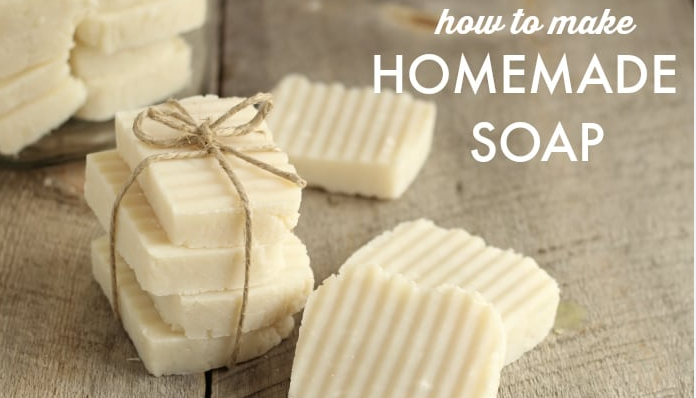
Why Make Natural Soap at Home?
Natural soap offers several advantages over mass-produced soap:
No harsh chemicals or synthetic detergents
Gentle on sensitive skin
Customizable scents, colors, and ingredients
Eco-friendly and sustainable
Cost-effective over time
Making your own soap also gives you full control over what touches your skin.
What Is Natural Soap?
Natural soap is typically made from plant-based oils, lye (sodium hydroxide), and natural additives such as essential oils and botanicals.
Unlike commercial soaps, natural soap:
Is free from sulfates and synthetic fragrances
Retains natural glycerin
Supports skin barrier health
The two most common methods are cold process soap and melt-and-pour soap.
Safety First: What You Should Know Before Making Soap
Soap making involves lye, which is caustic before it reacts with oils. Safety is essential.
Basic safety rules:
Always wear gloves and goggles
Work in a well-ventilated area
Never add water to lye (always add lye to water)
Keep children and pets away
Once soap is fully cured, no lye remains in the final product.
Natural Ingredients for Homemade Soap
Base Oils
Olive oil (gentle and moisturizing)
Coconut oil (cleansing and bubbly lather)
Shea butter (nourishing and creamy)
Essential Oils
Lavender
Tea tree
Eucalyptus
Rosemary
Natural Colorants
Turmeric (yellow)
Activated charcoal (black)
Spirulina (green)
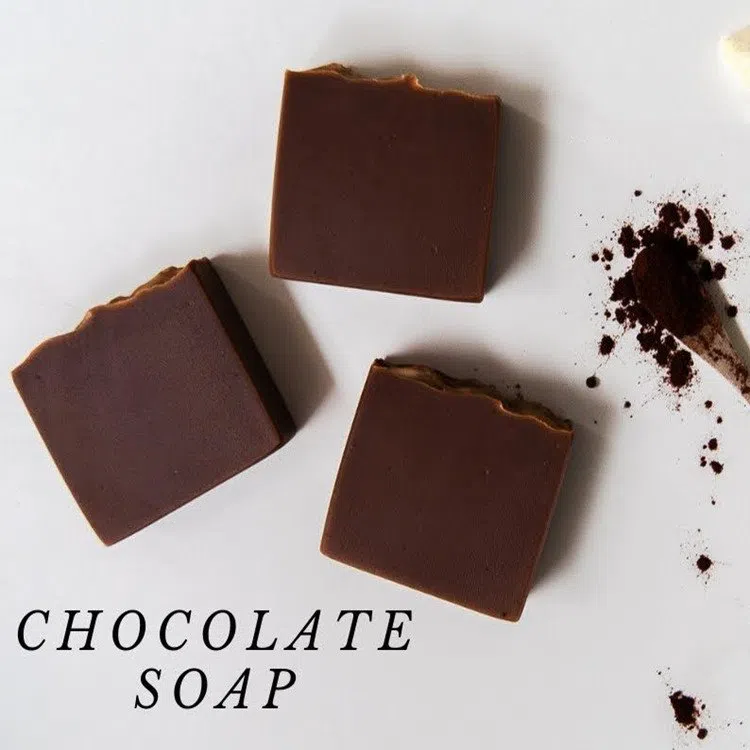
Cocoa powder (brown)
Herbs & Botanicals
Dried flowers
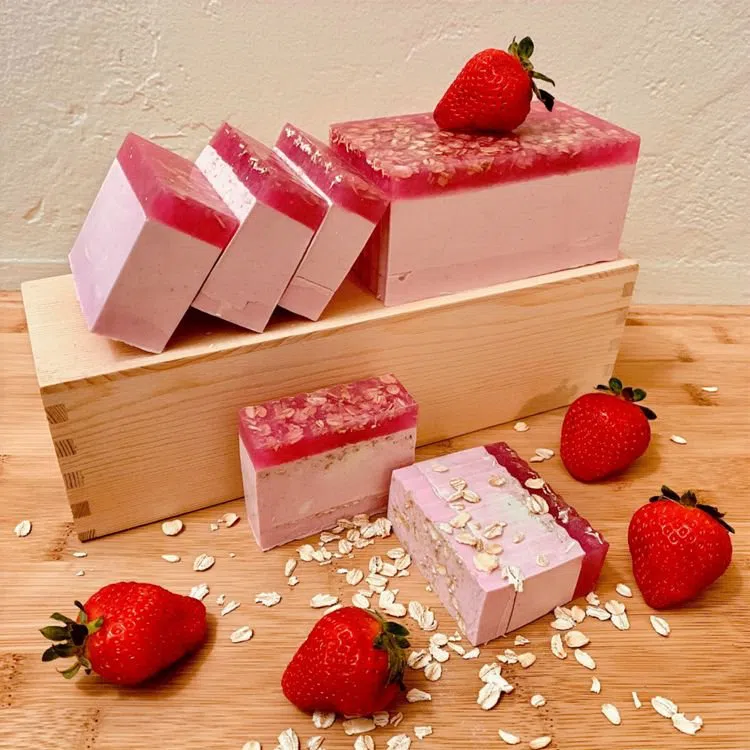
Oatmeal
Calendula
Green tea leaves
Tools You Need to Make Soap at Home
Digital scale
Heat-resistant containers
Stick blender
Silicone molds
Thermometer
Protective gloves & goggles
How to Make Soap at Home (Step-by-Step)
Step 1: Prepare Ingredients
Measure oils, lye, and water accurately using a digital scale.
Step 2: Mix Lye Solution
Slowly add lye to water and stir until dissolved. Let it cool.
Step 3: Melt Oils
Gently melt solid oils and combine with liquid oils.
Step 4: Blend to Trace
Slowly pour lye solution into oils and blend until “trace” forms.
Step 5: Add Natural Extras
Mix in essential oils, colorants, and botanicals.
Step 6: Pour into Mold
Transfer the mixture into molds and smooth the top.
Step 7: Cure the Soap
Let the soap harden for 24–48 hours, then cure for 4–6 weeks.
Cold Process vs Melt-and-Pour: Which Is Better for Beginners?
| Method | Cold Process | Melt & Pour |
|---|---|---|
| Difficulty | Medium | Easy |
| Safety | Requires lye | No lye handling |
| Customization | High | Moderate |
| Cure time | 4–6 weeks | Ready immediately |
Beginners often start with melt-and-pour before advancing to cold process.
Tips for Making High-Quality Natural Soap
Use accurate measurements
Balance hard and soft oils
Don’t overuse essential oils
Allow full curing time
Store in a cool, dry place
Common Soap Making Mistakes to Avoid
Incorrect lye ratio
Overheating oils
Adding fragrance too early
Skipping cure time
Using non-cosmetic additives
DIY Soap vs Factory-Made Natural Soap
DIY soap is perfect for personal use or small batches. However, commercial natural soap requires:
Formula stability
Preservative systems
Consistent quality
Regulatory compliance
That’s why many brands work with professional manufacturers.
How Poleview Biotechnology Helps Brands Create Natural Soap
Poleview Biotechnology Co., Ltd. is a professional OEM & ODM personal care manufacturer specializing in natural soap and body care products.
Poleview offers:
Custom natural soap formulations
Clean beauty & plant-based ingredients
Low minimum order quantities
Private label and packaging support
Compliance with US & EU cosmetic standards
This allows brands to scale from DIY ideas to market-ready products efficiently.
Final Thoughts
Learning how to make soap at home with natural ingredients is both empowering and educational. Whether you’re crafting for personal use or exploring product ideas, understanding the basics is the first step toward success.
FAQ
1. Is homemade natural soap safe to use on skin?
Yes. When made correctly and fully cured, natural soap is safe, gentle, and free from harsh chemicals commonly found in commercial soaps.
2. Can I make soap at home without using lye?
Traditional soap requires lye, but beginners can use melt-and-pour soap bases, which are pre-made and do not require handling lye directly.
3. How long does natural soap need to cure?
Cold process soap typically needs 4–6 weeks to fully cure, allowing excess moisture to evaporate and ensuring a mild, long-lasting bar.
4. What oils are best for making natural soap?
Olive oil, coconut oil, shea butter, and sweet almond oil are popular choices because they create balanced lather, cleansing, and moisturizing effects.
5. Why is my homemade soap too soft or oily?
This usually happens due to incorrect oil-to-lye ratios, insufficient curing time, or using too many soft oils in the formula.
6. Can I sell natural soap that I make at home?
Yes, but selling soap requires proper formulation, labeling, and compliance with cosmetic regulations. Many brands scale by working with OEM manufacturers.