Buyer Intent Overview: What Customers Want From a Turmeric and Kojic Acid Soap Supplier
Common goals (brand owners and sourcing teams)
- Launch or scale brightening bars fast with reliable repeatability.
- Secure compliant documentation for marketplaces and import checks.
- Reduce returns caused by odor changes, soft bars, or color shifts.
Typical use cases
- Brightening positioning, uneven tone, dark spots, body bars.
- High-demand searches: kojic acid soap supplier for dark spots, glow bars, “brightening cleansing” SKUs.
Key supplier expectations
- Safety, stability, compliance, consistent performance across batches.
- Fast sampling and clear QC acceptance standards (golden sample).
What Is Turmeric and Kojic Acid Soap?
Turmeric in soap
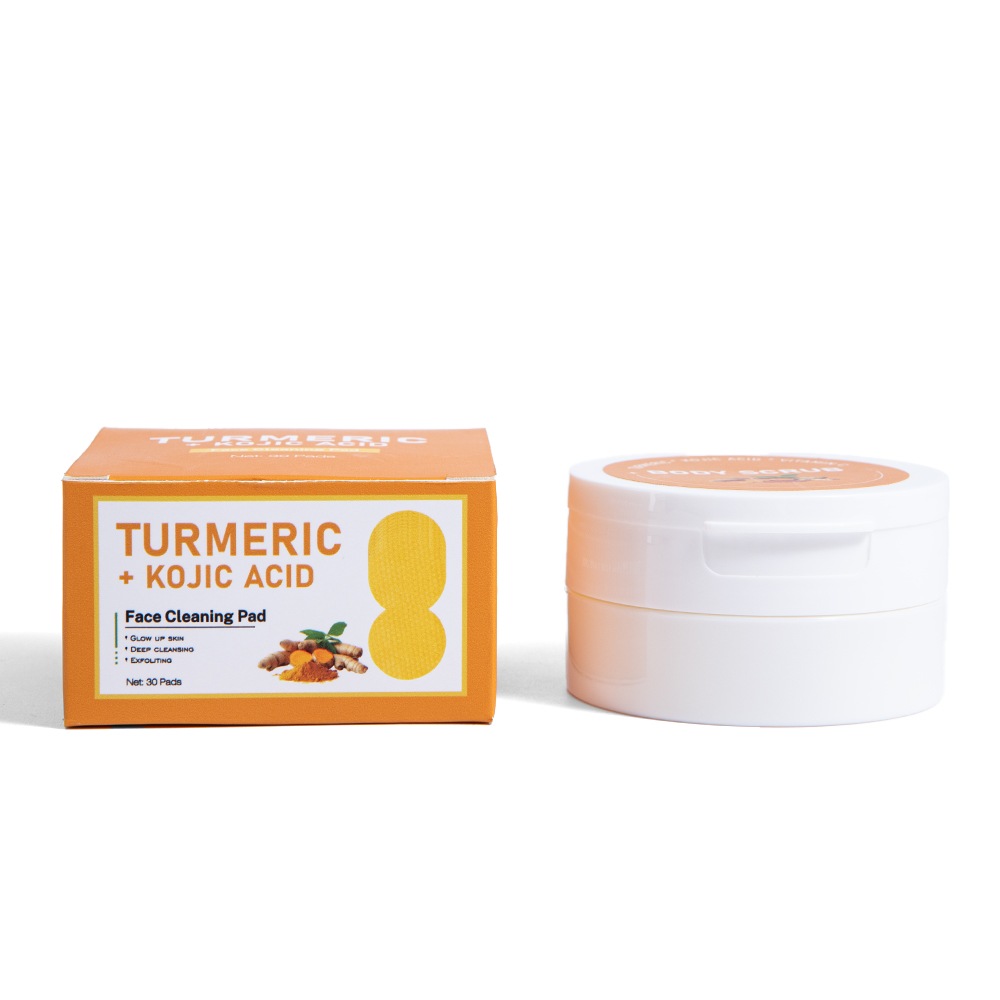
Turmeric is often used for “natural-inspired” glow positioning and a recognizable color story. Buyers should confirm extract grade, staining risk, and how the supplier manages scent and color consistency.
Kojic acid in soap
Kojic acid supports brightening-oriented product positioning but can be formulation-sensitive (heat/oxidation/discoloration). A capable turmeric kojic acid soap manufacturer should explain how they protect actives during processing and storage.
Why the combination sells
The “glow/brightening” trend keeps this combo among popular SKUs for private label and export-ready body bars—especially in wholesale turmeric kojic acid soap procurement.
Product formats buyers search for
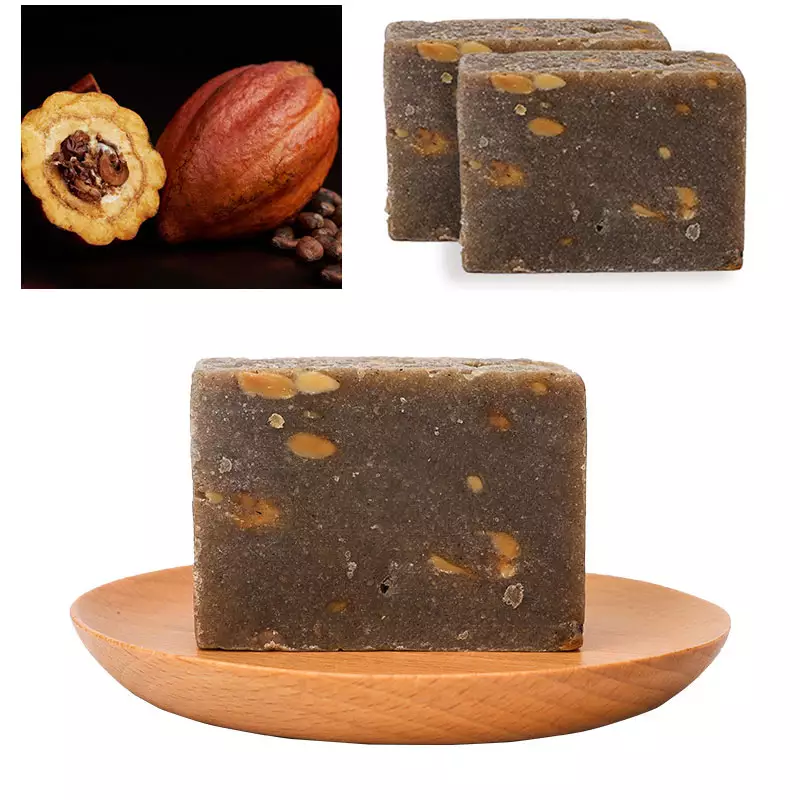
- Bar soap, facial bar, body bar, cleansing bar
- Sensitive-skin options, fragrance-free, “natural-inspired” variants
Benefits and Claim Language (What You Can—and Can’t—Say)
Typical marketing claims buyers request (and safer alternatives)
- Requested: “skin whitening” → Safer: “brightening appearance,” “helps improve the look of uneven tone.”
- Requested: “removes dark spots” → Safer: “supports a more radiant-looking complexion.”
Regulatory and platform compliance (general guidance)
Claims vary by market and platform. A responsible supplier should help you align claim wording with cosmetic positioning, avoid drug-like promises, and provide label-ready INCI lists.
Claim support a supplier should provide
- Spec sheet, COA, SDS/MSDS
- Testing options: stability, micro (as applicable), appearance/color tracking
Key Ingredients, INCI, and Formulation Requirements for Stable Performance
Kojic acid stability factors
- Heat exposure during processing
- Oxidation leading to discoloration
- pH and base choice impacting performance and color drift
Turmeric extract/powder selection
- Grade consistency and solubility
- Staining risk management (skin, towels, packaging)
Supporting ingredients that improve user experience
- Humectants for smoother feel and reduced dryness
- Chelators/antioxidants to help reduce oxidation and color shift
- Mild cleansing systems (e.g., syndet) vs true soap base (depending on target)
Fragrance/allergen considerations and color management
Ask how the factory controls allergens, IFRA-related fragrance handling (if used), and how they prevent unwanted yellow/brown shifts over shelf life.
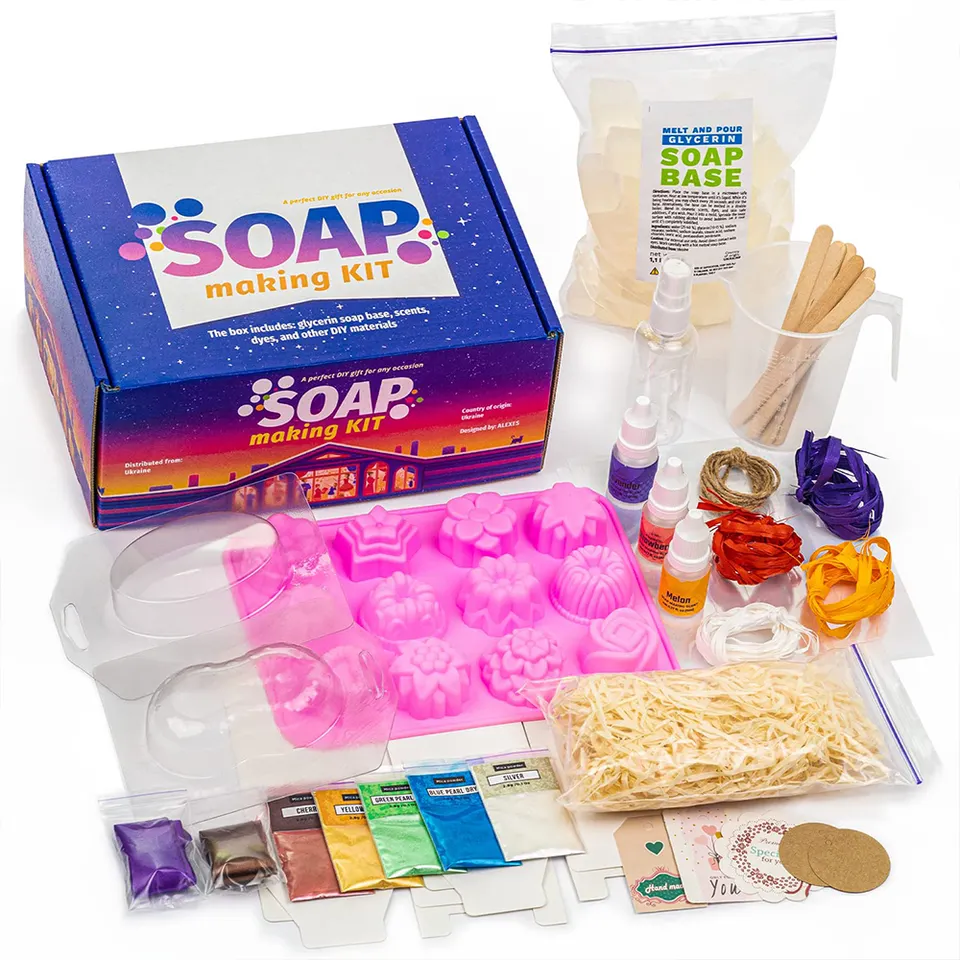
Manufacturing Methods: Cold Process vs Melt-and-Pour vs Syndet Bars
Process choice affects stability, feel, and shelf life—critical for OEM turmeric kojic acid soap programs.
Method comparison (pros, risks, best use)
MethodProsRisks/Notes for Turmeric + Kojic AcidBest forCold processHandcrafted story; rich bar feelHeat/pH and long cure can shift color/odor; batch variability without tight controlsArtisan positioning, boutique linesMelt-and-pourFaster turnaround; visual clarity optionsActive stability depends on temperature control and base compatibilityFast sampling, gift sets, translucent looksSyndet barMilder cleansing; consistent scale-upRequires stronger process know-how and raw material controlMass market, sensitive-skin, export consistency
What to ask about process validation
- Temperature control and mixing uniformity
- Moisture targets, curing parameters (if applicable)
- Batch records and change-control procedures
Quality Control Checklist for Choosing a Turmeric and Kojic Acid Soap Supplier
Raw material controls
- Supplier qualification, incoming inspection, traceability
- Active ingredient COA and lot-to-lot verification
In-process controls
- Temperature and time limits to protect kojic acid
- Mixing validation to prevent “hot spots” or uneven color
- Moisture control to reduce sweating/softness in transit
Finished product tests buyers should request
- Appearance/odor, weight variance, hardness, pH
- Microbial testing (as applicable to the formulation and market)
Packaging QA
- Barcode/label accuracy, scannability, and batch coding
- Carton strength and drop testing for overseas shipping when needed
Certifications and Compliance: What Matters for Importing and Selling
Common documents buyers request
- COA, MSDS/SDS, ingredient list/INCI, allergen statement
GMP/ISO and third-party audits
Evaluate audit scope, corrective actions, and whether procedures match actual shop-floor execution—especially important when sourcing handmade soap manufacturer capacity at scale.
Export readiness
Confirm customs paperwork support, outer-carton markings, and shipping documentation aligned to your Incoterms and destination requirements.
OEM/ODM Capabilities: What a Strong Supplier Should Offer
OEM vs ODM: which fits you?
- OEM: you provide a formula/spec; supplier manufactures consistently.
- ODM: supplier provides a proven base; you customize brand and features—often faster for new launches.
Customization options that improve SEO and conversion
- Active levels/skin feel, fragrance, color, bar weight
- Embossing/logo, bar shape/mold (hero SKU differentiation)
- Private label: boxes, shrink wrap, sleeves, inserts, multi-language labels
MOQ, lead time, and sampling workflow
Compare suppliers on MOQ flexibility, realistic lead time, and what “quick sample” includes (formula brief, label INCI draft, packaging options, and storage guidance). This matters whether you buy wholesale kojic acid soap or build a private label kojic acid turmeric soap line.
Pricing and Cost Drivers for Turmeric + Kojic Acid Soaps
- Ingredient grade and active loading (cost vs stability trade-off)
- Bar size, embossing, packaging complexity, printing method
- Shipping mode (air/sea), destination, and Incoterms alignment
To avoid “cheap but unstable,” request discoloration/stability evidence and define acceptance criteria before mass production—especially if positioning as a bulk brightening soap supplier or natural brightening soap supplier for distributors.
How to Vet a Turmeric and Kojic Acid Soap Supplier (Step-by-Step)
- Step 1: Confirm product match (base type, target market, compliant claims).
- Step 2: Request samples and evaluate lather, rinse feel, scent, staining, and color change after storage.
- Step 3: Ask for stability and batch consistency evidence (records, photos, test reports).
- Step 4: Run a pilot order before scaling with your final packaging.
- Step 5: Lock specs: golden sample, QC standards, acceptance criteria, and change-control rules.
Poleview Biotech Co., Ltd.: Professional Handmade Soap OEM/ODM in China
Poleview Biotech Co., Ltd. is a specialized handmade soap manufacturer from China, focused on turmeric and kojic acid soap OEM/ODM orders for brand owners, importers, and retailers.
Why buyers choose Poleview
- Stable formulations with a mature production process
- Large production capacity to support scalable orders
- On-time delivery with reliable lead times
- Rapid sampling to speed up product launch
How Poleview supports your brand
- Custom formula direction: brightening body bars, facial variants, sensitive-skin options
- Custom branding: logo embossing, shapes/molds, and private label packaging
- Fits multiple routes: kojic acid turmeric soap wholesale distributor supply, direct-to-brand, and export programs
Call to action for procurement teams
Contact Poleview to request free samples and share your OEM/ODM requirements (target market, bar weight, fragrance preference, packaging, and compliance documents needed).
Conclusion: Choosing a Reliable Turmeric and Kojic Acid Soap Supplier
- Quality: raw material traceability, COA/SDS, finished testing
- Stability: discoloration control, process validation, storage guidance
- Capacity: scalable production and consistent batch records
- Speed: sampling workflow, clear lead times, on-time delivery
Next step: request samples, confirm your OEM/ODM spec sheet, and benchmark suppliers side-by-side before placing bulk orders—whether you’re sourcing wholesale turmeric kojic acid soap or building a new private label kojic acid turmeric soap line.
Frequently Asked Questions (FAQ)
What should I look for in a turmeric and kojic acid soap supplier?
Prioritize stability controls (discoloration prevention), documented QC, compliant INCI/labels, and proven batch consistency. Ask for COA/SDS, process controls, and a golden-sample approval workflow.
Is kojic acid stable in soap? How do suppliers prevent discoloration?
Kojic acid can discolor with heat and oxidation. Strong suppliers manage processing temperature, use compatible bases, add antioxidants/chelators when appropriate, and provide storage guidance plus stability evidence.
What is a typical MOQ and lead time for OEM/ODM soap bars?
MOQ and lead time vary by formula complexity, bar size, and packaging. Compare suppliers by sampling speed, pilot-order options, and capacity for repeat production rather than headline MOQ alone.
Can I customize fragrance, color, and packaging for private label?
Yes—many factories support fragrance choices, controlled color targets, bar embossing, and private label packaging (boxes, sleeves, shrink wrap, inserts, multi-language labels). Confirm allergen and label compliance for your market.
How do I request samples and what should I test before bulk order?
Request samples matched to your target claims and market. Test lather, rinse feel, scent longevity, staining risk, and color change after storage/heat exposure. Confirm documentation and lock acceptance criteria before mass production.