
A single bar of cold-process goat milk soap can retain most of the natural glycerin that mass-produced bars strip out and sell separately. That one detail explains why your grandmother's handmade soap felt creamier than the drugstore bar wrapped in foil — and why so many people are now standing in the skincare aisle wondering if a milky bar can replace their liquid cleanser.

Here's the short answer, optimized for the skeptic: for most skin types, goat milk soap is a gentle, moisturizing cleanser — but results depend on formulation, your skin type, and how you use it. By the end of this guide, you'll know whether it fits your face, what the ingredients actually do, how to patch-test safely, and how to spot a quality bar from a mediocre one.
Key Takeaways
- Gentle for most skin: Mild fatty-acid cleansing tends to clean without stripping, which suits dry and sensitive skin especially well.
- Not an acne cure: It may feel soothing, but it is a cleanser — not a medical treatment for breakouts or eczema.
- Patch-test first: Always test on your inner arm or jawline for a day or two before applying to your whole face.
- pH is the honest limitation: Soap-based bars trend alkaline, which won't suit every complexion.
- Quality varies widely: Real goat milk high on the ingredient list plus credible certifications separate a good bar from a gimmick.
What Makes Goat Milk Soap Different From Regular Soap
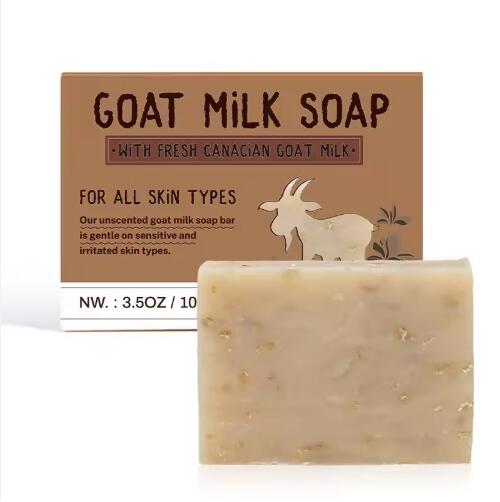
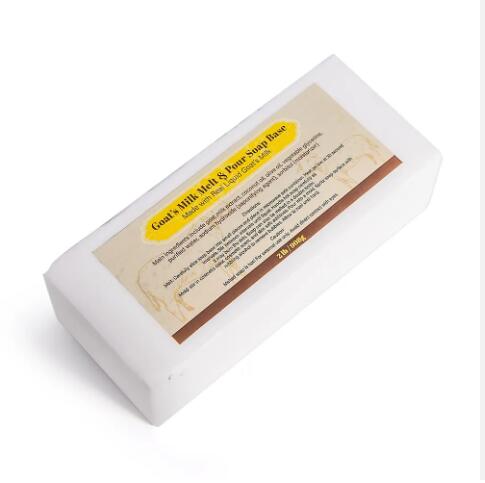
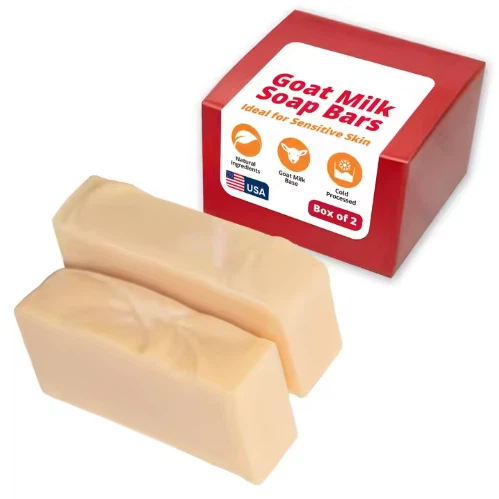
Goat milk soap is a cleansing bar made by combining goat milk with plant or animal fats and an alkali, then curing the result. The milk replaces some or all of the water used in traditional soapmaking, adding fats, proteins, and naturally occurring lactic acid to the final bar.
Standard commercial "beauty bars" often aren't soap at all — they're synthetic detergent (syndet) blocks engineered for a specific pH. Many mass bars also have their glycerin removed during manufacturing because glycerin is a valuable byproduct sold into other products. That's the core contrast: goat milk bars keep more of what makes skin feel soft.
The Key Components: Fats, Lactic Acid, and Natural Glycerin
Three naturally occurring elements do most of the work. First, fatty acids — including caprylic and capric acids — form the mild surfactants that lift away dirt and oil.
Second, lactic acid, an alpha-hydroxy acid (AHA), is present in goat milk and contributes to gentle surface exfoliation. Third, glycerin — a humectant that draws water toward the skin — is retained through cold-process soapmaking rather than extracted.
Cold-Process Handmade vs. Mass-Produced Bars
The production method matters more than the marketing. In cold-process handmade soap, fats and lye react slowly at low temperatures, and the glycerin stays locked inside the bar.
Industrial bars are frequently made with hot processing and glycerin extraction to maximize yield and shelf stability. A well-made handmade formulation preserves the creamy, skin-friendly properties that draw people to goat milk in the first place.
Reading the Label: Common INCI Ingredients Explained
The INCI (International Nomenclature of Cosmetic Ingredients) list on the wrapper tells you the truth faster than any front-of-pack claim. A few names you'll see often:
- Caprae Lac — the INCI term for goat milk; you want it reasonably high on the list.
- Sodium Cocoate — saponified coconut oil, which adds hardness and lather.
- Sodium Olivate — saponified olive oil, prized for a mild, conditioning feel.
- Glycerin — either retained or added; a good sign for moisture.
What Goat Milk Soap Actually Does for Facial Skin
Let's separate realistic benefits from wishful thinking. The genuine advantages are about gentleness and moisture — not miracle transformations.

Gentle Cleansing and Skin Barrier Support
The mild fatty-acid surfactants in a well-formulated bar clean the skin without aggressively stripping its natural oils. When a cleanser is too harsh, it can disrupt the skin barrier and leave a tight, uncomfortable feeling.
Goat milk soap is generally described as low-strip, which is why people with reactive skin often reach for it. That's a qualitative benefit — comfort and softness — not a measured clinical outcome.
Natural Moisturizing From Glycerin and Cream
Glycerin is one of the most studied humectants in skincare, valued for its ability to attract and hold water in the outer skin layers. Because cold-process goat milk bars retain glycerin, they can leave dry skin feeling more supple after rinsing.
The milk fats add to that cushioned feel. For anyone whose skin feels parched after washing, this is often the single most noticeable difference.
Lactic Acid and Mild Exfoliation
Lactic acid is a gentle AHA that helps loosen dull surface cells over time. In a soap, its contact time is brief — you rinse it off — so expect subtle smoothing, not the results of a leave-on acid serum.
One important caveat: AHAs can increase sun sensitivity. If exfoliation is part of your routine, wearing a daytime broad-spectrum SPF is non-negotiable.
pH and Why It Matters for Your Face
Healthy facial skin sits slightly acidic, around a pH the industry commonly cites near 4.7 to 5.5 — the so-called acid mantle. Traditional soap, including goat milk soap, is saponified and therefore trends alkaline, often in the 8 to 10 range.
For many people this causes no lasting issue because skin re-balances over time. But for those with a compromised barrier or very reactive skin, that alkalinity is an honest limitation worth flagging before you commit.
Benefits by Skin Type: Who Should Consider It
Fit depends heavily on your skin. Here's a quick, scannable breakdown.
| Skin Type | Potential Fit | What to Watch For |
|---|---|---|
| Dry | Strong candidate | Look for higher superfat / added butters |
| Sensitive | Often suitable | Fragrance-free, patch-test first |
| Oily / Acne-prone | Mixed | Watch alkalinity; not a substitute for treatment |
| Combination | Case-by-case | Monitor for tightness |
| Mature | Supportive | Pair with dedicated hydration |
Goat Milk Soap for Sensitive Skin
Many sensitive-skin flare-ups trace back to synthetic fragrances, dyes, and harsh surfactants. A simple, fragrance-free goat milk bar removes several of those common triggers, which is why it's frequently recommended for reactive complexions.
Still, "natural" does not automatically mean "irritation-proof." Patch-testing remains the smart move for anyone with a history of sensitivity.
Goat Milk Soap for Dry Skin
This is where goat milk soap tends to shine. The retained glycerin and milk fats help offset the tight feeling dry skin gets from ordinary cleansers.
Pair it with a follow-up moisturizer while your skin is still slightly damp to seal in that hydration. Cleanser alone isn't a full moisturizing routine.
Is Goat Milk Soap Good for Acne? Setting Honest Expectations
This is the YMYL-critical part, so let's be precise. Goat milk soap is not an acne treatment, and it will not clear moderate or severe breakouts on its own.
Some people with mild, occasional congestion find a gentle cleanser preferable to stripping products that trigger rebound oiliness. But if you have persistent, painful, or scarring acne, a dermatologist and evidence-based treatments — not a soap bar — should lead your plan.
Pros and Cons: An Honest Comparison
No cleanser is right for everyone. Here's the balanced view.
| Pros | Cons |
|---|---|
| Gentle, creamy cleanse | Alkaline pH may not suit everyone |
| Natural glycerin retained | Not a targeted acne or eczema treatment |
| Fewer synthetic additives | Quality varies widely by maker |
| Suits dry and sensitive skin | Milk allergy is a rare but real risk |
| Cruelty-free options available | Bar storage affects longevity |
Read that right-hand column honestly. The biggest variable isn't the concept of goat milk soap — it's the maker. A carefully formulated bar and a rushed novelty bar can behave completely differently on your face.
How to Use Goat Milk Soap on Your Face (Step by Step)
Technique matters as much as the product. Start slow, watch your skin, and build a simple routine.

The Patch Test First
- Rub a light lather on the inside of your forearm or along your jawline.
- Rinse, then leave the area alone for 24 to 48 hours.
- Check for redness, itching, or bumps before ever using it on your full face.
A Simple Daily Cleansing Routine
- Wet your face with lukewarm water.
- Build a lather in your hands rather than dragging the bar across your skin.
- Apply gently with fingertips, using light circular motions for a few seconds.
- Rinse thoroughly with lukewarm — never hot — water.
- Pat dry with a clean towel; don't scrub.
- Follow with a moisturizer, and add a broad-spectrum SPF in the morning.
Storing Your Bar So It Lasts
A handmade bar left sitting in a puddle turns to mush and wastes fast. Keep it on a draining soap dish, let it dry fully between uses, and store it away from the direct spray of the shower.
Treated well, a quality bar can outlast several bottles of liquid cleanser — treated poorly, it dissolves in a couple of weeks.
Common Mistakes and Best Practices
A great product can still disappoint if you use it wrong or buy the wrong one.
Mistakes to Avoid
- Over-cleansing: Twice daily is plenty for most; washing constantly invites dryness.
- Skipping moisturizer: Cleansing is step one, not the whole routine.
- Using hot water: It strips oils and undermines the bar's gentleness.
- Ignoring the ingredient list: The front label sells; the INCI list tells the truth.
- Expecting overnight results: Skin changes gradually — give any new cleanser a few weeks.
How to Choose a Quality Bar
Look for a transparent, full ingredient list with real goat milk (Caprae Lac) positioned high, not buried near the fragrance. Favor makers who disclose their process and hold relevant certifications such as ISO 22716 or GMPC.
Manufacturing standards are a proxy for consistency. A factory with documented quality control is far more likely to deliver the same reliable bar batch after batch than an unverified small-batch seller.
Safety, Allergens, and Regulatory Notes
This section is written with caution on purpose — skincare touches health, and honesty beats hype.
Who Should Be Cautious
Anyone with a diagnosed milk or dairy allergy should approach goat milk soap carefully, as rare reactions are possible. People with active skin conditions such as eczema, rosacea, or persistent acne should treat any new product as an addition to — not a replacement for — professional care.
If a product stings, burns, or worsens your skin, stop using it and consult a dermatologist.
Certifications and Compliance to Look For
Certifications signal how a product is made, even when they say nothing about your individual results. ISO 22716 is the international standard for cosmetics Good Manufacturing Practices, covering hygiene, documentation, and quality control.
GMPC reflects similar cosmetic manufacturing discipline, while FDA registration indicates a manufacturer has met U.S. facility and labeling requirements. Reputable industry auditing schemes like SMETA add a layer of ethical and operational oversight. None of these guarantees an outcome, but together they signal a maker that takes safety and consistency seriously.
Frequently Asked Questions
Is goat milk soap good for your face every day?
For many people, yes — once or twice daily works well, especially for normal, dry, or sensitive skin. If your skin feels tight or looks flaky, reduce frequency and always follow with moisturizer. Very reactive or acne-prone skin should introduce it slowly and monitor closely.
Can goat milk soap help with acne or breakouts?
It may offer a gentler cleanse than harsh, stripping products, which some people prefer. However, it is not an acne treatment and won't clear moderate or severe breakouts. For persistent or painful acne, see a dermatologist for evidence-based options.
Does goat milk soap dry out or moisturize the skin?
A well-made cold-process bar retains natural glycerin, which helps skin hold moisture and often leaves it feeling softer than ordinary soap. That said, cleansing is only the first step — apply a moisturizer afterward while skin is still slightly damp for the best result.
Is goat milk soap safe for sensitive skin?
It's often a good match because fragrance-free formulas remove common irritants like synthetic scents and dyes. Even so, patch-test on your inner arm for a day or two first, and choose an unscented bar if you react easily.
How long does a goat milk soap bar last?
With daily facial use and proper drying between uses, a quality bar commonly lasts several weeks to a couple of months. Keep it on a draining dish away from standing water — a soggy bar dissolves far faster.
What should I look for when buying natural goat milk soap?
Prioritize a transparent INCI list with real goat milk high in the ingredients, minimal unnecessary additives, and credible manufacturing certifications such as ISO 22716 or GMPC. A reputable, verifiable maker matters as much as the recipe itself.
Ready to Try a Quality Goat Milk Soap Bar?
The verdict is refreshingly balanced: goat milk soap is a gentle, moisturizing cleanser that suits most skin types — particularly dry and sensitive skin — as long as you respect its alkaline nature, patch-test first, and pair it with a moisturizer and SPF. It's a comfort upgrade over harsh bars, not a cure for medical skin conditions.
If you're sourcing bars for a brand, a store, or a private-label line, quality control is everything. Poleview Biotechnology Co., Ltd. manufactures factory-direct, certified handmade goat milk soap with 100% natural, vegetarian, and cruelty-free ingredients — backed by ISO 22716, GMPC, FDA, and SMETA standards, thousands of stable formulations, and the capacity to produce 100,000 bars a day.
We offer free design and fast prototyping, flexible minimum order quantities, and on-time delivery to markets across Europe, North America, Southeast Asia, and the Middle East. Reach out with your specific skin-care goals or private-label requirements, and our R&D team will help you build a bar your customers will come back for.