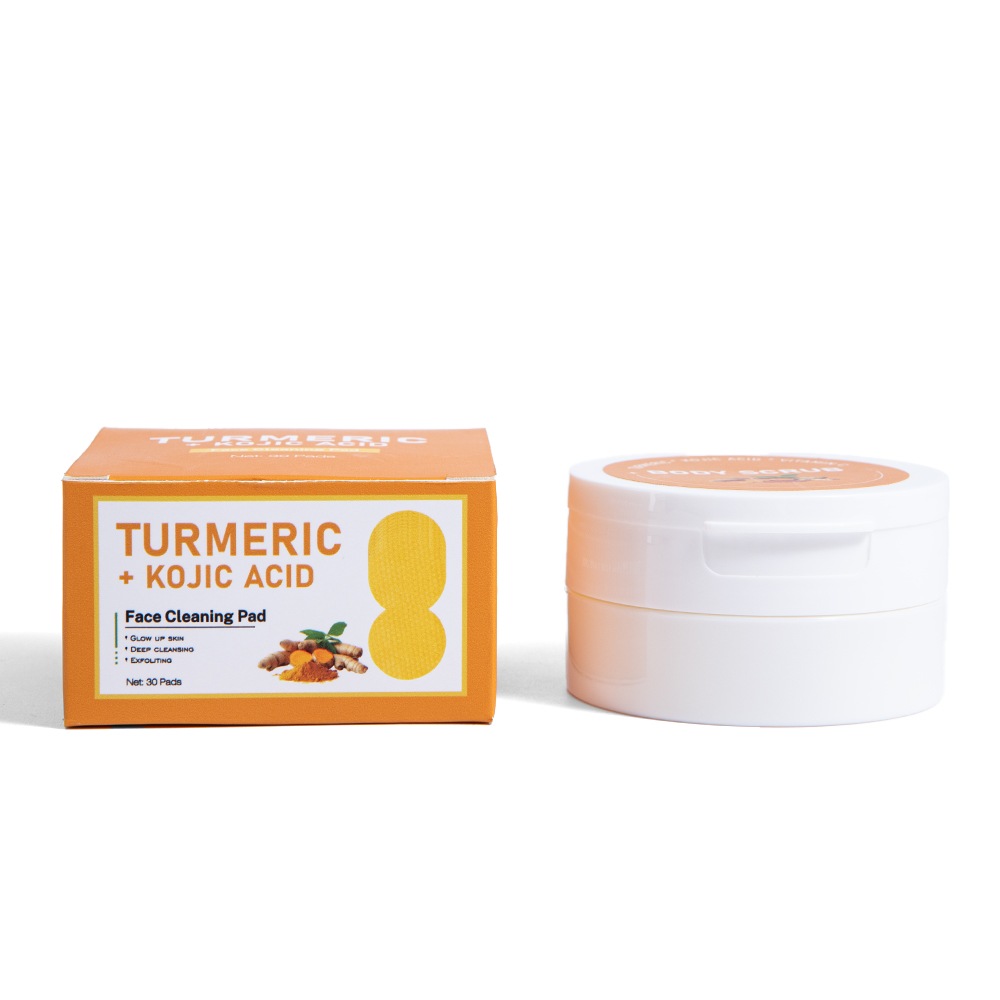
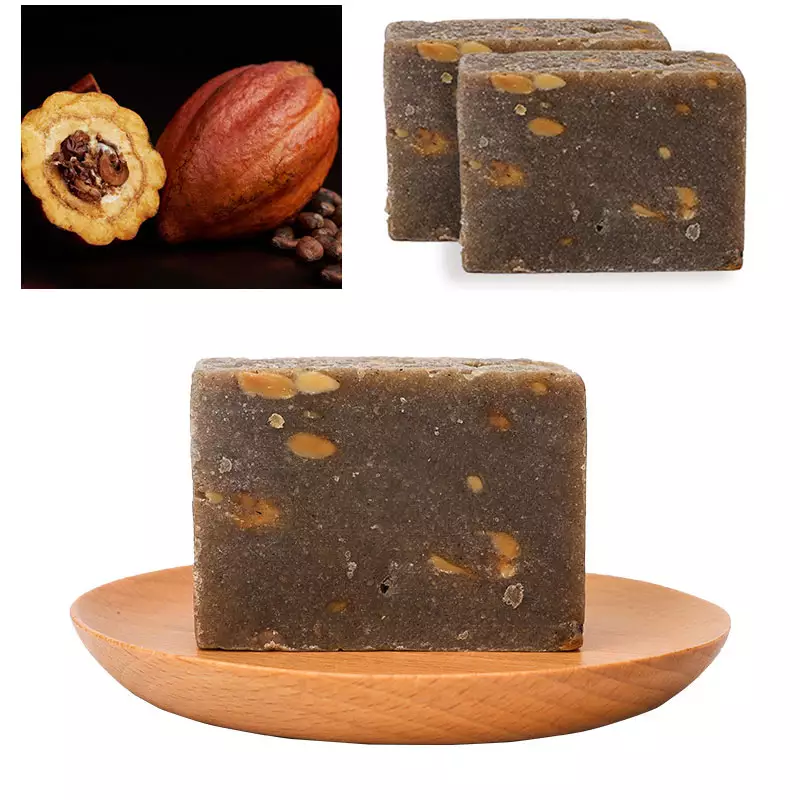
Turmeric has been a skincare staple in Ayurvedic medicine for thousands of years. Now, modern dermatology is catching up — and turmeric soap has become one of the most talked-about natural skincare products on the market. But does it actually work, or is it just another trend?
Here's everything you need to know about what turmeric soap can do for your skin, who it works best for, and how to use it the right way.
Why Turmeric Soap Has Taken Over the Skincare World
The golden spice sitting in your kitchen cabinet has a secret identity: it's a powerhouse skincare ingredient. The active compound in turmeric — curcumin — is what gives it that vibrant yellow color and, more importantly, its remarkable skin benefits.
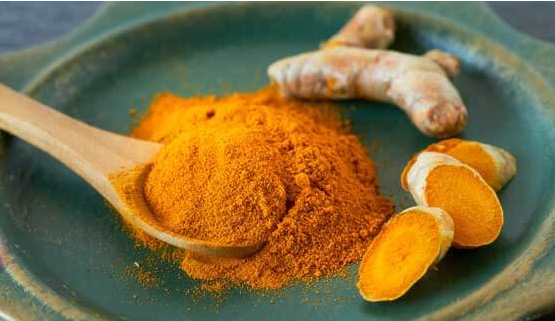
At a cellular level, curcumin works in three key ways. It's anti-inflammatory, meaning it calms irritated skin. It's an antioxidant, protecting cells from environmental damage. And it's antimicrobial, helping fight the bacteria that cause breakouts.
What makes turmeric soap such an appealing option is accessibility. You don't need expensive serums or complicated routines. A bar of soap with natural turmeric soap ingredients — real curcumin extract, nourishing carrier oils, and complementary botanicals — gives you daily exposure to these benefits during a step you're already doing: washing your face.
The turmeric soap benefits for skin aren't just anecdotal anymore. Published research in journals like the Journal of Cosmetic Dermatology and Phytotherapy Research has documented curcumin's effects on pigmentation, inflammation, and oxidative stress. That combination of traditional wisdom and scientific validation is exactly why this product has gone mainstream.
The Top Benefits of Turmeric Soap for Your Skin
Not all skincare claims hold up under scrutiny. These are the benefits that dermatologists and clinical research actually support — with the caveat that results depend on formulation quality and your individual skin type.
Fading Dark Spots and Hyperpigmentation
This is the benefit most people are after, and the science backs it up. Curcumin inhibits an enzyme called tyrosinase, which is responsible for melanin overproduction. When tyrosinase is suppressed, your skin produces less excess pigment in areas where dark spots have formed.
Turmeric soap for hyperpigmentation works particularly well on post-inflammatory marks — those dark patches left behind after a pimple heals, sun damage spots, or melasma patches. It's a gradual process, not an overnight fix. Most people notice visible improvement in 4 to 8 weeks of consistent use.
The key word is "consistent." Using turmeric soap for dark spots and uneven skin tone requires patience and daily commitment to see meaningful change.
Fighting Acne and Breakouts
If you're dealing with acne, here's why a turmeric bar soap for acne might deserve a spot in your routine. Curcumin has demonstrated antibacterial activity against Cutibacterium acnes (formerly P. acnes), the bacteria most commonly associated with inflammatory breakouts.
But it doesn't stop at killing bacteria. Curcumin also reduces the inflammatory response that makes pimples red, swollen, and painful. This dual action — antibacterial plus anti-inflammatory — means it addresses acne from two angles simultaneously.
Unlike harsh benzoyl peroxide or salicylic acid cleansers that can strip your skin barrier, turmeric soap works as a gentler daily cleanser. It won't nuke your moisture barrier while fighting breakouts.
Evening Out Skin Tone
Beyond targeting specific dark spots, turmeric soap helps create a more uniform overall complexion. The antioxidant properties protect against the daily environmental stressors — UV exposure, pollution, blue light — that contribute to dullness and uneven tone over time.
An important clarification: "brightening" and "bleaching" are not the same thing. Turmeric soap for dark spots and uneven skin tone works by reducing excess pigmentation and revealing healthier skin underneath. It does not lighten your natural skin color. It restores your skin to its natural, even baseline.
Calming Inflammation and Redness
For people with eczema-prone skin, rosacea, or general sensitivity, curcumin's anti-inflammatory properties offer real relief. In technical terms, curcumin inhibits the NF-kB pathway — think of it as turning down the volume on your skin's overactive alarm system.
In practical terms, this means less redness, less itching, and less of that tight, irritated feeling. People with chronic low-grade inflammation often notice their skin looks calmer and less reactive within the first few weeks of use.
Anti-Aging and Antioxidant Protection
Every day, your skin faces free radicals from UV rays, pollution, and normal metabolic processes. These unstable molecules damage collagen, accelerate wrinkle formation, and contribute to premature aging.
Curcumin is a potent free radical scavenger. Using turmeric soap daily provides a layer of antioxidant defense during your cleansing step, helping preserve collagen and support long-term skin health. It's not a replacement for sunscreen or retinol, but it's a solid supporting player in an anti-aging routine.
What's Actually Inside a Turmeric Soap Bar?
Not all turmeric soaps are created equal. The difference between a product that delivers results and one that's essentially yellow-colored soap comes down to what's on the ingredient label.
Key Ingredients to Look For
A quality turmeric soap should contain real curcumin extract or turmeric root powder listed near the top of the ingredient list. Natural turmeric soap ingredients that complement curcumin's effects include:
Carrier oils: Coconut oil, olive oil, or shea butter for moisture and a gentle soap base
Niacinamide: Boosts brightening effects and strengthens the skin barrier
Kojic acid: Works synergistically with curcumin for enhanced pigmentation correction
Vitamin C: Another antioxidant that amplifies brightening
Glycerin: Draws moisture into the skin, preventing dryness from cleansing
Red Flags on the Label
Be skeptical of any turmeric soap where "turmeric" appears far down the ingredient list — that means there's barely any in the product. Other warning signs include heavy artificial fragrances, parabens, and excessive sodium lauryl sulfate (SLS), which can strip and irritate skin.
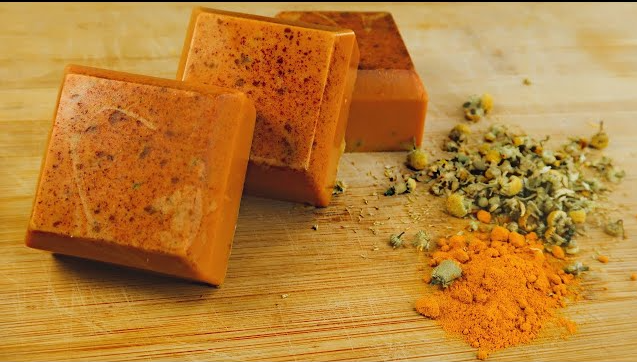
If the soap is bright neon yellow but lists no actual turmeric extract, you're likely looking at synthetic coloring marketed as a turmeric product. Real turmeric gives soap a warm, muted golden-orange tone — not a fluorescent yellow.
Turmeric Soap Benefits at a Glance — Comparison Table
| Benefit | Best For | Active Mechanism | Typical Timeline |
|---|---|---|---|
| Dark spot fading | Post-acne marks, sun spots | Tyrosinase inhibition | 4–8 weeks |
| Acne reduction | Oily/acne-prone skin | Antibacterial + anti-inflammatory | 2–4 weeks |
| Skin tone evening | Uneven complexion, dullness | Antioxidant brightening | 6–10 weeks |
| Inflammation relief | Sensitive, eczema-prone skin | NF-kB pathway regulation | 1–3 weeks |
| Anti-aging support | Mature or sun-damaged skin | Free radical neutralization | 8–12 weeks (cumulative) |
How to Use Turmeric Soap for Best Results
Having the right product is only half the equation. How you use it matters just as much.
Step-by-Step Usage Guide
Wet your face or body with lukewarm water (hot water strips natural oils).
Lather the soap between your hands or with a soft washcloth.
Apply to skin using gentle circular motions.
Leave the lather on for 30–60 seconds. This contact time allows curcumin to interact with your skin — don't just rinse immediately.
Rinse thoroughly with lukewarm water until no residue remains.
Follow with moisturizer while skin is still slightly damp.
Apply SPF 30+ in the morning — this is non-negotiable when using any brightening product.
How Often Should You Use It?
Start with three times per week. This gives your skin time to adjust without overwhelming it. If you tolerate it well after two weeks, you can graduate to daily use.
One common concern: curcumin can temporarily stain very light skin a faint yellow. This is cosmetic, harmless, and easily mitigated by thorough rinsing and shorter contact time. It typically stops happening once your skin adjusts.
Pairing Turmeric Soap With Your Existing Routine
Turmeric soap plays well with most skincare products. Great companions include hyaluronic acid serums, niacinamide, vitamin C, and ceramide-rich moisturizers.
One caution: if you're using retinol or strong chemical exfoliants (glycolic acid, lactic acid peels), introduce turmeric soap gradually. Layering too many active ingredients at once can compromise your skin barrier. Start by using them on alternating days until you know how your skin responds.
Who Should (and Shouldn't) Use Turmeric Soap
Turmeric soap is broadly well-tolerated, but it's not universally appropriate. Here's a quick reference:
| Skin Type / Concern | Suitability | Notes |
|---|---|---|
| Oily / acne-prone | ✅ Highly suitable | Look for formulas with tea tree or neem |
| Dry / sensitive | ✅ Suitable with caution | Choose moisturizing bases (shea, glycerin) |
| Hyperpigmentation | ✅ Highly suitable | Pair with vitamin C serum for faster results |
| Very fair / pale skin | ⚠️ Patch test first | Temporary yellow tint possible |
| Active dermatitis / open wounds | ❌ Avoid | Consult dermatologist before use |
Turmeric Soap vs. Other Natural Soaps — How It Stacks Up
Wondering whether turmeric soap is the right natural option for you, or if another type might be a better fit? Here's how they compare:
| Feature | Turmeric Soap | Kojic Acid Soap | Charcoal Soap | Tea Tree Soap |
|---|---|---|---|---|
| Best for | Hyperpigmentation + inflammation | Intense brightening | Deep pore cleansing | Acne + fungal issues |
| Gentleness | High | Moderate | Moderate | Moderate-Low |
| Anti-inflammatory | Strong | Weak | Weak | Moderate |
| Brightening | Moderate-Strong | Strong | Minimal | Minimal |
| Suitable for sensitive skin | Yes | With caution | Sometimes | Rarely |
The takeaway: turmeric soap offers the best balance of brightening power and gentleness. If your primary concern is hyperpigmentation combined with sensitive or reactive skin, it's likely your strongest option among natural soaps.
Frequently Asked Questions About Turmeric Soap
Does turmeric soap really lighten skin?
It reduces hyperpigmentation and evens out your skin tone, but it does not bleach or alter your natural skin color. Think of it as removing the "noise" — dark spots, discoloration, dullness — so your natural complexion shows through more clearly. Dermatological research supports its ability to inhibit excess melanin production in targeted areas, not overall skin lightening.
Can turmeric soap stain your skin yellow?
It can leave a faint temporary yellow tint, particularly on very fair skin. This is purely cosmetic and washes off easily with water. To minimize staining, keep contact time under 60 seconds and rinse thoroughly. Most people find that any tinting disappears within minutes. Using the soap in the evening also eliminates any concern about visible residue during the day.
Is turmeric soap safe to use on the face every day?
For most people, yes. However, the answer depends on the full formulation — not just the turmeric component. A turmeric soap with a gentle, moisturizing base (glycerin, shea butter, coconut oil) is typically fine for daily facial use. If the soap contains additional strong actives like high-concentration kojic acid or salicylic acid, daily use might be too much for sensitive skin. Start with every other day and increase frequency based on how your skin responds.
How long does it take to see results from turmeric soap?
You may notice subtle improvements in skin texture and radiance within 2 weeks. For more significant changes — fading dark spots, reduced acne, more even tone — expect 6 to 10 weeks of consistent use. Skincare is cumulative. The benefits build over time, and stopping prematurely is the most common reason people don't see results.
Can I use turmeric soap if I have acne-prone skin?
Absolutely. Turmeric soap's anti-inflammatory and antibacterial properties make it well-suited for acne-prone skin. Look for non-comedogenic formulations that won't clog pores — ideally with complementary ingredients like tea tree oil or neem. As with any new product, do a patch test on a small area of your jawline for a few days before applying it to your entire face.
What should I look for when buying turmeric soap?
Check that real curcumin extract or turmeric root powder appears in the top third of the ingredient list. Avoid products with heavy artificial fragrances, parabens, or excessive SLS. Choose a soap base that matches your skin type — shea butter or glycerin for dry skin, lighter oils like jojoba for oily skin. Reputable brands will clearly state the percentage or concentration of turmeric in their product.
The Bottom Line — Is Turmeric Soap Worth It?
For most people dealing with dark spots, uneven skin tone, acne, or inflammation, turmeric soap is a worthwhile addition to a skincare routine. It's gentle enough for daily use, backed by legitimate science, and accessible at nearly every price point.
That said, it's not a miracle product. Results require consistency — typically 6 to 10 weeks minimum. It works best as part of a complete routine that includes moisturizer and sunscreen. And the quality of the product matters enormously; a cheap bar with synthetic coloring won't deliver the same results as one formulated with real curcumin extract.
If you have persistent skin concerns that aren't improving after 8 to 12 weeks of consistent use, consult a dermatologist. Turmeric soap is a solid tool in your skincare toolkit, but some conditions require professional treatment. Start with a patch test, be patient, and let the science do its work.