African black soap has transitioned from a niche artisanal product to a globally sourced ingredient in the personal care industry. For formulators, procurement specialists, and quality assurance professionals, understanding the precise composition of this traditional cleanser is essential for product development, regulatory compliance, and supply chain integrity.
This ingredient breakdown provides a data-driven analysis of authentic African black soap formulations, covering raw material chemistry, regional variations, and quality benchmarks relevant to B2B sourcing decisions.
Origins and Traditional Manufacturing of African Black Soap
Geographic Roots and Cultural Heritage
African black soap originates from West Africa, with primary production concentrated in Ghana, Nigeria, and Togo. Known as alata samina in Ghana and ose dudu in Nigeria, this soap has been produced by women-led cooperatives for centuries using locally harvested natural ingredients.
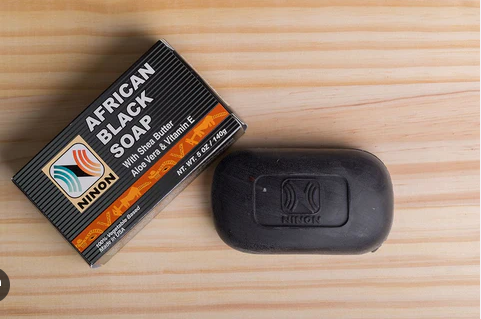
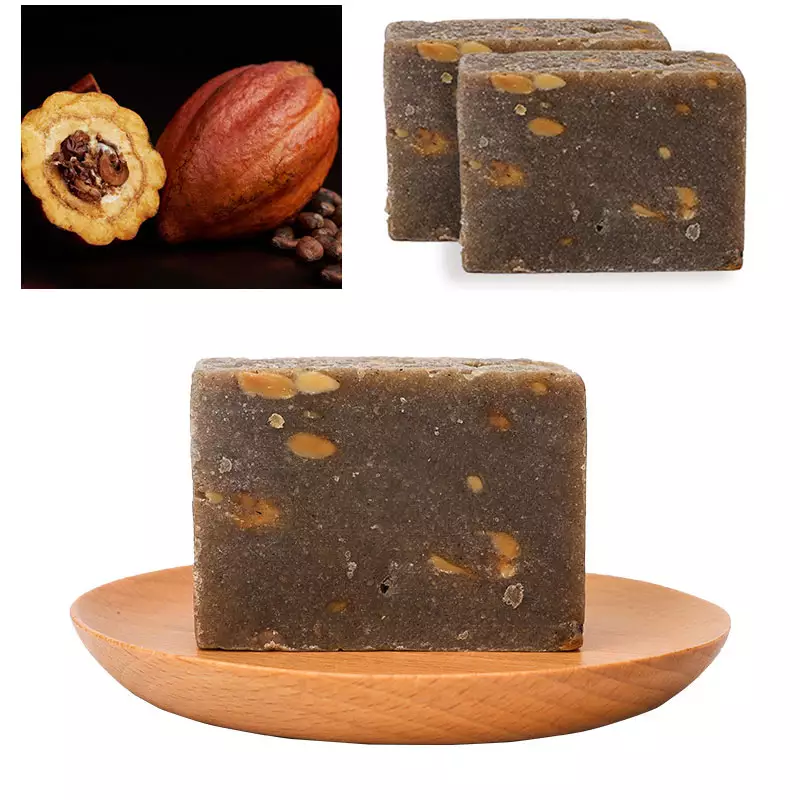
The formulation knowledge is passed through generations within specific communities, resulting in distinct regional recipes. Each producing region leverages its locally abundant plant matter — cocoa pod husks in Ghana's cocoa-growing regions, plantain skin in Nigeria's plantain-rich areas — creating inherent compositional diversity.
The Sun-Drying and Ash-Burning Process
Traditional production follows a multi-stage process that directly influences the final product's chemical profile. Plant materials (cocoa pods, plantain peels, palm leaves) are first sun-dried for several days to reduce moisture content below 15%, then roasted in clay kilns at temperatures between 300–500°C to produce nutriite-rich ash.
The ash is combined with water to create a lye solution, which is then mixed with oils and fats — primarily palm kernel oil and shea butter — and cooked over low heat. The resulting paste undergoes a curing period of two to four weeks, during which saponification completes and excess moisture evaporates. Variations in roasting temperature, cook time, and curing duration produce significant batch-to-batch differences in pH, texture, and total fatty matter content.
Core Ingredients in Authentic African Black Soap
Plant-Based Ash Components
Cocoa Pod Ash
Cocoa pod ash serves as the primary alkaline agent in most Ghanaian formulations. When cocoa pod husks are roasted, the resulting ash contains approximately 30–40% potassium carbonate (K₂CO₃), which dissolves in water to generate potassium hydroxide (KOH) — the lye that drives saponification.
The potassium carbonate concentration varies based on roasting completeness and the maturity of the cocoa pods at harvest. Properly roasted cocoa pod ash typically contributes a pH of 11–13 in aqueous solution, providing sufficient alkalinity for complete fat conversion. This ingredient also imparts the characteristic dark brown coloration to the finished soap.
Plantain Skin Ash
Plantain skin ash functions as a secondary lye source while contributing a broader mineral profile than cocoa pod ash alone. Analysis of plantain peel ash reveals significant concentrations of potassium (28–35%), magnesium (3–5%), iron (1–2%), and calcium (4–8%).
Nigerian formulations tend to use higher ratios of plantain skin ash relative to cocoa pod ash, which produces a slightly different mineral composition in the finished product. The iron content from plantain skin contributes to the soap's darker pigmentation and may offer mild antioxidant properties on the skin surface.
Palm Leaves and Shea Tree Bark Ash
Supplementary ash sources vary by sub-region and producer preference. Palm frond ash is common in coastal West African communities, contributing additional potassium and silica. Shea tree bark ash appears in formulations from Burkina Faso and northern Ghana, adding calcium and trace minerals that influence the soap's hardness.
These secondary ash sources typically comprise 5–10% of the total ash blend. Their inclusion affects the soap's final texture — palm leaf ash tends to produce a slightly grittier bar, while shea bark ash contributes to a smoother finish.
Oils and Fats
Palm Kernel Oil
Palm kernel oil is the primary triglyceride source in most African black soap formulations. Its fatty acid profile — approximately 48% lauric acid, 16% myristic acid, and 8% oleic acid — makes it highly effective for saponification, producing a soap with strong cleansing action and stable lather.
The high lauric acid content generates potassium laurate upon saponification, which is responsible for the soap's antimicrobial properties and foaming characteristics. For industry buyers, supply chain transparency is increasingly critical. Sustainable sourcing certifications such as RSPO (Roundtable on Sustainable Palm Oil) are now expected by major retailers and regulatory bodies in the EU and North American markets.
Shea Butter
Shea butter functions primarily as a superfatting agent in African black soap, meaning a portion remains unsaponified in the finished product to provide moisturizing benefits. The unsaponifiable fraction of shea butter ranges from 6–17% — significantly higher than most vegetable oils — and contains triterpene alcohols, tocopherols (vitamin E), and phytosterols.
For soap production, Grade C (extracted by solvent) and Grade D (unrefined, lower quality) shea butter are commonly used in traditional formulations, while Grade A (unrefined, premium) is reserved for higher-end products marketed with moisturizing claims. The inclusion rate of shea butter directly correlates with the soap's emollient properties and retail positioning.
Coconut Oil and Palm Oil (Regional Variants)
Coastal West African producers frequently substitute or supplement palm kernel oil with coconut oil, which shares a similar lauric acid profile (approximately 49% lauric acid). Coconut oil produces a harder bar with more vigorous lather but may reduce shelf stability due to its lower oxidative resistance compared to palm kernel oil.
Palm oil (distinct from palm kernel oil) appears in some formulations as a secondary fat source. Its higher palmitic acid content (44%) contributes to bar hardness and creamy lather but reduces the soap's cleansing intensity. Regional availability and cost typically drive these substitution decisions.
Water and Natural Additives
Water serves as the processing medium for dissolving ash into lye and facilitating the saponification reaction. Local water mineral content can subtly influence the final product — harder water sources may contribute additional calcium that affects soap texture.
Optional botanical additives include camwood (osun) for its red pigment and astringent properties, honey for humectant function, and aloe vera for soothing claims. These additions typically represent less than 5% of the total formulation but can significantly impact product marketing and regulatory classification.
Ingredient Composition Data
Typical Formulation Ratios by Region
| Ingredient | Ghana (Alata Samina) | Nigeria (Ose Dudu) | Primary Function |
|---|---|---|---|
| Cocoa pod ash | 30–40% | 20–30% | Alkaline/saponification agent |
| Plantain skin ash | 10–20% | 20–35% | Alkaline/mineral source |
| Palm kernel oil | 20–30% | 25–35% | Primary fat for saponification |
| Shea butter | 15–25% | 10–20% | Moisturizing/superfatting agent |
| Water | 5–10% | 5–10% | Processing medium |
| Additional botanicals | 0–5% | 0–5% | Functional additives |
These ratios represent ranges observed across multiple cooperative producers. Individual batches may fall outside these ranges depending on raw material availability and producer methodology.
Key Chemical Properties of Finished Soap
| Parameter | Typical Range | Industry Benchmark | Significance |
|---|---|---|---|
| pH | 9.0–11.5 | 9.5–10.5 (optimal) | Skin compatibility indicator |
| Total fatty matter (TFM) | 40–65% | >60% (premium grade) | Cleansing efficacy measure |
| Free alkali | 0.1–0.8% | <0.5% (skin-safe) | Irritation potential |
| Moisture content | 8–15% | <12% (shelf-stable) | Storage stability |
| Glycerol content | 5–12% | Naturally retained | Humectant benefit |
Products exceeding 0.5% free alkali or falling below 40% TFM may indicate incomplete saponification or excessive ash ratios — both quality concerns for commercial distribution.
Distinguishing Authentic vs. Commercial Formulations
Ingredient Red Flags in Mass-Market Products
Many products marketed as "African black soap" contain synthetic ingredients absent from traditional formulations. Industry professionals should flag the following on ingredient labels as indicators of non-authentic products:
Sodium lauryl sulfate (SLS) or sodium laureth sulfate (SLES) — synthetic surfactants
Synthetic fragrance or parfum — traditional soap has a mild, earthy scent only
Artificial colorants (FD&C dyes, CI numbers) — authentic color comes from roasted ash
Parabens or phenoxyethanol — traditional soap requires no synthetic preservatives
Sodium hydroxide (NaOH) listed as primary alkali — authentic formulations use potassium-based plant ash lye
The presence of sodium hydroxide is particularly telling. Traditional African black soap uses KOH derived from plant ash, producing a softer potassium soap. NaOH produces a harder sodium soap characteristic of commercial bar manufacturing.
Supply Chain Transparency and Certification Standards
For B2B sourcing, relevant certifications include Fair Trade (FLO-CERT), USDA Organic, COSMOS/ECOCERT for natural cosmetics, and the West Africa Fair Fruit certification for shea butter supply chains. These frameworks provide traceability from cooperative to finished ingredient.
Buyers should request Certificates of Analysis (CoA) for each batch, including TFM, pH, free alkali, and microbial testing. Supplier audits verifying traditional production methods — rather than industrial replication — add credibility to authenticity claims in downstream marketing.
Functional Role of Each Natural Ingredient
Saponification Chemistry Explained
The core reaction in African black soap production is saponification: triglycerides from palm kernel oil and shea butter react with potassium hydroxide (derived from plant ash) to produce potassium fatty acid salts (soap) and glycerol.
The simplified reaction: Triglyceride + 3 KOH → 3 Potassium Soap + Glycerol
Because the alkali source is KOH rather than NaOH, the resulting soap molecules are potassium salts — which are more water-soluble and produce a softer, more pliable bar compared to sodium-based commercial soaps. This also explains why traditional African black soap has a paste-like or crumbly texture rather than the firm, molded consistency of commercial bars.
Bioactive Compounds and Skin Benefits by Ingredient
Each natural ingredient contributes specific bioactive compounds with documented dermatological functions:
Shea butter: Vitamins A and E (tocopherols), cinnamic acid esters (mild UV absorption), lupeol (anti-inflammatory)
Palm kernel oil: Lauric acid (antimicrobial activity against gram-positive bacteria), capric/caprylic acids (skin conditioning)
Plantain skin ash: Potassium and magnesium (skin barrier support), iron oxide (mild astringent)
Cocoa pod ash: Potassium carbonate (gentle exfoliation via alkalinity), theobromine traces (antioxidant)
The naturally retained glycerol (5–12%) acts as a humectant, drawing moisture to the skin surface — a benefit lost in commercial soaps where glycerol is typically extracted for separate sale.
Sourcing and Quality Considerations for Industry Buyers
Raw Material Variability Factors
Batch-to-batch variation is inherent in traditionally produced African black soap. Key variables include harvest season (dry season cocoa pods yield higher potassium content), soil mineral composition affecting plant ash profiles, roasting temperature consistency (artisanal kilns lack precise temperature control), and curing duration.
Standardization remains a challenge for large-scale procurement. Buyers requiring consistent specifications should work with cooperatives that implement basic process controls — standardized roasting times, consistent ash-to-oil ratios, and minimum curing periods. Blending multiple batches before export can also reduce variation.
Shelf Life and Storage Requirements
Properly cured African black soap with moisture content below 12% has an expected shelf life of 18–24 months when stored correctly. Recommended storage conditions include temperatures below 25°C, relative humidity below 60%, and protection from direct sunlight.
The primary degradation pathway is oxidative rancidity of unsaponified fats (particularly the shea butter fraction). Products with higher superfatting levels may have shorter shelf lives. Bulk shipments should be packaged in moisture-barrier materials, and warehouse storage should avoid proximity to heat sources or strong-odor products that could cause scent absorption.
Frequently Asked Questions (FAQ)
What makes African black soap "black"?
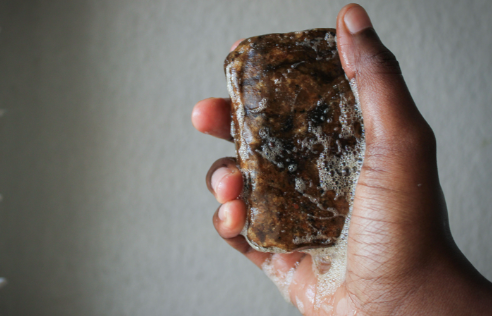
The dark brown to black coloration results from the roasted plantain skin and cocoa pod ash incorporated during production — not from added colorants. The degree of roasting directly determines the shade: higher roasting temperatures produce darker ash and consequently darker soap. Lighter brown bars indicate lower roasting temperatures or higher oil-to-ash ratios in the formulation.
Is African black soap vegan?
Traditional African black soap formulations are plant-based, using no animal fats or animal-derived ingredients. The core components — cocoa pod ash, plantain skin ash, palm kernel oil, and shea butter — are all botanical in origin. However, some producers add honey as a humectant, which would disqualify the product from vegan certification. Buyers seeking vegan-compliant stock should verify individual supplier formulations and request written confirmation of ingredient lists.
Why does the ingredient list vary between brands?
There is no single standardized formula for African black soap. Regional traditions, local ingredient availability, and individual cooperative recipes all create legitimate variation. Additionally, commercial brands may modify traditional recipes for manufacturing consistency, cost optimization, or to meet specific regulatory requirements in target markets. This variation is not inherently problematic but requires buyers to evaluate each supplier's formulation against their specific product requirements.
How can professionals verify ingredient authenticity?
Recommended due diligence steps include third-party laboratory testing (TFM analysis, pH measurement, fatty acid profiling via gas chromatography), on-site supplier audits to verify traditional production methods, certification verification through issuing bodies, and comparison of fatty acid profiles against known authentic reference samples. A potassium-to-sodium ratio analysis can confirm whether plant ash (KOH) or commercial lye (NaOH) was used in production.
What is the difference between raw African black soap and reformulated bars?
Raw traditional African black soap has an irregular, crumbly texture, variable coloration (mottled brown-black), and a mild earthy scent. Reformulated commercial bars are typically uniform in shape, color, and fragrance — achieved through melting raw soap and adding binders (glycerin), stabilizers, synthetic fragrances, and sometimes colorants. The reformulation process may alter the soap's pH, TFM, and bioactive compound concentration.
Are there regulatory considerations for importing African black soap ingredients?
Yes. In the EU, cosmetic products must comply with Regulation (EC) No 1223/2009, requiring a Product Information File, safety assessment, and CPNP notification. In the United States, FDA cosmetic guidelines require proper labeling under 21 CFR 701 but do not require pre-market approval. Both frameworks require complete ingredient documentation, allergen assessment, and microbial testing. Importers should also verify compliance with REACH regulations for EU markets and ensure all botanical ingredients have adequate safety data documentation.