You've probably stood in the soap aisle wondering whether that "antibacterial" label actually means anything. Is it worth the extra cost? Does it really kill more germs? The answers might surprise you.
Let's break down the real science behind antibacterial soap — what's in it, how it works, and whether you actually need it.
Regular Soap vs. Antibacterial Soap — What's the Difference?
How Regular Soap Works Against Germs
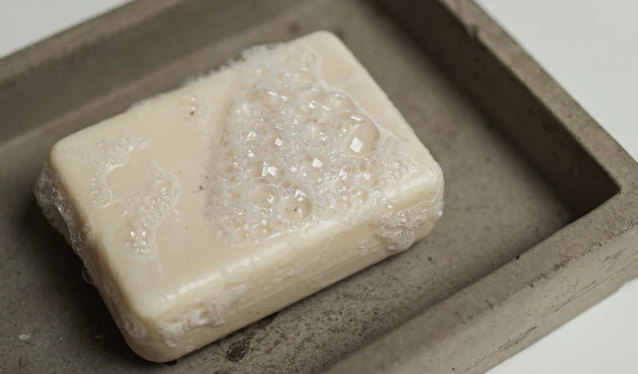
Regular soap doesn't kill bacteria. It removes them. That might sound less impressive, but it's remarkably effective.
Here's how it works: soap molecules have a split personality. One end is hydrophilic (water-loving) and the other is hydrophobic (water-fearing). When you lather up, those hydrophobic tails wedge themselves into the fatty outer layer of germs — the bacterial cell membrane — while the hydrophilic heads stay connected to water.
This creates tiny clusters called micelles that trap bacteria, dirt, and oils. When you rinse, everything washes down the drain. The germs aren't dead — they're just gone. And gone is good enough for most situations.
What Puts the "Antibacterial" in Antibacterial Soap
Antibacterial soap does everything regular soap does, plus one extra thing: it contains specific antimicrobial agents designed to kill or inhibit bacterial growth on contact.
These chemical additives don't just remove bacteria from your skin. They actively attack bacterial cells, disrupting their ability to function and reproduce. Think of it as the difference between sweeping dirt out your front door versus setting it on fire.
For a soap to legally carry the "antibacterial" label, it must contain an FDA-recognized active ingredient at a concentration proven to reduce bacterial populations beyond what plain soap achieves through mechanical action alone.
Key Antimicrobial Agents That Kill Bacteria
Triclosan — The Controversial Classic
For decades, triclosan was the star ingredient in antibacterial soaps. It worked by blocking an enzyme called enoyl-acyl carrier protein reductase, which bacteria need to build fatty acids for their cell membranes. Without new fatty acids, bacteria can't grow or repair themselves.
But triclosan's reign ended in 2016 when the FDA banned it from consumer wash products. The agency concluded that manufacturers hadn't proven triclosan was safe for long-term daily use or more effective than plain soap and water.
As of 2026, triclosan's presence in consumer products is extremely limited. You might still find it in certain toothpastes (where it fights gingivitis) and some hospital-grade products, but it's essentially disappeared from the hand soap market.
Benzalkonium Chloride — The Current Go-To
With triclosan out of the picture, benzalkonium chloride has become the dominant antimicrobial agent in today's antibacterial soaps and sanitizers.
It belongs to a family of chemicals called quaternary ammonium compounds — "quats" for short. These positively charged molecules are attracted to the negatively charged bacterial cell membrane like magnets. Once they make contact, they punch holes in the membrane, causing the cell's contents to leak out.
Benzalkonium chloride is effective against a broad spectrum of bacteria and remains stable on surfaces longer than alcohol-based alternatives. That's why you'll find it not just in hand soaps but also in sanitizing wipes, wound care products, and surface disinfectants.
Other Active Ingredients Still in Use
The antibacterial soap landscape isn't limited to benzalkonium chloride. Several other antimicrobial agents remain in play.
Chloroxylenol (PCMX) is a phenol-based compound that disrupts bacterial cell walls and interferes with enzyme function. It's the active ingredient in well-known brands like Dettol and shows up in many surgical scrubs.
Tea tree oil derivatives offer a more natural approach. Compounds like terpinen-4-ol damage bacterial membranes and interfere with cellular respiration. While less potent than synthetic alternatives, they appeal to consumers seeking plant-based options.
Ethanol-based compounds work differently — they denature proteins and dissolve lipid membranes on contact. They're fast-acting but evaporate quickly, making them better suited for hand sanitizers than wash-off soaps.
How Antibacterial Agents Attack the Bacterial Cell Membrane
The Structure of Bacterial Defenses
To understand how antibacterial soap works, you need to know what it's attacking. The bacterial cell membrane is a thin, flexible barrier made of a lipid bilayer — essentially two layers of fat molecules arranged tail-to-tail.
Think of it like a sandwich bag holding all the cell's vital machinery inside. Proteins embedded in this membrane control what enters and exits the cell. Without an intact membrane, a bacterium is like a water balloon with holes — it simply can't survive.
This membrane is the Achilles' heel that most antimicrobial agents target.
Breaking Down the Barrier — Mechanism of Action
Here's what happens when benzalkonium chloride meets a bacterial cell, step by step:
Step 1: Attraction. The positively charged "head" of the benzalkonium chloride molecule is drawn to the negatively charged bacterial surface. It's like static cling at a molecular level.
Step 2: Insertion. The molecule's long hydrophobic "tail" pushes into the lipid bilayer, wedging itself between the fat molecules that form the membrane's structure.
Step 3: Disruption. As more molecules insert themselves, the membrane loses its organized structure. Gaps form. Imagine poking dozens of holes in that sandwich bag — it can no longer hold anything inside.
Step 4: Cell death. Essential proteins, ions, and genetic material leak out through the damaged membrane. The bacterium can't maintain its internal chemistry and dies.
This entire process happens in seconds to minutes, depending on the concentration of the antimicrobial agent and the type of bacteria involved.
Does Antibacterial Soap Actually Work Better?
What the Research Says About Hand Hygiene Effectiveness
Here's where things get interesting — and maybe a little frustrating if you've been paying extra for antibacterial soap.
A landmark 2015 study from Korea University tested antibacterial soap containing triclosan against plain soap under real-world handwashing conditions. The result? No significant difference in bacterial reduction when participants washed for 20 seconds or more.
Subsequent research has reinforced this finding. Multiple studies confirm that proper hand hygiene technique — duration, friction, and thorough rinsing — matters far more than whether your soap contains antimicrobial agents.
The mechanical action of rubbing your hands together and rinsing under running water removes the vast majority of transient bacteria regardless of soap type. The antibacterial additives simply don't have enough contact time during a normal wash to provide meaningful additional benefit.
When Antibacterial Formulas May Be Warranted
That said, antibacterial products aren't useless. They serve clear purposes in specific contexts.
Healthcare settings rely on antimicrobial hand scrubs because medical professionals need to reduce bacterial counts to near zero before procedures. The stakes are higher, and the products used are more concentrated than consumer soaps.
Wound care is another legitimate use case. Antibacterial washes can help prevent infection in broken skin where bacteria might otherwise enter the body directly.
Immunocompromised individuals — people undergoing chemotherapy, organ transplant recipients, or those with conditions affecting immune function — may benefit from the extra bacterial reduction that antimicrobial agents provide.
Safety Concerns and Regulatory Changes
Why the FDA Pulled Triclosan and 18 Other Ingredients
In September 2016, the FDA issued a final rule banning 19 antimicrobial agents from consumer antiseptic wash products. Triclosan and triclocarban were the most prominent casualties.
The concerns were serious. Animal studies linked triclosan to hormone disruption — specifically interference with thyroid function and reproductive hormones. While human studies were less conclusive, the FDA applied the precautionary principle.
Manufacturers had been given years to prove these ingredients were both safe and more effective than plain soap. They couldn't do either to the FDA's satisfaction.
The Antibiotic Resistance Debate
One of the most troubling concerns about widespread antimicrobial use is its potential contribution to antibiotic resistance.
The theory works like this: when bacteria are repeatedly exposed to sub-lethal concentrations of antimicrobial agents, survivors with natural resistance mutations thrive and reproduce. Over time, this selective pressure can produce bacterial populations that shrug off not just the original antimicrobial but potentially related antibiotics as well.
Laboratory studies have demonstrated this cross-resistance phenomenon with triclosan. The picture with benzalkonium chloride is less clear, but research published through 2025 suggests some bacterial species can develop tolerance to quaternary ammonium compounds with repeated exposure.
The scientific consensus heading into 2026 favors cautious, targeted use of antimicrobial agents rather than blanket application in everyday consumer products.
Environmental Impact of Antibacterial Chemicals
What goes down your drain doesn't disappear. Antimicrobial agents enter wastewater systems, and not all of them are removed during treatment.
Triclosan was detected in streams, rivers, and lake sediments across the United States for years. It proved toxic to algae and disrupted aquatic ecosystems at surprisingly low concentrations. Its ban has reduced but not eliminated environmental levels, as the compound persists in sediments.
Benzalkonium chloride also raises environmental concerns. It's toxic to fish and aquatic invertebrates and can accumulate in sewage sludge that's later applied to agricultural land. Researchers continue monitoring its ecological impact as its use expands to fill the gap left by triclosan.
Best Practices for Effective Hand Hygiene
Proper Handwashing Technique Matters More Than Soap Type
The CDC's recommended handwashing technique is your best defense against germs, regardless of what soap you use:
1. Wet your hands with clean running water and apply soap.
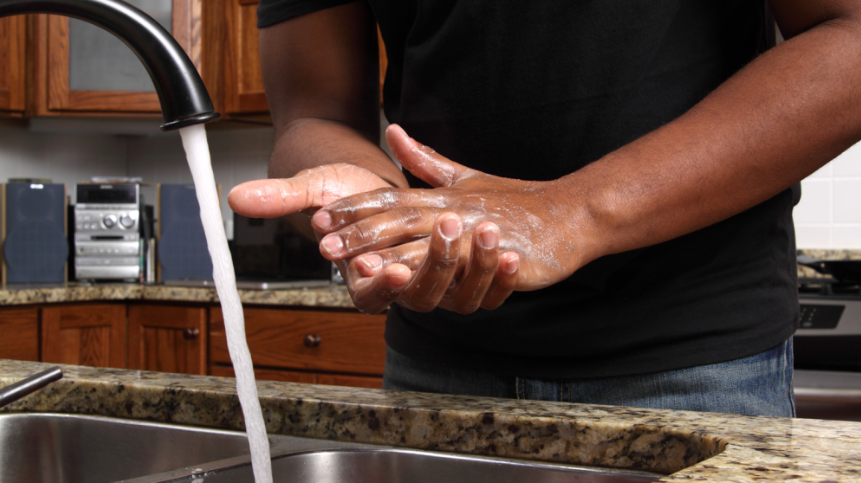
2. Lather by rubbing hands together. Get the backs of your hands, between your fingers, and under your nails.
3. Scrub for at least 20 seconds. Hum "Happy Birthday" twice if you need a timer.
4. Rinse thoroughly under clean running water.
5. Dry with a clean towel or air dry.
That 20-second scrubbing time is the critical factor. Most people wash for about 6 seconds — nowhere near enough for effective hand hygiene. Doubling or tripling your wash time will do more for germ removal than any special ingredient.
Choosing the Right Soap for Your Needs
For everyday handwashing at home, regular soap is perfectly adequate. It's gentler on skin, less expensive, and equally effective when used properly.
Consider antibacterial options if you're caring for someone with a compromised immune system, dealing with wound care, or working in food preparation environments where extra precaution is warranted.
When you do choose antibacterial soap, check the Drug Facts label on the back. Look for the active ingredient — most commonly benzalkonium chloride or chloroxylenol. Avoid products making vague "antibacterial" claims without listing a specific active ingredient.
And regardless of soap type, moisturize afterward. Frequent washing strips natural oils from skin, and cracked, dry hands actually harbor more bacteria than healthy skin.
Frequently Asked Questions (FAQ)
Is antibacterial soap better than regular soap for everyday use?
For most daily handwashing, no. Research consistently shows that regular soap with proper technique — 20 seconds of scrubbing with thorough rinsing — removes bacteria just as effectively as antibacterial formulas. The FDA itself has stated that there's no evidence antibacterial soaps provide additional health benefits for general consumers over plain soap and water.
Is triclosan still used in soap?
Triclosan was banned from consumer wash products in the United States in 2016 and has been restricted in many other countries since then. You won't find it in hand soaps or body washes sold in the U.S. However, it may still appear in certain FDA-approved toothpastes (like some Colgate Total formulations) and hospital-grade antiseptic products where its benefits are considered to outweigh risks.
Can antibacterial soap cause antibiotic resistance?
It's a legitimate concern, though the full picture is complex. Laboratory studies have shown that bacteria exposed to sub-lethal levels of certain antimicrobial agents can develop resistance — and sometimes cross-resistance to clinical antibiotics. However, real-world evidence of consumer antibacterial soap directly causing treatment-resistant infections is limited. Scientists generally recommend using antimicrobial products only when genuinely needed rather than as a daily default, as a precautionary measure.
What ingredient should I look for in antibacterial soap?
Benzalkonium chloride is the most common active ingredient in current antibacterial hand soaps. You'll find it listed on the Drug Facts panel (not just the regular ingredients list) on the product's packaging. Chloroxylenol (PCMX) is another legitimate active ingredient you might encounter. If a soap claims to be "antibacterial" but doesn't list an active ingredient on a Drug Facts label, be skeptical of that claim.
Does antibacterial soap kill viruses?
Most antibacterial active ingredients like benzalkonium chloride are designed to target bacteria specifically and have limited direct antiviral activity. However, the surfactant action of any soap — regular or antibacterial — is effective at removing viral particles from your skin. Soap molecules disrupt the lipid envelopes that surround many viruses (including coronaviruses and influenza), essentially pulling them apart. So for virus removal, the soap itself matters more than the antibacterial additive.