Making goat milk soap from scratch gives you full control over every ingredient that touches your skin. This cold process soap making tutorial walks you through the entire method — from freezing your milk to curing your finished bars — with precise measurements and safety guidance designed for complete beginners.
Whether you want gentler skincare, a rewarding craft hobby, or a path toward selling handmade soap bars, this guide delivers the foundation you need.
Why Goat Milk Soap Is Worth Making From Scratch
The shift toward natural soap ingredients has accelerated steadily, with consumers seeking transparency in what they apply to their skin daily. Goat milk soap sits at the intersection of effective skincare and clean formulation — and making it yourself amplifies both benefits.
Homemade goat milk soap retains its full glycerin content (a natural byproduct of saponification), costs less per bar over time, and contains zero synthetic detergents or preservatives. You choose every oil, every scent, and every additive.
Skin Benefits Backed by Science
Goat milk contains lactic acid, a gentle alpha-hydroxy acid that supports natural skin cell turnover without irritation. It also delivers vitamins A and E, both recognized for their roles in skin repair and antioxidant protection.
The triglycerides and fatty acids in goat milk help reinforce the skin's moisture barrier. Dermatologists frequently recommend goat milk-based cleansers for patients with eczema, psoriasis, and chronically dry skin because of its pH compatibility with human skin (typically 6.3–6.7).
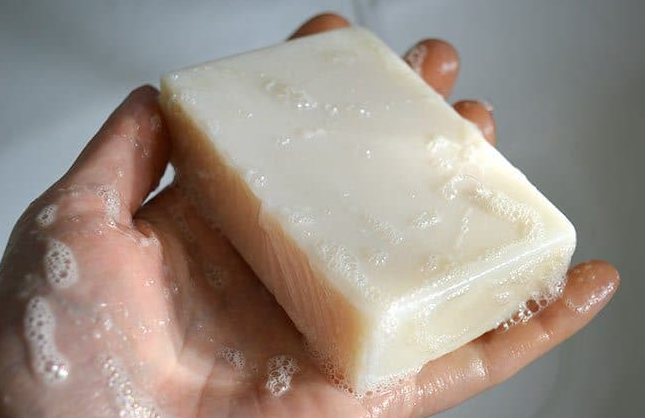
These properties make goat milk soap particularly suitable for sensitive skin types that react poorly to the alkaline pH and synthetic surfactants found in mass-produced bars.
Homemade vs. Store-Bought — What You Actually Get
The differences between a handmade goat milk bar and a commercial "soap" (often legally classified as a synthetic detergent bar) are significant. Here is a direct comparison:
| Factor | Homemade Goat Milk Soap | Typical Commercial Bar |
|---|---|---|
| Key ingredients | Goat milk, plant oils, lye (fully reacted) | Sodium tallowate, synthetic surfactants, fragrance |
| Cost per bar | $1.50–$3.00 (after initial investment) | $1.00–$6.00 retail |
| Shelf life | 12–18 months | 2–3 years (due to preservatives) |
| Customization | Unlimited (scent, color, additives, oil ratios) | None |
| Synthetic additives | None | Parabens, SLS, EDTA common |
| Glycerin content | Fully retained (natural humectant) | Often removed and sold separately |
Essential Ingredients and Equipment for Goat Milk Soap Making
Before starting your lye soap recipe, gather everything in advance. Cold process soap making moves quickly once lye meets oils, so preparation is non-negotiable.
Ingredients Breakdown
Frozen goat milk: Acts as your liquid base. Freezing into ice cubes prevents the sugars from scorching when lye is added. Use fresh, canned, or store-bought pasteurized milk.
Sodium hydroxide (lye): The alkali that triggers saponification. Without it, oils cannot become soap. Purchase 100% pure NaOH — no additives.
Base oils: These form the body of your soap. Each oil contributes different properties:
| Oil | Contribution to Soap | Recommended % in Recipe | Hardness/Lather Rating |
|---|---|---|---|
| Olive oil | Conditioning, gentle cleansing, longevity | 30–50% | Low hardness / Creamy lather |
| Coconut oil | Hardness, big bubbly lather, cleansing power | 20–30% | High hardness / Fluffy lather |
| Palm oil (sustainable/RSPO) | Hardness, stable lather, long bar life | 15–25% | High hardness / Stable lather |
| Shea butter | Conditioning, creaminess, skin feel | 5–15% | Medium hardness / Creamy lather |
| Castor oil | Lather boost, moisture, bubble stabilizer | 3–7% | Low hardness / Dense lather |
Essential oils: Added at trace for natural fragrance. Lavender, tea tree, and cedarwood are beginner-friendly options with predictable behavior in cold process.
Optional additives: Colloidal oatmeal, raw honey (use sparingly — sugars accelerate heating), clays, or botanical powders for color and texture.
Equipment Checklist
You will need: a digital kitchen scale with gram accuracy, an immersion (stick) blender, a digital thermometer, heat-safe stainless steel or heavy-duty plastic containers for lye mixing, a stainless steel pot for oils, silicone soap molds, rubber spatulas, and a fine-mesh strainer.
For safety: chemical-resistant gloves (nitrile recommended), splash-proof safety goggles, long sleeves, and white vinegar nearby for neutralizing lye spills on surfaces.
Safety Precautions When Working With Lye
Sodium hydroxide is a caustic substance that can cause severe chemical burns on contact. Always add lye to liquid — never liquid to lye — to prevent violent splashing.
Work in a well-ventilated area or outdoors. The fumes released when lye dissolves are irritating to the respiratory system. Keep children and pets completely out of your workspace during the entire process.
If lye contacts skin, flush immediately with cool running water for 15–20 minutes. Do not apply vinegar to skin burns — water is the correct first response. Have your safety gear on before you open the lye container.
Step-by-Step Cold Process Goat Milk Soap Recipe
This recipe produces approximately 8–10 bars (roughly 2 pounds of soap). All measurements are by weight, not volume.
Step 1 — Prepare the Goat Milk and Lye Solution
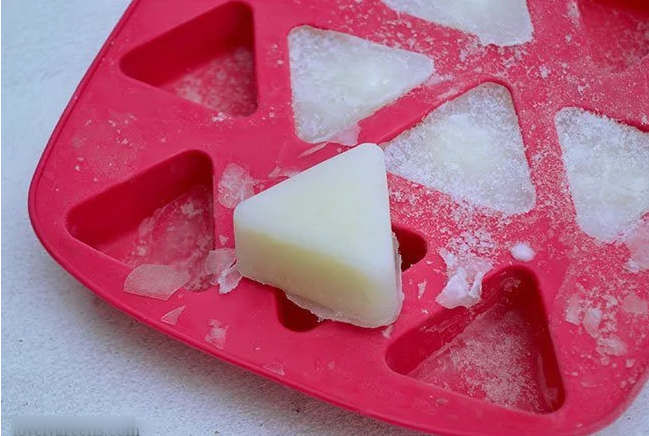
Freeze your goat milk into ice cube trays at least 24 hours before soap making day. Frozen milk prevents the lye from overheating the sugars, which causes an orange-brown discoloration and an unpleasant smell.
Place your frozen milk cubes in a heat-safe container set inside an ice bath. Slowly sprinkle lye over the frozen milk one tablespoon at a time, stirring gently between additions. The mixture will warm as the lye reacts — keep the temperature below 100°F by controlling your pace.
The solution will turn a pale yellow to light orange. This is normal. A deep brown color indicates the milk overheated — slow down your lye additions next time. Once fully dissolved, set aside to cool to 80–90°F.
Step 2 — Measure and Melt Your Oils
Weigh each oil precisely using your digital scale. Even small measurement errors in a lye soap recipe can produce bars that are lye-heavy or excessively soft.
Melt solid oils (coconut oil, shea butter, palm oil) gently over low heat. Remove from heat and add liquid oils (olive oil, castor oil). Stir to combine and allow the blend to cool to 90–100°F. Both your lye-milk solution and oil blend should be within 10°F of each other before combining.
Step 3 — Combine Lye Solution and Oils
Pour the lye-milk mixture through a fine-mesh strainer into your oils. The strainer catches any undissolved lye particles or milk solids.
Use your immersion blender in short 3–5 second bursts, alternating with stirring. You are looking for "trace" — the point where the batter thickens enough that drizzled soap leaves a visible trail on the surface. Light trace resembles thin pudding. Medium trace holds a ribbon pattern. For goat milk soap, work at light trace to allow time for additives.
Step 4 — Add Fragrance and Extras
At light trace, stir in your essential oils (typically 0.7–1 oz per pound of base oils), natural colorants, or exfoliants. Stir by hand — the immersion blender can accelerate trace too quickly at this stage.
Note: cinnamon, clove, and some floral fragrance oils can cause rapid acceleration or seizing. Stick with lavender, cedarwood, or citrus blends for your first batches.
Step 5 — Pour, Insulate, and Unmold
Pour the batter into your prepared silicone molds. Tap the mold firmly against your work surface several times to release trapped air bubbles. Smooth the top with a spatula.
Goat milk soap runs hotter than water-based recipes due to the milk sugars. Insulate lightly — a single towel is sufficient. Over-insulating can cause overheating, gel phase cracks, or a burnt appearance. Place in a draft-free location for 24–48 hours before unmolding.
Step 6 — The Soap Curing Process
Unmolded soap is not ready to use. The soap curing process takes 4–6 weeks and serves two critical purposes: excess water evaporates (creating a harder, longer-lasting bar), and the crystalline structure of the soap matures for a milder skin feel.
Place bars on a wire rack or cardboard with airflow on all sides. Turn them weekly. Cure in a cool, dry location away from direct sunlight.
| Week | What's Happening | What to Check |
|---|---|---|
| Week 1 | Saponification completing, initial water evaporation | Bars should feel firm; no oily weeping or crumbling |
| Week 2 | Continued moisture loss, bar hardening | Color stabilizing; no unusual spots or discoloration |
| Week 3–4 | Crystal structure maturing, pH dropping toward skin-safe range | pH test strips should read 8–10; zap test (touch to tongue) should produce no sting |
| Week 5–6 | Full cure achieved, bar at peak mildness and hardness | Bar feels waxy-smooth, lathers easily, no harsh sensation on skin |
Troubleshooting Common Goat Milk Soap Problems
Even experienced soap makers encounter issues. Here are the most common problems and their solutions.
Orange or Brown Discoloration
This happens when milk sugars overheat during lye addition. The solution is always the frozen milk method combined with slow, controlled lye addition. An ice bath beneath your mixing container provides additional temperature insurance. Discolored soap is still safe to use — it is purely cosmetic.
Soap Is Too Soft After Unmolding
If your bars dent easily or feel mushy after 48 hours, the likely causes are: too high a percentage of liquid oils (olive, castor), insufficient lye (check your calculations), or the bars simply need more time. Try waiting an additional 24–48 hours before unmolding. For future batches, increase coconut or palm oil percentages for a harder bar.
Lye-Heavy or Crumbly Bars
Crumbly texture with a waxy, white appearance often indicates excess lye — usually from measurement errors or incomplete mixing (false trace). Test with a pH strip; readings above 11 suggest a lye-heavy bar. These bars should not be used on skin. You can rebatch by grating and remelting with additional oils, or discard safely.
Rancidity and Dreaded Orange Spots (DOS)
Orange spots appearing weeks or months after curing indicate oil oxidation — particularly common with high-oleic oils. Prevent DOS by adding rosemary oleoresin extract (ROE) at 0.1% of total oil weight, storing cured bars in a cool dark place, and avoiding recipes with more than 5% linseed or hemp oil.
Customization Ideas for Your Handmade Soap Bars
Once you have mastered the base recipe, experimentation is where cold process soap making becomes genuinely creative.
Natural Colorants That Work With Goat Milk
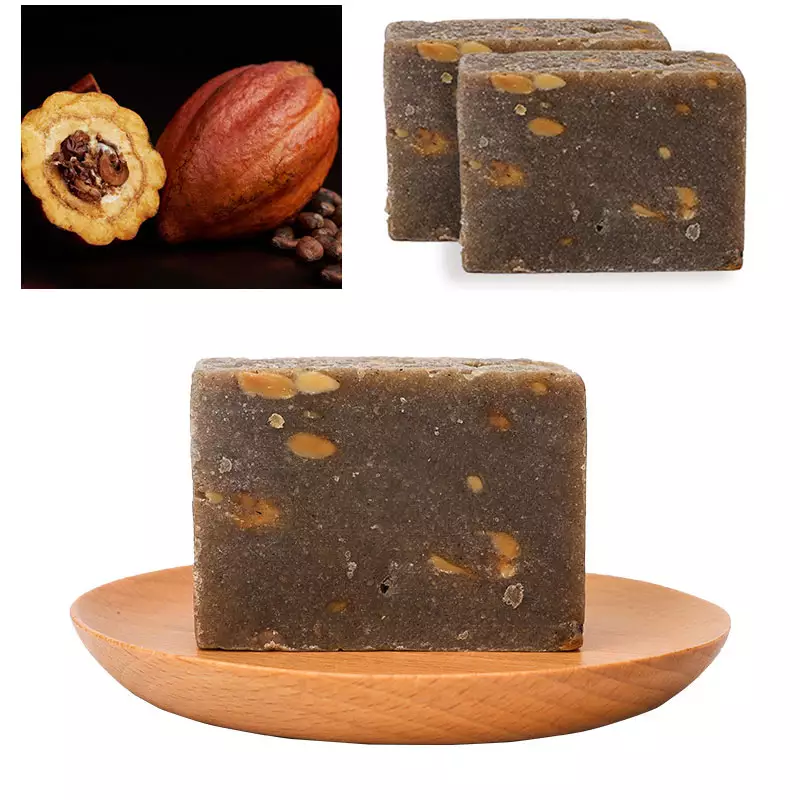
Goat milk soap has a naturally creamy base that pairs beautifully with earth-toned colorants. Turmeric powder (½ teaspoon per pound of oils) produces warm gold. Spirulina creates sage green. Activated charcoal gives dramatic black. Cocoa powder yields rich brown. French green clay or kaolin clay add subtle color while improving slip.
Add colorants at light trace, pre-dispersed in a small amount of oil to prevent clumping.
Essential Oil Blends for Beginners
Safe usage rates for essential oils in cold process soap are typically 3–5% of total oil weight. Popular beginner combinations include lavender and cedarwood (calming, woodsy), peppermint and eucalyptus (invigorating), and sweet orange with vanilla oleoresin (warm, comforting).
Avoid phototoxic citrus oils (cold-pressed bergamot, lime) in leave-on products, and keep cinnamon or clove oils below 0.5% to prevent skin sensitization.
Frequently Asked Questions
Can I use pasteurized goat milk from the store?
Yes. Store-bought pasteurized goat milk works perfectly well for cold process soap making. Fresh raw milk, canned evaporated goat milk (reconstituted), and even powdered goat milk are all viable options. Regardless of source, freeze the milk solid before adding lye to prevent scorching.
Is lye soap safe for sensitive skin?
Properly formulated and fully cured cold process soap contains no free lye. During saponification, sodium hydroxide reacts completely with the oils and ceases to exist as a separate substance. The resulting soap, especially with a 5–8% superfat, is gentle enough for most sensitive skin types. A full 4–6 week cure ensures the mildest possible bar.
How long does homemade goat milk soap last?
Expect a shelf life of 12–18 months when bars are stored in a cool, dry location away from direct sunlight and humidity. Bars with higher percentages of saturated fats (coconut, palm) tend to last longer than those heavy in unsaturated oils. Adding ROE or vitamin E at formulation extends shelf life further.
Can I make goat milk soap without lye?
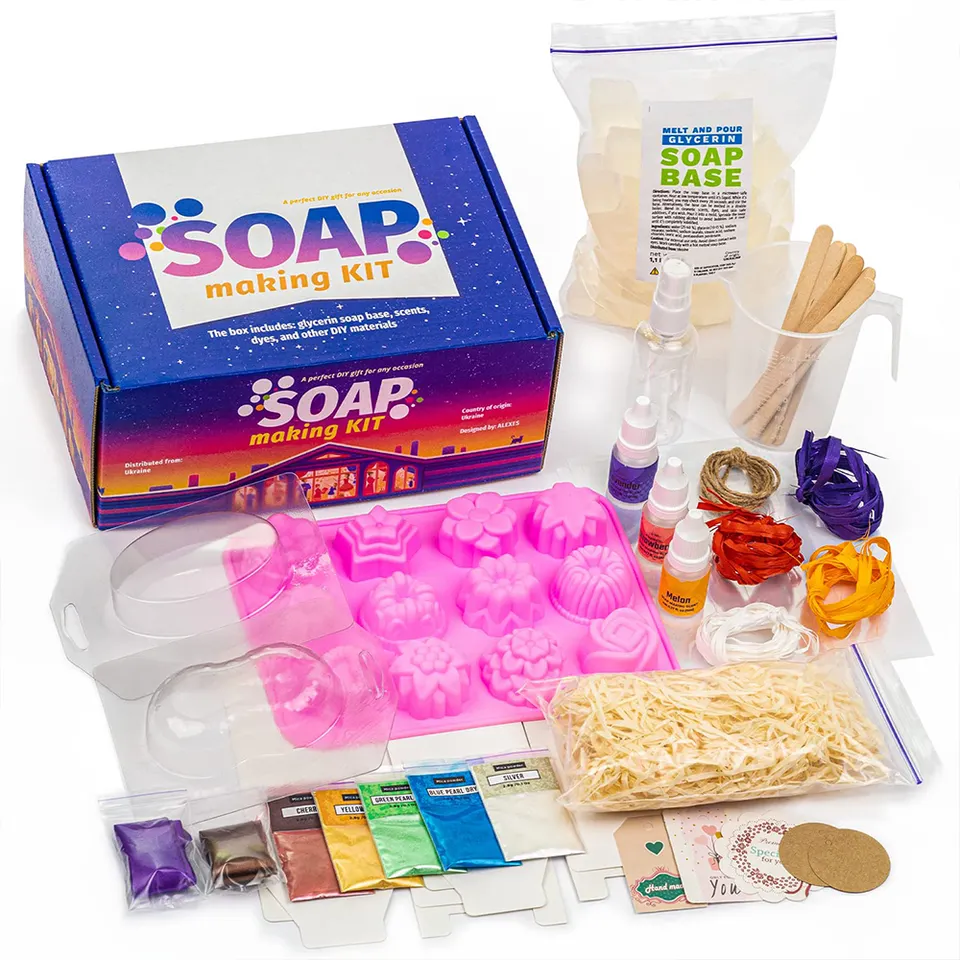
No. All true soap is the product of a chemical reaction between fats and sodium hydroxide (lye). There is no substitute for this reaction. However, melt-and-pour soap bases are pre-saponified — the lye reaction has already occurred — allowing you to customize without handling lye directly. This is not "from scratch" soap making, but it is a valid alternative for those uncomfortable with caustic materials.
What is the best oil combination for beginners?
A reliable starter recipe uses 40% olive oil, 30% coconut oil, and 20% palm oil (or shea butter), with 7% shea butter and 3% castor oil. This produces a hard bar with good lather, conditioning properties, and a forgiving trace time. Run every recipe through a lye calculator before proceeding.
How do I calculate lye amounts for a custom recipe?
Use a dedicated soap calculator such as SoapCalc or the Bramble Berry Lye Calculator. Input your oil weights and types, and the calculator determines the exact sodium hydroxide needed. Set your superfat (lye discount) to 5–8% for goat milk soap — this ensures extra unsaponified oils remain for skin conditioning. Never estimate lye amounts manually; precision to the gram is essential for safety.
Can I sell homemade goat milk soap?
In the United States, soap sold with only cleansing claims falls under FDA regulation as a cosmetic and requires proper labeling (ingredients listed in INCI format, net weight, manufacturer name and address). If you make therapeutic claims (treats eczema, heals skin), the product becomes a drug and requires FDA approval. Most sellers also carry product liability insurance. Check your state and local regulations, as requirements vary.