Your face is exposed to hundreds of environmental aggressors every single day — from pollution and UV radiation to bacteria and excess oil. Understanding the benefits of washing your face with soap can transform your complexion and protect your skin's long-term health.
This comprehensive guide explores the science behind facial cleansing, the advantages of incorporating soap into your routine, and how to choose the right formulation for your unique skin type.
Understanding Facial Cleansing: Why It Matters for Skin Health
The Science Behind Soap and Skin
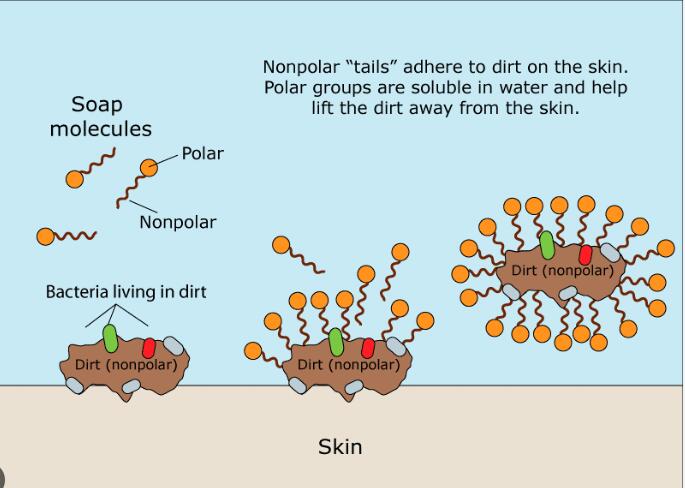
Soap works through a fascinating molecular mechanism. Surfactant molecules in soap have a dual nature — one end is hydrophilic (water-loving) and the other is lipophilic (oil-loving). This allows soap to bind with oils, dirt, and impurities on your skin's surface and wash them away with water.
The pH level of your skin's acid mantle sits around 5.5, which serves as a protective barrier against pathogens. When choosing a facial soap, understanding this pH balance is critical — formulations closer to your skin's natural pH minimize disruption while still delivering effective cleansing.
Modern soap chemistry has evolved significantly, with many facial-specific formulations now incorporating humectants, ceramides, and botanical extracts that cleanse without compromising the skin barrier.
How Dirt, Oil, and Bacteria Accumulate on Your Face Daily
Your sebaceous glands produce sebum continuously throughout the day, with peak production occurring during midday hours. This natural oil mixes with dead skin cells, sweat, and environmental particulate matter to form a layer that can clog pores and dull your complexion.
Urban environments expose your skin to nitrogen dioxide, ozone, and fine particulate matter (PM2.5) that penetrate the epidermis and generate free radicals. A consistent skin hygiene routine is essential for removing dirt and oil before these pollutants cause oxidative damage.
Bacterial colonies — including Cutibacterium acnes and Staphylococcus epidermidis — naturally inhabit your skin. While some bacteria are beneficial, an imbalanced microbiome fueled by excess sebum and dead cells can trigger inflammation, breakouts, and infections.
Key Benefits of Washing Your Face With Soap
Effective Removal of Dirt and Oil
The primary facial cleansing benefit is the thorough dissolution of excess sebum that accumulates in and around your pores. Soap's surfactant action lifts away the oily film that traps pollutants, dead cells, and bacteria against your skin.
When pores remain clogged, the trapped material oxidizes and forms blackheads, or becomes inflamed and develops into painful cystic lesions. Regular cleansing prevents this cascade by keeping the pore lining clear and allowing sebum to flow naturally to the surface.
Beyond pore health, removing the daily grime layer reveals the fresh, luminous skin beneath — immediately improving your complexion's radiance after each wash.
Antibacterial Properties That Protect Your Skin
Many soap formulations incorporate ingredients with face wash antibacterial properties, such as tea tree oil, neem extract, sulfur, and zinc pyrithione. These compounds target the specific bacterial strains responsible for acne, folliculitis, and other inflammatory skin conditions.
Unlike harsh antiseptics that indiscriminately destroy all microorganisms, well-formulated antibacterial facial soaps selectively reduce pathogenic bacteria while preserving the beneficial microbes that support skin immunity.
Consistent use of antibacterial cleansing also creates an environment less hospitable to fungal overgrowth, which can cause conditions like seborrheic dermatitis and pityrosporum folliculitis.
Prevention of Acne and Breakouts
Acne develops through a predictable sequence: excess sebum production, follicular hyperkeratinization, bacterial proliferation, and inflammation. Proper facial cleansing interrupts this cycle at multiple points simultaneously.
By removing the excess oil and dead cells that form comedonal plugs, soap prevents the anaerobic environment where C. acnes thrives. Studies consistently show that individuals who maintain a regular cleansing routine experience significantly fewer breakouts than those with inconsistent habits.
Both blackheads (open comedones) and whiteheads (closed comedones) respond well to consistent, gentle cleansing — particularly when the soap contains mild exfoliating agents like salicylic acid or lactic acid.
Improved Skin Texture and Tone
Dead skin cells accumulate at a rate of approximately 30,000 to 40,000 cells per hour. Without regular removal, this buildup creates a rough, uneven texture and contributes to a sallow, dull appearance.
Washing your face with soap provides gentle mechanical and chemical exfoliation that promotes smoother skin. The massaging action loosens dead cells while surfactants lift them away, revealing the fresher cells beneath.
Over time, this consistent renewal process leads to more even pigmentation, reduced appearance of dark spots, and a naturally glowing complexion that requires less makeup to look healthy.
Enhanced Absorption of Skincare Products
A layer of oil, dead cells, and environmental debris acts as a physical barrier that prevents your serums, moisturizers, and treatments from reaching the living cells where they work. Cleansing removes this barrier entirely.
Research demonstrates that active ingredients like retinol, vitamin C, and hyaluronic acid penetrate up to 50% more effectively when applied to properly cleansed skin. This means your entire skincare investment performs better when built on a foundation of clean skin.
This enhanced absorption applies equally to prescription treatments — dermatologists consistently emphasize cleansing before applying medicated creams for conditions like rosacea, melasma, and eczema.
Anti-Aging Benefits and Skin Cell Renewal
Your skin's natural cell turnover cycle slows with age — from approximately 28 days in your twenties to 45–60 days by your fifties. Regular cleansing supports this renewal process by preventing the dead cell accumulation that further slows turnover.
Clear pores allow for optimal oxygen exchange and nutrient delivery to skin cells, supporting collagen production and elastin integrity. The anti-aging benefits compound over years of consistent clear skin care practices.
Additionally, removing pollution particles and free radical-generating compounds each evening prevents the cumulative oxidative damage that accelerates fine lines, wrinkles, and age spots.
Reduction of Excess Shine and Oily Appearance
For those with overactive sebaceous glands, soap provides immediate relief from the greasy, shiny appearance that develops within hours of waking. Properly formulated cleansers remove excess surface oil while signaling the skin to moderate production.
Ingredients like activated charcoal, kaolin clay, and zinc help absorb oil at the pore level, providing longer-lasting mattifying effects. This creates a balanced, healthy-looking complexion without the artificial matte finish of heavy cosmetics.
Importantly, the right soap manages oil without triggering rebound overproduction — a common problem with overly harsh cleansers that strip the skin completely and cause compensatory sebum surges.
Comparison Table: Types of Soap for Facial Cleansing
| Soap Type | Best For | pH Level | Key Ingredients | Potential Drawbacks |
|---|---|---|---|---|
| Glycerin Soap | Dry/Sensitive Skin | 7–8 | Glycerin, natural oils | May not remove heavy makeup |
| Antibacterial Soap | Acne-Prone Skin | 8–10 | Tea tree oil, zinc pyrithione | Can be drying with overuse |
| Castile Soap | All Skin Types | 8–9 | Olive oil, coconut oil | Slightly alkaline for some |
| Charcoal Soap | Oily/Combination Skin | 7–9 | Activated charcoal, clay | May over-strip sensitive skin |
| Sulfur Soap | Acne/Oily Skin | 6–8 | Sulfur, salicylic acid | Strong smell, potential irritation |
| Goat Milk Soap | Sensitive/Mature Skin | 6–7 | Lactic acid, vitamins A & D | Shorter shelf life |
Benefits vs. Risks: When Soap Helps and When It Harms
Understanding both sides of facial cleansing helps you make informed decisions about your routine. The following table outlines the balance between advantages and potential concerns.
| Factor | Benefit | Potential Risk |
|---|---|---|
| Cleansing Power | Removes dirt, oil, and pollutants effectively | Over-cleansing strips natural moisture barrier |
| Antibacterial Action | Reduces acne-causing bacteria | May disrupt beneficial skin microbiome |
| Exfoliation | Smooths texture and clears pores | Irritation if used too aggressively |
| pH Impact | Some soaps match skin pH (~5.5) | Traditional bar soaps are often too alkaline |
| Fragrance | Pleasant user experience | Can trigger allergic reactions or sensitization |
| Cost-Effectiveness | Affordable clear skin care option | Cheap formulations may contain harsh chemicals |
How to Wash Your Face With Soap Correctly
Step-by-Step Facial Cleansing Routine
Proper technique matters as much as product selection. Follow this evidence-based approach for optimal results:
- Wet your face with lukewarm water — this opens pores slightly and prepares the skin to receive the cleanser without thermal shock.
- Lather soap between your hands first — never rub a bar directly on your face, as this creates uneven application and excessive friction.
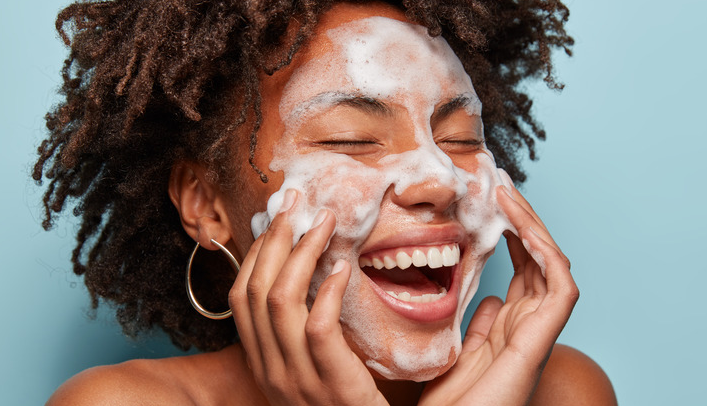
- Apply in gentle circular motions for 30–60 seconds — this duration allows surfactants sufficient contact time to dissolve impurities without over-stripping.
- Rinse thoroughly with lukewarm water — residual soap left on the skin causes irritation, dryness, and potential breakouts.
- Pat dry with a clean, soft towel — rubbing creates micro-tears and unnecessary friction that damages the skin barrier.
- Follow immediately with toner and moisturizer — applying hydrating products within 60 seconds of cleansing locks in moisture while pores are still receptive.
How Often Should You Wash Your Face?
The general dermatological recommendation is twice daily — once in the morning to remove overnight sebum and once in the evening to clear the day's accumulation of dirt, oil, and environmental pollutants.
However, individual needs vary. Those with very dry or sensitive skin may benefit from using soap only at night and rinsing with plain water in the morning. Conversely, people who exercise midday or work in polluted environments may need an additional gentle cleanse.
Climate plays a significant role as well. Humid environments stimulate greater sebum production, potentially warranting more frequent cleansing, while arid climates call for a gentler, less frequent approach to preserve moisture.
Common Mistakes That Damage Your Skin
Even with the right soap, poor technique can undermine your results and potentially harm your skin barrier. Avoid these frequent errors:
- Using water that's too hot or too cold — extreme temperatures cause capillary damage, inflammation, and barrier disruption.
- Scrubbing aggressively — forceful rubbing creates micro-abrasions that invite bacteria and trigger inflammatory responses.
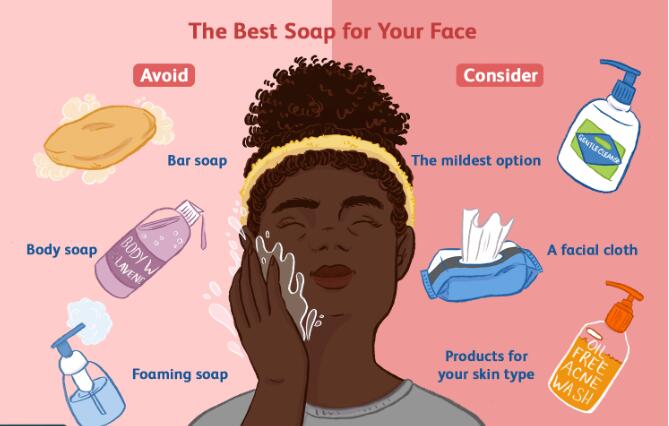
- Using body soap on the face — body soaps are formulated for thicker skin and typically have higher pH levels that damage delicate facial tissue.
- Skipping moisturizer after cleansing — even oily skin needs hydration post-cleanse to prevent rebound oil production.
- Over-washing throughout the day — cleansing more than 2–3 times daily destroys the acid mantle and leads to sensitization, redness, and paradoxical breakouts.
Choosing the Right Soap for Your Skin Type
Oily and Acne-Prone Skin
If your skin produces excess sebum and is prone to breakouts, look for soaps containing activated charcoal, sulfur, tea tree oil, or salicylic acid. These ingredients address oil at the source while providing antibacterial protection against acne-causing organisms.
Charcoal soap is particularly effective for removing dirt and oil from deep within pores, while sulfur soap has decades of clinical evidence supporting its efficacy against inflammatory acne. Avoid cream-based or heavily moisturizing soaps that may exacerbate congestion.
Dry and Sensitive Skin
Dry and sensitive skin types benefit most from glycerin soap, goat milk soap, or cream-based formulations that cleanse while depositing moisture-retaining ingredients. Look for added ceramides, shea butter, or oat extract that reinforce the skin barrier during cleansing.
The pH level is especially critical for sensitive skin — choose formulations between 5.5 and 7.0 to minimize disruption to the acid mantle. Fragrance-free options reduce the risk of allergic reactions and contact dermatitis.
Combination Skin
Combination skin presents a unique challenge: an oily T-zone paired with dry or normal cheeks. Gentle, pH-balanced castile soaps or mild glycerin formulations work well as universal cleansers for this skin type.
Some people with combination skin benefit from a zone-specific approach — using a slightly stronger cleanser on the forehead, nose, and chin while treating the cheeks more gently. However, a single well-formulated soap often suffices when technique is correct.
Mature and Aging Skin
Aging skin requires cleansers that respect its thinner, more fragile structure while still removing daily impurities. Goat milk soap provides gentle lactic acid exfoliation alongside vitamins A and D that support cell renewal.
Look for soaps enriched with hyaluronic acid, collagen-boosting peptides, or antioxidant-rich botanical oils like rosehip or argan. These ingredients provide anti-aging benefits during the cleansing step itself, maximizing the value of every moment in your routine.
Natural vs. Commercial Soaps: Which Delivers Better Results?
Benefits of Natural and Organic Face Soaps
Natural soaps typically contain plant-derived surfactants, cold-pressed oils, and botanical extracts that provide gentle yet effective cleansing. They avoid synthetic preservatives, petroleum-derived ingredients, and artificial colors that may sensitize reactive skin over time.
Many natural formulations retain glycerin — a humectant byproduct of saponification that commercial manufacturers often extract for separate sale. This retained glycerin provides inherent moisturizing properties that prevent post-wash tightness.
For environmentally conscious consumers, natural soaps also tend to be biodegradable, cruelty-free, and packaged sustainably — aligning skin health with ecological responsibility.
When Commercial Soaps Are the Better Choice
Dermatologist-formulated commercial cleansers offer precision that handmade soaps cannot always guarantee. Consistent pH levels, clinically tested concentrations of active ingredients, and rigorous quality control make them reliable choices for specific skin conditions.
Medicated soaps containing prescription-strength benzoyl peroxide, ketoconazole, or adapalene require pharmaceutical manufacturing standards. For conditions like severe acne, fungal infections, or rosacea, these targeted formulations outperform general natural alternatives.
Commercial soaps also offer longer shelf stability and more predictable results batch to batch — important factors for those who need consistent performance from their skin hygiene routine.
Ingredients to Avoid in Facial Soaps
Regardless of whether you choose natural or commercial options, certain ingredients have no place in facial cleansers:
- Sodium lauryl sulfate (SLS) — an aggressive surfactant that strips the skin barrier and causes irritation in many individuals.
- Parabens — synthetic preservatives with endocrine-disrupting potential that are increasingly being phased out of quality formulations.
- Artificial fragrances — complex chemical mixtures that represent one of the most common causes of contact dermatitis and skin sensitization.
- Formaldehyde releasers — preservatives like DMDM hydantoin and quaternium-15 that slowly release formaldehyde, a known irritant and carcinogen.
- Synthetic dyes — petroleum-derived colorants that serve no functional purpose and may trigger allergic reactions in sensitive individuals.
Expert Recommendations and Dermatologist Insights
What Dermatologists Say About Using Soap on Your Face
The professional consensus has evolved significantly. While dermatologists once universally discouraged bar soap for facial use, modern formulations have changed the conversation. Board-certified dermatologists now acknowledge that properly formulated facial soaps — particularly those with balanced pH and gentle surfactants — can be excellent cleansing options.
The key distinction experts emphasize is between "true soap" (made through saponification with high alkalinity) and "syndet bars" (synthetic detergent bars formulated at skin-friendly pH levels). Many products marketed as soap bars are actually syndets, offering the convenience of bar form with the gentleness of a liquid cleanser.
The best cleanser is one that effectively removes impurities without compromising the skin barrier — whether that comes in bar or liquid form matters far less than its formulation and pH level.
When to Switch From Soap to a Specialized Cleanser
Certain signs indicate that your current soap isn't serving your skin well. Persistent tightness or dryness within 30 minutes of washing, increased redness or sensitivity, worsening breakouts despite consistent use, or visible flaking all suggest a mismatch between your cleanser and your skin's needs.
Specialized alternatives include micellar water for ultra-sensitive skin, oil cleansers for very dry or mature skin, and prescription cleansers for dermatological conditions. These options provide targeted solutions when general soap formulations prove insufficient.
Seasonal transitions may also warrant temporary switches — a richer, gentler cleanser during harsh winter months and a more clarifying option during humid summer periods when oil production peaks.
Frequently Asked Questions (FAQ)
Is it safe to wash your face with soap every day?
Yes, provided you use a gentle, pH-appropriate soap formulated specifically for facial skin. Twice daily cleansing is generally safe and recommended for most skin types. The key is selecting a formulation that matches your skin's needs and always following with appropriate hydration.
Can washing your face with soap cause dryness?
It can if you use harsh, alkaline soaps not designed for the face. Traditional bar soaps often have pH levels of 9–10, which disrupts the acid mantle and causes transepidermal water loss. Choose moisturizing formulations with pH levels closer to 5.5–7.0 and always follow with a hydrating moisturizer to prevent dryness.
What is the best type of soap for acne-prone skin?
Sulfur soap, tea tree soap, and activated charcoal soap are popular and effective choices due to their antibacterial properties and ability to absorb excess oil without over-drying. Sulfur soap has particularly strong clinical evidence for reducing both inflammatory and non-inflammatory acne lesions.
Should I use bar soap or liquid soap on my face?
Both can work effectively for facial cleansing. Liquid facial cleansers often have better pH balance and more sophisticated formulations, while bar soaps can be equally effective if specifically formulated for facial use. The deciding factor should be the ingredient list and pH level rather than the physical form of the product.
Can soap remove makeup effectively?
Basic soap may struggle with heavy, waterproof, or long-wear makeup formulations. For full makeup removal, a double-cleansing method works best — use an oil-based cleanser or micellar water first to dissolve makeup, then follow with soap to remove any remaining residue and cleanse the skin itself.
Does washing your face with soap help with blackheads?
Regular cleansing with soap helps prevent new blackhead formation by keeping pores clear of excess oil and dead skin cells that oxidize into comedones. However, deep-set existing blackheads may require additional treatments such as salicylic acid serums, retinoids, or professional extractions for complete removal.
Is natural soap better than commercial soap for your face?
Not necessarily. The best choice depends entirely on your skin type, specific concerns, and ingredient sensitivities rather than whether the product carries a "natural" or commercial label. Some natural soaps have problematically high pH levels, while some commercial options are beautifully formulated with gentle, skin-identical ingredients.
At what age should you start a facial cleansing routine with soap?
Most dermatologists recommend introducing gentle facial cleansing around puberty — typically ages 10 to 13 — when hormonal changes trigger increased sebum production. Before this age, plain water is usually sufficient. Starting early with a simple, gentle routine establishes healthy habits that protect skin throughout life.