The debate between soap and shampoo has intensified as consumers seek simpler, more transparent personal care routines. The no-poo movement, minimalist skincare trends, and growing distrust of synthetic ingredients have all pushed people to reconsider using bar soap on hair.
But is it actually safe? The answer depends entirely on formulation. Not all soaps are created equal—a harsh laundry bar and a carefully crafted cold process soap made with conditioning oils are worlds apart in how they interact with your scalp and strands.
How Soap Works on Hair: The Science
The Saponification Process Explained
Soap is created through the saponification process—a chemical reaction between a strong alkali (lye) and fats or oils. When sodium hydroxide reacts with soap making oils like coconut, olive, or castor oil, it produces sodium salts of fatty acids (soap) plus glycerin.
The choice of oils directly affects the soap's cleansing strength, lather quality, and conditioning properties. Coconut oil creates a highly cleansing bar, while olive oil produces a gentler, more moisturizing result. This is why formulation expertise matters enormously when considering soap for hair use.
Soap pH Level and Its Impact on Hair
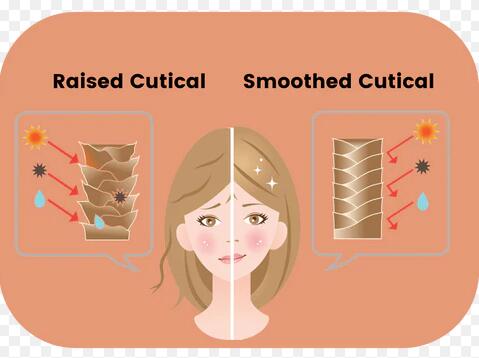
Here's where the science gets critical. Your hair and scalp have a natural pH between 4.5 and 5.5—mildly acidic. This acidity keeps the hair cuticle sealed flat, resulting in smooth, shiny strands. Traditional soap, by its chemical nature, is alkaline.
When you apply alkaline soap to hair, it forces the cuticle open. This can cause roughness, tangling, and increased vulnerability to damage. However, specialized hair soaps can be formulated to minimize this gap.
| Factor | Traditional Soap | Shampoo | Specialized Hair Soap |
|---|---|---|---|
| pH Range | 9–10 | 4.5–6.5 | 7–8.5 |
| Surfactant Type | Sodium salts of fatty acids | Synthetic detergents | Modified saponified oils |
| Residue in Hard Water | High | Low | Moderate |
| Scalp Stripping | Moderate–High | Low–Moderate | Low |
| Natural Ingredients | Often yes | Varies | Yes |
When Soap Can Be Good For Your Hair
Natural Soap Ingredients That Benefit Scalp Health
Certain essential oils for soap formulations offer genuine therapeutic benefits for the scalp. Tea tree oil has well-documented antifungal properties that combat dandruff. Peppermint oil stimulates circulation, while rosemary oil has been linked to hair growth support in preliminary research.
Cold process soap making is particularly relevant here because it retains the naturally produced glycerin—a humectant that draws moisture to the scalp and hair. Commercial shampoos often have glycerin removed during manufacturing for use in other products.
Hair Types That Respond Well to Soap Washing
Hair washing with soap tends to work best for people with short hair, naturally oily scalps, or those specifically avoiding sulfates and synthetic detergents. Fine, straight hair that gets greasy quickly often responds well to the thorough cleansing soap provides.
People with very hard water, color-treated hair, or dry, curly textures generally have a harder time making soap work without significant adjustments to their routine.
When Soap Is Bad For Your Hair
Hard Water + Soap = Soap Scum Buildup
In areas with hard water (high mineral content), soap reacts with calcium and magnesium ions to form an insoluble residue—soap scum. This coats hair strands, making them feel waxy, heavy, and dull. No amount of rinsing with hard water will fully remove it.
Color-Treated or Chemically Processed Hair Risks
The alkaline pH of soap opens the hair cuticle, which accelerates color fading. Chemically relaxed or permed hair is already structurally compromised, and the additional cuticle disruption from high-pH soap can lead to significant damage and breakage.
Long-Term Cuticle Damage From High pH
Repeated exposure to alkaline products without pH-balancing rinses can cause cumulative cuticle erosion. Over months, this manifests as increased porosity, frizz, split ends, and a rough texture that no conditioner can fully repair.
Soap vs Shampoo: A Direct Comparison
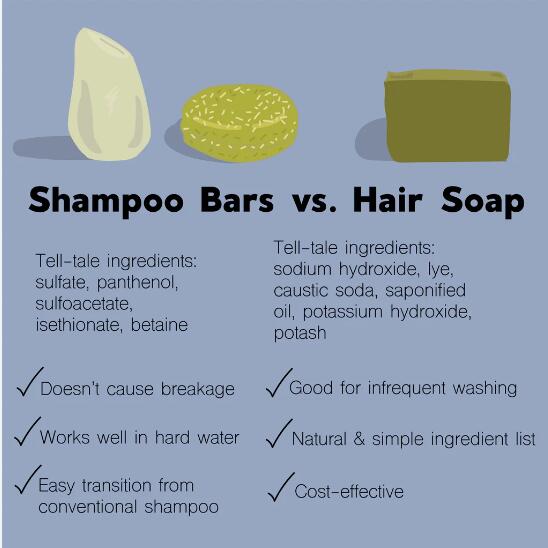
For consumers and brands alike, understanding the practical differences helps inform better product choices and development decisions.
| Criteria | Bar Soap on Hair | Shampoo | Custom-Formulated Hair Soap |
|---|---|---|---|
| Ingredient Transparency | High | Varies | High (controlled formulation) |
| Environmental Impact | Low packaging waste | Higher waste | Low waste, bulk manufacturing |
| Cost Per Wash | Very low | Moderate | Low (especially via OEM production) |
| Scalp Compatibility | Varies | Generally good | Optimized for hair and scalp |
| Customization Options | Limited | Brand-dependent | Full (private label options available) |
How to Properly Wash Hair With Soap
Step-by-Step Method
- Wet hair thoroughly with warm water to open the cuticle slightly and allow even distribution.
- Lather the soap in your hands first—never rub the bar directly on your hair, as this creates uneven application and tangles.
- Apply to the scalp only, massaging gently with fingertips. Let the lather run through the lengths as you rinse.
- Rinse completely with warm water for at least 60 seconds longer than you think necessary.
- Follow with an acidic rinse to restore pH balance and seal the cuticle.
The Apple Cider Vinegar Rinse (Restoring pH)
Mix 1–2 tablespoons of raw apple cider vinegar in one cup of cool water. Pour through hair after rinsing out soap, leave for 30 seconds, then rinse with cool water. This restores the hair's natural acidic pH, seals the cuticle, and removes any soap residue.
The vinegar smell dissipates completely once hair dries. Some people substitute citric acid or diluted lemon juice for the same pH-balancing effect.
Transition Period: What to Expect
Switching from shampoo to soap typically involves a 2–4 week adjustment period. During this time, your scalp recalibrates its oil production, and hair may feel waxy or heavy as residual silicone buildup from previous products interacts with the soap.
Patience is essential. Most people who push through this phase report that their hair eventually feels cleaner, lighter, and requires less frequent washing.
Choosing the Right Soap For Hair
Key Ingredients to Look For
The best soap making oils for hair include olive oil (gentle cleansing, conditioning), castor oil (rich lather, strengthening), and argan oil (moisture and shine). A well-balanced recipe combines cleansing oils with conditioning ones.
Essential oils soap bars designed for scalp care often feature tea tree, cedarwood, or lavender. Proper soap curing time—typically 4–6 weeks for cold process bars—ensures a milder, harder bar that lasts longer and performs better on hair.
What to Avoid
Not every lye soap recipe is suitable for hair. Avoid bars with high coconut oil percentages (above 30%) without balancing conditioners, as these strip aggressively. Synthetic fragrances and artificial dyes can irritate sensitive scalps and offer no functional benefit.
Soaps with added detergents or those made with low-quality tallow may leave unpleasant residues and odors in hair.
Why Formulation Expertise Matters
Not every lye soap crafting method produces hair-safe results. The ratio of oils, superfat percentage, additives, and curing conditions all influence the final product's performance on hair versus skin.
Professional manufacturers like Poleview Biotech Co., Ltd. specialize in developing soap formulations optimized for specific uses—including hair and scalp care—through controlled cold process soap making, precise oil blending, and rigorous testing protocols. This level of formulation science is difficult to replicate in small-batch or home production.
Custom Soap Solutions: OEM and ODM Manufacturing
For brands exploring soap-based hair care products, partnering with an experienced private label soap manufacturer eliminates the guesswork of R&D, regulatory compliance, and scaling production.
| Service | What You Get |
|---|---|
| OEM Soap Production | Your formula, manufactured at scale with consistent quality |
| ODM Soap Development | Custom formulation developed specifically for your brand and target market |
| White Label Soap Production | Ready-made formulas with custom soap branding and packaging |
| Bulk Soap Manufacturing | Cost-efficient large-volume production with flexible MOQs |
| Private Label Skincare Products | Full product line expansion beyond soap into complementary categories |
Poleview Biotech offers end-to-end OEM and ODM soap product development—from selecting optimal soap making oils and essential oils to final packaging design. This makes them an ideal partner for brands entering the natural hair care space without investing in their own manufacturing infrastructure.
Frequently Asked Questions
Can I use regular bar soap on my hair every day?
Not recommended. Regular soap's high pH (9–10) can strip natural oils over time, leading to dryness and brittleness. A soap specifically formulated for hair—with a lower pH, higher superfat percentage, and conditioning oils—is significantly safer for frequent use. Always follow with an acidic rinse.
Does soap cause hair loss?
Soap itself does not cause hair loss. However, prolonged use of high-pH soap without proper rinsing can weaken hair strands and cause breakage at the shaft, which mimics the appearance of thinning. Proper formulation and technique prevent this issue entirely.
What's the best natural soap for scalp issues like dandruff?
Soaps containing tea tree oil, neem, or activated charcoal—made via cold process soap making to retain beneficial compounds—tend to help with flaking and irritation. The key is ensuring these active ingredients survive the saponification process at effective concentrations, which requires precise formulation knowledge.
How long does the soap-to-hair transition period last?
Typically 2–4 weeks. During this time, hair may feel waxy or heavier than usual as it adjusts from synthetic detergents and silicone-based conditioners. Using a clarifying rinse before starting and maintaining consistent apple cider vinegar rinses can shorten this period.
Can I create my own branded hair soap product line?
Yes. An OEM soap supplier like Poleview Biotech can develop custom formulations tailored to specific hair types, scalp conditions, and brand positioning. Through white label soap production or full ODM development, you can launch a complete product line without building manufacturing capabilities in-house.
Launch Your Custom Hair Soap Brand
The market for natural, soap-based hair care is growing as consumers demand transparency, sustainability, and fewer synthetic chemicals. Whether you envision a single hero product or a full scalp-care line, professional formulation makes the difference between a product that works and one that disappoints.
Poleview Biotech Co., Ltd. provides full-service OEM and ODM soap manufacturing—from initial concept and oil selection through formulation testing, bulk production, and branded packaging. Their expertise in the saponification process and natural soap ingredients ensures your product delivers real results.
Ready to develop a soap-based hair care line backed by professional formulation science? Contact Poleview Biotech today for a free consultation and sample development. Turn your brand vision into a market-ready product with a trusted manufacturing partner.