Cold process soap making is one of the most rewarding crafts you can learn at home. With full control over ingredients, scents, and designs, you'll create luxurious bars that outperform anything on store shelves. This guide walks you through every step — from understanding the chemistry to pouring your first batch.
What Is Cold Process Soap Making?
Understanding the Saponification Process
The saponification process is the chemical reaction between fats (oils or butters) and an alkali (sodium hydroxide, commonly called lye). When these combine, they transform into soap and glycerin — no synthetic detergents involved.
Cold process soap making relies on the heat generated by the reaction itself, rather than external heat sources. This distinguishes it from hot process methods (which use a crockpot to accelerate saponification) and melt-and-pour techniques (which use pre-made soap bases).
The result is a bar with retained glycerin, superior moisturizing properties, and complete creative freedom over natural soap ingredients.
Why Beginners Choose Cold Process Soap Making
Cold process offers unmatched creative control. You select every oil, fragrance, and colorant — designing bars tailored to your skin type or aesthetic preferences.
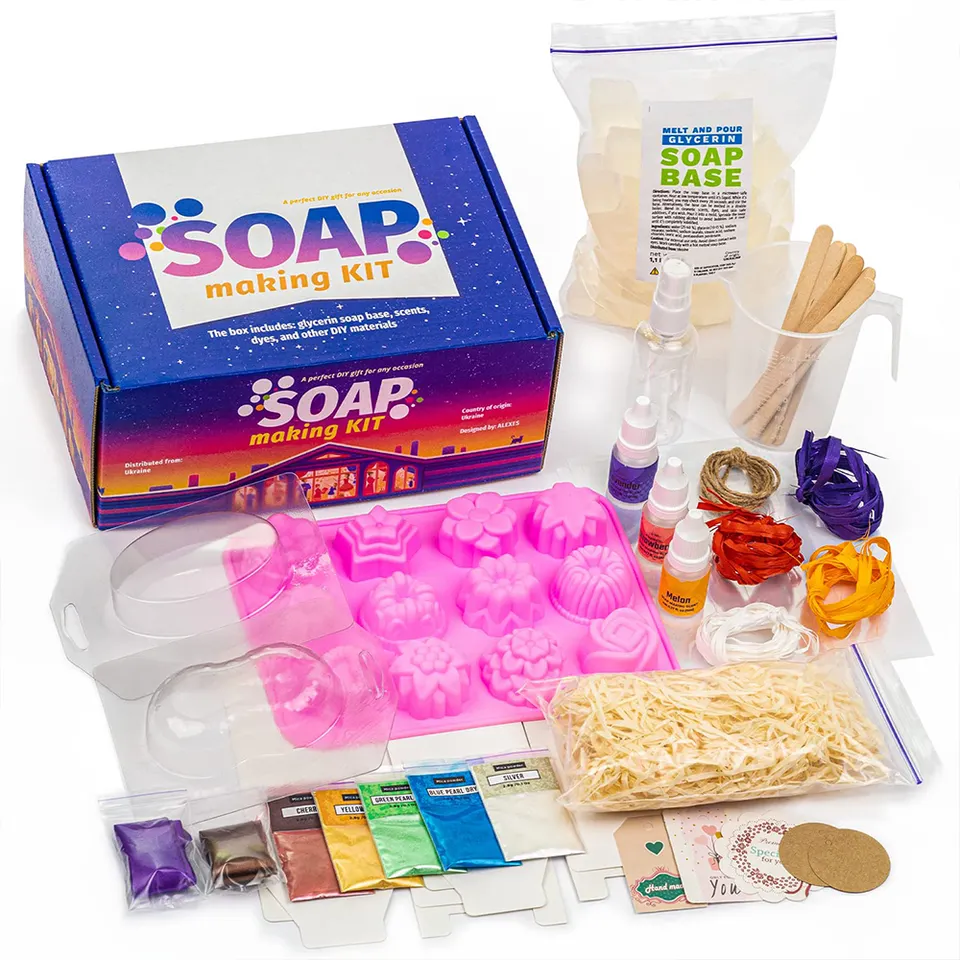
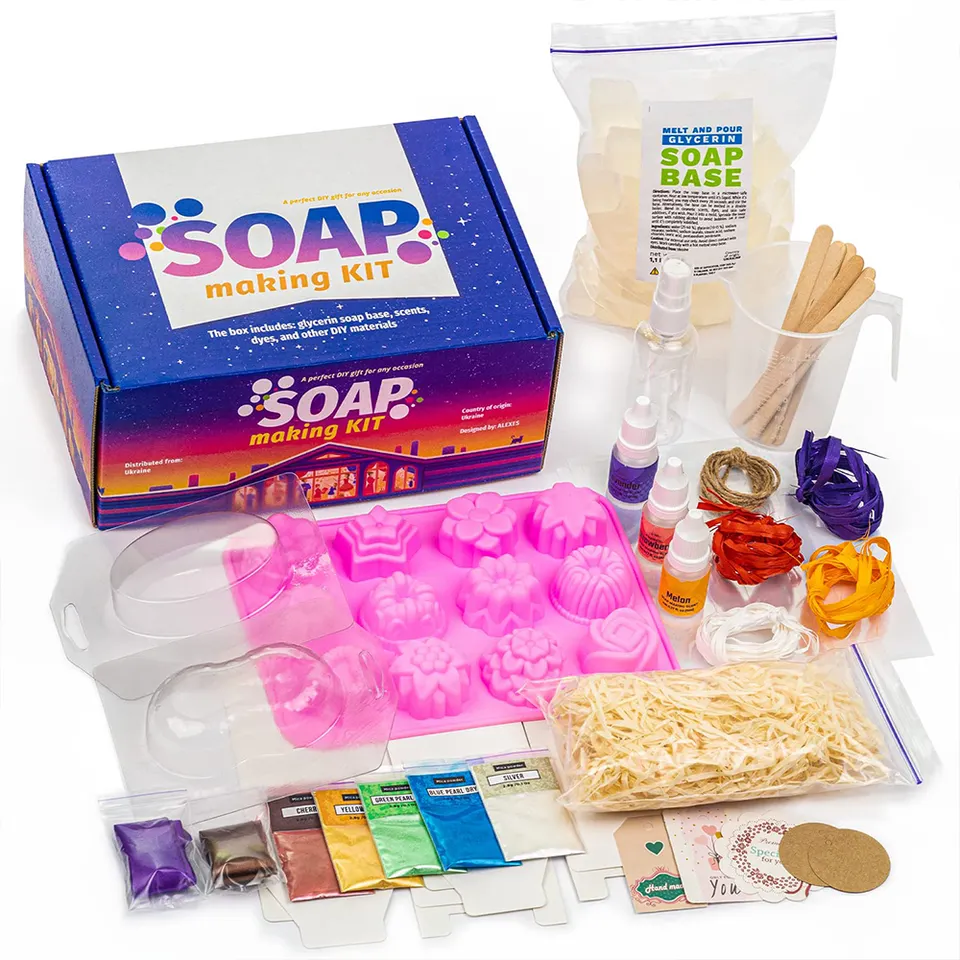
It's also cost-effective long-term. Once you invest in basic equipment, each batch costs a fraction of premium artisan soaps. Many beginners start with soap making kits that include pre-measured ingredients, eliminating guesswork and reducing the learning curve significantly.
Companies like Poleview Biotech, a professional soap manufacturer, offer comprehensive soap making kits designed specifically for home crafters who want a guided introduction to lye soap crafting without sourcing dozens of individual supplies.
Essential Ingredients and Tools for Your First Lye Soap Recipe
Core Natural Soap Ingredients
| Ingredient Category | Examples | Role in Soap |
|---|---|---|
| Base Oils | Olive oil, coconut oil, palm oil, shea butter | Determine hardness, lather quality, and moisturizing properties |
| Lye (NaOH) | Sodium hydroxide (food-grade purity) | Triggers the saponification process |
| Liquids | Distilled water, goat milk, herbal teas | Dissolves lye; can add skin-nourishing benefits |
| Additives | Essential oils for soap, clays, oatmeal, botanicals | Provide scent, color, and exfoliation |
| Colorants | Micas, iron oxides, natural plant powders | Aesthetic customization and design |
Must-Have Soap Making Tools
| Tool | Purpose |
|---|---|
| Digital scale | Precise measurement by weight (never volume) |
| Immersion blender | Achieves trace quickly and evenly |
| Infrared thermometer | Monitors lye and oil temperatures accurately |
| Silicone mold | Easy unmolding, flexible designs, simple cleanup |
| Safety gear (goggles, gloves, long sleeves) | Essential protection from caustic lye |
| Stainless steel pot | Non-reactive container for mixing oils and lye |
| Spatulas and spoons | Stirring and scraping batter into molds |
Choosing the Best Soap Making Oils
Each oil contributes unique properties to your finished bar. Coconut oil produces abundant, fluffy lather and adds hardness. Olive oil creates a gentle, conditioning bar ideal for sensitive skin. Castor oil (used at 5–8%) boosts bubble stability and adds a silky feel.
Palm oil contributes hardness and a creamy lather, while shea butter and cocoa butter increase luxury and moisturizing qualities. Balancing these soap making oils is key to a well-rounded recipe.
For beginners unsure about formulating from scratch, Poleview Biotech's soap making kits include pre-measured oil blends calculated for optimal balance — so you can focus on technique rather than math.
Step-by-Step Cold Process Soap Making Tutorial
Step 1 — Prepare Your Workspace and Safety Gear
Work in a well-ventilated area, ideally near an open window or under a range hood. Lye produces fumes when mixed with water that can irritate your respiratory system.
Put on safety goggles (not just glasses), chemical-resistant gloves, and long sleeves before handling lye. Keep a bottle of white vinegar nearby — while it won't neutralize a lye burn, it helps with cleanup. If lye contacts skin, flush immediately with cool running water for 15+ minutes.
Clear your workspace of clutter, pets, and children. Lay down newspaper or a silicone mat for easy cleanup.
Step 2 — Measure and Mix the Lye Solution
Using your digital scale, weigh the exact amount of sodium hydroxide specified in your lye soap recipe. Separately weigh your distilled water in a heat-safe container (Pyrex or heavy-duty plastic #5).
Critical rule: Always add lye TO water — never water to lye. Adding water to lye can cause a violent, boiling reaction. Stir gently until fully dissolved. The solution will heat to approximately 200°F (93°C) immediately.
Set the lye solution aside in a safe location to cool to your target temperature of 100–110°F (38–43°C). This typically takes 30–60 minutes.
Step 3 — Melt and Combine Your Soap Making Oils
While the lye cools, weigh your solid oils (coconut oil, palm oil, butters) and melt them gently using a double boiler or microwave in short bursts. Once melted, add your liquid oils (olive oil, castor oil) to the pot.
Allow the combined oils to reach a temperature close to your lye solution — ideally within 10°F of each other, targeting that 100–110°F range. Temperature matching helps achieve a smooth, even trace.
Step 4 — Combine Lye Solution with Oils
Pour the cooled lye solution slowly into your oil pot through a fine strainer (to catch any undissolved particles). Begin blending with your immersion blender in short bursts — 3–5 seconds on, then stir manually, repeat.
You're aiming for "trace" — the point where the batter thickens to a light pudding consistency. When you drizzle batter across the surface and it leaves a visible trail before sinking back, you've reached light trace. This typically takes 2–5 minutes with a stick blender.
Step 5 — Add Essential Oils, Colors, and Additives
At light trace, stir in your essential oils for soap bars (lavender, tea tree, peppermint, or custom blends). A standard usage rate is 2–3% of total oil weight. Add natural colorants like mica powders, activated charcoal, or spirulina at this stage as well.
For exfoliants (oatmeal, poppy seeds, coffee grounds), fold them in gently with a spatula. Work quickly — the batter continues to thicken as the saponification process progresses.
Step 6 — Pour into Mold and Insulate
Pour the soap batter into your prepared silicone mold. Tap the mold firmly against the counter several times to release trapped air bubbles. Smooth the top with a spatula or create textured peaks for a rustic look.
Cover the mold with a piece of cardboard, then wrap with a towel or blanket. This insulation encourages "gel phase" — a heating stage that intensifies colors and ensures complete saponification throughout the bar.
Step 7 — Unmold and Cut
After 24–48 hours, your soap should be firm enough to unmold. If it's still soft, wait another 12–24 hours. Gently flex the silicone mold to release the soap block.
Using a sharp knife or soap cutter, slice into bars of your desired thickness (typically 1–1.25 inches). Wear gloves during this step — the soap is not yet fully cured and may still be mildly irritating to skin.
Step 8 — Curing Your Soap
Place cut bars on a rack or wax paper in a cool, dry area with good airflow. Space them at least an inch apart so air circulates freely around each bar.
The standard soap curing time for cold process is 4–6 weeks minimum. During curing, excess water evaporates (producing a harder, longer-lasting bar) and the saponification process completes fully, resulting in a milder pH. Some recipes with high olive oil content benefit from 8–12 weeks of curing.
Patience here is non-negotiable. A properly cured bar lasts longer, lathers better, and feels gentler on skin.
Beginner-Friendly Lye Soap Recipe
Simple 3-Oil Cold Process Recipe
This balanced formula produces a hard, well-lathering bar with excellent conditioning properties — perfect for your first batch.
| Ingredient | Weight | Percentage / Notes |
|---|---|---|
| Olive oil | 400 g | 40% — conditioning and gentleness |
| Coconut oil (76°) | 350 g | 35% — lather and hardness |
| Palm oil (sustainable, RSPO-certified) | 250 g | 25% — creamy lather and bar firmness |
| Sodium hydroxide (lye) | 141 g | Calculated via lye calculator at 5% superfat |
| Distilled water | 340 g | 38% of total oil weight |
| Essential oil blend | 50 g | ~3% of oil weight (e.g., lavender + cedarwood) |
Yield: Approximately 8–10 bars depending on mold size and cutting thickness.
Tips for Customizing Your First Batch
Superfat percentage: The recipe above uses 5% superfat, meaning 5% of oils remain unsaponified for extra moisture. Increase to 7–8% for a more conditioning bar, or reduce to 3% for a harder, cleansing bar.
Fragrance load: Stay within 2–3% of oil weight for essential oils. Some fragrances (like clove or cinnamon) can irritate skin at higher concentrations. Always check IFRA guidelines for safe usage rates.
Swirl techniques: For beginners, try a simple "in-the-pot swirl" — add colorant to a portion of batter, pour it back, and give one or two figure-eight stirs before pouring into the mold. This creates organic, marbled patterns without requiring advanced skills.
Common Mistakes Beginners Make (and How to Avoid Them)
Lye Safety Errors
The most dangerous mistake is adding water to lye (instead of lye to water), which can cause a volcanic eruption of caustic liquid. Always remember: "Snow falls on the lake" — lye crystals sprinkled into water.
Never use aluminum containers with lye — it reacts violently. Stick to stainless steel, heat-safe glass, or #5 plastic.
Incorrect Temperatures
Combining lye and oils at vastly different temperatures can cause "false trace," ricing, or separation. Keep both within 100–110°F and within 10°F of each other for best results.
Soaping too hot (above 130°F) can cause overheating, cracking, or partial gel — resulting in an uneven appearance.
False Trace vs. True Trace
False trace occurs when solid oils (like palm or cocoa butter) begin to re-solidify, thickening the batter without actual saponification. The result looks like trace but separates later in the mold.
To avoid this, ensure all solid oils are fully melted and your temperatures are adequate. True trace holds its consistency even after you stop blending. If unsure, blend a few more seconds and test again.
Using Fragrance Oils That Accelerate or Seize
Some fragrance oils (particularly those containing vanillin, floral aldehydes, or clove) can cause rapid acceleration or complete seizure — turning your batter into an unworkable solid within seconds.
Always research fragrance behavior in cold process before using. Add fragrances at light trace and stir by hand first. If you're new, stick with reliable essential oils for soap like lavender, lemongrass, or peppermint, which behave predictably.
Scaling Up — From Hobby to Business with a Private Label Soap Manufacturer
When to Consider OEM/ODM Soap Production
You've perfected your recipes, friends and family are placing repeat orders, and local retailers are asking about wholesale. These are clear signs you've outgrown home production.
Other indicators include: struggling to meet demand with kitchen-scale batches, needing product liability insurance, facing regulatory labeling requirements, or wanting consistent quality across hundreds of bars. At this stage, partnering with a professional manufacturer makes strategic and financial sense.
Benefits of Partnering with a Bulk Soap Manufacturer in China
| Benefit | Details |
|---|---|
| Cost efficiency | Bulk soap manufacturing in China reduces per-unit cost by 40–70% compared to domestic small-batch production |
| Custom formulation | An OEM soap supplier develops your unique recipe at scale, maintaining your signature ingredients and ratios |
| Custom soap branding | Full packaging design with your logo, brand colors, and messaging — ready for retail shelves |
| White label options | White label soap production allows fast market entry using proven, tested formulations |
| Quality control | GMP-certified facilities ensure batch-to-batch consistency and regulatory compliance |
| Low MOQ options | Accessible minimums for small brands, startups, and market-testing new product lines |
How Poleview Biotech Supports Soap Makers at Every Stage
Poleview Biotech (poleview生物科技有限公司) is a professional soap manufacturer that bridges the gap between hobbyist crafting and commercial production. They understand the soap maker's journey because they support both ends of it.
For beginners and hobbyists: Poleview offers complete soap making kits with pre-measured ingredients, detailed instructions, and quality tools — everything needed to craft beautiful bars at home without sourcing individual components.
For brands ready to scale: Their full OEM and ODM services include custom formulation development, private label skincare products, custom soap branding, and white label soap production. Whether you need 500 units for a market test or 50,000 for retail distribution, their GMP-certified facilities deliver consistent quality with flexible minimum order quantities.
This dual capability — educational kits plus commercial manufacturing — makes Poleview a unique partner for soap makers who want to grow from kitchen experiments into a thriving brand.
Frequently Asked Questions
Is cold process soap making safe for beginners?
Yes, absolutely — provided you follow proper safety protocols. Wear goggles, chemical-resistant gloves, and long sleeves when handling lye. Work in a ventilated space and keep children and pets away. Starter kits from manufacturers like Poleview Biotech simplify the process with clear instructions and pre-measured ingredients, reducing the margin for error.
How long does soap curing time take?
Cold process soap requires a minimum of 4–6 weeks of curing time. During this period, water evaporates and the bar becomes harder, milder, and longer-lasting. High olive oil recipes ("Castile" soaps) benefit from 8–12 weeks. Never skip or rush curing — it directly impacts bar quality and skin gentleness.
Can I make soap without lye?
No. All true soap is the product of saponification — the reaction between lye (sodium hydroxide) and oils. There is no substitute for this chemistry. Melt-and-pour soap bases have already undergone saponification during manufacturing, which is why they don't require you to handle lye directly. But lye was still used to create them.
What essential oils are best for soap?
Lavender, tea tree, peppermint, and eucalyptus are among the most popular essential oils for soap bars. They offer excellent scent retention through the saponification process, provide genuine skin benefits, and behave predictably in cold process batter. Citrus oils (lemon, orange) fade faster and may require anchoring with a heavier base note like cedarwood or patchouli.
What's the difference between OEM and private label soap?
An OEM soap supplier creates a completely custom formula based on your specifications — your unique recipe, manufactured at scale under your brand. Private label (or white label soap production) uses the manufacturer's existing, proven formulations packaged with your branding. OEM offers more uniqueness; private label offers faster time-to-market and lower development costs.
How do I find a reliable private label soap manufacturer?
Look for GMP certification, transparent ingredient sourcing, demonstrated experience in your product category, low MOQ flexibility for startups, and comprehensive custom soap branding capabilities. Request samples before committing to large orders. Manufacturers like Poleview Biotech check all these boxes and offer both OEM and ODM services, making them a strong choice for emerging soap brands seeking a dependable production partner.
Start Your Soap Making Journey Today
Whether you're mixing your very first lye soap recipe at the kitchen counter or preparing to launch a brand that reaches thousands of customers, the path forward starts with a single step.
For home crafters: Poleview Biotech's beginner soap making kits give you everything needed to create stunning cold process bars — premium soap making oils, pure essential oils, molds, safety gear, and step-by-step guidance. No guesswork, no hunting for supplies.
For entrepreneurs ready to scale: Their OEM/ODM team specializes in turning your handcrafted recipes into commercially viable products. From custom formulation and private label skincare products to full packaging design and bulk soap manufacturing — they handle production so you can focus on building your brand.
Ready to take the next step? Explore Poleview Biotech's soap making kits to start crafting at home — or contact their OEM/ODM team today to discuss custom soap branding, white label soap production, and scalable manufacturing solutions tailored to your vision.