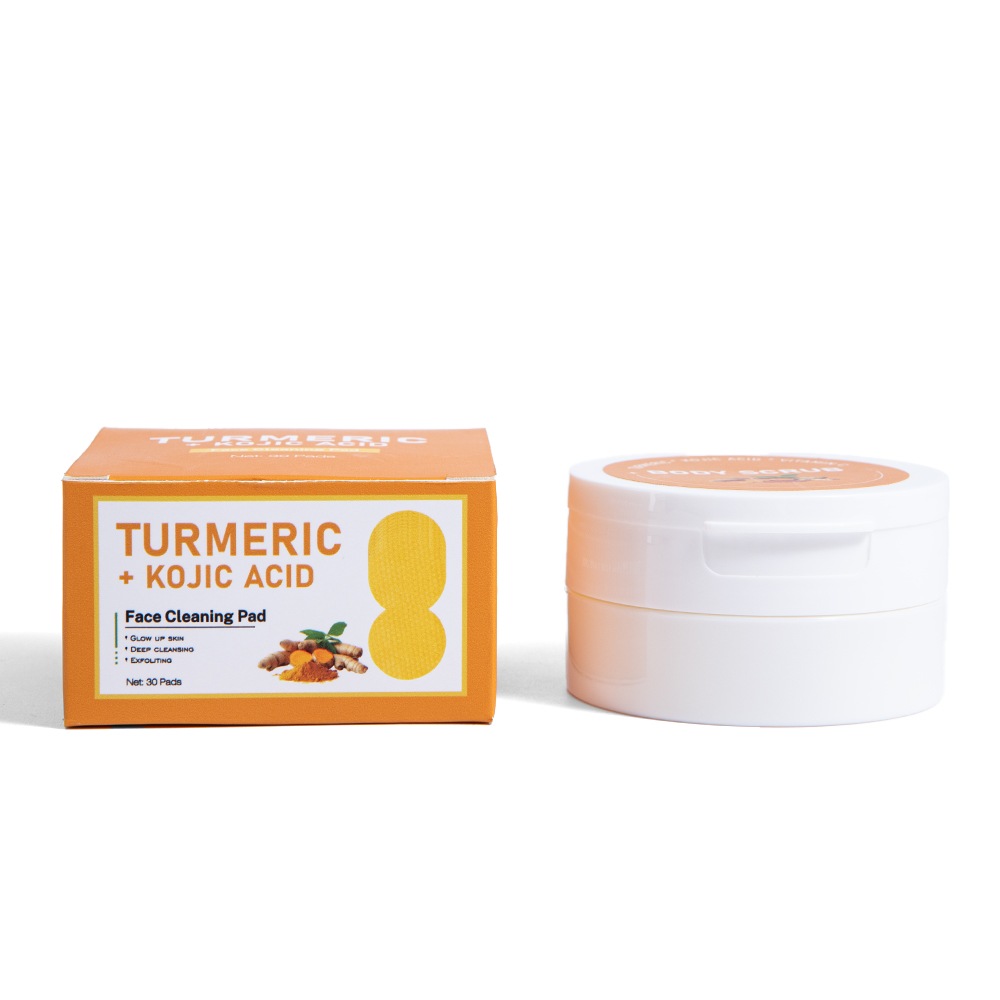
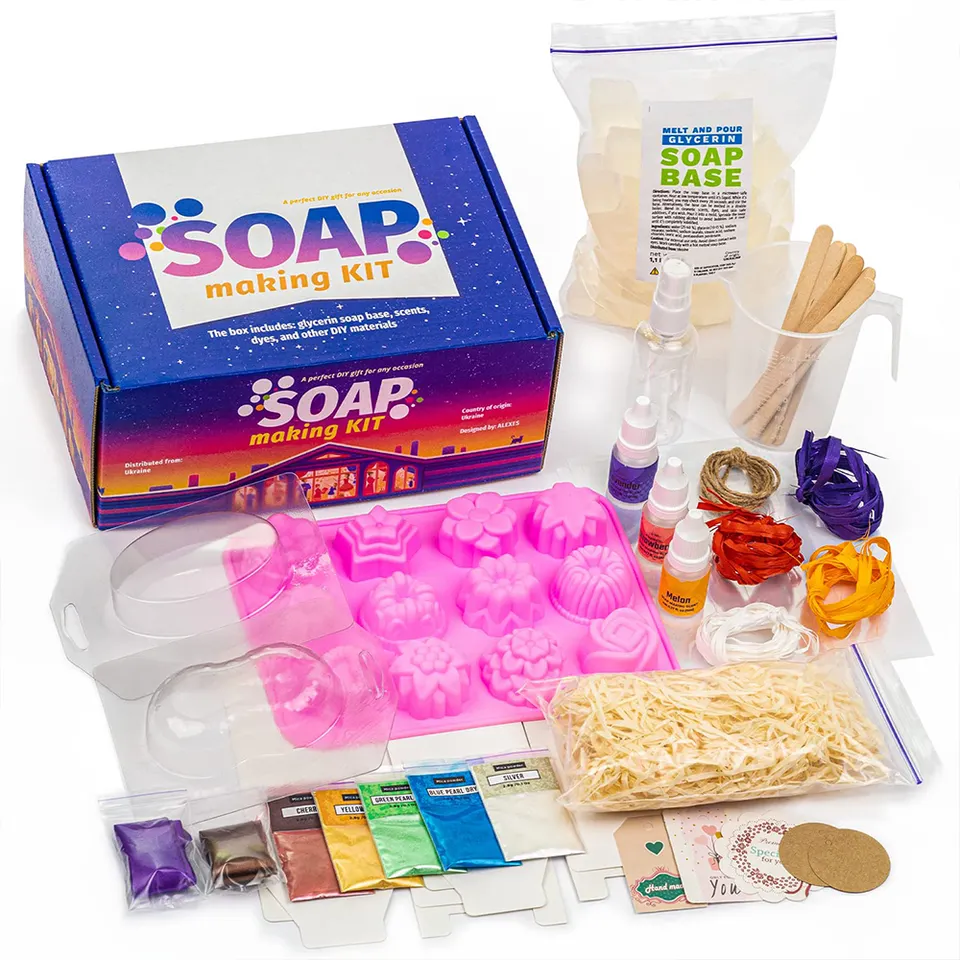
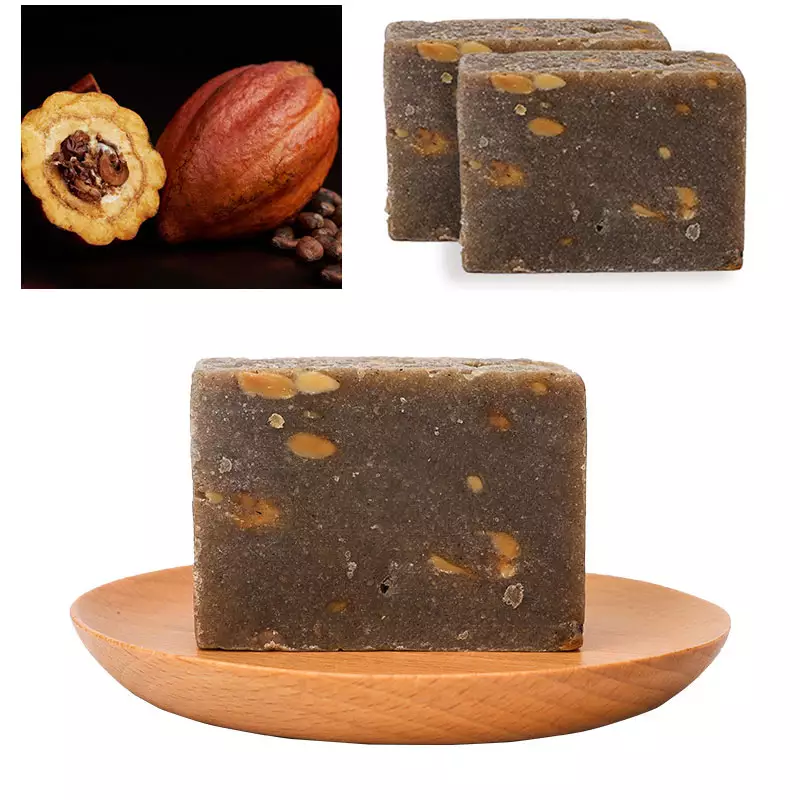
Handmade soap is far more than a rustic craft project. It's a precise intersection of chemistry, skincare science, and artistry that produces something fundamentally different from what most people pick up at the drugstore. Whether you're a curious consumer, an aspiring formulator, or a brand founder exploring manufacturing options, these insights will reshape your understanding of what real soap actually is.

The Saponification Process: Where Chemistry Meets Craft
What Happens When Oils Meet Lye
Saponification is the chemical reaction that transforms fats and oils into soap. When triglycerides (the molecular structure of oils and butters) combine with sodium hydroxide (lye), they undergo a permanent molecular rearrangement, producing soap molecules and glycerin as a natural byproduct.
The most persistent myth in lye soap crafting is that the final bar contains caustic lye. In reality, when a formula is properly calculated, every molecule of sodium hydroxide is consumed in the reaction. What remains is an entirely new substance — gentle, skin-compatible soap plus naturally occurring glycerin.
Experienced soap makers even "superfat" their recipes, adding 5–8% excess oil beyond what the lye can convert. This ensures complete lye neutralization while leaving free oils in the bar for extra skin conditioning.
Cold Process vs. Hot Process Soap Making
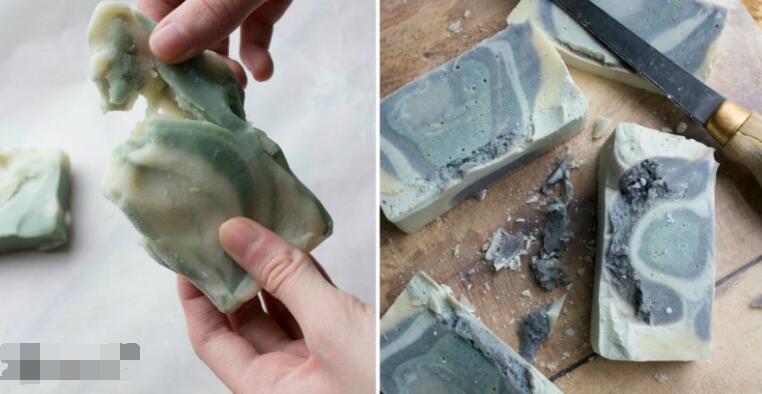
Cold process soap making relies on the natural heat generated by saponification itself. Oils and lye solution are blended at relatively low temperatures (typically 100–120°F), then poured into molds where the reaction completes over 24–48 hours. The bars then cure for 4–6 weeks as excess water evaporates.
Hot process soap making accelerates the reaction using external heat — often a slow cooker or double boiler. The soap reaches full saponification within hours rather than days, and cure time is reduced since much of the water evaporates during cooking.
The trade-off is significant. Cold process soap making preserves heat-sensitive beneficial compounds in essential oils and botanical additives. It also produces smoother, more refined bars with better design possibilities. Hot process bars tend to have a rustic, textured appearance but can be used sooner after production.
Natural Soap Ingredients That Make a Difference
Base Oils and Butters
Every soap recipe begins with its oil blend, and each fat contributes distinct properties to the final bar. Master formulators balance these characteristics to achieve specific performance profiles.
| Ingredient | Skin Benefit | Lather Quality | Hardness |
|---|---|---|---|
| Olive Oil | Deep moisture, gentle on sensitive skin | Low, creamy | Soft |
| Coconut Oil | Effective cleansing | High, bubbly | Hard |
| Shea Butter | Rich conditioning | Moderate | Medium |
| Castor Oil | Lather stabilization | Rich, stable | Soft |
| Palm Oil | Bar longevity | Moderate | Very hard |
A classic beginner formula might use 40% olive oil, 25% coconut oil, 20% palm oil, 10% shea butter, and 5% castor oil. This produces a hard, long-lasting bar with balanced lather and good skin feel.
Essential Oils in Soap Bars
Not all essential oils survive the saponification process equally. Citrus oils (lemon, sweet orange, grapefruit) are notoriously volatile and fade quickly. Deeper oils like patchouli, cedarwood, and vetiver anchor blends and persist through curing.
Recommended usage rates for essential oils in soap bars typically range from 2–4% of total oil weight. Lavender, tea tree, eucalyptus, and peppermint are among the most popular choices for functional skincare benefits. Blending a volatile top note with a stable base note creates fragrances that last the life of the bar.
It's worth noting that some essential oils — particularly cinnamon bark, clove bud, and certain citrus varieties — require careful dosing to avoid skin sensitization. Professional formulators follow IFRA (International Fragrance Association) guidelines to ensure safety at every concentration.
Additives: Clays, Botanicals, and Exfoliants
Natural colorants offer beautiful aesthetics without synthetic dyes. Kaolin clay produces white, French green clay gives sage tones, activated charcoal creates dramatic black, and turmeric yields warm gold. These mineral and plant-based colorants remain stable through saponification and curing.
Botanical additives like dried lavender buds, calendula petals, and rose petals add visual appeal but can brown over time in cold process soap. Ground oatmeal, poppy seeds, and finely milled pumice serve as effective natural exfoliants that maintain their texture throughout the bar's life.
Why Brands Are Turning to Private Label Soap Manufacturing
The Business Case for Custom Soap Branding
The global natural soap market continues to expand as consumers shift away from synthetic cleansing bars. For entrepreneurs and established skincare brands alike, the question isn't whether to offer soap — it's how to bring it to market efficiently.
| Business Model | Startup Cost | Control Level | Time to Market |
|---|---|---|---|
| DIY Production | High | Full | 6–12 months |
| Private Label Soap Manufacturer | Low–Medium | Moderate–High | 4–8 weeks |
| White Label Soap Production | Lowest | Limited | 1–2 weeks |
| OEM Soap Supplier | Medium | Full (formulation) | 8–16 weeks |
Working with a private label soap manufacturer dramatically reduces barriers to entry. Brands avoid the capital expenditure of production equipment, the complexity of raw material sourcing, and the regulatory burden of in-house manufacturing — while still offering a differentiated product under their own name.
How Bulk Soap Manufacturing in China Supports Global Brands
Bulk soap manufacturing in China has matured significantly, with leading facilities now holding ISO 22716 (Cosmetics Good Manufacturing Practice) and GMP certifications that meet EU and US import standards. These manufacturers offer scale advantages that domestic producers often cannot match.
Typical MOQ (minimum order quantity) structures range from 1,000–5,000 units for private label runs, making it accessible for emerging brands. Established facilities offer full-service capabilities including formulation development, stability testing, custom molding, and retail-ready packaging.
When evaluating overseas manufacturers, prioritize those with third-party audit reports, transparent ingredient sourcing documentation, and a track record of exporting to your target market. Request certificates of analysis for finished products and verify compliance with destination-country regulations before committing to production orders.
Choosing Between OEM, Private Label, and White Label
White label soap production is ideal for brands that need speed above all else. You select from existing formulations, apply your branding, and ship. Customization is minimal — typically limited to fragrance selection and packaging design.
Private label offers a middle ground. You work with the manufacturer's existing base formulas but can customize ingredients, scents, colors, shapes, and packaging to create something that feels uniquely yours. This is the sweet spot for most emerging skincare brands.
OEM soap supplier partnerships give you full formulation control. You provide the recipe (or co-develop one with their R&D team), and they manufacture to your exact specifications. This path suits brands with proprietary formulations or highly specific ingredient requirements.
Choose white label for market testing, private label for brand building, and OEM for true product differentiation.
Handmade Soap Facts Most People Don't Know
Glycerin: The Hidden Treasure Commercial Brands Remove
Glycerin is a humectant — it draws moisture from the air to your skin. It's produced naturally during saponification, comprising roughly 9–14% of the finished soap by weight. In handmade soap, this glycerin remains exactly where it formed, integrated throughout the bar.
Large commercial manufacturers extract glycerin during production because it's more profitable sold separately to pharmaceutical and cosmetic companies. The resulting bars clean effectively but lack the moisturizing properties that make handmade soap feel noticeably different on skin.
Shelf Life and Curing Science
The 4–6 week curing period isn't arbitrary. During this time, water evaporates from the bar (typically losing 10–15% of its weight), which concentrates the soap molecules and creates a harder, longer-lasting product. The crystal structure of the soap tightens, producing a milder, smoother lather.
pH levels also stabilize during curing. Freshly made cold process soap may register at pH 10–11, while a fully cured bar typically settles between 8–10. Some artisan soap makers cure their bars for 6–12 months, reporting increasingly gentle and luxurious performance over time.
Properly stored handmade soap (cool, dry, away from direct sunlight) maintains quality for 1–2 years. Bars with high percentages of unsaturated oils like olive or sunflower may develop "dreaded orange spots" (DOS) — a sign of rancidity — if stored in humid conditions.
The "Soap" You Buy Probably Isn't Soap
Here's a fact that surprises most people: the majority of cleansing bars sold in stores are not legally soap. The FDA classifies true soap as a product made primarily from alkali salts of fatty acids (the result of saponification) whose only claim is cleansing.
Most commercial "beauty bars," "cleansing bars," and "body bars" are synthetic detergent bars — syndets — made from petroleum-derived surfactants. They're regulated as cosmetics, not soap. Check the packaging: brands like Dove explicitly call their product a "beauty bar" rather than soap because it doesn't meet the FDA's soap definition.
This distinction matters for sensitive skin. Syndets can be formulated at lower pH levels (closer to skin's natural 4.5–5.5), but they often contain sulfates, preservatives, and synthetic fragrances that some people react to. True soap made with natural soap ingredients offers a simpler, more transparent ingredient list.
Starting Your Own Soap Line: From Hobby to Private Label Skincare Products
Formulation Development and Testing
Whether you're developing formulas in-house or collaborating with a manufacturer's R&D team, every soap line begins with stability and compatibility testing. This includes accelerated aging tests, microbial challenge testing (for liquid soaps), and user trials to validate skin feel and performance claims.
If you're transitioning from hobby soap making to commercial production, document every recipe precisely — oil weights, lye concentrations, water ratios, additive percentages, and processing temperatures. Consistency is non-negotiable at scale. A private label soap manufacturer will need these specifications to replicate your vision accurately.
Regulatory Compliance by Market
United States: True soap that makes only cleansing claims falls under CPSC jurisdiction, not FDA. However, any cosmetic claims (moisturizing, anti-aging, therapeutic) trigger FDA cosmetic regulations requiring proper labeling and ingredient disclosure.
European Union: All cosmetic products, including soap, must comply with EC Regulation 1223/2009. This requires a Cosmetic Product Safety Report (CPSR), product notification via the CPNP portal, and a Responsible Person within the EU.
ASEAN: The ASEAN Cosmetic Directive harmonizes regulations across member states. Products require notification with the relevant national authority and compliance with the ASEAN Cosmetic Ingredient Listing.
Packaging and Branding That Sells
In the natural soap market, packaging communicates values before the customer ever touches the product. Minimalist kraft paper, seed-embedded wraps, and biodegradable shrink bands signal eco-consciousness. Clear windows or unwrapped displays let the product's visual appeal do the selling.
Effective custom soap branding tells a story — the origin of ingredients, the maker's philosophy, or the specific skin concern the bar addresses. Brands that connect emotionally while communicating functional benefits consistently outperform those competing on price alone.
Frequently Asked Questions
Is handmade soap better for sensitive skin?
For many people, yes. Handmade soap retains natural glycerin (a gentle humectant), contains fewer synthetic additives, and can be formulated without common irritants like sulfates, artificial fragrances, and preservatives. Additionally, working with a skilled formulator or manufacturer allows you to create bars specifically designed for reactive skin — using gentle oils like olive and oat milk with zero fragrance.
How does the saponification process eliminate lye in the final bar?
Sodium hydroxide (lye) is entirely consumed during the saponification reaction. It's a reagent, not an ingredient in the final product — similar to how heat is necessary for baking a cake but isn't present as "heat" in the finished slice. When a soap formula is properly calculated with correct lye-to-oil ratios, zero free lye remains. Most makers add 5–8% extra oil (superfatting) as an additional safety margin.
What should I look for in a private label soap manufacturer?
Prioritize manufacturers with ISO 22716 or GMP certification, transparent ingredient sourcing, and experience exporting to your target market. Evaluate their MOQ flexibility (especially important for new brands), customization depth (fragrance, shape, ingredients, packaging), typical lead times, and sample policies. Always request product samples and certificates of analysis before committing to a production run.
Can essential oils in soap cause allergic reactions?
Yes, though the risk is low when formulated correctly. Essential oils are potent plant extracts, and some individuals react to specific compounds — linalool in lavender, eugenol in clove, or limonene in citrus oils. Professional formulators follow IFRA guidelines that establish maximum safe usage rates for each oil in rinse-off products. Patch testing is recommended for anyone with known fragrance sensitivities.
What's the difference between cold process soap and melt-and-pour?
Cold process soap is made from scratch — raw oils are combined with lye solution, and the saponification process creates soap from the ground up. The maker controls every ingredient. Melt-and-pour uses a pre-made soap base (already saponified by someone else) that's melted, customized with colors and fragrances, and poured into molds. It's simpler but offers far less control over the base formula and typically contains added solvents to make it meltable.
How do I start a soap brand without making soap myself?
Two primary pathways exist. First, partner with an OEM soap supplier who will manufacture your custom formulation — you develop or co-develop the recipe, and they produce at scale. Second, use white label soap production to select from pre-existing formulas and apply your branding. Both approaches let you focus on marketing, brand building, and customer relationships while professionals handle production, compliance, and quality control.
Ready to Launch Your Soap Brand?
Whether you're a hobbyist soap maker ready to scale, an entrepreneur entering the skincare market, or an established brand expanding your product line, partnering with an experienced private label soap manufacturer is the fastest path from concept to shelf.
Take the next step today: Request formulation samples, explore customization options, and schedule a consultation to discuss your brand vision, target market, and volume requirements. The right manufacturing partner will help you navigate formulation, compliance, and packaging — so you can focus on building a brand your customers love.
Don't let production complexity hold your brand back. Reach out now for a free consultation and sample kit to see exactly what's possible for your unique soap line.