For centuries, goat milk has been prized for its skin-nourishing properties — from Cleopatra's legendary milk baths to modern artisan soapmakers crafting bars by hand. Today, science confirms what tradition long suggested: goat milk soap offers genuine, measurable benefits for nearly every skin type.
Why Goat Milk Soap Is a Natural Skincare Powerhouse
Goat milk is remarkably rich in goat milk fatty acids, including capric, caprylic, and caprinic acid, which closely mirror the lipid structure of human skin. It also delivers a potent blend of vitamins A, B2, B3, D, and E — all essential for skin repair and protection.
The presence of naturally occurring lactic acid, an alpha-hydroxy acid, gives goat milk gentle exfoliating power without synthetic additives. This unique composition has positioned goat milk among the most effective natural skincare ingredients gaining mainstream recognition.
Key Benefits of Goat Milk Soap
Deep Moisturization Without Residue
The medium-chain fatty acids in goat milk — particularly capric and caprylic acid — penetrate skin layers efficiently, delivering hydration where it matters most. Unlike petroleum-based moisturizers that sit on the surface, these fats integrate with your skin's natural lipid barrier.
The high cream content in goat milk acts as a powerful sensitive skin moisturizer, softening and conditioning without leaving a greasy film. Commercial soaps often strip away your skin's natural oils through harsh detergents, creating a cycle of dryness and overproduction of sebum.
Gentle Cleansing for Sensitive and Reactive Skin
Goat milk soap has a pH level of approximately 6.7, which closely matches the natural pH of human skin. This means it cleanses without disrupting your acid mantle — the thin protective layer that shields against bacteria and environmental damage.
These gentle cleansing properties make it particularly suitable for people managing eczema, psoriasis, and rosacea. Because it's free from harsh sulfates like sodium lauryl sulfate (SLS) and synthetic detergents, it reduces the likelihood of triggering flare-ups or reactive episodes.
Natural Exfoliation via Lactic Acid
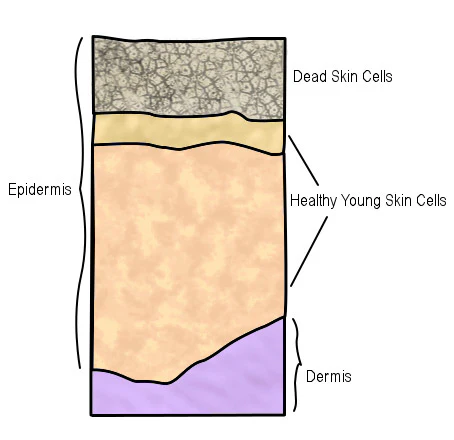
Lactic acid is one of the gentlest alpha-hydroxy acids available. In goat milk soap, it works to dissolve the bonds between dead skin cells, allowing them to shed naturally without physical abrasion or harsh chemical peels.
This promotes healthy cell turnover, revealing fresher skin beneath. Over time, regular use can visibly brighten dull or uneven skin tone, reduce the appearance of fine lines, and improve overall texture.
Rich Vitamin and Mineral Profile
Vitamin A (retinol) in goat milk supports tissue repair and has been extensively studied for its role in reducing wrinkles and managing acne. Selenium, a trace mineral present in goat milk, offers antioxidant protection against UV-induced free radical damage.
Niacin (vitamin B3) strengthens the skin barrier function, helping skin retain moisture and resist environmental irritants. Together, these nutrients create a comprehensive support system for skin health.
Anti-Inflammatory and Antibacterial Properties
Goat milk contains natural anti-inflammatory compounds that help reduce redness, swelling, and irritation. This makes it particularly beneficial for skin that reacts easily to environmental stressors or product ingredients.
For acne-prone skin, the antibacterial proteins in goat milk help control breakout-causing bacteria without the aggressive drying effect of benzoyl peroxide or salicylic acid washes. The result is clearer skin that still feels comfortable and hydrated.
Goat Milk Soap vs. Commercial Soap: Comparison Table
| Factor | Goat Milk Soap | Commercial Soap |
|---|---|---|
| pH Level | ~6.7 (skin-friendly) | 9–10 (alkaline) |
| Moisturizing Agents | Natural cream fat, glycerin retained | Glycerin often removed for resale |
| Synthetic Additives | None (handmade soap benefits) | Parabens, SLS, artificial fragrances |
| Suitable for Sensitive Skin | Yes | Often irritating |
| Exfoliation | Natural lactic acid | Chemical agents or none |
| Biodegradable | Yes | Varies |
One of the most significant handmade soap benefits is glycerin retention. During commercial soap manufacturing, glycerin — a valuable humectant — is typically extracted and sold separately. Cold-process goat milk soap retains all naturally produced glycerin, amplifying its moisturizing effect.
Who Should Use Goat Milk Soap?
Ideal Skin Types and Conditions
| Skin Type / Condition | Why It Helps |
|---|---|
| Dry skin | Replenishes the lipid barrier with natural fats |
| Eczema / Psoriasis | Reduces common flare triggers; no synthetic irritants |
| Acne-prone | Antibacterial action without stripping moisture |
| Aging skin | AHA + vitamins boost elasticity and cell renewal |
| Baby / toddler skin | Ultra-gentle formula with minimal ingredients |
The versatility of goat milk soap makes it a practical choice for households where multiple family members have different skin concerns. A single bar can serve everyone from infants to adults with reactive skin conditions.
How to Choose a Quality Goat Milk Soap
What to Look For
- Fresh or raw goat milk listed as the first ingredient — this indicates a high concentration rather than a token addition
- Cold-process method — this low-temperature technique preserves heat-sensitive vitamins and enzymes
- No artificial fragrances or colorants — essential oils and natural botanicals are acceptable alternatives
- Short, recognizable ingredient list — quality bars typically contain fewer than 10 ingredients
Red Flags to Avoid
- "Goat milk fragrance" instead of actual goat milk — this is a synthetic scent additive with zero skin benefits
- Long synthetic ingredient lists — if you cannot pronounce most ingredients, the bar likely relies on chemical fillers
- Mass-produced bars labeled "natural" without certification — look for transparency about sourcing and production methods
How to Use Goat Milk Soap Effectively
- Lather with lukewarm water — hot water can diminish the beneficial properties of vitamins and fatty acids while also stripping your skin
- Use on face and body — goat milk soap is versatile enough for full-body care, including as a facial cleanser
- Pair with a simple moisturizer — applying a lightweight cream or oil immediately after washing locks in maximum hydration
- Store on a draining soap dish — keeping the bar dry between uses prevents it from dissolving prematurely
Frequently Asked Questions
Is goat milk soap good for acne?
Yes. Its naturally occurring lactic acid helps unclog pores by dissolving dead skin buildup, while antibacterial proteins reduce the bacteria responsible for breakouts. Unlike many acne treatments, it accomplishes this without over-drying or irritating the skin.
Can people with lactose intolerance use goat milk soap?
Yes. Lactose intolerance is a digestive condition caused by insufficient lactase enzyme in the gut. Topical application of goat milk does not involve digestion and will not trigger a reaction. However, those with a confirmed dairy allergy (an immune response) should patch-test first or consult a dermatologist.
How long does a bar of goat milk soap last?
A standard bar typically lasts 4–6 weeks with daily use. Storing it on a well-draining soap dish and keeping it away from direct water streams between uses can significantly extend its lifespan.
Does goat milk soap smell like goat?
No. Properly crafted goat milk soap has a mild, creamy, neutral scent. The saponification process eliminates any animal odor. Many artisan soapmakers add essential oils like lavender, tea tree, or citrus for subtle, natural fragrance.
Is goat milk soap safe during pregnancy?
Generally yes, as it contains no harsh chemicals, synthetic preservatives, or known teratogens. However, if the soap includes essential oils — particularly rosemary, clary sage, or cinnamon — consult your healthcare provider, as some essential oils are not recommended during pregnancy.
Can goat milk soap replace my facial cleanser?
For many people, yes. Its gentle cleansing properties, balanced pH, and natural moisturizing factors make it effective as a daily face wash. Those wearing heavy makeup may want to double-cleanse — using an oil-based remover first, followed by goat milk soap as the second step.