Switching from mass-produced cleansers to handmade soap is one of the simplest upgrades you can make for your skin, your health, and the environment. But what exactly makes a bar crafted by an artisan so different from the one sitting on a supermarket shelf?
This guide breaks down the real, evidence-based benefits of handmade soap — from superior moisturizing to environmental impact — so you can make an informed choice about what touches your skin every single day.
Why Handmade Soap Is Different From Commercial Alternatives
How Commercial Soap Is Made
Most commercial "soaps" are technically synthetic detergent bars. Industrial manufacturers combine surfactants like sodium lauryl sulfate (SLS) with petroleum-derived emollients, artificial fragrances, and preservatives such as parabens and BHT.
Critically, the glycerin produced during saponification — a natural humectant that draws moisture to your skin — is extracted and sold separately to cosmetic companies. What remains is a stripped-down cleansing product that often leaves skin feeling tight and dry.
The Handmade Soap Process
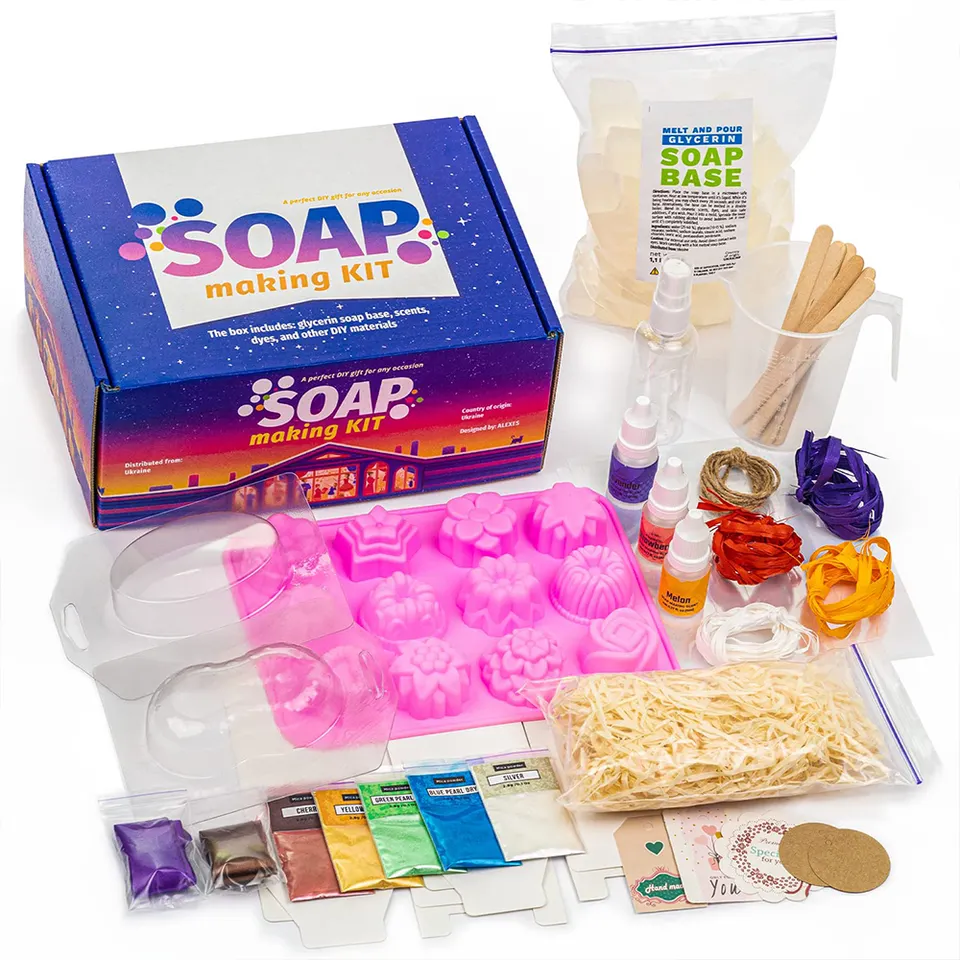
Artisan soapmakers typically use one of three methods: cold process, hot process, or melt-and-pour. Cold process soap benefits are particularly notable because the method preserves the full spectrum of nutrients in plant oils and butters while retaining all naturally produced glycerin within the bar.
Natural ingredients skincare principles guide every formulation decision. Soapmakers carefully select oils — olive, coconut, shea, avocado — for their specific fatty acid profiles, then cure bars for four to six weeks to produce a mild, long-lasting product.
The result is a glycerin rich cleansing bar that cleanses without stripping, moisturizes without synthetic additives, and delivers therapeutic botanicals directly to the skin.
Key Ingredient Comparison Table
| Factor | Handmade Soap | Commercial Soap |
|---|---|---|
| Glycerin | Retained naturally (glycerin rich cleansing bar) | Removed and sold separately |
| Moisturizing Agents | Plant oils, butters | Synthetic emollients |
| Lathering Agents | Natural saponification | SLS/SLES detergents |
| Fragrance | Essential oils / unscented | Synthetic fragrance compounds |
| Preservatives | Minimal or none | Parabens, BHT |
| Shelf Life | 12–18 months | 3+ years |
Skin Health Benefits of Handmade Soap
Deep Moisturizing Without Residue
The organic soap moisturizing advantage comes from two techniques unique to handmade production: retained glycerin and superfatting. Superfatting means the soapmaker intentionally adds more oil than the lye can convert, leaving free oils in the finished bar that coat and nourish skin during every wash.
Unlike synthetic moisturizers that sit on top of the skin, these plant-derived lipids absorb naturally. Many users find they no longer need a separate body lotion after switching to a well-formulated handmade bar.
Gentle on Sensitive and Reactive Skin
For people with eczema, psoriasis, or contact dermatitis, commercial cleansers are often a minefield of triggers. Sulfates strip the skin barrier, synthetic fragrances provoke allergic reactions, and artificial dyes serve no functional purpose beyond marketing appeal.
Chemical-free bath products made by artisan soapmakers eliminate these irritants entirely. Formulations built around gentle oils like oatmeal-infused olive oil or colloidal oat milk cleanse effectively while calming inflammation rather than causing it.
Supports the Skin's Natural Microbiome
Your skin hosts a complex ecosystem of beneficial bacteria that protect against pathogens and maintain hydration. Harsh detergents and antibacterial agents in commercial products indiscriminately destroy this microbiome.
Well-crafted handmade soaps work with your skin's biology rather than against it. Their milder pH and absence of biocidal chemicals allow beneficial flora to recover quickly after cleansing.
Customizable for Specific Skin Concerns
One of the greatest advantages of artisan soap is targeted formulation. A soapmaker can adjust the oil profile, add specific botanicals, or incorporate therapeutic clays to address individual skin concerns — something mass production simply cannot offer at scale.
Whether you need charcoal and tea tree for acne-prone skin, rosehip and vitamin E for aging concerns, or unscented goat milk for reactive skin, there is a handmade formula designed precisely for your needs.
Environmental and Ethical Benefits
Biodegradable and Eco-Friendly Formulas
Handmade soap is composed entirely of saponified plant oils and natural additives. When it washes down the drain, it breaks down rapidly without introducing microplastics, phosphates, or persistent synthetic chemicals into waterways.
Commercial liquid body washes and detergent bars frequently contain polyethylene microbeads, silicone-based conditioners, and synthetic polymers that accumulate in aquatic ecosystems and enter the food chain.
Minimal Packaging and Waste
A typical commercial body wash comes in a non-recyclable plastic bottle, wrapped in a plastic sleeve, shipped in a cardboard box with plastic inserts. A handmade soap bar? Often wrapped in a single sheet of compostable paper or sold completely naked.
The waste reduction is significant. A household switching from liquid wash to bar soap can eliminate dozens of plastic bottles annually — a meaningful contribution to reducing landfill burden.
Cruelty-Free and Sustainable Sourcing
Small-batch soapmakers typically source ingredients from ethical suppliers, prioritize fair-trade oils, and never test on animals. Many maintain direct relationships with farmers who grow the botanicals used in their formulations.
This transparency in the supply chain is virtually impossible to achieve with multinational corporations whose ingredient sourcing spans dozens of countries and countless intermediaries.
Economic and Community Benefits
Supporting Small Businesses and Artisans
Every handmade soap purchase directly supports a small business owner — often a local artisan who reinvests in their community. According to small business economic research, money spent at local businesses recirculates within the community at roughly double the rate of money spent at chain retailers.
Beyond economics, purchasing handmade supports the preservation of traditional craftsmanship and encourages sustainable entrepreneurship.
Cost-Per-Use Value Analysis
| Metric | Handmade Bar (~5 oz) | Commercial Bar (~4 oz) | Liquid Body Wash (~16 oz) |
|---|---|---|---|
| Average Price | $6–$12 | $1–$4 | $5–$10 |
| Average Lifespan | 4–6 weeks | 2–3 weeks | 3–4 weeks |
| Cost Per Wash | ~$0.25 | ~$0.15 | ~$0.30 |
| Added Skincare Value | High (replaces lotion) | Low | Moderate |
Longevity and Concentrated Use
Handmade soap bars are denser and harder than commercial equivalents because of their extended curing period. This density means less product dissolves per use, stretching the bar's lifespan well beyond what the price tag initially suggests.
When you factor in the eliminated need for separate body lotion, the true cost comparison shifts even further in favor of handmade. A single quality bar effectively replaces two commercial products.
How to Choose the Right Handmade Soap
Reading Ingredient Labels (INCI)
Authentic handmade soap lists saponified oils by their INCI names — for example, Sodium Olivate (saponified olive oil) or Sodium Cocoate (saponified coconut oil). You should also see recognizable botanicals, essential oils, and natural colorants like clays or plant powders.
Red flags include long chemical names you cannot pronounce, "fragrance" or "parfum" without further specification, and ingredients like EDTA, triclosan, or sodium lauryl sulfate.
Matching Soap to Your Skin Type
| Skin Type | Recommended Oils/Ingredients | Ingredients to Avoid |
|---|---|---|
| Dry | Shea butter, avocado oil, oatmeal | High coconut oil %, clay |
| Oily | Charcoal, tea tree, castor oil | Heavy butters |
| Sensitive | Goat milk, calendula, unscented | Essential oils, exfoliants |
| Combination | Olive oil, honey, aloe vera | Overly stripping formulas |
Spotting Authentic Handmade vs. "Natural" Marketing Claims
The word "natural" is not regulated in most markets, meaning any manufacturer can slap it on a label regardless of what is inside. Look instead for specific certifications: USDA Organic, Soil Association, COSMOS, or Leaping Bunny for cruelty-free verification.
Genuine artisan soapmakers are typically transparent about their process, ingredient sourcing, and batch sizes. If a brand cannot tell you exactly how and where their soap is made, that opacity is itself a warning sign.
Frequently Asked Questions
Is handmade soap safe for daily use?
Yes. Most cold process soaps are formulated with superfatting that leaves skin moisturized even with daily use, making them suitable chemical-free bath products for routine cleansing. The retained glycerin acts as a humectant, preventing the dryness associated with frequent washing.
Does handmade soap lather as well as store-bought?
Lather varies by recipe. Soaps high in coconut or castor oil produce rich, creamy lather comparable to commercial bars — without relying on synthetic surfactants. Keep in mind that lather volume does not determine cleansing effectiveness; even low-lather bars clean thoroughly.
Can handmade soap help with eczema or psoriasis?
Many users report significant improvement because natural ingredients skincare avoids the irritants — SLS, synthetic fragrance, preservatives — that commonly trigger flare-ups. However, individual responses vary, and you should consult a dermatologist for severe or persistent conditions.
How should I store handmade soap to make it last?
Keep it on a well-draining soap dish away from direct water streams. Allowing the bar to dry completely between uses prevents premature softening and can extend its lifespan by two or more additional weeks.
Is handmade soap antibacterial?
Soap works by mechanically lifting and removing bacteria during lathering and rinsing — a process called emulsification. Some artisan soaps include naturally antimicrobial essential oils like tea tree or eucalyptus for added benefit, but the physical cleansing action itself is highly effective without synthetic antibacterial agents.
Why is handmade soap more expensive?
Higher-quality plant oils, small-batch production, retained glycerin, and ethical sourcing all contribute to the higher price point. However, the organic soap moisturizing benefits often eliminate the need for separate lotions or treatments, making the true cost comparable — or even lower — than a commercial soap-plus-lotion routine.
Bottom line: Handmade soap is not just a luxury or a trend — it is a return to genuine cleansing that respects your skin, your community, and the planet. Once you experience the difference a glycerin rich cleansing bar makes, the switch becomes permanent for most people.