For centuries, communities across West Africa have relied on a humble, handcrafted bar to cleanse, heal, and protect their skin. African black soap—known locally as ose dudu in Nigeria and alata samina in Ghana—has now captured global attention as a powerhouse in natural skin care. But what makes this unassuming bar so effective, and how can you incorporate it into your routine safely?
What Is African Black Soap?
Origins and Traditional Production
African black soap originates from West Africa, primarily Ghana and Nigeria, where it has been handcrafted using centuries-old methods passed down through generations. The production process is labor-intensive and deeply rooted in cultural tradition.
Artisans sun-dry plantain skins, cocoa pods, palm tree leaves, and shea tree bark before burning them into a nutrient-rich ash. This ash is then combined with oils and fats, mixed with water, and hand-stirred for at least a full day before being left to cure for two weeks or more.
Key Ingredients and Their Roles
Shea butter serves as the soap's moisturizing backbone. Rich in vitamins A, E, and F, these shea butter ingredients deliver deep hydration while supporting the skin's natural barrier function.
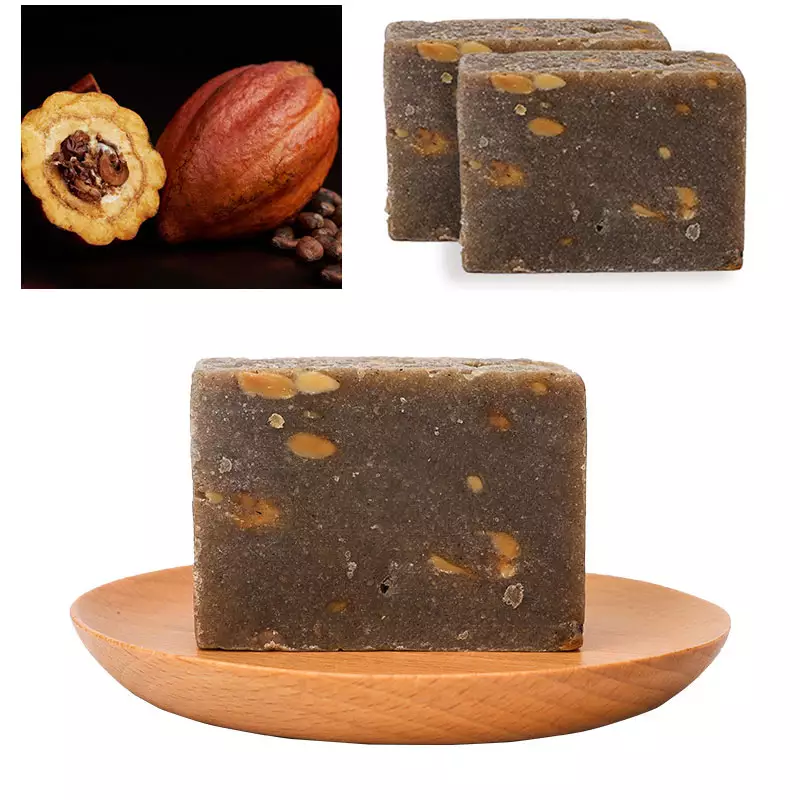
Cocoa pod ash provides gentle exfoliation. Its fine, naturally abrasive texture helps slough away dead cells without the micro-tears caused by synthetic scrubbing beads.
Coconut oil and palm kernel oil form the cleansing and nourishing base. They create a mild lather that lifts impurities while depositing essential fatty acids back into the skin.
Top Skin Benefits of African Black Soap
Natural Acne Treatment
African black soap possesses antibacterial properties that actively reduce the bacteria responsible for breakouts. Unlike many commercial cleansers loaded with benzoyl peroxide or salicylic acid, it unclogs pores without harsh synthetic chemicals.
This makes it particularly suitable for acne-prone and sensitive skin types that react poorly to aggressive acne treatment products. The soap's natural alkalinity creates an environment where acne-causing bacteria struggle to thrive.
Many users find it effective as a first-line defense, though severe or cystic acne may still require professional dermatological intervention.
Deep Moisturizing Without Greasiness
The combination of shea butter and coconut oil provides multiple layers of skin moisturizing without leaving a heavy, greasy residue. These plant-based lipids closely mimic the skin's own sebum, allowing for rapid absorption.
Remarkably, the soap helps balance oil production for both dry and oily complexions. Oily skin types often find their sebum output normalizes within weeks, while dry skin benefits from the sustained hydration these natural emollients provide.
Gentle Exfoliation and Even Skin Tone
The ash-based texture of authentic African black soap removes dead skin cells with each wash, promoting cellular turnover naturally. This consistent, gentle exfoliation is far less aggressive than chemical peels or microdermabrasion.
Over time, regular use visibly reduces hyperpigmentation, dark spots, and post-inflammatory blemishes. Many users report a more even, luminous complexion within the first month of consistent use.
Soothes Eczema, Psoriasis, and Dermatitis
The anti-inflammatory compounds found in shea butter and plantain extracts actively calm irritated, inflamed skin. For those suffering from chronic conditions like eczema or psoriasis, this can mean significant relief from itching and redness.
Crucially, authentic African black soap is free from synthetic fragrances, dyes, parabens, and sulfates—all common triggers for dermatitis flare-ups. Its minimal, plant-based formulation reduces the risk of allergic reactions that commercial soaps frequently provoke.
Benefits Beyond the Face
Organic Body Cleanser for Daily Use
African black soap is safe for full-body washing, including sensitive and intimate areas. Its balanced pH and absence of harsh detergents make it a versatile organic body cleanser suitable for the entire family.
For those seeking a natural skin care alternative to commercial body washes filled with sulfates and synthetic lathering agents, this soap delivers thorough cleansing without stripping the skin's protective acid mantle.
Scalp and Hair Health
Used as a clarifying shampoo, African black soap effectively removes product buildup, excess oil, and environmental pollutants without stripping the hair's natural oils. This makes it especially valuable for those practicing low-poo or natural hair care routines.
Its antifungal properties also help relieve itchy, flaky scalp conditions including dandruff and seborrheic dermatitis. The gentle cleansing action soothes irritation while restoring scalp balance.
Shaving Prep and Aftercare
The rich, creamy lather produced by African black soap creates a protective barrier between the razor and skin. This significantly reduces friction, minimizing razor bumps, ingrown hairs, and post-shave irritation.
The soap's anti-inflammatory and antibacterial properties also serve as natural aftercare, helping prevent the infection of freshly shaved follicles while soothing any micro-abrasions caused during the shaving process.
How to Use African Black Soap Safely
Patch Testing and Introduction
Begin by using African black soap just two to three times per week, gradually increasing frequency as your skin adjusts. Apply a small amount to your inner forearm first and wait 24 hours to rule out any adverse reaction.
Expect mild tingling during the first few uses—this is normal and results from the soap's natural alkalinity interacting with your skin. If tingling persists beyond the first week or becomes painful, reduce usage frequency or discontinue.
Storage and Shelf Life Tips
Keep your soap completely dry between uses by storing it in a ventilated container or on a well-drained soap dish. Prolonged exposure to water will cause it to dissolve rapidly and lose potency.
Authentic African black soap crumbles easily and may appear uneven or rough—this is entirely normal and actually a sign of quality. Avoid airtight containers, as trapped moisture encourages mold growth.
Who Should Avoid It
Individuals with open wounds, active infections, or severely compromised skin barriers should avoid using African black soap until their skin has healed. The natural alkalinity can cause stinging and delay wound recovery.
People with confirmed latex allergies should exercise caution due to potential cross-reactivity with shea butter, which belongs to the same botanical family as latex-producing plants. Consult an allergist if uncertain.
How to Identify Authentic African Black Soap
Visual and Texture Cues
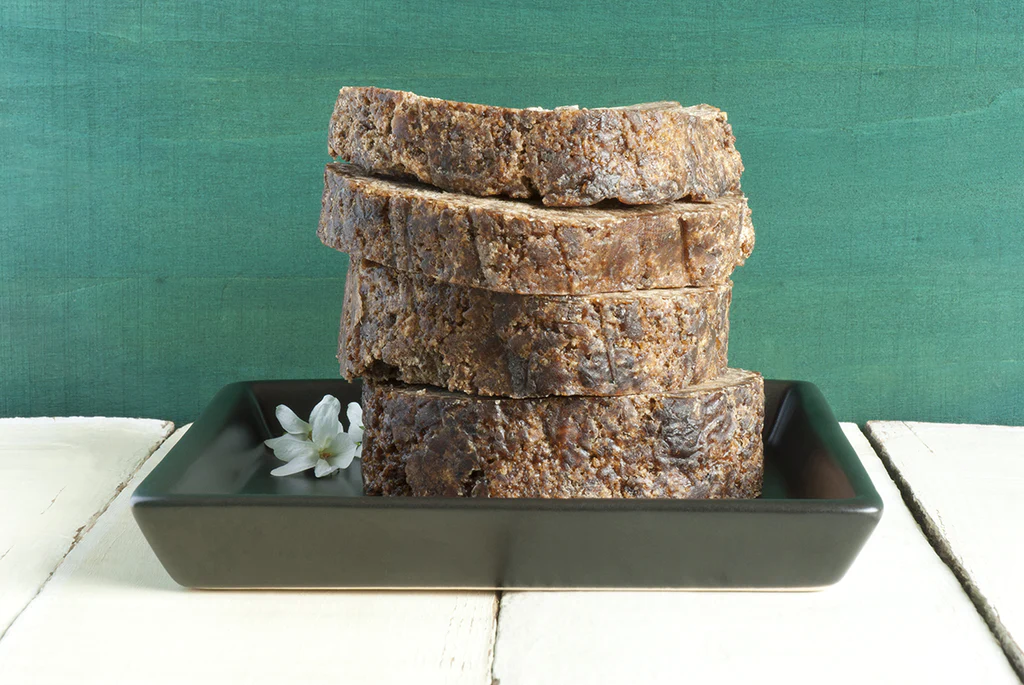
Genuine African black soap has an uneven brown-to-dark-brown color and is never uniformly jet-black or perfectly smooth. The color varies from batch to batch depending on the specific plant materials used and roasting duration.
Look for a rough, hand-molded shape with visible texture variations. Factory-pressed bars with uniform edges, consistent coloring, and smooth surfaces are almost certainly commercial imitations with added colorants.
Ingredient Label Red Flags
Avoid any bar listing artificial fragrance, synthetic colorants, sodium lauryl sulfate (SLS), or parabens. These additives negate the soap's natural benefits and can irritate sensitive skin.
True formulations prominently list plantain ash or cocoa pod ash, shea butter, coconut oil, and palm kernel oil as primary ingredients. If the label reads more like a chemistry textbook than a recipe from nature, it is not authentic.
Frequently Asked Questions
Is African black soap good for all skin types?
Yes, African black soap works well across all skin types, from oily to dry to combination. However, those with very dry or sensitive skin should apply a moisturizer immediately after use and introduce the soap gradually—starting with two to three uses per week before increasing frequency.
Can African black soap replace my acne medication?
African black soap can effectively complement your existing skincare routine and may reduce reliance on certain over-the-counter products. However, it should not replace prescribed acne treatment without first consulting a dermatologist, especially for moderate to severe acne conditions.
How long before I see results?
Most users notice visibly clearer, smoother skin within two to four weeks of consistent use. Deeper concerns like hyperpigmentation or acne scarring may take six to eight weeks to show meaningful improvement, as these require multiple cycles of cellular turnover.
Does it expire?
Authentic African black soap lasts approximately 12 to 18 months when stored properly in a cool, dry, ventilated space. Because it contains no synthetic preservatives, exposure to moisture and heat will shorten its usable lifespan significantly.
Is it safe during pregnancy?
African black soap is generally considered safe during pregnancy due to its all-natural, plant-based ingredient profile. It contains none of the retinoids, salicylic acid, or chemical exfoliants that pregnant individuals are typically advised to avoid. That said, always consult your healthcare provider for personalized guidance.
Can I use it on my hair?
Yes, African black soap works effectively as a clarifying hair wash that removes buildup and restores scalp health. Follow with a moisturizing conditioner or leave-in treatment to prevent dryness, as the soap's cleansing action can strip some natural moisture from hair strands.