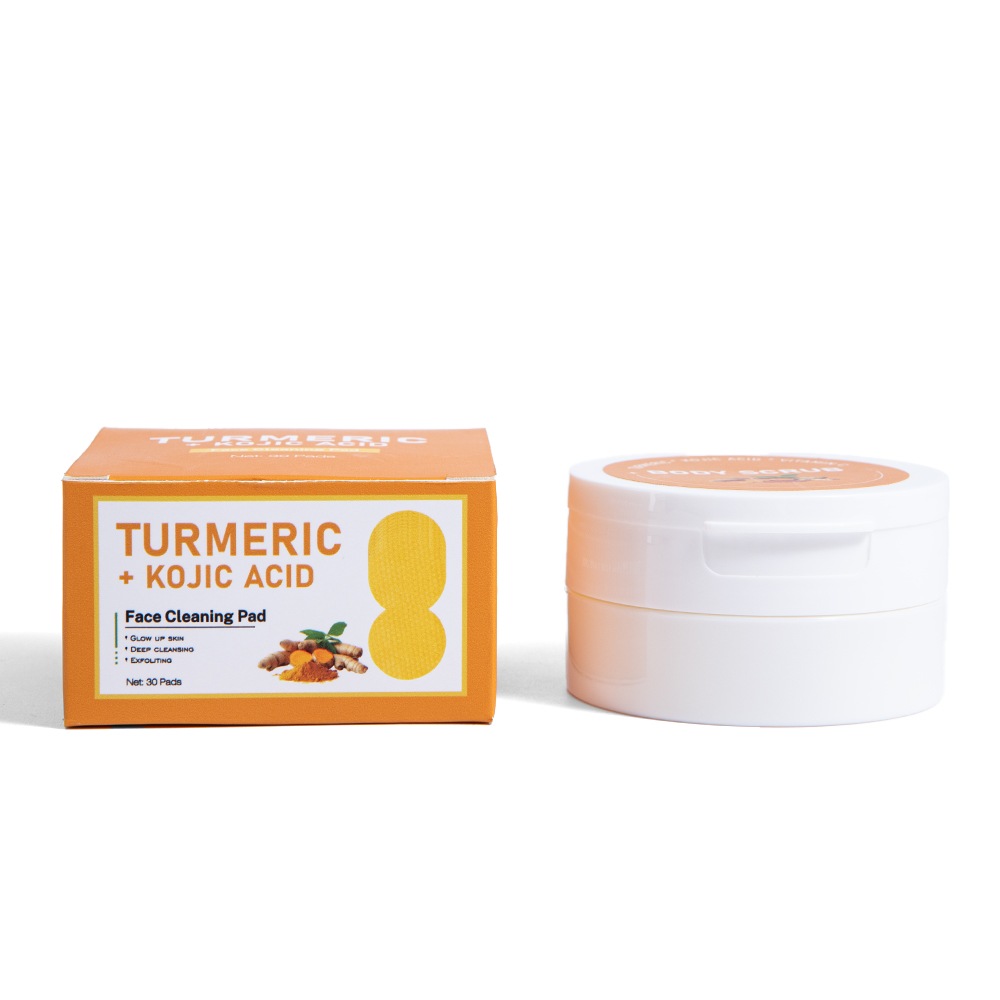
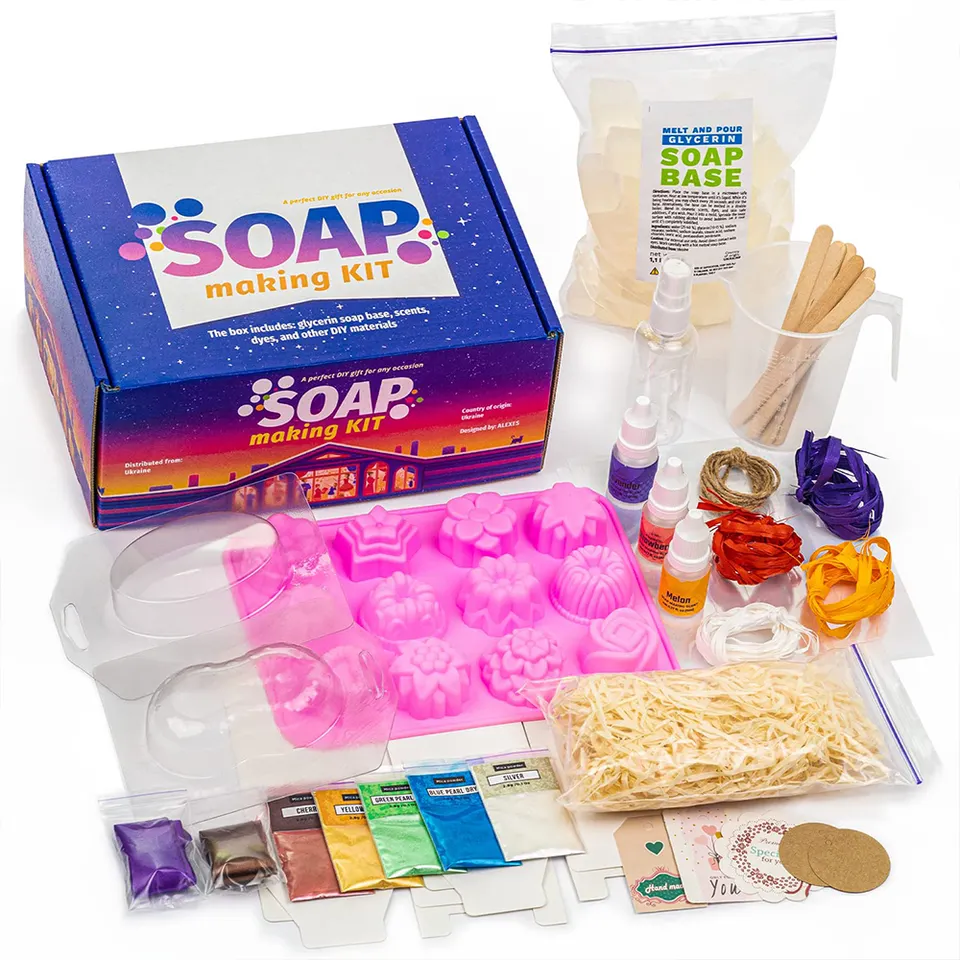
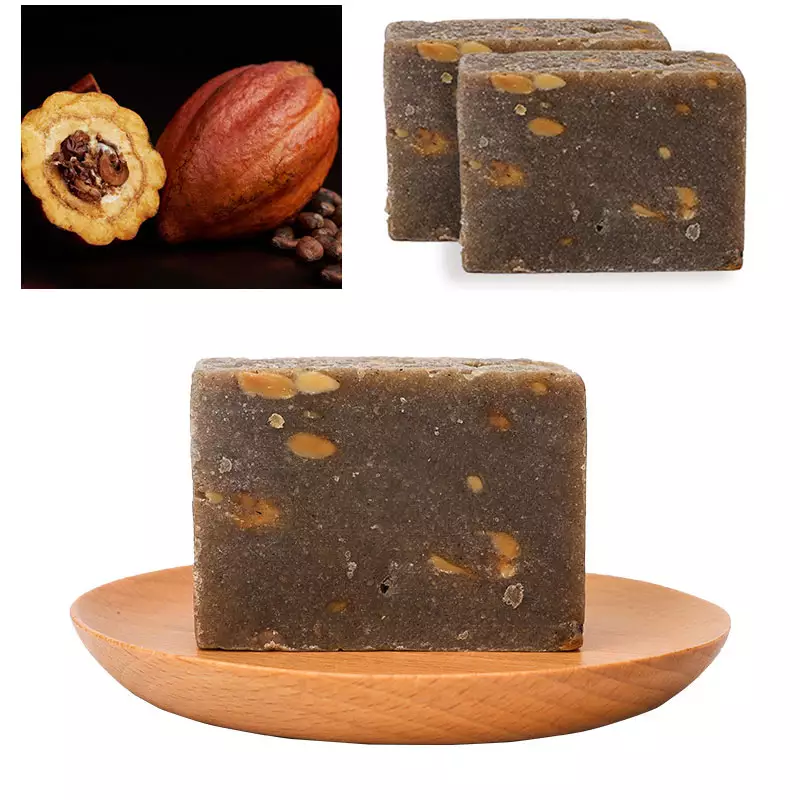
You bought a bright yellow bar of kojic acid soap because a friend swore it faded the dark spots left behind by last summer's breakout. Three days later, you check the mirror and see... basically the same face. Frustrating, right? The truth is more encouraging than that first impatient glance suggests — but it takes a bit of understanding to use kojic acid well.
This guide walks through what kojic acid actually does, how quickly to expect changes, and how to use it safely so you're not wasting time or irritating your skin.
Quick Answer: Does Kojic Acid Really Lighten Skin?
Yes — kojic acid can help fade dark spots and even out skin tone by slowing down melanin production. The key detail: results are gradual (think weeks to months), and they depend heavily on the product's concentration and how consistently you use it.
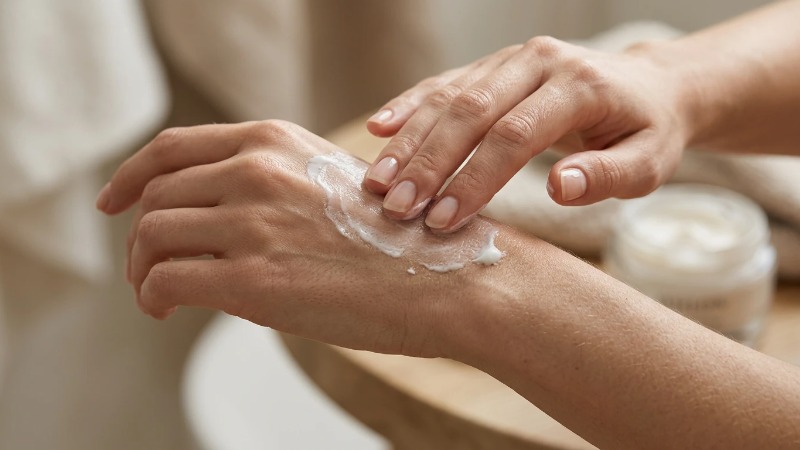
One important clarification: kojic acid brightens and evens tone rather than "bleaching" your skin to a lighter shade than your natural baseline. It targets excess pigment, not your overall complexion.
Key Takeaways
- How it works: Kojic acid inhibits tyrosinase, the enzyme that drives melanin (pigment) production.
- Realistic timeline: Visible fading of dark spots typically takes 4–12 weeks of consistent use.
- Common concentration: Consumer products usually contain around 1–4% — higher isn't automatically better.
- Safety first: Patch-test before use, and always wear sunscreen; kojic acid can increase sun sensitivity.
- Be cautious if: You have very sensitive skin, are pregnant, or have an existing skin condition — check with a dermatologist.
What Is Kojic Acid? (The Basics)
Kojic acid is a naturally derived skin-brightening ingredient used to fade discoloration and even out skin tone. In plain terms, it works by interrupting the process your skin uses to make dark pigment.
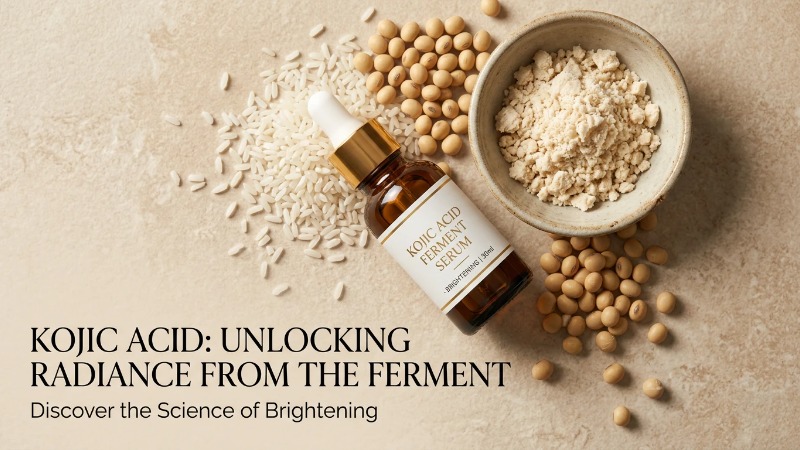
It's one of the more gentle members of the brightening family, which is why it shows up in everything from soaps to serums aimed at people dealing with sun spots, post-acne marks, and general unevenness.
Where Kojic Acid Comes From
Kojic acid is produced through fermentation — traditionally from rice, soy, and certain fungi such as Aspergillus oryzae (the same koji mold used in making sake and soy sauce). That fermentation heritage is a big part of its appeal for people who prefer plant-derived, non-animal ingredients.
On product labels, look for the INCI name simply listed as "Kojic Acid."
Common Forms You'll See on Shelves
You'll encounter kojic acid in a few main formats:
- Soaps — the most affordable, whole-body entry point.
- Serums and creams — leave-on products with longer skin contact.
- Kojic dipalmitate — a more stable derivative that resists oxidation better than pure kojic acid, often used to keep formulas fresher for longer.
How Does Kojic Acid Work on Skin?
Understanding how kojic acid works removes a lot of the guesswork — and helps set realistic expectations.
The Role of Tyrosinase and Melanin
Your skin gets its color from melanin, a pigment made by cells called melanocytes. Producing melanin depends on an enzyme called tyrosinase. When your skin is exposed to sunlight, hormones, or inflammation (like a healing pimple), tyrosinase kicks into higher gear and can create clusters of excess pigment — the dark spots you want to fade.
Kojic acid inhibits melanin production by blocking tyrosinase. Fewer active enzymes means less new pigment forms. As your skin naturally sheds and renews over the following weeks, existing spots gradually look lighter while fewer new ones appear.
Brightening vs. Lightening: What's the Difference?
This distinction matters. "Lightening" makes many people picture drastically changing their skin color. What kojic acid actually delivers is targeted correction: it fades hyperpigmentation and evens tone, bringing dark patches closer to your surrounding natural skin.
It won't permanently bleach your complexion, and it won't work against pigment your body keeps producing if the trigger — usually unprotected sun exposure — continues.
What Kojic Acid Can Actually Help With
Dark Spots and Post-Acne Marks
This is where kojic acid shines for most users. Post-inflammatory hyperpigmentation — the brown or dark marks acne leaves behind — responds well to consistent kojic acid use because those marks are excess surface pigment, not scar tissue. Using kojic acid for dark spots is realistic and one of its most common purposes.
Melasma and Uneven Skin Tone
Melasma (larger patches of discoloration, often hormone-related) is trickier. Some studies suggest kojic acid can support improvement, frequently when combined with other ingredients, but melasma is notoriously stubborn and prone to returning. Set modest expectations here and consider professional guidance.
Sun-Induced Discoloration
Sun exposure is the single biggest cause of unwanted pigment. Kojic acid can help fade existing sun spots, but it works with — not instead of — daily sunscreen. Skip the SPF, and you're essentially bailing water out of a boat that still has a hole in it.
Kojic Acid Soap Benefits (And Limits)
Among kojic acid soap benefits, the biggest is accessibility: it's an easy, low-commitment way to try the ingredient across your whole body, not just your face.
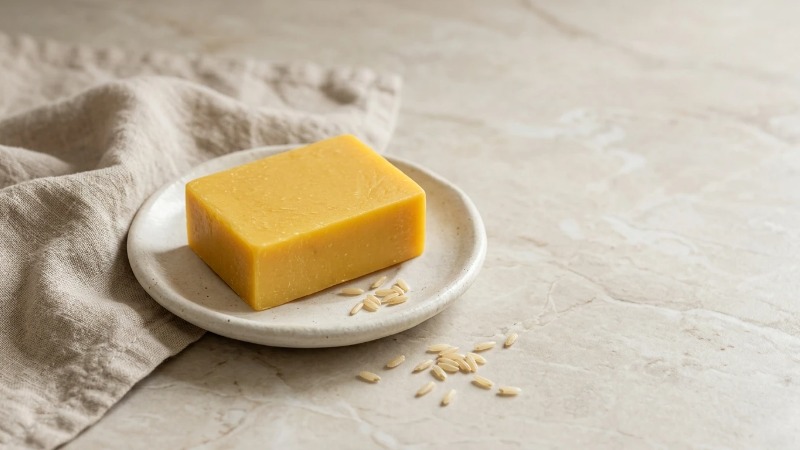
Why Soap Is a Popular Entry Point
- Affordable compared to concentrated serums.
- Simple — it slots into an existing shower routine with no new steps.
- Body-friendly for areas like elbows, knees, underarms, and the back.
Contact Time Matters
Here's the catch. Soap is a rinse-off product, so kojic acid only touches your skin for the 30–60 seconds you're lathering before it washes down the drain. Leave-on serums and creams keep the active on your skin for hours, which is why they often produce faster, more noticeable results.
That doesn't make soap useless — it makes it a gentle, gradual option, ideal for maintenance or for people easing into brightening ingredients.
What Concentration of Kojic Acid Works Best?
Typical Ranges in Consumer Products
Most over-the-counter kojic acid products fall in the 1% to 4% range. Within this window, formulas balance visible effectiveness with a low risk of irritation.
More isn't always better. Higher concentrations can raise the odds of redness, stinging, and dryness — which often leads people to quit before they'd see benefits anyway. Consistency at a tolerable strength beats intensity you can't sustain.
Reading Ingredient Labels Like a Pro
When scanning a label:
- Look for "Kojic Acid" or the derivative "Kojic Dipalmitate."
- Note complementary actives that support brightening, such as niacinamide, vitamin C, or alpha arbutin.
- Check for soothing and hydrating ingredients (like glycerin) that offset potential dryness.
Kojic Acid vs. Hydroquinone: How Do They Compare?
Hydroquinone is the ingredient kojic acid is most often measured against. Both fade pigment, but they suit different needs and comfort levels.
Pros & Cons Comparison Table
| Factor | Kojic Acid | Hydroquinone |
|---|---|---|
| Strength | Milder, gradual | Stronger, faster |
| Availability | Widely available OTC | Often regulated or prescription-only in many markets |
| Irritation risk | Lower to moderate | Higher |
| Best for | Everyday brightening and maintenance | Stubborn, concentrated pigmentation |
Which One Fits Different Needs?
If you want a gentle, accessible option for gradual improvement and general evenness, kojic acid is a sensible starting point. If you're dealing with dense, persistent pigmentation and have professional guidance, hydroquinone may be more appropriate — but regulations vary by country, and it's often best used under a dermatologist's supervision.
How to Use Kojic Acid Safely (Step-by-Step)
Patch-Testing Before First Use
Before applying anything to your face, patch-test. Apply a small amount to a discreet area — the inner forearm or behind the ear — and wait 24 to 48 hours. If you notice significant redness, itching, or swelling, don't use the product on larger areas.
Building a Simple Routine
- Cleanse your skin with a gentle wash (or use the kojic soap itself at this step).
- Apply your kojic acid product to clean, dry skin if it's a leave-on serum or cream.
- Moisturize to protect the skin barrier and reduce dryness.
- Sunscreen every morning — this is non-negotiable during daytime.
Realistic Timeline for Results
Give it time. Most people begin noticing a difference in dark spots around the 4-week mark, with clearer improvement over 8 to 12 weeks of consistent use. Skin cell turnover simply doesn't happen overnight — patience is part of the process.
Safety, Side Effects, and Who Should Be Cautious
Common Side Effects
Possible side effects include mild irritation, redness, dryness, or a tingling sensation, especially early on or at higher concentrations. If irritation is persistent or worsening, reduce frequency or stop use.
Sun Sensitivity Warning
Kojic acid can make your skin more sensitive to sunlight. Skipping SPF not only risks sun damage but can actively reverse your progress by triggering more pigment. Daily broad-spectrum sunscreen is essential throughout your kojic acid routine.
When to Consult a Dermatologist
Seek professional advice if you experience persistent irritation, if you're pregnant or breastfeeding, or if you have an existing skin condition such as eczema or rosacea. A dermatologist can tailor guidance to your skin and rule out anything that needs different treatment.
Common Mistakes to Avoid
- Skipping sunscreen — the most common reason people see no progress.
- Over-applying — using more product or higher strength than your skin tolerates.
- Piling on too many actives at once (retinoids, exfoliating acids, and kojic acid together can overwhelm your barrier).
- Expecting overnight results — then quitting before the ingredient has had a fair chance.
What to Look for in a Quality Kojic Acid Product
Formulation and Ingredient Quality
A well-made product uses stable formulation techniques (kojic acid can oxidize and turn brown over time), pairs the active with soothing and complementary ingredients, and — for those who care — relies on natural, vegetarian, cruelty-free ingredients. Stability matters because a degraded formula loses effectiveness.
Manufacturing and Certification Standards
For a YMYL product that touches your skin daily, how and where it's made counts. Certifications such as GMP, ISO 22716 (cosmetics good manufacturing practice), GMPC, and FDA-aligned production signal consistent quality control, hygienic conditions, and reliable batch-to-batch consistency. These aren't marketing fluff — they reflect real safety and traceability standards.
Frequently Asked Questions
Does kojic acid permanently lighten skin?
No. Kojic acid fades excess pigment while you use it consistently, but the effect isn't permanent. If pigment triggers return — especially unprotected sun exposure — dark spots can gradually come back. Ongoing sun protection helps maintain results.
How long does kojic acid take to show results?
Most people see initial improvement in dark spots around 4 weeks, with more noticeable evening of tone over 8 to 12 weeks of regular use. Rinse-off products like soap may take longer than leave-on serums due to shorter contact time.
Can I use kojic acid every day?
Many people tolerate daily use of gentle products like kojic acid soap. If you have sensitive skin or notice irritation, start every other day and build up. Always pair daytime use with sunscreen.
Is kojic acid soap safe for sensitive skin?
It can be, but sensitive skin is more prone to dryness and irritation. Patch-test first, choose a lower concentration, follow with a good moisturizer, and reduce frequency if your skin reacts.
Can kojic acid be combined with vitamin C or niacinamide?
Yes — these are commonly layered together and can complement kojic acid's brightening effect. Introduce them one at a time so you can spot any irritation, and avoid stacking too many strong actives at once.
Conclusion & Next Step
The honest bottom line: kojic acid genuinely supports gradual, visible brightening and helps fade dark spots — as long as you use it consistently, choose a sensible concentration, and never skip sunscreen. It's a gentle, accessible ingredient, not a magic bleach, and that's exactly why it works well for everyday skin-tone maintenance.
Call to Action
Are you a brand or retailer looking to offer high-quality kojic acid soap? Poleview Biotechnology Co., Ltd. manufactures custom, 100% natural, vegetarian, and cruelty-free handmade soaps in a 30,000 m² facility certified to GMP, ISO 22716, GMPC, and FDA standards. We provide free design, fast prototyping, flexible minimum order quantities, and on-time delivery. Share your requirements with our team today and let's build your kojic acid line together.