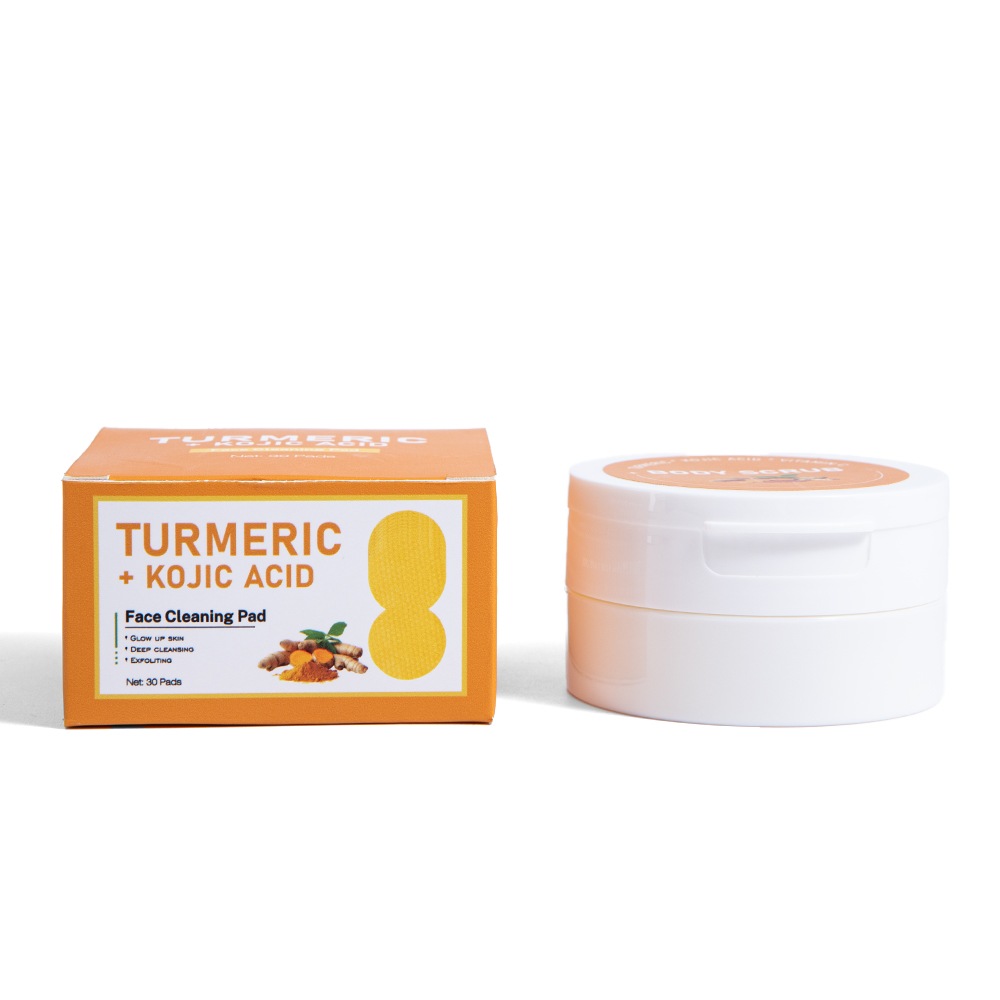
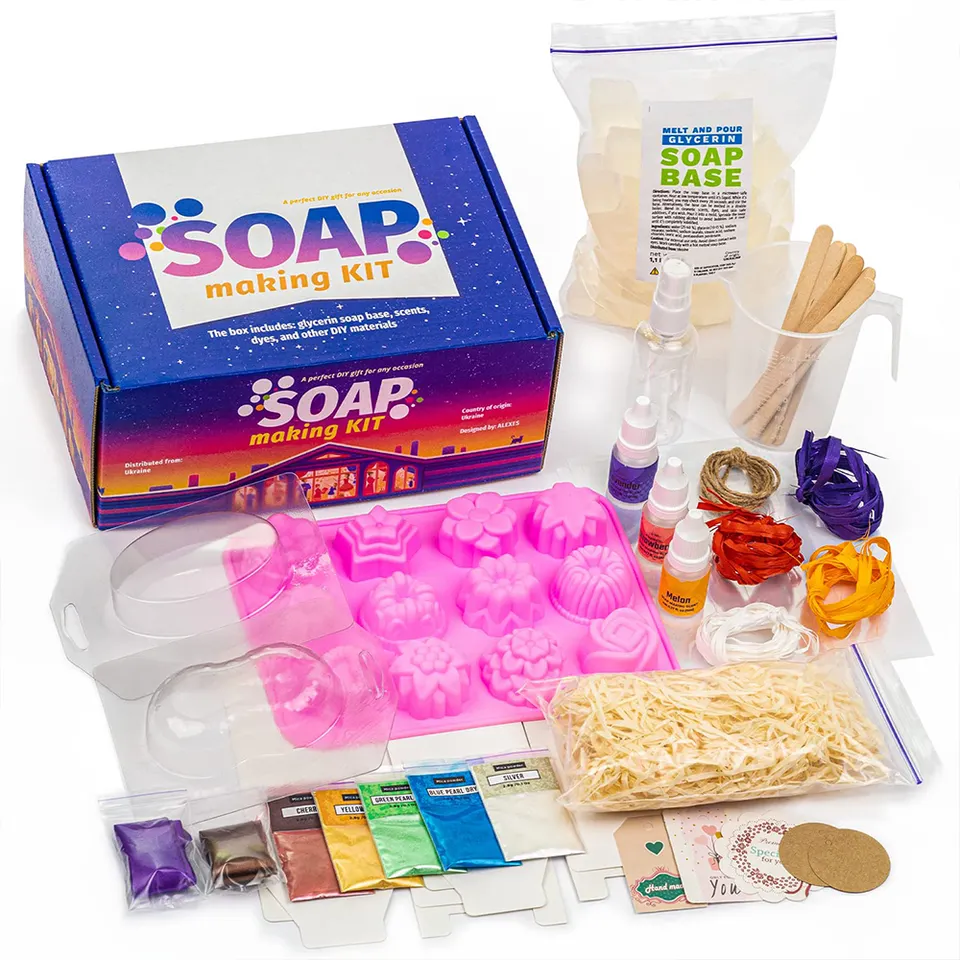
While the scenario may appear improbable, accidental ingestion of soap products constitutes a well-documented and surprisingly prevalent occurrence in clinical toxicology. Cases span diverse demographics: pediatric patients who ingest visually deceptive products such as decorative bath bombs, geriatric individuals with cognitive impairment who misidentify solid soap as food, and occasionally adults exposed through inadvertent or exploratory oral contact. Poison control centers consistently report soap ingestion as a routine category of exposure, underscoring its frequency across populations.
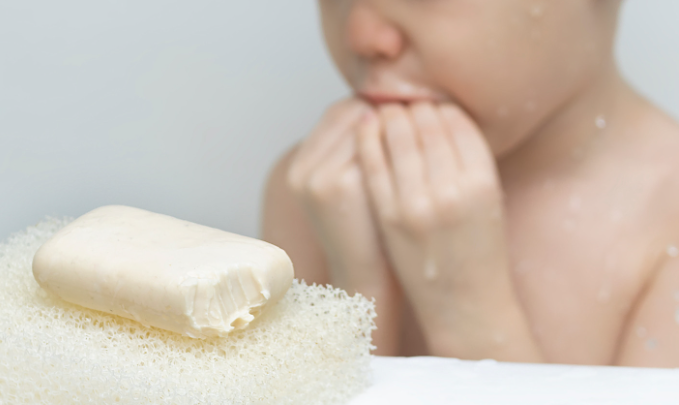
Here's the thing — swallowing a little bit of soap usually won't land you in the emergency room. Still, it helps to know what symptoms to watch for and how to react, particularly if a young child got into something or the product is more concentrated than your average hand soap.
Why People End Up Swallowing Soap (It's More Common Than You Think)
Poison control centers across the United States field thousands of calls each year related to accidental soap ingestion. It's consistently one of the most frequent household exposure topics reported to these services.
Children under age six account for the majority of cases. Their natural curiosity, combined with soaps designed to look and smell like candy, fruit, or desserts, creates a perfect storm. Decorative soaps shaped like cupcakes, brightly colored bath bombs, and shimmering liquid soaps are practically irresistible to little hands.
Adults aren't immune either. People with Alzheimer's disease, developmental disabilities, or psychiatric conditions may consume soap without understanding the risk. And yes — some perfectly healthy adults have taken a bite out of curiosity or mistaken identity.
What Soap Is Actually Made Of
Common Ingredients in Bar Soap vs. Liquid Soap
Traditional bar soap is made through a process called saponification — combining fats or oils with an alkali like sodium hydroxide (lye). The finished product typically contains surfactants, fragrances, dyes, moisturizers, and preservatives.
Liquid soaps and body washes often use synthetic detergents (syndets) instead of true soap. These formulations include additional chemicals like sodium lauryl sulfate, cocamidopropyl betaine, and various stabilizers.
It's important to understand that what most people call "soap" today is technically a synthetic detergent bar — not traditional soap at all. This distinction matters when it comes to toxicity.
Which Ingredients Are Most Harmful When Ingested
Not all soap ingredients carry equal risk. The most concerning substances include sodium hydroxide (residual lye), triclosan, concentrated essential oils, phosphates, and bleaching agents.
Detergent-based products generally carry a higher toxicity risk than traditional soap. Products containing cationic surfactants — common in fabric softeners and some antibacterial formulations — are particularly dangerous when swallowed.
Fragrances and dyes, while not typically life-threatening, can cause significant gastrointestinal irritation and allergic reactions in sensitive individuals.
Soap Ingestion Symptoms — What Your Body Does Next
Mild Exposure (A Small Lick or Taste)
If someone licks a bar of soap or gets a tiny amount of liquid soap in their mouth, the most common reactions are an extremely unpleasant taste, mild nausea, and minor irritation of the lips, tongue, or throat.
These soap ingestion symptoms are usually self-resolving within minutes. The body's natural gag reflex and saliva production work quickly to clear the irritant.
Moderate Ingestion (A Bite or Mouthful)
Swallowing a larger amount — say, a bite of bar soap or a mouthful of liquid soap — typically triggers more noticeable symptoms. Expect vomiting, diarrhea, stomach cramps, excessive drooling, and a burning sensation in the mouth or throat.
In some cases, the alkaline nature of soap can cause mild chemical burns to the delicate tissues of the mouth and esophagus. This is more likely with products that have higher pH levels or contain residual lye.
Serious Ingestion (Large Amounts or Concentrated Products)
Large-quantity ingestion or swallowing concentrated products like dishwasher detergent can produce severe symptoms. These include difficulty breathing, swelling of the throat, intense abdominal pain, and significant drops in blood pressure.
Soap poisoning at this level can irritate or damage internal organs. Signs that the situation has escalated to emergency status include blood in vomit or stool, loss of consciousness, difficulty breathing, or persistent uncontrollable vomiting.
This level of exposure requires immediate emergency medical attention — do not wait to see if symptoms improve on their own.
What You Should Do Immediately After Eating Soap
Step 1 — Stay Calm and Assess the Situation
Panic doesn't help anyone. Take a breath and quickly determine three things: what exactly was swallowed, approximately how much was consumed, and how long ago it happened.
If possible, grab the product container or label. This information will be critical for poison control or medical professionals.
Step 2 — Rinse and Spit (Do NOT Induce Vomiting)
Have the person rinse their mouth thoroughly with water and spit it out. Wipe out any visible soap residue from the mouth, especially in young children.
Do not induce vomiting. This is crucial. Soap and detergent products can cause chemical burns, and vomiting forces those caustic substances back through the esophagus and throat a second time — doubling the potential for tissue damage.
Step 3 — Drink Small Sips of Water or Milk
Offer small sips of water or milk to help dilute the irritants in the stomach. Milk can be particularly soothing because its fat content helps coat irritated tissues.
Don't force large quantities of liquid, as this could trigger vomiting. A few ounces at a time is sufficient for dilution purposes.
Step 4 — Call Poison Control or Emergency Services
In the United States, call Poison Control at 1-800-222-1222. This free, confidential service is available 24 hours a day, 7 days a week, and staffed by toxicology experts.
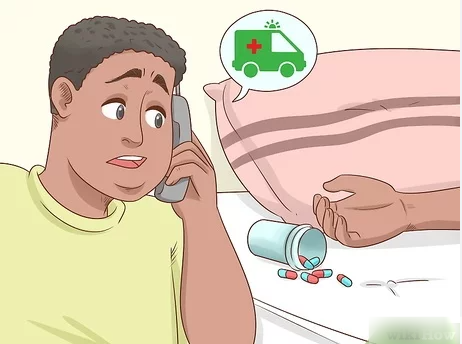
Call 911 immediately if the person is having difficulty breathing, experiencing seizures, is unconscious, or showing signs of severe allergic reaction.
When you call, have this information ready: the product name and label, the person's age and weight, the estimated amount swallowed, the time of ingestion, and any symptoms currently present.
Soap Poisoning Treatment — What Medical Professionals Do
If medical treatment is needed, healthcare providers have several tools at their disposal. The specific soap poisoning treatment depends on what was ingested and the severity of symptoms.
IV fluids are commonly administered to combat dehydration caused by vomiting and diarrhea. In some situations, activated charcoal may be given — though this is relatively rare for soap ingestion and only effective within a narrow time window.
Doctors will monitor for chemical burns in the gastrointestinal tract. In severe cases, an endoscopy may be performed to visually assess damage to the esophagus and stomach lining.
For most mild-to-moderate cases, recovery happens within 24 to 48 hours with supportive care. Severe cases involving concentrated detergents may require longer hospitalization and follow-up monitoring.
Children and Soap Ingestion — Special Considerations
Young children represent the highest-risk group for accidental soap consumption. Their smaller body weight means even modest amounts can produce more significant effects compared to adults.
Toxic household products that look appealing to toddlers are everywhere in the average home. Brightly colored laundry pods, shimmering body washes, fruit-scented dish soap, and novelty bath products all attract curious little ones.
Prevention is the best strategy. Store all cleaning and personal care products in locked cabinets or on high shelves. Choose products with child-resistant caps. Teach older children early that soap and cleaning products are never for eating, no matter how good they smell.
Laundry Pods and Dishwasher Tablets — A Higher Danger Level
Laundry detergent pods and dishwasher tablets deserve special attention because they represent a significantly higher danger than traditional bar soap. These products contain highly concentrated detergent formulations designed to dissolve quickly — which means they release large amounts of chemicals rapidly upon contact with moisture.
The specific risks associated with pod ingestion include corneal burns if the liquid contacts the eyes, respiratory distress from inhaling fumes or aspirating liquid, and in severe pediatric cases, seizures and loss of consciousness.
Poison control guidelines emphasize that pod-related incidents should always be treated with urgency. The concentrated nature of these products means symptoms can escalate quickly, particularly in children under five years old.
If a child bites into a laundry pod, call Poison Control immediately — even if the child seems fine initially. Symptoms can develop rapidly over the following 30 to 60 minutes.
Frequently Asked Questions
Can eating a small amount of soap kill you?
It's extremely unlikely that a small amount of traditional soap would be fatal for a healthy adult or child. The body typically responds with vomiting and diarrhea, which naturally expels the substance. However, concentrated detergents pose a higher risk, particularly for very young children, elderly individuals, or people with compromised health. When in doubt, always contact poison control for guidance specific to your situation.
Is soap toxic to dogs and pets?
Yes, soap can be toxic to pets. Dogs are particularly prone to eating soap due to the appealing scents. Symptoms in pets mirror those in humans — vomiting, diarrhea, drooling, and lethargy. If your pet ingests soap, contact your veterinarian or the ASPCA Animal Poison Control Center at 1-888-426-4435. Products containing essential oils like tea tree or pine are especially dangerous for cats and dogs.
How long do soap ingestion symptoms last?
For mild cases involving a small taste or lick, symptoms typically resolve within minutes to a few hours. Moderate cases with actual ingestion may produce symptoms lasting 24 to 48 hours, primarily gastrointestinal upset. Severe cases involving concentrated products can require days of medical monitoring, though permanent damage is uncommon with prompt treatment.
Should I make myself throw up after swallowing soap?
No — inducing vomiting is strongly discouraged by poison control guidelines. Soap and detergent products can be caustic, meaning they may burn tissue. Vomiting forces these chemicals back through your esophagus and throat, potentially causing additional damage. Instead, rinse your mouth, drink small sips of water or milk, and call Poison Control for personalized advice.
Are "natural" or organic soaps safer if swallowed?
Natural and organic soaps are still irritating to the digestive system and should never be considered safe to eat. While they may contain fewer synthetic chemicals, many natural soaps include concentrated essential oils — such as eucalyptus, peppermint, or tea tree — that can be toxic in significant quantities. The lye used in saponification is identical regardless of whether the soap is labeled natural or conventional.
What's the difference between soap poisoning and detergent poisoning?
Traditional soap is made from natural fats and alkali, and while irritating, it's generally less toxic when ingested in small amounts. Detergent poisoning involves synthetic surfactants and concentrated chemical formulations that are classified as more dangerous. Detergents — especially cationic detergents found in fabric softeners and some disinfectants — can cause more severe burns, systemic toxicity, and respiratory complications. Medical professionals treat detergent ingestion with greater urgency than traditional soap exposure.
How to Prevent Accidental Soap Ingestion at Home
Prevention is always better than treatment. A few simple steps can dramatically reduce the risk of accidental soap consumption in your household.
Store products out of reach and sight. Keep all soaps, detergents, and cleaning products in high cabinets or behind child-proof locks. Remember that children can climb — "out of reach" means truly inaccessible.
Avoid novelty soaps that resemble food. Those cupcake-shaped bath bombs and chocolate-scented bars may be charming, but they're a genuine hazard in homes with young children or cognitively impaired adults.
Label homemade products clearly. If you make your own cleaning solutions or transfer products to different containers, label them prominently. Never store cleaning products in food containers.
Keep the Poison Control number visible. Post 1-800-222-1222 on your refrigerator, save it in your phone, and make sure all caregivers in your home know where to find it. In an emergency, seconds matter.
By staying informed and taking basic precautions, you can keep your family safe from the risks of accidental soap consumption — and know exactly what to do if it ever happens.