If you've been searching for a gentle, effective cleanser that actually lives up to the hype, African black soap deserves a spot on your radar. This centuries-old staple has been a cornerstone of natural skin care across West Africa — and for good reason.
Whether you're dealing with stubborn dark spots, sensitive skin flare-ups, or just want to simplify your routine with something that truly works, this guide covers everything you need to know. Let's break it all down.
What Is African Black Soap?
Origins and History
African black soap originated in West Africa, primarily in Ghana and Nigeria, where it has been handcrafted for centuries. Local communities have passed down the recipe through generations, and it remains a source of cultural pride and economic livelihood for many women-led cooperatives.
You might hear it called by its traditional names: ose dudu in Yoruba (meaning "dark soap") or alata samina in Ghana. These names reflect its deep roots in everyday cleansing rituals that long predate modern skincare trends.
How It's Made
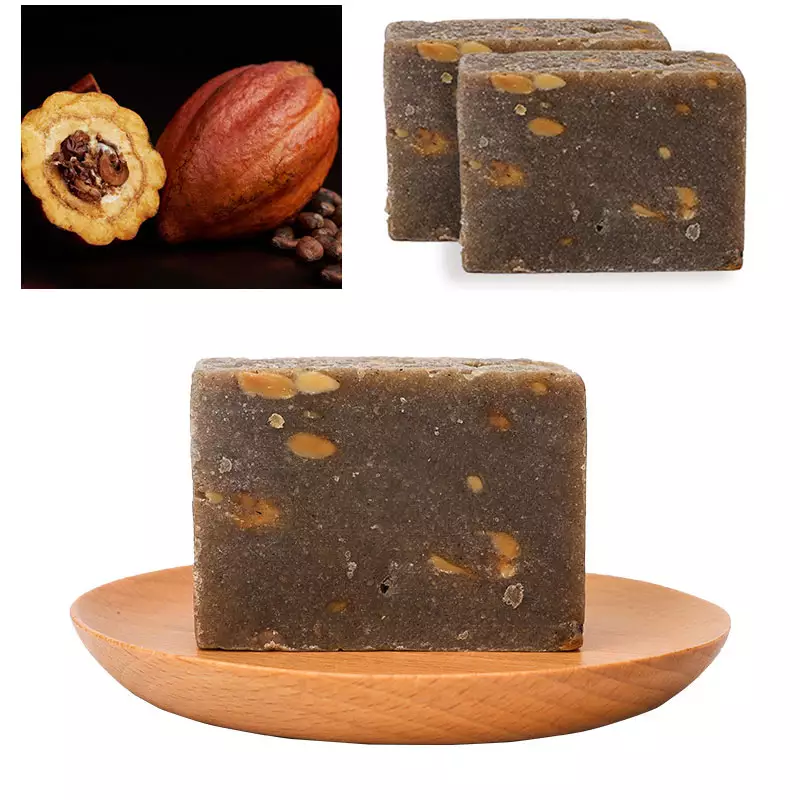
The traditional process is beautifully simple but labor-intensive. It starts with sun-drying plantain skins, cocoa pods, and palm tree leaves for several days. These dried materials are then roasted in a clay oven until they turn to ash.
Next, the ash is filtered with water and mixed with nourishing fats — typically shea butter, coconut oil, and palm kernel oil. The mixture is hand-stirred, sometimes for an entire day, then left to cure for at least two weeks.
Here's something important to understand: no two batches of authentic African black soap look identical. The color can range from light brown to deep black, depending on how long the ingredients were roasted. This variation is actually a sign of authenticity, not inconsistency.
Raw vs. Commercial Versions
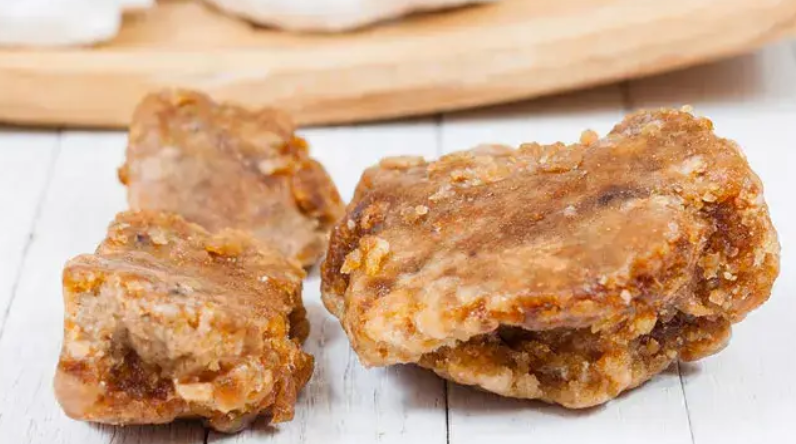
Walk into any health food store and you'll find products labeled "African black soap" that look nothing like the real thing. Authentic handmade bars are brown, crumbly, and uneven in texture. They won't win any beauty contests on the shelf — but that's the point.
Mass-produced liquid and bar versions often contain added fragrances, colorants, and synthetic preservatives that dilute the original benefits. Some are dyed black to look more "authentic," which is ironic since genuine African black soap is rarely actually black.
To identify the real deal, look for an uneven texture, an earthy cocoa-like smell, and a short ingredient list you can actually pronounce.
Key Benefits of African Black Soap
Deep Cleansing Without Stripping
One of the biggest frustrations with conventional cleansers is that "squeaky clean" feeling that actually means your skin's moisture barrier has been compromised. African black soap takes a different approach.

Its natural surfactants — derived from the plant ash — effectively remove dirt, makeup, and excess oil. Meanwhile, the shea butter and coconut oil in the formula replenish moisture as you cleanse. Think of it as an organic body wash that cleans thoroughly without leaving your skin tight or parched.
This balance makes it suitable for daily use on most skin types, which is rare for a soap-based cleanser.
Fades Dark Spots and Hyperpigmentation
If you're dealing with post-acne marks, sun spots, or uneven skin tone, African black soap offers a gentle dark spot treatment worth trying. The vitamin E naturally present in shea butter, combined with the exfoliating properties of plantain ash, promotes gradual cell turnover.
This means fresh, evenly-toned skin surfaces over time. Unlike harsh chemical peels or hydroquinone-based products, this approach works slowly and gently — which is actually better for long-term skin health.
A realistic expectation: you'll likely notice improvement after 4–6 weeks of consistent use. This isn't an overnight miracle, but the gradual fading tends to look more natural and last longer.
Soothes Sensitive and Problem Skin
People with eczema, psoriasis, and rosacea often struggle to find cleansers that don't trigger flare-ups. African black soap works as a sensitive skin cleanser because of what it doesn't contain: no synthetic fragrances, no artificial dyes, no sulfates, no parabens.
The cocoa pod ash provides anti-inflammatory properties that can calm irritated skin rather than aggravate it. Many users with chronic skin conditions report reduced redness and itching after switching from commercial soaps.
That said, "natural" doesn't automatically mean "safe for everyone." We'll cover patch testing later — it's an essential step regardless of how gentle a product claims to be.
Fights Acne and Breakouts
Acne-prone skin needs a cleanser that eliminates bacteria and controls oil without triggering rebound oiliness. African black soap hits that sweet spot thanks to the antibacterial properties of palm kernel oil and coconut oil.
These oils help keep pore-clogging bacteria in check while the soap's gentle exfoliation prevents dead skin cells from building up. The result is fewer breakouts without the dryness and peeling that come with conventional acne treatments like benzoyl peroxide.
For hormonal or cystic acne, black soap works best as a supporting player alongside targeted treatments rather than a standalone solution.
Anti-Aging Properties
The antioxidants packed into shea butter soap formulations do more than moisturize. They actively combat free radicals — the unstable molecules that accelerate skin aging from sun exposure, pollution, and stress.
Regular use supports collagen retention and skin elasticity, helping your skin maintain its firmness and bounce over time. While it won't replace retinol or professional treatments, it's a solid foundation for an anti-aging routine that prioritizes skin health over quick fixes.
How to Use African Black Soap
For Face Washing
This is the most important rule: never rub the bar directly on your face. Raw African black soap can be slightly gritty, and direct contact may cause micro-tears or irritation on delicate facial skin.
Here's the right approach:
Wet your hands with lukewarm water
Rub the soap between your palms until you build a creamy lather
Massage the lather onto your face using gentle circular motions for 30–60 seconds
Rinse thoroughly with lukewarm water (hot water strips moisture; cold water doesn't rinse well)
Pat dry with a clean towel — don't rub
Frequency guidance: Start with 2–3 times per week, especially if you have sensitive skin. If your skin responds well after two weeks, you can gradually increase to daily use. Jumping in at full frequency is one of the most common mistakes people make.
As a Body Wash
Using African black soap as your daily natural skin care staple in the shower is straightforward. You can lather it in your hands, use a washcloth, or place a small piece inside a mesh pouch for easier handling.
Work the lather over your body, paying extra attention to areas prone to hyperpigmentation like elbows, knees, and underarms. Rinse completely.
The critical follow-up step: apply a moisturizer within two minutes of stepping out of the shower while your skin is still slightly damp. This locks in hydration and maximizes the soap's benefits. Shea butter or coconut oil work beautifully as a pairing.
As a Shampoo or Scalp Treatment
If you're dealing with product buildup, an itchy scalp, or dandruff, African black soap can serve as a clarifying wash. Its gentle cleansing action removes residue from styling products without the harsh sulfates found in most clarifying shampoos.
Lather between your hands and massage into your scalp, focusing on the roots rather than the ends of your hair. Rinse thoroughly.
Important caution: Always follow with a conditioner or leave-in treatment. The soap can be drying to hair strands, especially if you have curly, coily, or color-treated hair. Use it as a weekly reset, not a daily shampoo.
DIY Combinations
One of the best things about raw African black soap is its versatility. Here are three simple recipes to try:
Hydrating Face Mask: Crumble a small piece of soap into a bowl, add a tablespoon of raw honey, and mix with a few drops of warm water until you get a paste. Apply for 5–10 minutes, then rinse. The honey adds antibacterial and humectant benefits.
Acne-Fighting Wash: Melt a small piece of soap with warm water, then add 3–4 drops of tea tree oil. Use this as a targeted face wash on breakout-prone areas for enhanced antibacterial power.
Exfoliating Body Scrub: Crumble the soap and blend with colloidal oatmeal and a teaspoon of coconut oil. Use once or twice a week for gentle physical exfoliation that won't irritate sensitive skin.
Tips and Precautions
Patch Test First
Even though African black soap is natural, your skin can still react to any of its plant-based ingredients. A patch test takes 24 hours and can save you from a full-face reaction.
Apply a small amount of lather to your inner forearm. Cover loosely with a bandage. Wait 24 hours. If you see no redness, itching, or bumps, you're good to go. If irritation appears, this particular batch or formulation isn't right for you.
Storage and Shelf Life
Water is the enemy of African black soap. Because it contains no synthetic preservatives, leaving it in a puddle of water will cause it to dissolve into mush within days.
Store it on a soap dish with proper drainage, or cut the bar into smaller pieces and keep unused portions in a cool, dry place. Properly stored, authentic bars last 6–12 months without losing effectiveness.
Common Mistakes to Avoid
Using too much too soon: Your skin needs time to adjust. Start slow and increase gradually.
Skipping moisturizer: Even the gentlest cleanser needs a hydrating follow-up. Never skip this step.
Expecting overnight results: Natural ingredients work gradually. Give it at least a month before judging effectiveness.
Buying heavily fragranced versions: If it smells like lavender fields or tropical fruit, it's not authentic African black soap. The real thing smells earthy and slightly smoky.
How to Choose the Right African Black Soap
What to Look For
Genuine African black soap should have a short, recognizable ingredient list: plantain ash (or cocoa pod ash), shea butter, coconut oil, and palm kernel oil. That's essentially it. If the label reads like a chemistry textbook, keep looking.
The texture should be uneven and slightly crumbly — not perfectly smooth or uniformly colored. A faint earthy or cocoa-like scent is normal. Look for brands that source directly from West African cooperatives, which ensures both authenticity and fair compensation for the artisans who make it.
Who Should Use It
African black soap works particularly well for people with oily, combination, or acne-prone skin. It's also an excellent choice for those dealing with hyperpigmentation or anyone looking to transition toward a simpler, more natural skincare routine.
However, if you have severe eczema with open or weeping skin, active infections, or deep wounds, consult a dermatologist before introducing any new cleanser — natural or otherwise. The same applies if you're currently using prescription topicals like tretinoin, which can make skin more reactive to new products.
For everyone else, African black soap offers a time-tested, straightforward approach to cleaner skin. It won't replace your entire skincare routine, but as a foundation? It's hard to beat something that's worked for centuries.