Here's a fun fact: sugar soap contains neither sugar nor soap. It's actually a powerful alkaline cleaning compound that has been a staple in homes across the UK, Australia, and New Zealand for decades. If you've ever wondered how professional painters get such flawless results, this unassuming product is often their secret weapon.
Sugar soap is specifically designed for cleaning walls before painting, stripping away years of grime, grease, and residue so fresh paint bonds perfectly. In North America, you might know its close cousin — trisodium phosphate cleaner (TSP) — which serves a similar purpose.
By the end of this guide, you'll know exactly what sugar soap is, when you need it, and how to use it step by step. Whether you're preparing walls for decorating or tackling a grimy kitchen, this tutorial has you covered.
What Is Sugar Soap?
Composition and How It Works
Sugar soap is typically made from a blend of sodium carbonate, sodium phosphate, and sodium silicate. These alkaline compounds work together to dissolve grease, lift grime, and break down stubborn residues without damaging the surface underneath.
So why the misleading name? It comes from the product's granular appearance in powder form, which looks remarkably like sugar crystals. The "soap" part refers to its cleaning action, even though it's chemically quite different from traditional soap.
What makes it particularly effective is its ability to act as a degreaser for surfaces. It cuts through cooking grease, nicotine stains, fingerprints, crayon marks, and old paint residue — all the things that prevent new paint from sticking properly.
Forms Available
You'll find sugar soap in several convenient forms:
Powder — dissolve in warm water for a custom-strength solution (most economical for large jobs)
Liquid concentrate — dilute with water, slightly more convenient than powder
Ready-to-use spray — no mixing required, ideal for small touch-up jobs
Wipes — pre-soaked cloths for quick spot cleaning
For whole-room preparation, powder or liquid concentrate gives you the best value. For quick jobs like cleaning a single door frame, the spray or wipes are perfectly practical.
Why Use Sugar Soap?
Benefits Over Regular Household Cleaners
You might wonder why you can't just use your regular kitchen spray. The difference is significant. Standard household cleaners often leave behind surfactant residues, fragrances, or waxy films that actually interfere with paint adhesion.
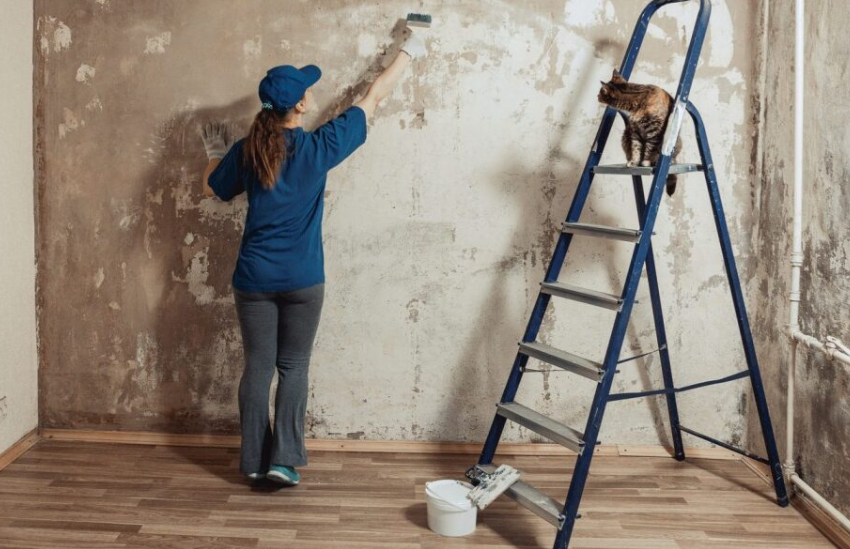
Sugar soap is specifically formulated to leave surfaces completely residue-free after rinsing. It's effective at cleaning walls before painting without damaging the existing surface. It's mild enough to safely use on woodwork, skirting boards, and ceilings without etching or discolouring them. Many brands now offer biodegradable formulations too.
When You Need It
Reach for sugar soap when you're:
Preparing walls for decorating — whether painting or wallpapering
Deep-cleaning kitchen walls and cabinets with heavy grease buildup
Looking to wash walls and woodwork in hallways, stairwells, and other high-traffic areas
Removing nicotine stains or smoke damage from surfaces
Cleaning before applying any adhesive or coating that needs a clean bond
How to Use Sugar Soap: Step-by-Step
What You'll Need
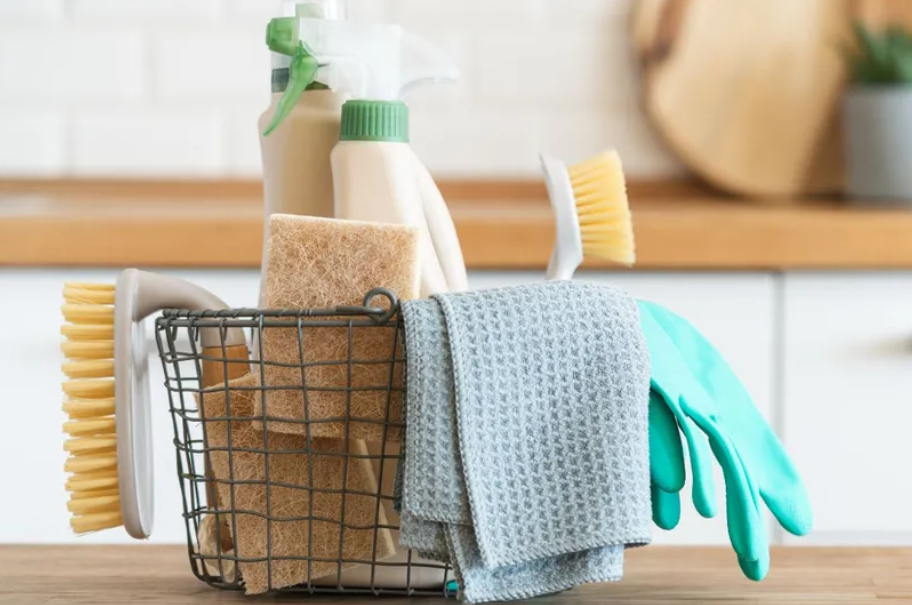
Gather these supplies before you start:
A bucket for your sugar soap solution
A second bucket with clean rinse water
A large sponge or soft cloth
Rubber gloves (the solution is alkaline and can irritate skin)
Warm water
Your chosen form of sugar soap
Drop cloths or old towels for the floor
Step 1: Prepare the Area
Move furniture away from walls or into the centre of the room. Lay drop cloths along the base of walls to catch drips. Open windows or turn on fans — good ventilation helps surfaces dry faster and keeps the air fresh while you work.
Remove any picture hooks, switch plate covers, or curtain hardware that might get in your way. A few minutes of preparation saves frustration later.
Step 2: Mix the Solution
For powder sugar soap, a general guideline is roughly one tablespoon per litre of warm water for general cleaning, or two tablespoons per litre for heavy-duty degreasing. For liquid concentrate, a typical ratio is one part concentrate to ten parts water.
Always check the manufacturer's instructions on your specific product, as concentrations vary between brands. Stir until fully dissolved — undissolved granules can scratch surfaces.
Step 3: Wash Surfaces
Here's a tip the professionals use: work from the bottom of the wall upward. This might seem counterintuitive, but it prevents dirty drip streaks from running down onto dry, unwashed areas — those streaks can be surprisingly difficult to remove once dried.
Dip your sponge into the solution, wring it out so it's damp but not dripping, and use gentle circular motions. Work in manageable sections of roughly one square metre at a time. For stubborn spots like grease splashes or nicotine stains, apply a slightly stronger solution and let it sit for a minute before wiping.
Step 4: Rinse Thoroughly
This step is non-negotiable. Using your second bucket of clean water and a fresh sponge, wipe down every surface you've cleaned. Rinsing removes all traces of the cleaning solution.
Why does this matter so much? Any residue left behind creates a barrier between the surface and your new paint. Skipping this step is one of the most common reasons paint peels or flakes prematurely. Change your rinse water frequently — if it looks cloudy, it's time for fresh water.
Step 5: Allow to Dry
Let surfaces dry completely before painting or wallpapering. Typical drying time is 2–4 hours depending on ventilation, humidity, and room temperature. In poorly ventilated rooms or during humid weather, allow longer.
You can speed things up with fans or by keeping windows open. The surface should feel completely dry to the touch — not cool or damp — before you apply any paint or adhesive.
Tips for Best Results
Dos
Test on an inconspicuous area first — especially on coloured or delicate surfaces
Wear rubber gloves — the alkaline solution can dry out and irritate skin
Use a fresh sponge — a dirty one just redistributes grime across the wall
Work in sections — this ensures even coverage and prevents the solution from drying on the surface
Don'ts
Don't use on freshly painted surfaces — wait at least four weeks for paint to fully cure
Don't leave the solution sitting on surfaces too long — it can dull certain finishes
Don't skip rinsing — residue will cause paint to flake and peel
Don't use boiling water — warm water dissolves the product effectively without risking damage to surfaces or your hands
Sugar Soap vs. Other Cleaners
| Feature | Sugar Soap | TSP (Trisodium Phosphate) | White Vinegar | All-Purpose Spray |
|---|---|---|---|---|
| Paint prep | ✅ Excellent | ✅ Excellent | ❌ Poor | ❌ Poor |
| Residue-free | ✅ Yes | ✅ Yes | ✅ Yes | ❌ No |
| Grease removal | ✅ Strong | ✅ Strong | ⚠️ Moderate | ⚠️ Moderate |
| Eco-friendly | ⚠️ Varies by brand | ❌ Harmful to waterways | ✅ Yes | ⚠️ Varies |
For anyone looking to wash walls and woodwork before decorating, sugar soap and TSP are clearly the top performers. Vinegar and all-purpose sprays simply aren't formulated for this job — they won't cut through heavy grime or provide the residue-free finish that paint needs to adhere properly.
If you're in North America and can't find sugar soap on store shelves, look for TSP or "TSP substitute" products — they serve the same purpose as a degreaser for surfaces before painting.
Frequently Asked Questions
Is sugar soap safe for all surfaces?
Sugar soap is safe for most painted walls, woodwork, tiles, and glass. However, you should avoid using it on unsealed or bare wood (it can raise the grain and cause staining), aluminium (it may discolour), and delicate or vinyl wallpaper. When in doubt, test a small hidden area first and wait a few minutes to check for any adverse reaction.
Do you need to rinse sugar soap off?
Yes — always rinse with clean water after washing. Residue left behind creates an invisible film that prevents paint from bonding properly to the surface. This is the single most important step people skip, and it's the most common cause of paint adhesion failure after using sugar soap.
Can sugar soap remove mould?
Sugar soap will remove surface mould and the grime associated with it, but it won't kill mould spores embedded in the surface. For mould problems, use a dedicated mould treatment or fungicidal wash first, allow it to work according to its instructions, and then follow up with sugar soap to clean the area before painting. This two-step approach ensures both the mould and the grime are properly dealt with.
Is sugar soap the same as TSP?
They serve a similar function but have different formulations. TSP (trisodium phosphate) is more common in North America, while sugar soap is the standard in the UK, Australia, and New Zealand. Both work effectively as a degreaser for surfaces before painting. TSP tends to be slightly harsher and faces more environmental restrictions in some regions, which is why phosphate-free sugar soap alternatives have grown in popularity.
How long after sugar soap can I paint?
Wait until surfaces are fully dry — typically 2–4 hours in a well-ventilated room. In cooler or more humid conditions, this could extend to 6 hours or overnight. Touch the surface before painting; if it feels cool or slightly damp, give it more time. Painting over a damp surface traps moisture and leads to bubbling or peeling.
Can I use sugar soap on ceilings?
Yes, and it's highly recommended before repainting ceilings, especially in kitchens and bathrooms where steam and grease accumulate. Use a sponge mop or a long-handled applicator to save your arms and neck. Work in small sections, rinse promptly, and lay plenty of drop cloths below — ceiling work tends to drip more than wall cleaning.
Final Thoughts
Sugar soap is one of those simple, affordable products that makes an enormous difference to your results. Whether you're preparing walls for decorating, tackling a greasy kitchen, or freshening up high-traffic hallways, it delivers a level of clean that regular household sprays simply can't match.
The process is straightforward: mix, wash, rinse, dry. That small investment of time — usually under an hour for an average room — means your paint goes on smoother, bonds better, and lasts years longer. Keep a box of powder or a bottle of concentrate in your cleaning cupboard. You'll reach for it far more often than you expect.