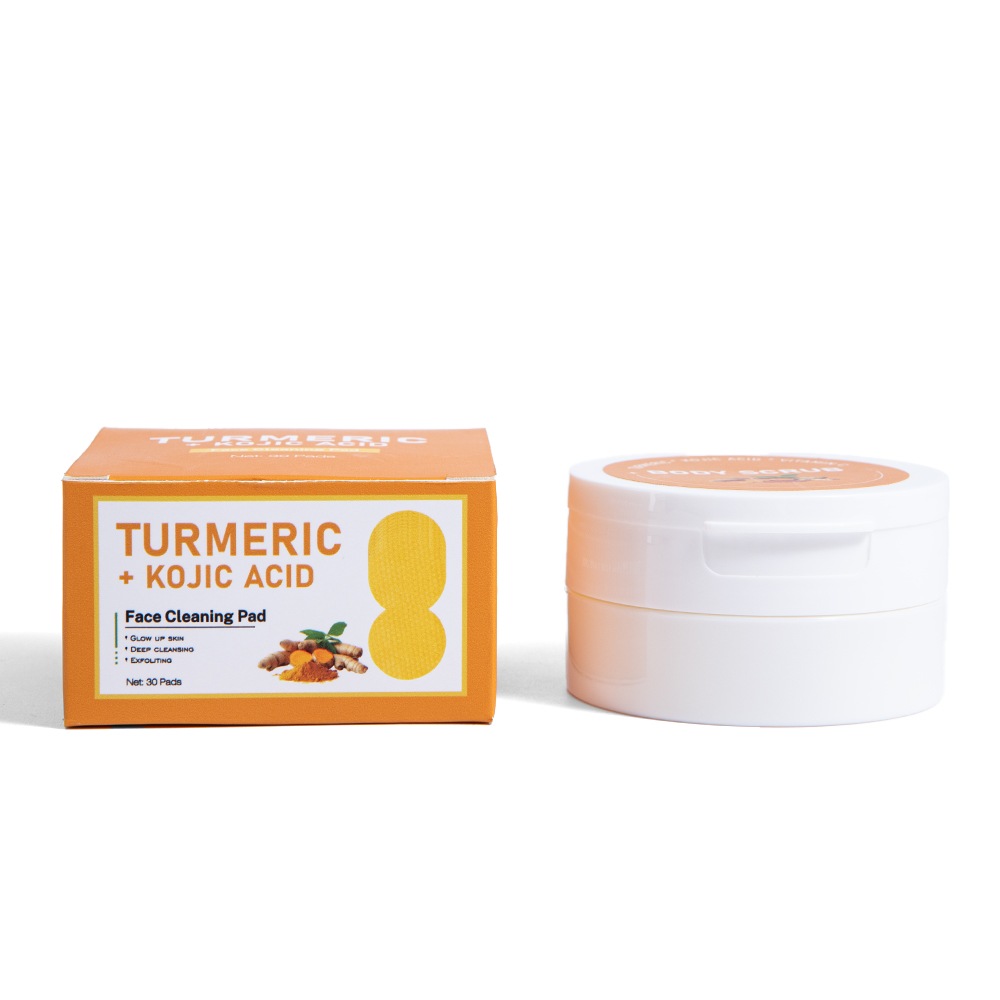
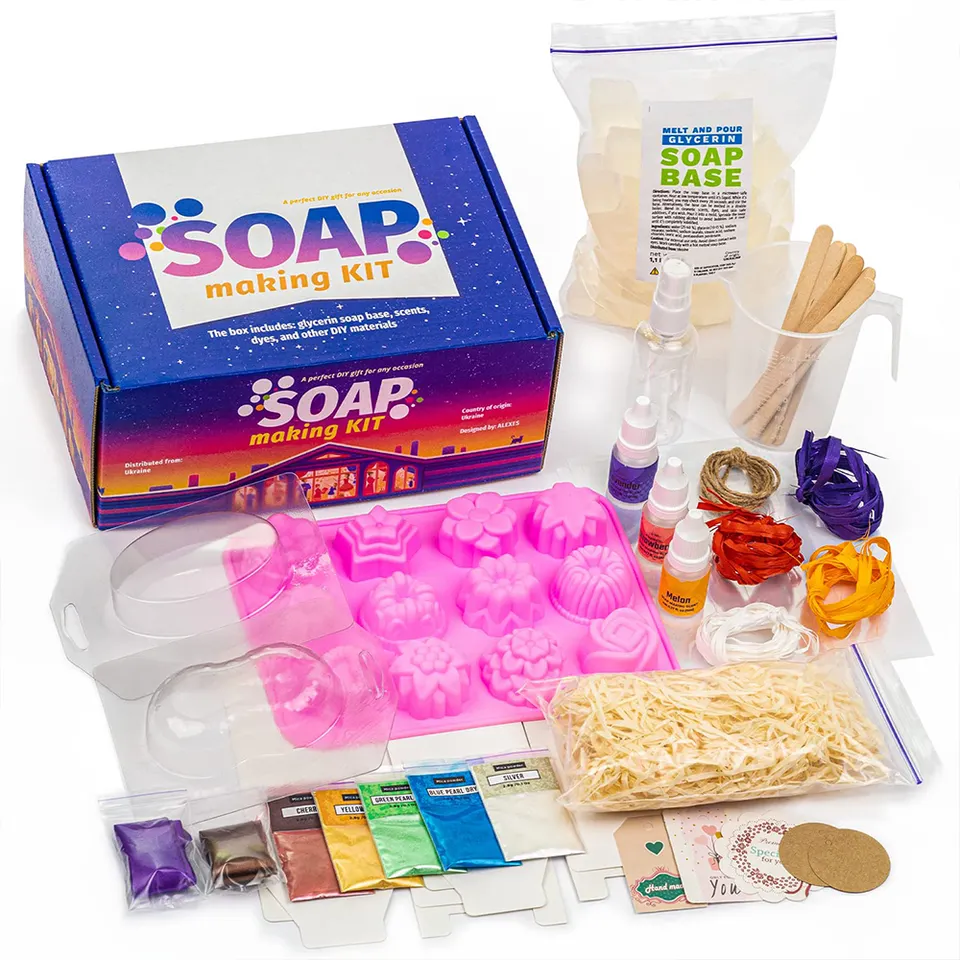
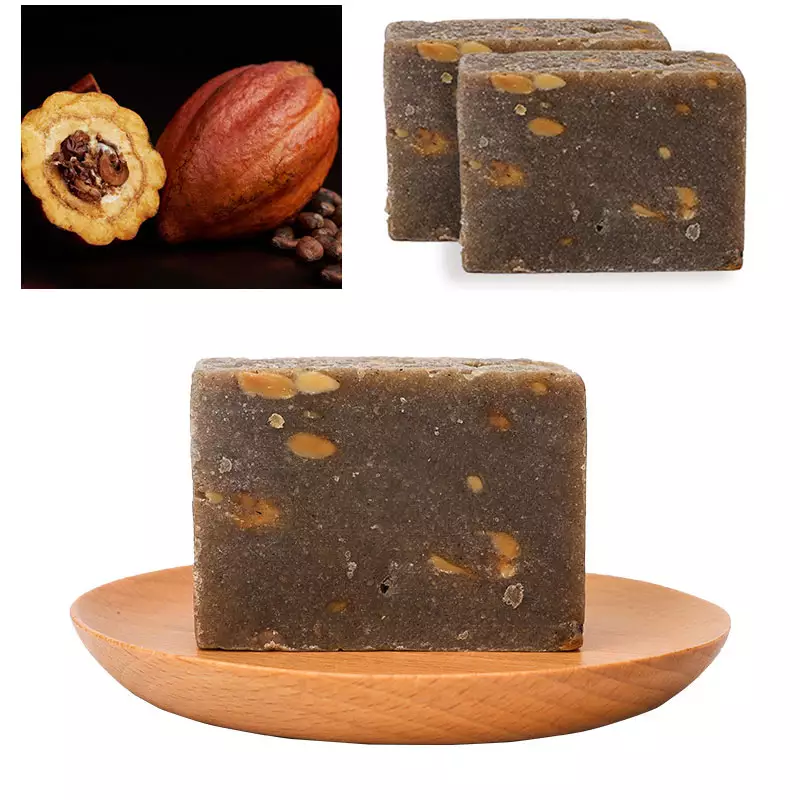
Natural soap making has exploded in popularity, and for good reason. People everywhere are ditching store-bought bars loaded with synthetic chemicals and discovering the joy of crafting their own skincare products at home. Among the most beloved recipes? Turmeric soap.
Turmeric has been a skincare staple for centuries, particularly in South Asian beauty traditions. Its golden pigment and powerful active compound—curcumin—deliver real benefits that modern science continues to validate.
In this guide, you'll learn a complete turmeric soap recipe using the melt and pour soap base method. That means no lye handling, no complicated chemistry, and no expensive equipment. If you can melt chocolate, you can make this soap.
Why Turmeric Soap Is Great for Your Skin
So why turmeric specifically? This bright orange-yellow spice isn't just for curries. When applied topically, turmeric powder for skin delivers a range of benefits backed by dermatological research.
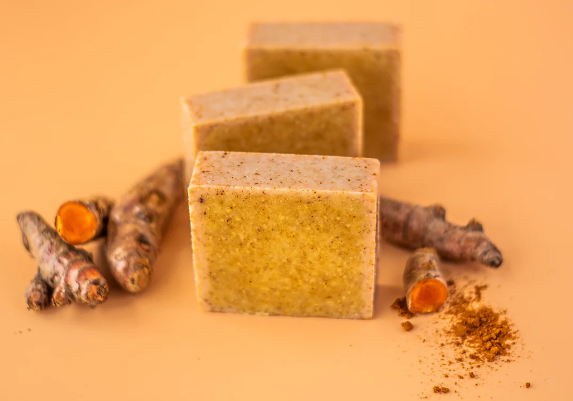
Curcumin, the primary active compound in turmeric, is a potent antioxidant and anti-inflammatory agent. It works on multiple levels to improve your skin's appearance and health over time.
Key Skin Benefits of Turmeric
| Benefit | How It Works |
|---|---|
| Brightening | Curcumin inhibits excess melanin production, revealing a more radiant complexion |
| Anti-inflammatory | Reduces redness and calms irritated or sensitive skin |
| Antioxidant protection | Fights free radical damage caused by UV exposure and pollution |
| Acne support | Antibacterial properties target the bacteria responsible for breakouts |
| Even skin tone | Fades dark spots and hyperpigmentation with consistent use |
The best part? You get all these benefits in a product you use daily—your soap bar. No extra steps added to your routine.
What You'll Need: Homemade Soap Ingredients
One of the reasons this turmeric soap recipe is so beginner-friendly is the short, affordable ingredient list. You can find everything online or at your local craft store.
Ingredients List
| Ingredient | Amount | Purpose |
|---|---|---|
| Melt and pour soap base (shea butter or goat milk) | 1 lb (454 g) | Foundation of the soap |
| Turmeric powder | 1–2 tsp | Color + skin benefits |
| Coconut oil | 1 tbsp | Moisturizing, lather boost |
| Essential oil (tea tree or lavender) | 15–20 drops | Fragrance + added skin benefits |
| Honey (optional) | 1 tsp | Humectant, antibacterial |
Tools & Equipment
Microwave-safe bowl or double boiler
Silicone soap mold
Spatula or spoon for stirring
Rubbing alcohol in a spray bottle
Knife or soap cutter
All of these items are affordable and reusable for future batches. A basic silicone mold and spray bottle will last you dozens of projects.
How to Make Turmeric Soap: Step-by-Step Instructions
Now for the fun part. Follow these five simple steps and you'll have beautiful, golden turmeric soap bars ready to use.
Step 1 — Cut and Melt the Soap Base
Using your knife, cut the melt and pour soap base into small 1-inch cubes. Smaller pieces melt faster and more evenly.
Place the cubes in your microwave-safe bowl and heat in 30-second intervals. Stir between each interval. You want the base fully melted but not overheated—aim for around 120°F (49°C). Overheating causes the soap to sweat and develop an uneven texture later.
Step 2 — Mix In the Turmeric Powder
Add your turmeric powder gradually while stirring continuously. This prevents clumps from forming in the melted base.
Pro tip: Pre-mix the turmeric with a small amount of coconut oil in a separate dish before adding it to the melted base. This creates a smooth paste that blends much more evenly and gives you that gorgeous uniform golden color.
Step 3 — Add Oils and Extras
Stir in your coconut oil and honey (if using). Mix thoroughly until everything is well incorporated.
Let the mixture cool slightly to around 110°F before adding your essential oils. Adding fragrance to overly hot soap causes the scent to evaporate, leaving you with unscented bars. Fifteen to twenty drops of tea tree or lavender oil is the sweet spot for a pleasant but not overpowering fragrance.
Step 4 — Pour Into Molds
Pour the mixture slowly into your silicone molds. Rushing this step introduces air bubbles that create imperfections in your finished bars.
Gently tap the mold on your counter a few times to release any trapped air bubbles. Then spritz the surface of the soap with rubbing alcohol. This eliminates any remaining surface bubbles and gives you a smooth, professional-looking top.
Step 5 — Cool and Unmold
Let your soap harden at room temperature for 4–6 hours. If you're impatient (no judgment!), you can place the mold in the refrigerator for 1–2 hours instead.
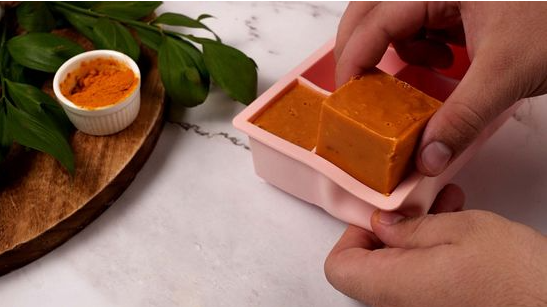
Once fully hardened, carefully flex the silicone mold to pop out your soap bars. Allow an additional 24 hours of curing time at room temperature before using. This lets any excess moisture evaporate and firms up the bar for a longer-lasting product.
Tips for the Best Results in Natural Soap Making
Avoiding Common Mistakes
Even with a simple method like melt and pour, a few pitfalls can trip up beginners. Here's what to watch out for:
Don't exceed 2 teaspoons of turmeric per pound of base. Higher amounts will stain your skin yellow instead of washing off cleanly.
Don't overheat the soap base. This causes sweating (glycerin beads on the surface) and creates an uneven, grainy texture.
Don't skip the alcohol spritz. Those tiny bubbles might seem harmless in liquid form, but they create visible pockmarks on your finished bars.
Customization Ideas
Once you've mastered the basic turmeric soap recipe, the creative possibilities are endless. Here are some variations to try:
Exfoliating bar: Add 1 tablespoon of finely ground oatmeal for gentle physical exfoliation.
Different essential oil blends: Try lemongrass for an energizing morning bar, or chamomile for a calming evening wash.
Swirl design: Set aside a small portion of plain base, add activated charcoal, and pour it back in a swirl pattern for a stunning black-and-gold look.
Extra glow: Add a pinch of mica powder for subtle shimmer.
Don't be afraid to experiment within the framework. That's what makes homemade soap ingredients so rewarding—every batch can be uniquely yours.
Storage and Shelf Life
Proper storage makes a big difference in how long your turmeric soap lasts and how well it performs.
| Storage Method | Expected Shelf Life |
|---|---|
| Cool, dry place (wrapped in plastic wrap or wax paper) | 6–12 months |
| Refrigerated | Up to 18 months |
| In shower (unwrapped, on a draining soap dish) | Use within 4–6 weeks |
The key to longevity is keeping your soap dry between uses. Always place it on a well-draining soap dish—never let it sit in a puddle of water. Standing moisture softens the bar quickly and shortens its usable life significantly.
Frequently Asked Questions
Will turmeric soap stain my skin?
At the recommended amount of 1–2 teaspoons per pound of soap base, staining is minimal and rinses off easily with water. If you have very fair skin, start with 1 teaspoon and do a patch test on your inner wrist. Any faint yellow tint disappears within minutes of rinsing.
Can I use fresh turmeric instead of powder?
Powder is strongly preferred for soap making. Fresh turmeric root introduces extra moisture into the bar, which can reduce shelf life and create inconsistent texture. The powder also distributes far more evenly throughout the soap base, giving you uniform color and benefits in every use.
Is melt and pour soap making safe for beginners?
Absolutely. The melt and pour method is the easiest entry point into natural soap making because it requires no lye handling whatsoever. Lye (sodium hydroxide) is caustic and demands safety gear and precise measurements. With melt and pour, the saponification process is already complete—you're simply reshaping and customizing a pre-made base. It's as safe as cooking in your kitchen.
How long before I see skin benefits?
Set realistic expectations here. Most people notice a brighter, more even complexion after 2–4 weeks of consistent daily use. Turmeric works gradually—it's not an overnight miracle. For best results, use your turmeric soap as part of a broader skincare routine that includes sunscreen and moisturizer.
Can I sell turmeric soap I make at home?
You can, but there are important considerations. Check your local and national regulations regarding cosmetic product sales. In the United States, the FDA regulates soap labeling, and many states require business licenses for selling cosmetics. You'll also need proper labeling (full ingredient list, weight, contact information) and should consider liability insurance. Start by researching your specific jurisdiction's requirements before listing products for sale.
Start Your Natural Soap Making Journey Today
Making turmeric soap at home is one of the most satisfying beginner craft projects you can try. It's quick, affordable, and produces a genuinely useful product that benefits your skin every single day.
Gather your homemade soap ingredients, clear a small workspace in your kitchen, and give this recipe a try this weekend. Once you see those beautiful golden bars pop out of the mold, you'll understand why so many people have fallen in love with natural soap making.
Your skin—and your wallet—will thank you.