Making your own soap sounds intimidating — until you discover the melt and pour method. No dangerous chemicals, no weeks of waiting, and no chemistry degree required. Just melt, customize, pour, and enjoy beautiful handmade bars in a single afternoon.
This guide walks you through everything you need to know, from choosing your first glycerin soap base to unmolding gorgeous bars you'll be proud to gift (or keep for yourself).
Why Melt and Pour Soap Is Perfect for Beginners
The DIY personal care movement has exploded in recent years, and for good reason. People want to know exactly what touches their skin. Melt and pour soap making gives you that control without the steep learning curve of traditional methods.
With a pre-made soap base, the saponification (the chemical reaction that turns oils into soap) is already done for you. You get to skip straight to the fun part — choosing scents, colors, and designs that make each bar uniquely yours.
It's also incredibly forgiving. Made a mistake? Simply re-melt your base and start over. That kind of flexibility makes it the ideal entry point for anyone curious about handmade soap.
Melt and Pour vs. Cold Process — Key Differences
If you've been researching soap making, you've probably seen cold process mentioned alongside melt and pour. Here's how they compare:
| Feature | Melt and Pour Soap | Cold Process Soap |
|---|---|---|
| Skill Level | Beginner | Intermediate–Advanced |
| Requires Lye Handling | No | Yes |
| Cure Time | None (ready in hours) | 4–6 weeks |
| Customization | Moderate | High |
| Equipment Cost | Low ($15–$30) | Moderate ($50–$100+) |
| Safety Gear Needed | Minimal | Extensive (goggles, gloves, long sleeves) |
As you can see, melt and pour soap removes most of the barriers that keep beginners from trying soap making. You can literally start today with supplies from your local craft store.
Essential Supplies for Making Soap With Soap Base
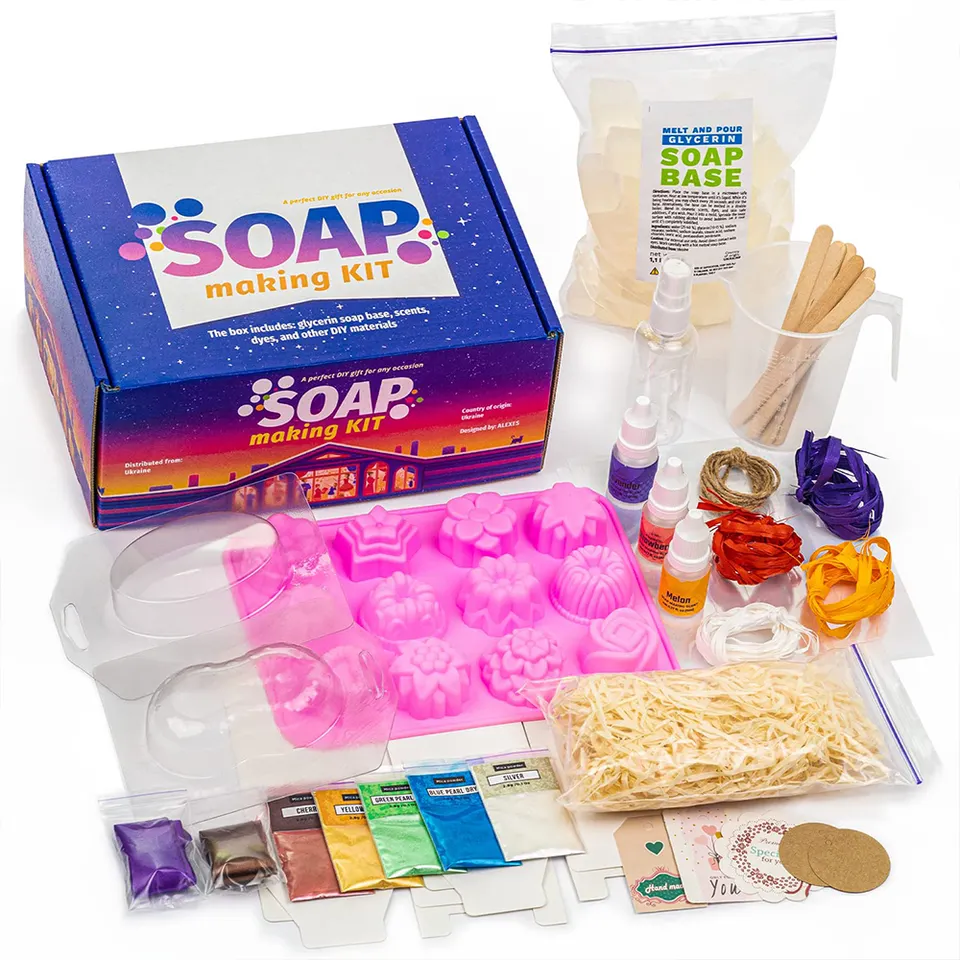
Before you start melting anything, let's gather your supplies. The good news? You don't need much, and most items are affordable and easy to find online or at stores like Michaels, Hobby Lobby, or Amazon.
Choosing the Right Glycerin Soap Base
Your soap base is the foundation of everything. Here's what you need to know about your options:
Clear glycerin base is perfect for embedding objects, creating layered designs, or showcasing vibrant colors. It produces a translucent, jewel-like bar that looks stunning.
White/opaque base gives you a classic soap look and works beautifully with pastel colorants. It also hides any imperfections in your pour technique — great for beginners.
Specialty bases like goat milk, shea butter, and aloe vera offer extra skin benefits right out of the package. Goat milk base is wonderfully creamy, shea butter adds moisture, and aloe vera soothes sensitive skin.
When reading ingredient labels, look for bases free of sulfates (SLS/SLES) if you prefer a gentler product. Also check for palm-oil-free options if sustainability matters to you.
Soap Molds — Shapes, Sizes, and Materials
Soap molds come in three main materials, each with pros and cons:
Silicone molds are the top choice for beginners. They're flexible, non-stick, and come in endless shapes — from simple rectangles to intricate flowers and animals. Unmolding is a breeze.
Plastic molds are inexpensive and widely available. They work well but can be trickier to unmold. A short stint in the freezer usually helps release stubborn bars.
Wooden molds (loaf molds) are ideal if you want to make multiple bars at once and cut them to size. Line them with freezer paper or silicone liners for easy removal.
For standard bar soap, look for cavities that hold 3.5 to 5 ounces. This gives you a comfortable hand-sized bar that lasts a reasonable amount of time in the shower.
Additives — Essential Oils, Colorants, and Extras
This is where your creativity shines. Here's a quick reference for popular additives:
| Additive Type | Examples | Purpose |
|---|---|---|
| Essential oils for soap making | Lavender, tea tree, peppermint, eucalyptus | Scent and skin benefits |
| Natural soap colorants | Turmeric, spirulina, activated charcoal, mica powders | Visual appeal |
| Exfoliants | Oatmeal, coffee grounds, poppy seeds | Texture and gentle skin care |
| Botanicals | Dried lavender buds, rose petals, calendula | Decoration |
A quick note on fragrance oils vs. essential oils: fragrance oils are synthetic and offer a wider scent range (think "birthday cake" or "ocean breeze"). Essential oils are plant-derived and offer aromatherapy benefits. Both work beautifully in melt and pour soap.
Step-by-Step Tutorial — Making Melt and Pour Soap
Alright, let's make soap! Follow these steps and you'll have finished bars in just a few hours.
Step 1 — Cut and Melt the Soap Base
Cut your glycerin soap base into roughly 1-inch cubes. Uniform pieces melt evenly and prevent hot spots that can scorch your base.
Microwave method: Place cubes in a microwave-safe container and heat in 30-second bursts, stirring between each. Most bases melt fully within 60–90 seconds.
Double boiler method: Set a heat-safe bowl over a pot of simmering water. Stir gently until fully melted. This gives you more temperature control.
Aim for a temperature between 120°F and 140°F (49°C–60°C). Never let your base boil — overheating creates bubbles, ruins the texture, and can burn off beneficial properties. Use a kitchen thermometer if you're unsure.
Step 2 — Add Color and Fragrance
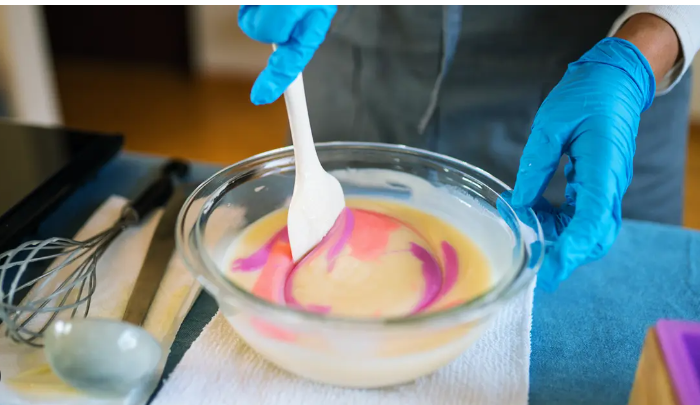
Once your base is fully melted and slightly cooled (around 130°F is ideal), it's time to add your naturalsoap colorants and essential oils.
For color, start with a tiny amount — a pinch of mica powder or a quarter teaspoon of turmeric per pound of base. You can always add more, but you can't take it away. Stir gently to avoid introducing air bubbles.
For fragrance, essential oils for soap making should be added at specific rates to ensure safety and scent longevity:
| Essential Oil | Max Usage Rate (%) | Notes |
|---|---|---|
| Lavender | 3% | Gentle, universally safe |
| Peppermint | 2% | Can irritate sensitive skin |
| Tea Tree | 2% | Antibacterial properties |
| Eucalyptus | 2% | Strong scent — use sparingly |
| Sweet Orange | 4% | May discolor base slightly |
As a general rule, use about 0.3 ounces of essential oil per pound of soap base. This gives a pleasant scent without overwhelming the senses or irritating skin.
Step 3 — Pour Into Soap Molds
Before pouring, lightly spritz the inside of your soap molds with rubbing alcohol. This helps the soap adhere evenly and reduces surface bubbles.
Pour your melted base slowly and steadily into the mold cavities. After pouring, spritz the top surface with rubbing alcohol again — this eliminates any tiny bubbles that rose to the surface during the pour.
Want to get fancy? Try layering different colors. Pour your first layer, spritz with alcohol, let it form a thin skin (about 5–10 minutes), then spritz again and pour the next color on top. The alcohol helps layers bond together so they don't separate later.
You can also embed small objects like dried flowers, toy figurines (for kids' soap), or even smaller soap shapes inside a clear glycerin soap base for a stunning visual effect.
Step 4 — Cool, Unmold, and Cure
Patience is key here — but not much patience. Let your soap cool at room temperature for 4–6 hours, or speed things up by placing molds in the refrigerator for 1–2 hours.
Avoid the freezer unless absolutely necessary, as rapid temperature changes can cause cracking or condensation on the surface.
Once fully hardened, gently flex your silicone mold and pop the bars out. If using plastic molds, press firmly on the back of each cavity or place in the freezer for 10 minutes before attempting removal.
Unlike cold process soap, melt and pour bars need zero cure time. They're ready to use immediately! For storage, wrap finished bars tightly in plastic wrap or shrink wrap bags to prevent glycerin dew (that annoying moisture buildup we'll discuss later).
Creative Ideas and Recipes to Try
Once you've mastered the basics, the real fun begins. Here are three beginner-friendly recipes to spark your imagination.
Soothing Lavender Oatmeal Bars
Melt 1 pound of goat milk soap base. Stir in 1 tablespoon of finely ground oatmeal, 15 drops of lavender essential oil, and a tiny pinch of purple mica powder. Pour into oval molds and top with a few dried lavender buds. These bars are incredibly calming and perfect for sensitive skin.
Energizing Citrus Coffee Scrub Soap
Melt 1 pound of shea butter soap base. Mix in 2 tablespoons of used coffee grounds (dried), 20 drops of sweet orange essential oil, and 5 drops of peppermint essential oil. The coffee provides gentle exfoliation while the citrus scent wakes you up in the morning shower.
Kid-Friendly Rainbow Glycerin Soap
Melt clear glycerin soap base in small batches, coloring each one a different shade with skin-safe mica powders — red, orange, yellow, green, blue, and purple. Pour thin layers into a loaf mold, letting each set slightly before adding the next. Slice into bars to reveal a beautiful rainbow cross-section. Kids absolutely love these, and they make fantastic party favors.
Common Mistakes and How to Avoid Them
Overheating the base: This is the number one beginner mistake. Overheated soap becomes rubbery, loses transparency, and may develop an unpleasant smell. Always use short microwave bursts and stir frequently.
Fragrance fading: If your finished soap barely smells like anything, you likely added essential oils when the base was too hot. Wait until it cools to around 130°F before adding fragrance. Someoils (like citrus) naturally fade faster — use a slightly higher amount within safe limits or anchor them with a fixative like benzoin.
Sweating soap (glycerin dew): Those little moisture droplets on your finished bars aren't a defect — it's glycerin attracting humidity from the air. Prevent it by wrapping bars in plastic wrap immediately after unmolding and storing them in a cool, dry place.
Poor unmolding: If your soap sticks or breaks when you try to remove it, it probably hasn't cooled long enough. Give it more time, or pop the mold in the freezer for 10 minutes. Also make sure you're using proper soap molds — random containers without flexibility make removal nearly impossible.
Air bubbles on the surface: Always keep a spray bottle of 91% rubbing alcohol nearby. A quick spritz after pouring dissolves surface bubbles instantly. This one simple trick makes your bars look professionally made.
FAQ — Handmade Soap With Soap Base
Is melt and pour soap natural?
It depends on the base you choose. Many glycerin soap bases contain synthetic detergents or additives, but natural and organic options are widely available. Read ingredient labels carefully and look for bases made with plant-derived glycerin, coconut oil, and olive oil without SLS or parabens.
How long does handmade glycerin soap last?
When stored properly (wrapped and kept in a cool, dry environment), melt and pour soap bars last 1–2 years before fragrance begins to fade. In the shower, a standard 4-ounce bar typically lasts 2–3 weeks with daily use, depending on how well you keep it drained between uses.
Can I sell melt and pour soap?
Yes! Many small businesses sell melt and pour soap successfully. However, check your local regulations regarding cosmetic labeling, ingredient disclosure, and business licensing. In the United States, the FDA considers soap a cosmetic if you make therapeutic claims, which triggers additional requirements.
What essential oils are safe for soap making?
Most essential oils are safe when used at proper dilution rates (typically 1–3% of total soap weight). Popular safe choices include lavender, tea tree, peppermint, eucalyptus, and sweet orange. Avoid oils known to cause photosensitivity (like bergamot) or skin irritation at higher concentrations. Always research maximum usage rates before adding any essential oil to your soap.
Why is my melt and pour soap sweating?
Glycerin is a humectant — it draws moisture from the air. In humid environments, unwrapped glycerin soap will develop water droplets on the surface. This doesn't affect performance or safety, but it can make bars look less appealing. The fix is simple: wrap your bars tightly in plastic wrap or use shrink wrap bags immediately after they've fully cooled.
Do I need to add a preservative?
For standard melt and pour soap, no. The soap base itself is self-preserving due to its pH level. However, if you add fresh ingredients like fruit purees, milk, or aloe vera gel (not the base — actual fresh additions), you may shorten shelf life. In those cases, use the soap quickly or consider adding a broad-spectrum preservative like phenoxyethanol at the manufacturer's recommended rate.
Final Tips for Your Soap-Making Journey
Soap making with a pre-made base is one of the most rewarding crafts you can pick up in a single afternoon. Start simple — a single color, one fragrance, a basic mold — and build your confidence from there. Before long, you'll be layering, embedding, and experimenting with combinations you never imagined.
Keep a notebook of your recipes (amounts, temperatures, what worked and what didn't). This turns every batch into a learning experience and helps you replicate your favorites. Most importantly, have fun with it — there are no soap-making police, and even your "mistakes" will still clean beautifully.