
You scrub and scrub, but that cloudy, chalky film on your shower door just won't budge. Sound familiar? Soap scum is one of the most frustrating bathroom cleaning challenges, and it only gets worse the longer you ignore it.
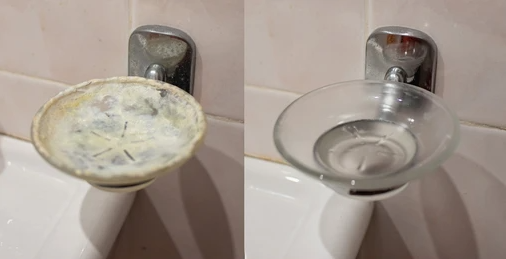
The good news? You don't need expensive products or professional help to get rid of it. In this guide, you'll learn exactly what causes soap scum, how to dissolve it using simple household ingredients, and how to keep it from coming back.
What Is Soap Scum (And Why Is It So Stubborn?)
Soap scum isn't just leftover soap. It's the result of a chemical reaction between the fatty acids in bar soap, minerals in your water, and body oils. When these ingredients combine, they form a sticky, chalky residue called calcium stearate.
This residue bonds tightly to glass, tile, and metal surfaces. Over time, layer after layer builds up, hardening into a thick coating that resists ordinary wiping. The longer it sits, the harder it becomes to remove.
Hard water deposits make the problem significantly worse. The more calcium and magnesium in your water, the faster and thicker the buildup forms. That's why some households deal with soap scum constantly while others barely notice it.
Hard Water vs. Soft Water: The Connection
Hard water contains high concentrations of dissolved minerals — primarily calcium and magnesium. When this water mixes with soap, it produces far more residue than soft water does.
How do you know if you have hard water? Look for white, crusty deposits around your faucets, a film on your dishes after washing, or soap that doesn't lather easily. You can also pick up an inexpensive water hardness test kit at most hardware stores.
If you live in an area with hard water, you'll need to clean more frequently and consider long-term solutions like water softeners — more on that later.
Best DIY Solutions to Dissolve Soap Scum
Before you spend money on commercial products, try these proven homemade methods. They're affordable, effective, and use ingredients you probably already have at home.
Vinegar and Baking Soda Solution
This is the classic combination, and it works beautifully for light to moderate soap scum on tile, tubs, and glass.
Heat one cup of white vinegar in the microwave for about 30 seconds. Warm vinegar works faster than cold.
Pour the vinegar into a spray bottle and mist the affected surface generously.
Let it sit for 10–15 minutes. This dwell time is essential — it gives the acid time to break down the mineral buildup.
Sprinkle baking soda directly onto the surface. You'll hear a satisfying fizz as the two react.
Scrub with a non-abrasive sponge in circular motions, then rinse thoroughly with warm water.
This vinegar baking soda solution is gentle enough for most surfaces but tough enough to cut through stubborn residue. For heavy buildup, repeat the process a second time.
Dish Soap and Vinegar Spray
This method is wildly popular for a reason — it tackles soap scum from two angles at once.
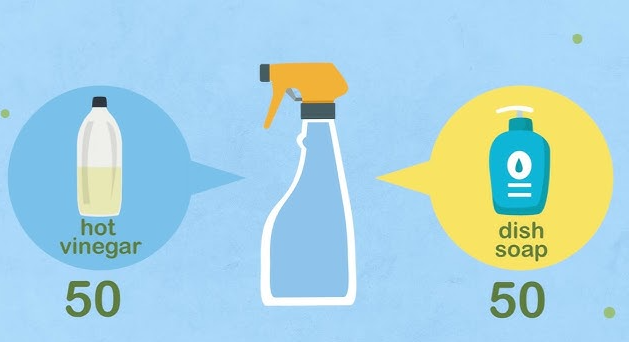
Mix equal parts white vinegar and liquid dish soap (like Dawn) in a spray bottle. Shake gently to combine. Spray it onto your shower doors, walls, or tub, and let it sit for 20–30 minutes.
Why does this work so well? The dish soap cuts through the greasy, oily component of soap scum, while the vinegar dissolves the mineral deposits. Together, they make an excellent shower glass cleaner that leaves surfaces sparkling without heavy scrubbing.
Wipe down with a damp microfiber cloth and rinse. You'll be amazed at how easily the grime slides off.
Hydrogen Peroxide and Baking Soda Paste
For thick, caked-on buildup — especially in grout lines and textured surfaces — this paste method delivers serious cleaning power.
Mix half a cup of baking soda with enough hydrogen peroxide (3% solution) to form a thick paste. Spread it over the affected area using an old toothbrush or a small spatula. Let it sit for 15–20 minutes, then scrub and rinse.
This combination is mildly abrasive and oxidizing, which makes it ideal for getting into the tiny crevices of grout and textured tile where soap scum loves to hide.
Lemon Juice or Citric Acid
If you prefer a fresh-smelling, all-natural approach, citric acid is a great option for lighter soap scum.
Cut a lemon in half and rub it directly on the affected surface, or dissolve two tablespoons of citric acid powder in a cup of warm water and spray it on. Let it sit for 10 minutes, scrub lightly, and rinse.
This method is safe for most bathroom surfaces and leaves everything smelling wonderful. It's less aggressive than vinegar, so it may require multiple applications for tougher buildup.
Best Store-Bought Products for Soap Scum Removal
Sometimes DIY methods aren't enough, especially when you're dealing with months or years of neglected buildup. Commercial cleaners are formulated to dissolve soap scum quickly and with minimal effort.
Look for products that are specifically labeled for soap scum and hard water deposits. They generally fall into two categories:
Acidic cleaners — These chemically dissolve mineral buildup. They're the most effective but should be used with ventilation and gloves.
Abrasive cleaners — These physically scrub away residue. They work well but can scratch delicate surfaces if you're not careful.
Melamine foam sponges (commonly known as magic erasers) can also be surprisingly effective on glass and smooth tile. They provide gentle abrasion without harsh chemicals.
Note: Product formulations change over time. Always check labels and current reviews before purchasing to ensure you're getting the most effective version available.
When to Use Commercial Cleaners vs. DIY
The severity of your buildup is the biggest deciding factor. Light, weekly maintenance? A vinegar spray is perfect. Heavy, months-old scum that's visibly thick? A commercial bathroom cleaner will save you time and elbow grease.
Surface material matters too. Natural stone surfaces like marble and granite should never be treated with acidic cleaners — commercial or homemade. Always check whether a product is safe for your specific surface before applying it.
Step-by-Step: How to Remove Mineral Buildup From Shower Glass
Shower glass doors are the number one trouble spot for soap scum. Here's a detailed walkthrough to get them crystal clear.
Pre-treat: Run the shower on hot for two minutes with the door closed. The steam loosens the surface layer of grime and makes everything easier to clean.
Apply your cleaner: Spray your chosen solution (the dish soap and vinegar mix works exceptionally well here) generously over the entire glass surface. Don't skimp — coverage matters.
Let it dwell: Wait at least 15–20 minutes. For heavy buildup, you can cover the glass with plastic wrap to keep the solution from drying out.
Scrub gently: Use a non-scratch scrubbing pad or a soft-bristle brush. Work in small, circular motions from top to bottom.
Rinse completely: Use warm water to wash away all cleaning residue. Leftover cleaner can leave its own hazy film.
Dry and polish: Immediately dry the glass with a clean microfiber cloth or a squeegee. Buff in one direction for a streak-free finish.
This method removes mineral buildup and soap scum in a single session. For extremely neglected glass, you might need to repeat the process once more.
Surface-Specific Bathroom Cleaning Tips
Not every surface can handle the same treatment. Here's how to safely clean different bathroom materials.
Fiberglass and Acrylic Tubs
These materials scratch easily, so avoid anything abrasive. Stick with the dish soap and vinegar spray or a baking soda paste applied with a soft cloth.
Never use steel wool, stiff brushes, or powdered abrasive cleaners on fiberglass or acrylic. A soft microfiber cloth or a non-scratch sponge is all you need.
Ceramic Tile and Grout
Tile itself is fairly durable, but grout is porous and absorbs grime quickly. The hydrogen peroxide and baking soda paste is your best friend here.
Apply the paste to grout lines, let it sit, then scrub with a stiff-bristle grout brush or an old toothbrush. For tile surfaces, any of the DIY methods in this guide will work well.
Natural Stone (Marble, Granite)
Warning: Never use vinegar, lemon juice, or any acidic cleaner on natural stone. Acids etch and permanently damage these surfaces, leaving dull spots that can't be wiped away.
Instead, use a pH-neutral stone cleaner or a gentle baking soda paste made with water (not vinegar). Apply with a soft cloth, rinse thoroughly, and dry immediately.
Chrome and Metal Fixtures
Soap scum on faucets and showerheads is easy to tackle. Soak a cloth in warm vinegar, wrap it around the fixture, and let it sit for 15 minutes. Wipe clean and buff dry with a soft cloth for a brilliant shine.
For stubborn spots on chrome, a dab of baking soda on a damp cloth works as a gentle polish without scratching.
How to Prevent Soap Scum From Coming Back
Cleaning soap scum is satisfying, but preventing it from forming in the first place? That's the real win.
Daily Habits That Make a Difference
Squeegee your glass after every shower. This single habit dramatically reduces buildup by removing water and soap residue before they can bond to the surface.
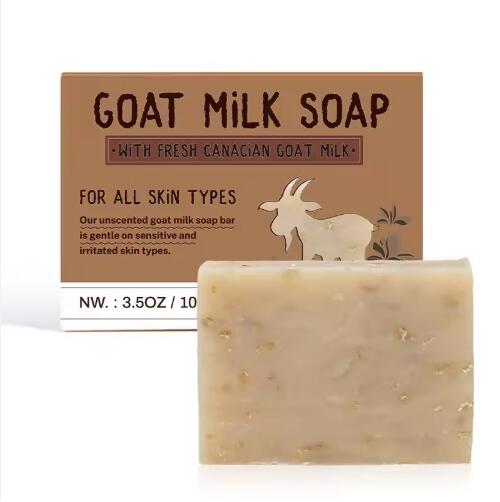
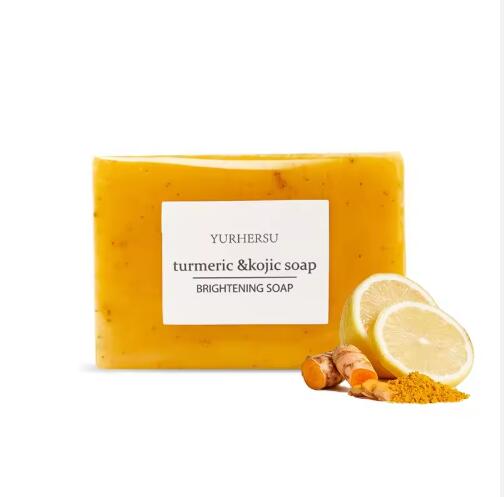
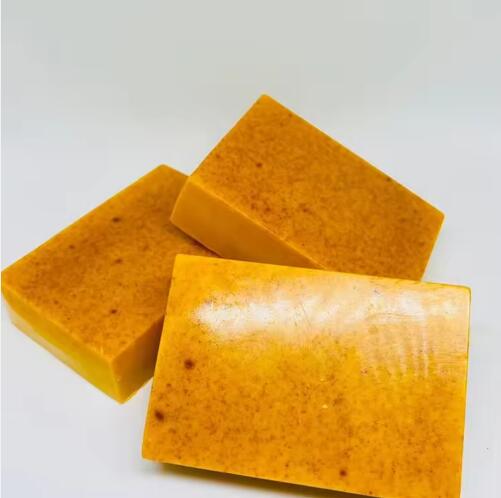
Switch to liquid or synthetic body wash. Traditional bar soap contains the fatty acids that react with hard water to form scum. Liquid body washes produce far less residue.
Use a daily shower spray. A quick mist after each shower keeps surfaces slippery so minerals and soap can't stick. You can buy commercial versions or make your own with diluted vinegar.
Addressing Hard Water at the Source
If hard water deposits are your main problem, a whole-house water softener system is the most effective long-term solution. Softened water produces dramatically less soap scum, and your soap will lather better too.
On a tighter budget? A shower head filter is a practical alternative. These affordable attachments filter out excess minerals and can noticeably reduce buildup on your shower glass and tile.
Protective Coatings for Shower Glass
Consider applying a hydrophobic coating or ceramic sealant to your shower glass. These products create an invisible barrier that causes water to bead up and roll off instead of clinging to the surface.
Most coatings last several months before needing reapplication. They won't eliminate the need for cleaning entirely, but they'll make it dramatically easier.
Common Mistakes to Avoid When Cleaning Soap Scum
Even well-intentioned cleaning efforts can go wrong. Avoid these common pitfalls:
Using abrasive scrubbers on delicate surfaces. Steel wool and stiff brushes will scratch glass, acrylic, and fiberglass. Always match your tool to the surface.
Mixing bleach with vinegar. This combination produces toxic chlorine gas. Never combine these two products — it's genuinely dangerous.
Not allowing enough dwell time. Spraying and immediately wiping does almost nothing. Chemical cleaners need time to break down the scum — usually 10–20 minutes minimum.
Skipping the rinse. Leftover cleaning solution dries into its own residue, creating a new hazy film. Always rinse surfaces thoroughly with clean water after cleaning.
FAQ
Does vinegar really dissolve soap scum?
Yes, it does. The acetic acid in vinegar reacts with the calcium stearate in soap scum, breaking it down into water-soluble compounds you can simply wipe away. Heated vinegar works even faster. However, for very heavy buildup that's hardened over many months, vinegar alone may need multiple applications or a stronger commercial product to finish the job.
What dissolves soap scum the fastest?
Heated vinegar spray works faster than cold solutions and typically cuts through light to moderate buildup in 15–20 minutes. Commercial bathroom cleaners designed for soap scum can work in as little as 5–10 minutes, making them the fastest option for severe cases. Paste methods (baking soda with hydrogen peroxide) are slower but more effective on thick, textured buildup.
Can I use bleach to remove soap scum?
Bleach will whiten and disinfect surfaces, but it doesn't actually dissolve soap scum or mineral buildup. The residue will still be there — it'll just look cleaner temporarily. For true removal, you need an acidic solution that breaks down the mineral bonds. Save bleach for mold and mildew, and reach for vinegar or a commercial soap scum remover instead.
How do I remove soap scum from shower glass without scratching it?
Use the dish soap and vinegar spray method described above. Apply generously, let it sit for 20 minutes, and wipe with a soft microfiber cloth or non-scratch sponge. Avoid razor blades, steel wool, and powdered abrasives. Finish by drying with a clean microfiber cloth in one direction for a streak-free, scratch-free result.
How often should I deep-clean to prevent soap scum?
A quick wipe-down with a daily shower spray after each use goes a long way. Beyond that, aim for a light cleaning weekly and a thorough deep-clean once a month. If you have particularly hard water, you may want to deep-clean every two to three weeks to stay ahead of mineral buildup.
Is soap scum harmful or just unsightly?
It's more than just an eyesore. Soap scum creates a damp, textured surface that's an ideal breeding ground for mold, mildew, and bacteria. Over time, these can grow underneath and within the scum layers, potentially causing unpleasant odors and hygiene concerns. Regular removal isn't just about aesthetics — it's about keeping your bathroom healthy.