You press the pump, and out comes a perfect cloud of soft, ready-to-use foam. It feels almost magical — but have you ever wondered what's actually happening inside that dispenser? The answer is a clever mix of simple chemistry and smart engineering that's more fascinating than you might expect.
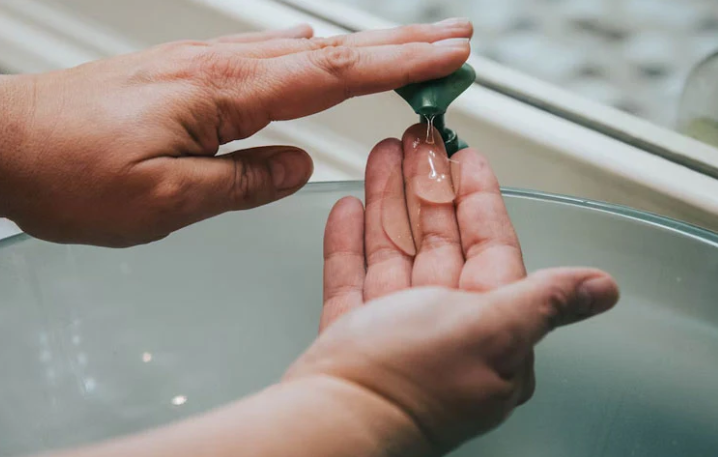
Let's break it all down in plain language — from what's inside the soap to how the pump works its magic, and whether foaming soap actually cleans as well as the regular stuff.
What Makes Foaming Soap Different From Regular Liquid Soap?
Here's the thing that surprises most people: foaming soap isn't some special, high-tech formula. It's essentially a diluted liquid soap formula mixed with air at the exact moment you pump it out. The "magic" isn't really in the soap — it's in the delivery system.
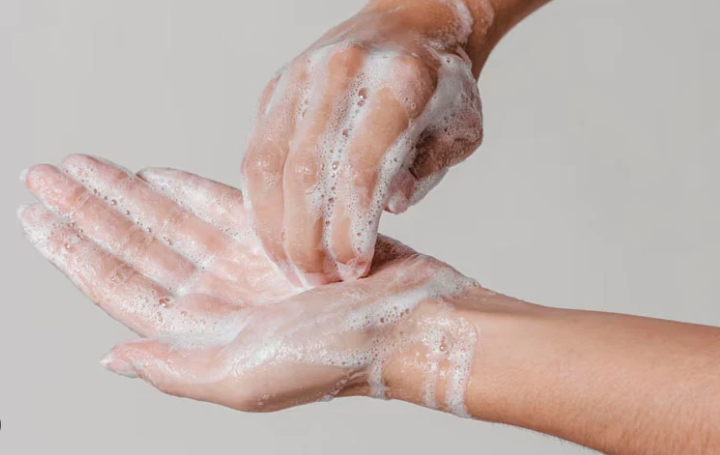
A regular liquid hand soap is a thick, concentrated gel. Foaming soap takes a similar base formula and waters it down significantly. The dispenser then does the heavy lifting, whipping that thin solution into the fluffy foam you know and love.
The Basic Ingredients Inside Foaming Soap
If you flip over a bottle of foaming hand soap and read the label, you'll typically find a short list: water, surfactants (the cleaning agents), and small amounts of moisturizers, fragrances, or preservatives. Nothing exotic.
The key difference is the ratio. Foaming soap contains a much higher proportion of water to actual soap — typically four parts water to one part soap, or even more. That's why it feels lighter and thinner if you ever open the bottle and look at the liquid inside. It almost looks like slightly soapy water, because that's essentially what it is.
How Surfactant Molecules in Soap Create Lather
To understand why foam works at all, you need a quick lesson on surfactants — and don't worry, this is the fun kind of chemistry.
Each surfactant molecule has two ends with very different personalities. One end is hydrophilic (it loves water) and the other is hydrophobic (it hates water but loves oil and grease). When you wash your hands, these molecules arrange themselves around tiny droplets of dirt, oil, and grime, prying them away from your skin so water can rinse them off.
When air gets introduced into a surfactant solution, those same molecules arrange themselves around air bubbles instead, creating a stable film. That's what foam is — countless tiny air bubbles wrapped in a thin skin of surfactant molecules. The more efficiently air gets mixed in, the fluffier and more consistent the foam becomes.
Inside the Foam Pump Dispenser Design — How It Actually Works
This is where things get genuinely interesting. The foam pump dispenser is a small feat of engineering hiding in plain sight on your bathroom counter. Here's what happens every time you push that pump down.
The Two-Chamber System Explained
Unlike a standard soap dispenser that has one simple piston, a foaming dispenser uses a two-chamber system. One chamber holds the diluted soap solution. The other is an air chamber that draws in outside air through a small intake hole.
When you press the pump down, both chambers compress simultaneously. The soap and the air are forced together through a narrow channel and into a small mixing area inside the pump head. It's a beautifully simple concept — two ingredients, pushed together at the same time, in the right proportions.
The Role of the Mesh Screen
Here's the real star of the show. At the top of the pump, just before the nozzle, sits a fine mesh screen — and sometimes two screens stacked together. This tiny component is the core of air-infused soap technology.
As the pressurized soap-and-air mixture is forced through the mesh, the screen breaks it into thousands of uniform micro-bubbles. Without this screen, you'd just get a sputtery, uneven mix of liquid and air. With it, you get that smooth, consistent, Instagram-worthy foam every single time.
The mesh openings are incredibly small — fine enough to ensure the bubbles are tiny and stable, but open enough to let the mixture flow freely. It's a surprisingly precise balance.
Why Regular Dispensers Can't Produce Foam
If you've ever tried squeezing regular liquid soap out of a foaming dispenser (or vice versa), you already know it doesn't work. A standard pump dispenser simply lacks the air chamber and the mesh screen. It can only push liquid through a tube — no air mixing, no bubble formation.
That's why the foam pump dispenser design is purpose-built. Remove any one component — the air intake, the dual chambers, or the mesh — and the whole system falls apart. It's also why you can't just pour thick liquid soap into a foaming dispenser and expect it to work properly.
Is Foaming Soap as Effective as Regular Soap?
This is the question everyone asks, and it deserves a straight answer. The short version: yes, foaming soap cleans effectively — as long as you wash properly.
Health organizations, including the CDC, have consistently emphasized that handwashing technique matters far more than the type of soap you use. Lathering thoroughly for at least 20 seconds, scrubbing all surfaces of your hands, and rinsing well is the formula that works regardless of soap format.
What Research Says About Cleaning Power
Some studies have found that foaming soap can be slightly less effective per single pump compared to an equivalent pump of liquid soap. The reason is straightforward — each pump of foaming soap delivers less actual surfactant because of the higher water-and-air content.
However, when people follow proper handwashing technique — the full 20 seconds of scrubbing — the performance gap largely disappears. The surfactant molecules in soap still do their job of lifting dirt and microbes from your skin. You're just working with a thinner layer of them.
For everyday handwashing at home, after using the restroom, or before meals, foaming soap is perfectly adequate for the task.
When Foaming Soap Falls Short
There are situations where a thicker, more concentrated soap is the better choice. If your hands are heavily soiled — caked in grease, garden soil, or paint — a concentrated liquid or bar soap provides more cleaning power per application.
In medical or industrial settings, specialized formulations with specific antimicrobial agents are often required. These environments prioritize clinical effectiveness over convenience, and the diluted nature of foaming soap can be a limitation. For the rest of us washing up at home, though, foam works just fine.
The Practical Benefits of Foaming Soap for Everyday Use
So if foaming soap is basically diluted soap and air, why has it become so popular? Because the practical advantages are real and surprisingly meaningful.
Uses Less Soap Per Wash
Because the soap arrives pre-lathered and already mixed with air, each pump uses significantly less actual soap product. Estimates suggest foaming soap can reduce soap consumption by up to 50% compared to liquid soap dispensers.
That means your bottle lasts longer, and you spend less on refills over time. For households, offices, and public restrooms going through large volumes of soap, those savings add up quickly.
Easier Rinsing and Less Water Waste
Foam rinses off your hands faster than thick liquid soap, which tends to cling to skin and require more water to remove completely. While the water savings per wash are modest, they compound over weeks and months — especially in busy households or commercial restrooms.
It's a small environmental win that requires zero extra effort on your part.
Kid-Friendly and Mess-Free
If you have young children, you already know the struggle. Liquid soap drips off tiny hands, lands on the counter, and ends up everywhere except where it's supposed to be.
Foam stays put. It doesn't slide, drip, or splatter. Kids find it easier to spread across their hands, and many actually enjoy the process — which means they're more likely to wash their hands willingly and thoroughly. That's a parenting win by any measure.
Can You Make Your Own Foaming Soap at Home?
Absolutely — and it's one of the easiest DIY projects you'll ever try. Any foaming soap dispenser mechanism can be reused and refilled with a homemade mixture. All you need is water and a small amount of liquid soap.
Simple DIY Foaming Soap Recipe
Here's a basic recipe that works reliably:
Water: Fill your foaming dispenser about 4/5 full with warm (not hot) water first.
Soap: Add 1 part liquid castile soap or gentle hand soap to roughly 4–5 parts water.
Optional extras: A few drops of essential oil (lavender, tea tree, or citrus are popular) or a tiny amount of glycerin for extra moisture.
Important tip: Always add the water first, then the soap. If you pour the soap in first and then add water, you'll create a mountain of bubbles inside the bottle and make a mess. Gentle swirling to mix is all you need — no shaking.
Common Mistakes That Clog Your Dispenser
The most common issue is using soap that's too thick or concentrated. Heavy body washes, dish soaps with added moisturizers, or formulas with suspended particles can block the fine mesh screen inside the pump.
Stick to clear, thin liquid soaps and always dilute properly. If your dispenser starts sputtering or producing weak foam, remove the pump head and soak it in warm water for 15–20 minutes to dissolve any buildup. Avoid soaps with heavy lotions or oils — they're the number one mesh screen killer.
Foaming Soap and Sustainability — What Consumers Should Know
The environmental angle is worth considering. Because foaming soap is mostly water and air, each dispenser bottle contains far less actual soap product. That means less plastic packaging per effective wash and reduced shipping weight — a meaningful factor when you consider millions of bottles being transported across supply chains.
Refillable Dispensers vs. Single-Use Cartridges
If sustainability matters to you, refillable foaming dispensers are the clear winner. A single well-made dispenser can last for years, and refilling it with a DIY mixture (or bulk-purchased soap concentrate) dramatically cuts down on plastic waste.
Single-use cartridge systems, while convenient, generate more packaging waste and typically cost more per wash. The refillable route is better for both your wallet and the planet — and as we've seen, it takes about 30 seconds to mix up a new batch.
Frequently Asked Questions (FAQ)
Is foaming soap just watered-down liquid soap?
Essentially, yes — but that's entirely by design. The diluted formula is specifically engineered to work with the pump's air-mixing mechanism. The combination of thin soap solution and air produces effective, ready-to-use foam that cleans your hands with less product per wash.
Does foaming soap kill germs as well as regular soap?
Both foaming and regular soap work primarily by lifting and washing away germs and dirt, not by "killing" them (unless the formula contains specific antibacterial agents). The mechanical action of scrubbing for 20 seconds and rinsing thoroughly is what matters most, regardless of soap format.
Why does my foaming soap dispenser stop producing foam?
The most common culprit is a clogged mesh screen inside the pump head. This usually happens when the soap is too thick or contains oils and lotions that build up over time. Soaking the pump assembly in warm water typically restores it. A worn-out pump spring or damaged air intake can also be to blame.
Can I put any liquid soap in a foaming dispenser?
Only if you dilute it heavily — roughly 1 part soap to 4–5 parts water. Undiluted liquid soap is far too thick for the air-infusion mechanism and will clog the mesh screen almost immediately. Stick to thin, clear soap formulas for best results.
Is foaming soap better for sensitive skin?
It can be a gentler option, since less concentrated surfactant contacts your skin with each wash. However, skin sensitivity depends more on the specific ingredients in the formula — fragrances, dyes, and certain preservatives are common irritants. Always check the label if you have reactive skin.
How does a foaming soap dispenser mechanism differ from an automatic one?
A manual foaming dispenser uses your hand pressing a pump to simultaneously compress the soap and air chambers. An automatic (touchless) version uses a battery-powered or rechargeable pump triggered by a motion sensor. Despite the different power source, both rely on the same fundamental principle — forcing diluted soap and air through a fine mesh screen to create consistent foam.