That block of dark, earthy soap sitting in your cabinet has been there for a while now. You bought it months ago — maybe even over a year ago — and you're wondering: is it still safe to use?
African black soap has surged in popularity among skincare enthusiasts seeking natural, chemical-free alternatives. But unlike the commercial bars lining drugstore shelves, this traditional West African staple doesn't come with a neatly printed expiration date. That raises an important question about african black soap shelf life — and the answer is more nuanced than you might expect.
Here's everything you need to know about how long black soap lasts, how to spot signs of degradation, and how to store it properly so every wash delivers the benefits you paid for.
What Is African Black Soap — And Why Does Its Composition Matter?
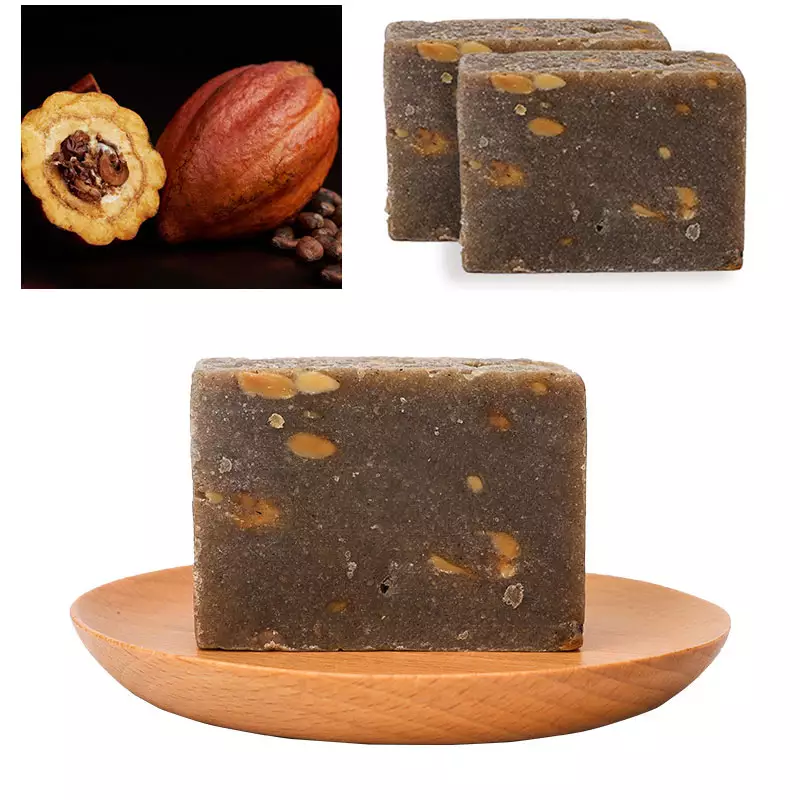
African black soap, known as ose dudu in Yoruba or alata samina in Ghana, has been crafted in West Africa for centuries. Traditional recipes call for locally harvested ingredients: plantain skin ash, cocoa pod ash, palm kernel oil, and shea butter. These components are sun-dried, roasted, and mixed with water and oils to create the distinctive dark brown soap prized for its gentle cleansing properties.
Why does this matter for shelf life? Because ingredient composition directly determines how long any soap remains effective and safe. The natural oils and butters in authentic black soap are rich in fatty acids — wonderful for your skin, but inherently prone to oxidation over time.
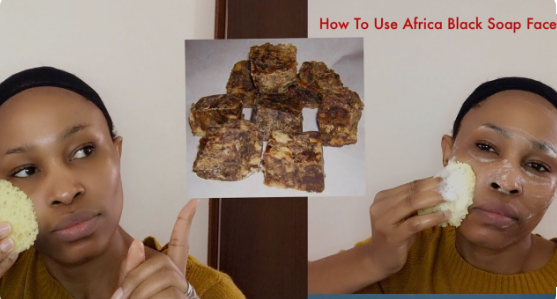
It's also critical to distinguish between authentic, handmade African black soap and the mass-produced commercial versions sold under similar names. Authentic bars are irregular in shape, vary in color from deep brown to black, and contain no synthetic additives. Commercial versions are often reformulated with stabilizers, fragrances, and preservatives that significantly alter their behavior over time.
Key Ingredients and Their Natural Preservation Properties
Each core ingredient in traditional black soap has its own oxidation timeline. Shea butter, for instance, is relatively stable and can last 18–24 months on its own thanks to its natural vitamin E content. Coconut oil and palm kernel oil, while excellent moisturizers, are more susceptible to rancidity when exposed to heat and light.
Cocoa pod ash — the ingredient responsible for the soap's alkaline cleansing power — is naturally stable but can absorb environmental moisture. This is why handmade black soap often feels softer and more pliable than commercial bars.
The key takeaway: traditional African black soap contains zero synthetic preservatives. That purity is part of its appeal, but it also means the soap behaves very differently from the commercial bars most consumers are accustomed to. Natural soaps are living products that continue to change after they're made.
Does African Black Soap Actually Expire?
The direct answer: yes, African black soap can degrade over time — though it doesn't "expire" in the same way food does. There's no single date after which it becomes dangerous. Instead, it undergoes a gradual decline in quality, effectiveness, and safety.
It helps to understand three distinct concepts. Expiration implies a hard cutoff date — black soap doesn't have one. Degradation refers to the slow chemical breakdown of oils and active compounds. Loss of efficacy means the soap still exists but no longer delivers its intended skincare benefits.
For most formulations, the typical african black soap shelf life falls between 12 and 24 months, depending on whether it's handmade or commercially produced and how it's stored. After that window, the risk of rancidity, mold, and diminished performance increases significantly.
Authentic Handmade Black Soap vs. Commercial Brands — Shelf Life Comparison
The gap between traditional and commercial black soap is substantial when it comes to longevity. Here's how they compare across the factors that matter most:
| Factor | Authentic Handmade | Commercial / Mass-Produced |
|---|---|---|
| Typical Shelf Life | 12–18 months | 18–36 months |
| Preservatives | None | Often contains synthetic preservatives |
| Moisture Content | Higher (shorter life) | Lower / stabilized |
| Packaging | Minimal or loose wrap | Sealed, airtight packaging |
| Rancidity Risk | Moderate to High | Low |
As the table illustrates, authentic handmade soap trades longevity for purity. If you prefer the traditional product, you'll need to be more intentional about storage and usage timelines.
What Happens When Black Soap Goes Bad?
When natural soap degrades, the process typically starts with the oils. Oil rancidity is the most common issue — the fatty acids in shea butter, palm oil, and coconut oil oxidize, producing an unpleasant sour or musty smell and altering the soap's texture.
Mold growth is the second major concern, especially in humid environments. Because authentic black soap retains more moisture than commercial bars, it provides a hospitable environment for mold spores when stored improperly.
Finally, degraded soap simply stops working as well. You may notice reduced lather, a greasy residue instead of a clean rinse, and diminished skin benefits. The beneficial compounds that made you choose black soap in the first place have broken down.
How to Tell If Your African Black Soap Has Expired
Since most authentic bars don't carry a printed black soap expiration date, you'll need to rely on your senses. Fortunately, the signs of spoilage are usually unmistakable once you know what to look for.
5 Clear Signs Your Black Soap Is No Longer Safe to Use
Rancid or sour smell. Fresh black soap has a distinctive earthy, slightly cocoa-like scent. If that's been replaced by a sharp, sour, or "off" odor, the oils have likely gone rancid.
Visible mold or white fuzzy spots. Any fuzzy, green, black, or white mold growth means the soap should be discarded immediately — no exceptions.
Slimy or excessively soft texture. While black soap is naturally softer than commercial bars, an unusual sliminess indicates bacterial activity or advanced moisture damage.
Unusual color changes. Watch for unexpected darkening, light patches, or an orange-yellow discoloration (often called "dreaded orange spots" in soapmaking communities), which signals localized rancidity.
Complete loss of lather. If the soap barely produces suds even with vigorous use, its cleansing compounds have likely degraded beyond usefulness.
When Cosmetic Changes Are Normal (And Not a Red Flag)
Not every visual change means your soap has gone bad. A white ash-like film on the surface is extremely common with authentic black soap and is completely harmless — it's simply mineral residue from the plantain or cocoa pod ash rising to the surface.
Slight color variations between batches are also normal. Because traditional black soap is handmade from natural ingredients, no two batches are identical. One block might be lighter brown while another is nearly jet black.
Minor drying or hardening over time is another normal occurrence, especially in low-humidity environments. This doesn't indicate spoilage — it simply means the soap has lost some surface moisture. It's still perfectly usable.
How Long Does Black Soap Last Under Different Conditions?
Storage conditions are arguably the single biggest factor determining how long your black soap remains effective. The same bar can last six times longer in optimal conditions compared to poor ones.
| Storage Condition | Expected Lifespan | Notes |
|---|---|---|
| Cool, dry shelf (unopened) | 18–24 months | Optimal for most users |
| Bathroom counter (opened, humid) | 3–6 months | Moisture accelerates degradation |
| Refrigerated | Up to 24+ months | Extends life but may alter texture |
| Hot/humid climate, no AC | 2–4 months | Highest risk of mold and rancidity |
| Airtight container, cool room | 12–18 months (opened) | Best balance of access and preservation |
The difference is striking. A bar left on a steamy bathroom counter may last only two months before showing signs of degradation, while the same bar stored in an airtight container in a cool room could remain effective for well over a year.
African Black Soap Storage Tips to Maximize Shelf Life
Proper storage is the most effective way to get the most out of your investment. These african black soap storage tips apply to both authentic and commercial varieties, though they're especially critical for traditional handmade bars.
Do's — Best Practices for Storing Black Soap
Keep it in a cool, dry place away from direct sunlight. UV light and heat accelerate oil oxidation. A bedroom shelf or linen closet is far better than a bathroom windowsill.
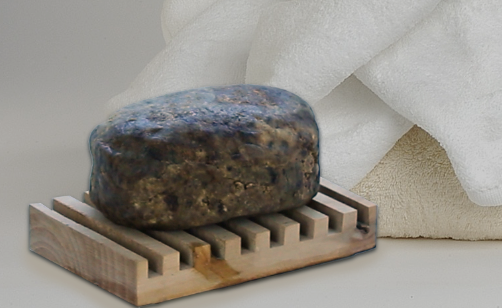
Use a well-draining soap dish. Never let your soap sit in a pool of water. Choose a dish with ridges, slats, or drainage holes that allow air to circulate beneath and around the bar.
Store unused portions in airtight containers or zip-lock bags. If you've purchased a large block, protect the portions you're not currently using by sealing them away from air and moisture.
Cut large blocks into smaller portions. Use one piece at a time and keep the rest sealed. This limits the amount of soap exposed to humidity and handling at any given time.
Pat the bar dry after each use. A quick pat with a clean towel removes excess water and dramatically slows moisture-related degradation.
Don'ts — Common Mistakes That Shorten Black Soap's Life
Leaving it in a wet shower caddy. The constant exposure to steam, splashing water, and humidity is the fastest way to ruin natural soap. If you must keep it in the shower, remove it after each use.
Storing in plastic wrap without ventilation. Wrapping soap tightly in non-breathable plastic traps moisture against the surface, creating ideal conditions for mold growth. Use breathable wrapping or containers with slight ventilation.
Buying in bulk without a storage plan. It's tempting to stock up on authentic black soap, especially when purchasing directly from West African suppliers. But without proper long-term storage, bulk purchases often result in waste as bars degrade before you can use them.
Does Natural Soap Go Bad Differently Than Synthetic Soap?
The short answer is yes — and the difference is significant. Understanding why helps explain the unique care African black soap requires.
Commercial synthetic soaps are formulated with detergents (like sodium lauryl sulfate) and stabilizers designed to resist environmental degradation. They can sit on a store shelf for years with minimal change. Their "expiration" is more about marketing compliance than actual product failure.
Natural soaps, by contrast, degrade through oil rancidity — a chemical process where unsaturated fatty acids react with oxygen. This process is accelerated by heat, light, moisture, and the presence of certain metals. It's the same reason a bottle of cooking oil eventually goes bad in your pantry.
African black soap is particularly vulnerable because of its high concentration of natural plant oils and butters combined with minimal processing. Other natural soaps face similar challenges: castile soap (made primarily from olive oil) can develop rancid spots, and goat milk soap is prone to faster spoilage due to its dairy content.
The Role of Preservatives — What Authentic Black Soap Lacks
Commercial skincare products typically contain preservatives like parabens, BHT (butylated hydroxytoluene), or phenoxyethanol that prevent microbial growth and slow oxidation. These ingredients are specifically why mass-produced soaps can last years on a shelf.
Traditional African black soap contains none of these synthetic stabilizers. Its only natural preservative is the inherent antioxidant content of its ingredients — primarily the vitamin E in shea butter and the antimicrobial properties of the alkaline ash.
This creates a fundamental trade-off that every consumer should understand: purity versus longevity. You're choosing a product free from synthetic chemicals, but that purity comes with the responsibility of proper storage and timely use. It's a trade-off most informed consumers are happy to make — as long as they understand the terms.
What Dermatologists and Skincare Experts Say
The medical consensus on expired natural soap is reassuring but cautious. Using degraded natural soap is unlikely to cause serious harm for most people, but it's not without risk — particularly for those with sensitive or acne-prone skin.
Rancid oils can disrupt the skin's natural barrier function. According to dermatological guidance, oxidized fatty acids may clog pores, trigger inflammatory responses, and cause breakouts in susceptible individuals. The beneficial compounds you originally sought — the gentle cleansing, the moisturizing properties — are no longer present in meaningful concentrations.
The expert recommendation is straightforward: when in doubt, discard and replace. A bar of African black soap is an affordable skincare product. The potential cost of treating a skin reaction far outweighs the price of a fresh bar.
If you have older soap that looks and smells fine but you're uncertain about its age, dermatologists suggest performing a patch test before full use. Apply lather to a small area on your inner forearm, wait 24 hours, and check for any redness, itching, or irritation before using it on your face or body.
Frequently Asked Questions (FAQ)
Can I use African black soap after the expiration date?
It depends on the soap's current condition rather than any arbitrary date. If the soap still has its characteristic earthy scent, produces good lather, and shows no signs of mold or unusual discoloration, it's likely still safe to use. However, if you notice any of the spoilage signs discussed above — rancid smell, mold, sliminess — discard it regardless of when you purchased it. Always perform a patch test if you're unsure.
Does African black soap expire faster in liquid form?
Yes, significantly. Liquid African black soap formulations contain water, which creates a much more hospitable environment for microbial growth. Most liquid versions have a shelf life of 6–12 months, compared to 12–24 months for solid bars. Once opened, liquid black soap should ideally be used within 6 months. Refrigeration can help extend its usable life.
How should I store African black soap in tropical climates?
Tropical climates present the biggest challenge for natural soap preservation. Your best options are refrigeration or storage in an airtight container kept in the coolest room of your home — ideally one with air conditioning or consistent airflow. Cut your soap into small portions and only remove what you'll use within one to two weeks. Keep the rest sealed and refrigerated.
Can I freeze African black soap to extend its shelf life?
Freezing is possible and can extend shelf life considerably, but it comes with caveats. The freeze-thaw cycle can alter the soap's texture, making it more crumbly or causing it to crack. If you choose to freeze, wrap portions tightly in wax paper and then place them in a freezer-safe bag. When ready to use, thaw gradually at room temperature — never microwave or use hot water to speed the process.
Does the white film on my black soap mean it's expired?
No. The white powdery or ashy film that commonly appears on African black soap is called "soda ash" in soapmaking terminology. It's a harmless residue caused by the reaction between the soap's alkaline components and carbon dioxide in the air. Simply rinse it off before use. This is distinctly different from fuzzy mold growth, which would indicate spoilage.
Where can I find the black soap expiration date?
Authentic, traditionally made African black soap rarely carries a printed expiration date. It's typically sold in raw blocks without standardized labeling. Commercial brands are more likely to include a PAO (Period After Opening) symbol — a small icon of an open jar with a number like "12M" or "18M" indicating how many months the product remains effective after first use. If your soap has no date, use the purchase date as your starting reference and follow the storage guidelines above.
The Bottom Line — Replace or Keep Using?
When you're standing in your bathroom holding a bar of African black soap of uncertain age, use this quick-reference guide to make your decision:
| Scenario | Recommendation |
|---|---|
| Soap smells normal, lathers well, less than 18 months old | Safe to use |
| Slight drying or hardening, no off-smell | Safe — rehydrate with a few drops of water |
| Rancid smell or visible mold | Discard immediately |
| Over 24 months old, no visible issues | Patch-test before use; consider replacing |
| Liquid black soap open more than 12 months | Discard |
The overarching principle is simple: prioritize freshness for the best skincare results. African black soap's benefits — gentle cleansing, natural moisturizing, and skin-soothing properties — are at their peak when the product is fresh and properly stored.
Rather than buying large quantities and hoping they'll last, consider purchasing in smaller amounts that you can realistically use within a few months. This ensures consistent quality with every wash and eliminates the guesswork about whether your soap is still effective.
African black soap remains one of the most celebrated natural skincare products in the world — and for good reason. Treat it with the same care you'd give any fresh, preservative-free product, and it will deliver the results that have made it a staple for generations.