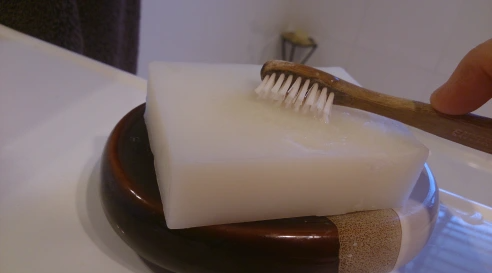
It sounds like a question from another era — or maybe a dare from a curious friend. But brushing teeth with soap is a genuine trend gaining momentum in wellness communities across social media. Thousands of people are ditching conventional toothpaste in favor of a simple bar of soap, claiming it delivers a cleaner mouth without the chemicals.
But is soap safe for oral use? Does it actually clean your teeth effectively? And what do dental professionals think about swapping your mint-flavored tube for a lather of castile soap? We dug into the science, consulted expert guidance, and separated fact from anecdote to give you a clear, evidence-based answer.
Why People Are Turning to Soap for Brushing Teeth
The modern consumer is more ingredient-conscious than ever. A 2025 survey by the International Food Information Council found that 63% of consumers actively try to avoid artificial ingredients in personal care products. That skepticism has extended beyond food labels and into the bathroom cabinet.
Concerns over fluoride, sodium lauryl sulfate (SLS), triclosan, and artificial sweeteners in commercial toothpaste have driven many people to seek out chemical-free dental hygiene alternatives. For some, the simplest solution is one that predates modern dentistry entirely — soap.
Historically, soap was a common tooth cleaning agent long before toothpaste tubes lined pharmacy shelves. In the 19th century, people routinely used castile soap or homemade lye-based soaps to scrub their teeth. The invention of fluoride toothpaste in the mid-20th century largely replaced the practice, but it never fully disappeared.
Today, wellness influencers, minimalist lifestyle bloggers, and natural-living communities have revived the idea. Viral posts showcasing soap-based oral care routines regularly accumulate millions of views, prompting a fresh wave of curiosity — and concern — from dental professionals.
What Happens When You Brush Your Teeth With Soap?
How Soap Cleans Compared to Toothpaste
At a basic chemical level, soap and toothpaste share something in common: surfactants. Surfactants are compounds that reduce surface tension, allowing water to mix with oil and grease. This action helps lift debris, bacteria, and food particles from tooth surfaces.
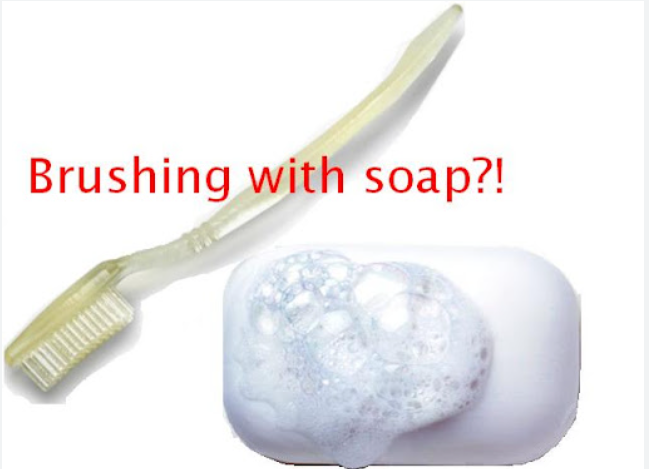
Commercial toothpaste typically uses SLS or similar detergents as its surfactant. Soap relies on saponified fats — usually from plant oils like olive, coconut, or palm — to achieve a similar foaming and cleansing effect. In terms of raw cleaning power against surface grime, soap performs reasonably well.
However, toothpaste is engineered to do far more than just clean. It delivers fluoride for enamel remineralization, contains mild abrasives like hydrated silica to polish teeth, and often includes antibacterial agents targeting specific oral pathogens. Soap offers none of these specialized dental benefits. The limited research available suggests that while soap can reduce plaque to some degree, it does not match the cavity-prevention performance of fluoride toothpaste.
The Taste Factor and User Experience
Let's be honest — soap tastes terrible. The overwhelming majority of people who try brushing with soap report a bitter, acrid flavor that lingers in the mouth. Some describe it as intensely unpleasant, even nauseating on the first attempt.
Advocates of the practice acknowledge the taste barrier but claim an adjustment period of one to two weeks can make it tolerable. Some recommend using flavored castile soaps — peppermint varieties are popular — to ease the transition.
Taste may seem trivial, but dental professionals consider it a genuine clinical concern. Compliance is everything in oral hygiene. If an unpleasant product discourages someone from brushing the recommended two minutes twice daily, the net effect on oral health is negative — regardless of the product's ingredient list.
Is Soap Safe for Oral Use? Risks and Concerns
Ingredients to Watch Out For
Not all soaps are created equal, and this is where safety concerns become serious. Commercial bar soaps and liquid hand soaps frequently contain fragrances, synthetic dyes, preservatives like parabens, and antibacterial chemicals. These ingredients were never designed for contact with the delicate mucous membranes inside your mouth.
Fragrances alone can contain dozens of undisclosed chemical compounds, some of which may irritate or inflame oral tissue. Dyes can cause allergic reactions in sensitive individuals. Detergent-heavy formulations may strip the protective mucus layer lining the cheeks and gums, leading to dryness, soreness, or even ulceration with repeated use.
There is an important distinction between cosmetic-grade soap and food-grade or oral-safe formulations. If someone is determined to try soap for brushing teeth, dental-aware advocates universally recommend using only pure, unscented, food-grade castile soap with a minimal ingredient list — typically saponified organic oils and nothing else.
What Dental Professionals Say
The professional consensus is clear and consistent. The American Dental Association (ADA) does not recognize soap as an acceptable toothpaste substitute. No major dental organization worldwide currently endorses the practice.
Dr. Matthew Messina, a consumer advisor for the ADA, has stated publicly that while soap is unlikely to cause acute harm in small amounts, it provides no proven cavity-prevention benefit. The absence of fluoride is the primary concern. Decades of rigorous clinical research have established fluoride as the single most effective agent for preventing tooth decay, and soap simply cannot replicate that function.
Dental hygienists also raise concerns about the oral microbiome. Your mouth hosts a complex ecosystem of bacteria — some beneficial, some harmful. Harsh soap formulations can indiscriminately disrupt this balance, potentially allowing opportunistic pathogens to flourish. This risk is particularly relevant for individuals already prone to gum disease or oral infections.
Soap Toothpaste Benefits — Are There Any Real Advantages?
Potential Pros Cited by Advocates
Proponents of soap-based tooth cleaning are not without their arguments. The most commonly cited soap toothpaste benefits include the elimination of SLS, triclosan, artificial sweeteners, and other controversial additives found in mainstream toothpaste brands.
For people who experience canker sores triggered by SLS — a well-documented phenomenon supported by multiple studies — removing this ingredient can provide genuine relief. A simple castile soap contains no SLS, making it an appealing option for this specific group.
Many advocates also report a subjective feeling of exceptionally clean teeth after brushing with soap, along with anecdotal claims of reduced tooth sensitivity and healthier-feeling gums. The simplicity of a single-ingredient product resonates strongly with consumers pursuing a minimalist, natural lifestyle.
Where the Evidence Falls Short
Here is the critical distinction that every consumer should understand: anecdotal reports are not clinical evidence. As of mid-2026, there are zero peer-reviewed clinical trials demonstrating that soap is equal to or superior to fluoride toothpaste for preventing cavities, reversing early decay, or improving long-term oral health outcomes.
The positive testimonials circulating online are subject to significant survivorship bias. People who tried soap and experienced problems — increased cavities, gum irritation, or simply hated the taste — are far less likely to post about it than enthusiastic converts. This creates a skewed picture that can mislead well-intentioned consumers.
Evidence-based dentistry requires controlled studies with measurable outcomes over meaningful time periods. Until such research exists, the claimed benefits of brushing with soap remain unverified.
Natural Tooth Cleaning Alternatives Worth Considering
If your goal is to avoid conventional toothpaste ingredients, soap is not your only — or best — option. Several natural tooth cleaning alternatives have substantially more scientific support.
Hydroxyapatite Toothpaste
Hydroxyapatite (HAp) is a naturally occurring mineral that makes up approximately 97% of tooth enamel. Toothpaste containing nano-hydroxyapatite has been used in Japan since the 1980s, where it is recognized as an official anti-cavity agent.
A growing body of clinical research suggests that hydroxyapatite toothpaste can remineralize early enamel lesions comparably to fluoride in certain conditions. A 2023 systematic review published in the Journal of Dentistry concluded that HAp toothpaste shows promising results as a fluoride-free alternative, though researchers noted that more long-term studies are needed. For consumers seeking a fluoride-free option with genuine scientific backing, hydroxyapatite is currently the strongest candidate.
Baking Soda
Sodium bicarbonate — common baking soda — is one of the most well-studied natural tooth cleaning agents available. Its mild abrasive properties effectively remove plaque, and multiple clinical trials have confirmed its efficacy.
The ADA has accepted baking soda as a safe and effective ingredient in toothpaste. Several major commercial brands incorporate it into their formulations. Used alone as a paste mixed with water, it can clean teeth adequately, though it still lacks fluoride's cavity-prevention power.
Oil Pulling and Herbal Rinses
Oil pulling — swishing coconut or sesame oil in the mouth for 15 to 20 minutes — is a traditional Ayurvedic practice that has attracted modern scientific interest. Preliminary research suggests it may reduce certain harmful bacteria, including Streptococcus mutans, a primary driver of tooth decay.
However, the evidence remains limited, and the ADA does not recommend oil pulling as a substitute for brushing. It is best viewed as a complementary practice that may offer modest antibacterial benefits alongside a standard oral hygiene routine.
DIY and Specialty Soap Toothpastes
A small but growing number of brands now manufacture soap-based tooth cleaning products specifically formulated for oral use. These products use food-safe saponified oils, sometimes combined with essential oils like peppermint or tea tree for flavor and mild antibacterial properties.
If you are drawn to the soap-based approach, these specialty products are significantly safer than grabbing a random bar from your shower. Look for labels that list only food-grade ingredients, contain no fragrances or dyes, and ideally carry some form of third-party safety testing.
How to Make an Informed Decision About Your Dental Routine
Questions to Ask Your Dentist
Before making any changes to your oral care routine, a conversation with your dentist is essential. Consider asking about your individual cavity risk — some people are naturally more susceptible to decay and may need fluoride's protection more than others.
Ask whether fluoride-free alternatives like hydroxyapatite toothpaste are appropriate for your specific oral health profile. A dentist who understands your history of cavities, gum health, and dietary habits can provide personalized guidance that no blog post or social media video can match.
Key Criteria for Evaluating Any Tooth Cleaning Product
Whether you are considering soap, a natural toothpaste, or a conventional brand, evaluate every product against these four criteria:
Plaque removal ability: Does it effectively clean tooth surfaces and disrupt bacterial biofilm?
Safety profile: Are the ingredients safe for daily contact with oral tissue?
Cavity prevention: Does it contain fluoride or a clinically proven alternative like hydroxyapatite?
Taste and compliance: Will you actually use it consistently, twice a day, for two full minutes?
Products carrying the ADA Seal of Acceptance or equivalent certifications from recognized dental authorities have undergone independent testing for safety and efficacy. This seal remains the simplest shortcut to a trustworthy product.
Frequently Asked Questions (FAQ)
Is it safe to brush your teeth with bar soap every day?
Using a pure, unscented, food-grade bar soap — such as castile soap — is unlikely to cause acute harm. However, commercial bar soaps containing fragrances, dyes, or synthetic chemicals can irritate oral tissue and should never be used in the mouth. No dental organization currently endorses daily soap use as a safe long-term oral care practice.
Can soap replace toothpaste for cavity prevention?
No. Soap does not contain fluoride or any other clinically proven remineralizing agent. Fluoride's ability to strengthen enamel and reverse early-stage decay is supported by over 70 years of research. Without fluoride or a validated alternative like hydroxyapatite, using soap alone leaves your teeth without meaningful cavity protection.
What kind of soap is safest if I want to try it?
Unscented, fragrance-free, food-grade castile soap made from organic plant oils is the most commonly recommended option among soap-brushing advocates. Brands like Dr. Bronner's unscented baby formula are frequently cited. Always check the full ingredient list and avoid any product containing synthetic fragrances, dyes, or preservatives.
Will brushing with soap whiten my teeth?
No. Soap contains no bleaching agents, peroxides, or specialized whitening compounds. While it may remove surface debris and create a temporary feeling of cleanliness, it will not lighten intrinsic tooth stains or produce the whitening effects associated with peroxide-based products or professional dental treatments.
What do dentists recommend instead of conventional toothpaste?
For patients seeking alternatives, dentists most commonly recommend hydroxyapatite toothpaste, baking soda-based formulations, or ADA-approved natural toothpaste brands. These options offer varying degrees of clinical support while avoiding many of the ingredients that concern natural-living consumers.
Can soap damage tooth enamel?
Soap is generally low in abrasiveness, so the risk of enamel erosion is minimal — likely lower than many commercial whitening toothpastes. The greater concern is soft tissue irritation. Harsh soap formulations can dry out, inflame, or ulcerate the gums, inner cheeks, and tongue, especially with repeated daily use over time.
The Bottom Line — Should You Brush Your Teeth With Soap?
The risk-benefit analysis is straightforward. Brushing with a pure, food-grade soap is unlikely to cause serious harm in the short term. It can remove surface debris and leave teeth feeling clean. For people with specific sensitivities to SLS or other toothpaste additives, it may offer temporary relief.
However, soap is not a clinically supported replacement for toothpaste. It lacks fluoride, has no proven remineralization capability, tastes unpleasant enough to discourage consistent use, and carries ingredient risks if the wrong product is chosen. Every claimed benefit remains anecdotal, unsupported by the kind of rigorous research that modern dentistry demands.
If you are motivated by a desire for cleaner, simpler oral care, better options exist. Hydroxyapatite toothpaste, baking soda formulations, and ADA-approved natural brands offer the ingredient transparency you want with the clinical backing your teeth deserve.
Above all, talk to your dentist before making changes. Your oral health is too important to leave to social media trends — no matter how convincing the before-and-after photos may look.