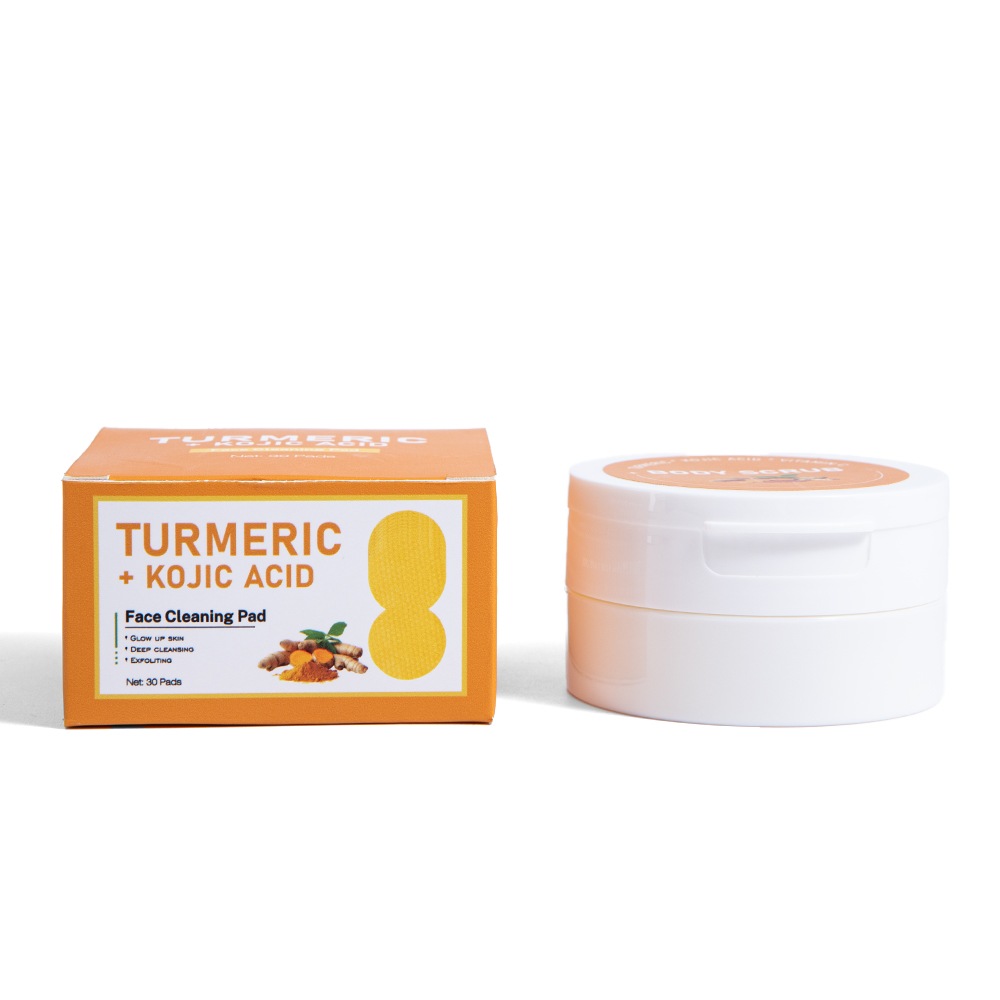
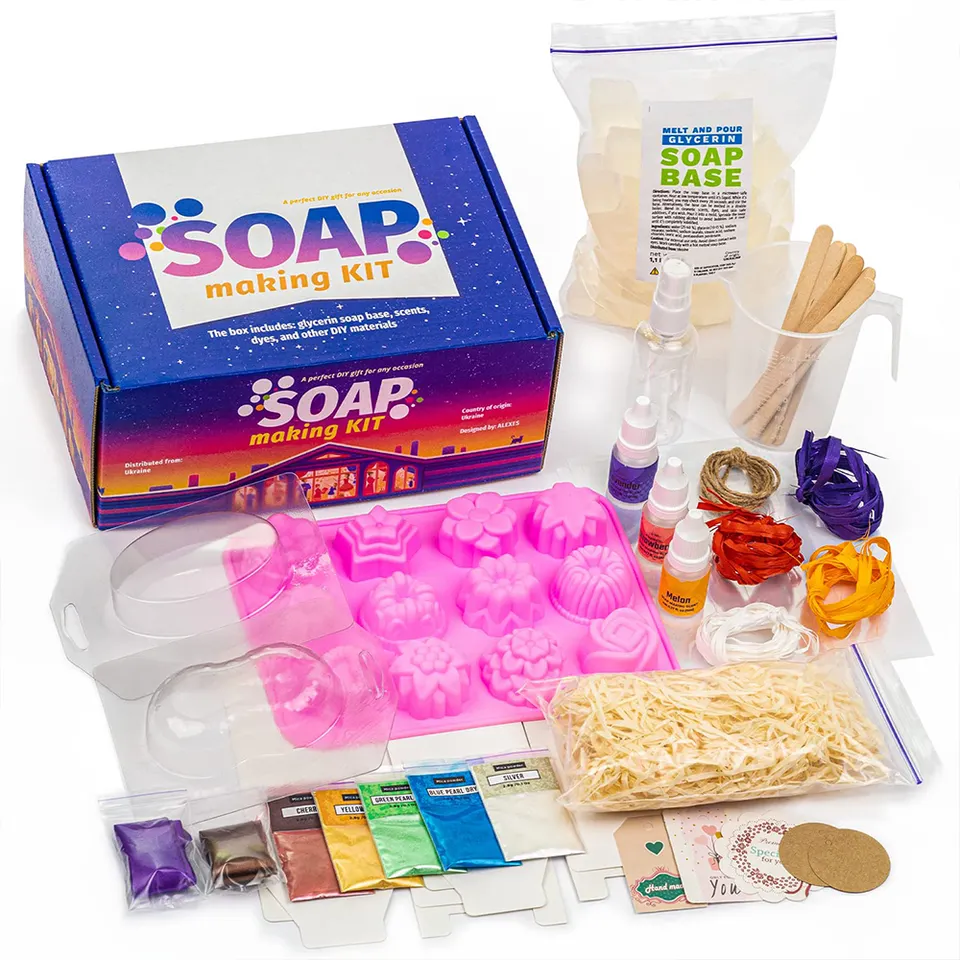
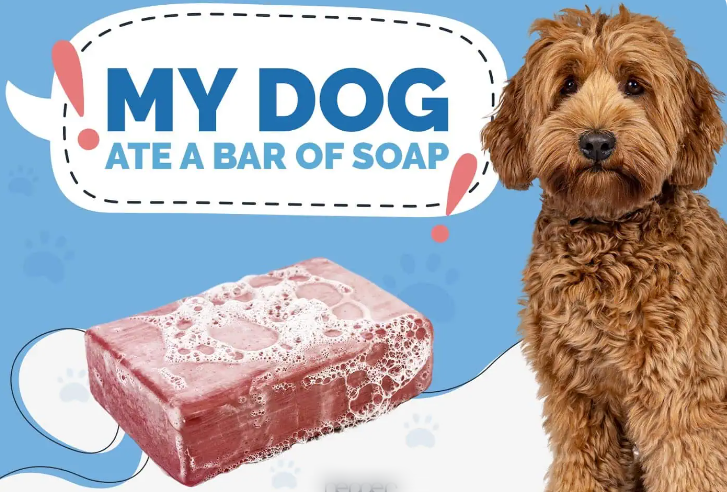
You step out of the shower and notice teeth marks in your bar of soap. Or maybe you catch your puppy mid-chew on a lavender-scented bath bomb. Your heart drops, and one question races through your mind: is soap poisonous to dogs?
It's a more common scenario than you might think. Every year, thousands of pet owners call poison control hotlines after their dogs get into soap, detergent, or cleaning products. Let's break down exactly what you need to know — from which ingredients are dangerous to what steps to take if it happens to your furry friend.
Why Dogs End Up Eating Soap in the First Place
Dogs explore the world with their mouths. That berry-scented bar soap on your bathtub ledge? To your dog, it smells like a snack. The coconut-fragranced dish soap by the sink? Basically a tropical treat waiting to be tasted.
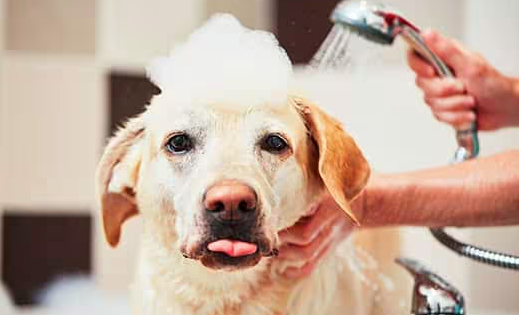
Common scenarios include bath time (soap is literally right at nose level), bars left on low countertops, and bottles that roll off shelves. Dogs are naturally curious creatures, and anything with a strong scent becomes an instant target for investigation.
Puppies and certain breeds — especially Labrador Retrievers, Beagles, and other notorious "chewers" — are particularly prone to ingesting non-food items. This behavior, sometimes called pica, makes them especially vulnerable to accidental soap ingestion.
Is Soap Poisonous to Dogs?
Here's the direct answer: most standard soaps won't immediately kill your dog, but certain types and ingredients can pose serious health risks. The danger level varies widely depending on what kind of soap it is, how much was consumed, and your dog's size.
There's a big difference between a dog licking a bar of Dove soap and a dog chewing open a laundry detergent pod. A single lick of a mild bar soap might cause some drooling and an upset stomach. Eating an entire bar — or drinking a significant amount of liquid soap — is a much more serious situation.
Soap toxicity in dogs ultimately comes down to three factors: the type of soap, the quantity ingested, and the specific ingredients involved. Let's dig into each.
Soap Ingredients Harmful to Dogs
Not all soap is created equal when it comes to pet safety. Here are the ingredients that should concern you most:
Essential oils (tea tree, pine, eucalyptus): These are toxic to dogs even in small amounts. Tea tree oil, in particular, can cause tremors, weakness, and even liver damage.
Sodium lauryl sulfate (SLS) and other surfactants: These foaming agents are found in most soaps and can cause significant gastrointestinal irritation when ingested in quantity.
Fragrances and artificial dyes: These chemical additives can trigger allergic reactions and irritate the digestive tract.
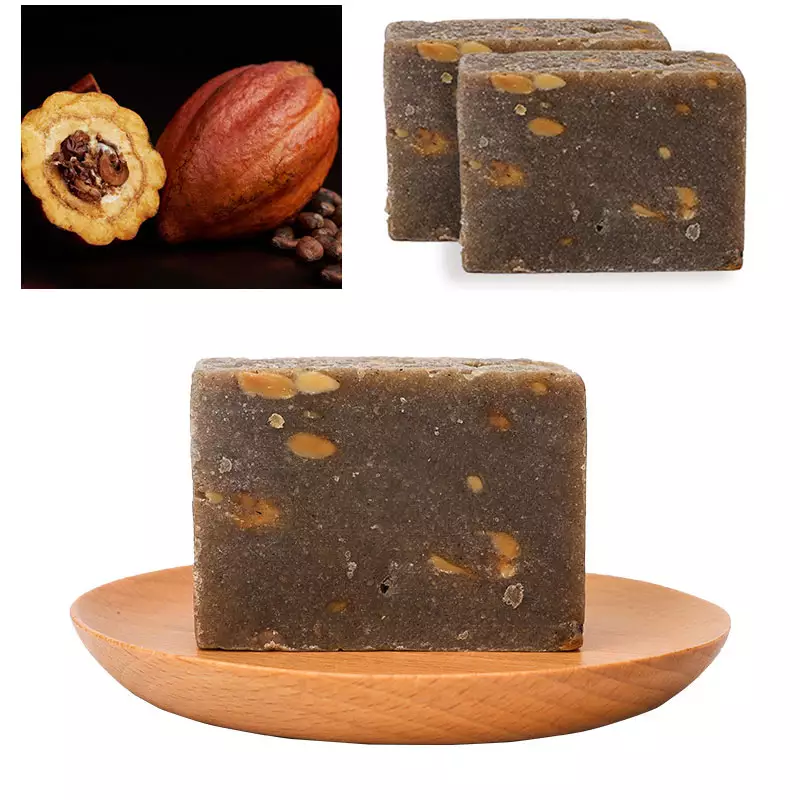
Cocoa butter: Some moisturizing soap bars contain cocoa butter, which carries a small risk of theobromine exposure — the same compound that makes chocolate dangerous for dogs.
Antibacterial agents like triclosan: Though being phased out of many consumer products, triclosan is still found in some soaps and raises concerns about endocrine disruption in animals.
Types of Soap and Their Risk Levels
To help you quickly assess the danger, here's a breakdown by soap type:
| Soap Type | Risk Level | Primary Concern |
|---|---|---|
| Bar soap | Low to Moderate | GI blockage from large chunks; ingredient toxicity |
| Liquid hand soap | Low to Moderate | GI irritation from surfactants |
| Dish soap | Moderate to High | Higher surfactant concentration; more severe irritation |
| Laundry detergent pods | High | Chemical burns, respiratory distress, highly concentrated |
| Homemade/artisan soaps with essential oils | High | Unpredictable ingredients; potentially very dangerous |
Laundry detergent pods deserve special attention. Their concentrated formula and appealing appearance make them both attractive and extremely dangerous to pets. The burst of concentrated chemicals can cause burns to the mouth, esophagus, and stomach, and the fumes can lead to respiratory distress.
Dog Ingested Soap Symptoms — What to Watch For
If your dog has eaten soap, symptoms can appear within minutes or take several hours to develop depending on the product. Here's what to look for:
Vomiting and drooling — the most common and often immediate reactions
Diarrhea and visible stomach pain — your dog may whimper, pace, or hunch over
Loss of appetite and lethargy — they may refuse food and seem unusually tired
Pawing at the mouth or excessive lip-licking — a sign of oral irritation or burns
Difficulty breathing — especially concerning with detergent pods, this is an emergency
Burns or redness around the mouth and tongue — indicates contact with caustic chemicals
If you notice any combination of these dog ingested soap symptoms, don't take a wait-and-see approach. Contact your veterinarian right away.
Can Soap Actually Kill a Dog?
Let's be honest: fatalities from standard bar soap or hand soap are rare. Most dogs that lick or eat a small amount of regular soap will recover with nothing more than an upset stomach.
However, soap ingestion can become life-threatening in certain scenarios:
Large quantities of concentrated detergent or pods: The highly concentrated chemicals can cause severe internal burns and organ damage.
Soaps containing toxic essential oils: Even a moderate amount of tea tree or eucalyptus oil can overwhelm a dog's liver.
Small dogs or puppies: A quantity that might cause mild symptoms in a 70-pound Lab could be devastating to a 5-pound Chihuahua. Body weight makes a huge difference in toxicity tolerance.
Intestinal blockage: If a dog swallows large chunks of bar soap without chewing them properly, the pieces can obstruct the intestines — a condition that may require emergency surgery.
The ASPCA Animal Poison Control Center has documented numerous cases of serious illness in pets related to detergent pod exposure, with symptoms ranging from severe vomiting to respiratory failure. The message is clear: while most soap encounters are manageable, some can be genuinely dangerous.
What to Do If Your Dog Eats Soap
Immediate Steps at Home
First, stay calm. Panicking won't help you or your dog. Remove any remaining soap from your dog's reach immediately so they can't consume more.
Grab the product and check the label. Identify the ingredients — you'll need this information if you call a vet or poison control. Look specifically for essential oils, triclosan, or warnings about the product being caustic or corrosive.
Gently rinse your dog's mouth with cool water to remove any soap residue. You can use a damp cloth to wipe around their gums and tongue. Do NOT induce vomiting unless a veterinarian specifically tells you to. With some soap products, vomiting can cause additional chemical burns on the way back up.
When to Call the Vet or Poison Control
Contact your veterinarian or the ASPCA Animal Poison Control Center at (888) 426-4435 immediately if:
Your dog consumed a large amount of any soap product
The ingredient list includes toxic substances like essential oils or concentrated surfactants
Your dog is showing any symptoms — vomiting, drooling, lethargy, or difficulty breathing
Your dog is a puppy or a small breed
When you call or visit the vet, bring the product packaging with you. Be prepared to explain approximately how much your dog ingested, how long ago it happened, and your dog's weight and breed. This information helps the vet determine the best course of treatment.
Pet Safe Soap Alternatives for Your Home
Prevention starts with smarter product choices. Here's how to make your home safer:
Use pet-safe, fragrance-free soaps for bathing your dog — avoid anything with essential oils or strong scents.
Choose veterinarian-approved dog shampoos specifically formulated for canine skin and pH levels.
Store all cleaning products and soaps in closed cabinets or on high shelves your dog can't reach.
Opt for unscented, plant-based household soaps with simple, short ingredient lists for products used around the home.
Eliminate products containing essential oils, triclosan, or artificial dyes from any area your pet can access.
Making these swaps doesn't just protect your dog — many pet safe soap alternatives are also gentler on human skin and better for the environment.
How to Prevent Your Dog from Eating Soap
The best treatment is prevention. These practical steps can dramatically reduce the risk:
Install childproof latches on lower cabinets where cleaning supplies are stored.
Keep bathroom doors closed when you're not in the room — especially if you have a curious puppy.
Never leave soap unattended during bath time. If you need to step away, take the soap with you.
Train "leave it" and "drop it" commands. These two cues are among the most valuable things you can teach any dog and can literally save their life.
Provide appropriate chew toys to redirect your dog's natural urge to chew onto safe objects instead of household items.
Think of it this way: if you'd childproof your home for a toddler, apply the same logic for your dog. They're just as curious and far less likely to read warning labels.
Frequently Asked Questions (FAQ)
Can a small lick of soap hurt my dog?
A single lick of most standard soaps is unlikely to cause serious harm. Your dog might drool a bit or experience mild stomach upset, but it typically resolves on its own. However, if the soap contains essential oils or other toxic ingredients, even a small exposure warrants a call to your vet.
Is dish soap more dangerous than bar soap for dogs?
Yes. Dish soap contains a higher concentration of surfactants compared to a typical bar soap, which means it can cause more severe gastrointestinal irritation and, in some cases, chemical burns to the mouth and digestive tract. Always keep dish soap out of your dog's reach.
Are natural or organic soaps safe for dogs?
Not necessarily — and this is a common misconception. Many natural and organic soaps contain essential oils like tea tree, lavender, or eucalyptus that are highly toxic to dogs. The word "natural" on a label does not mean pet-safe. Always check the ingredient list carefully.
How much soap is dangerous for a dog?
It depends on your dog's size and the type of soap. A large dog might tolerate a small nibble of mild bar soap with minimal symptoms. But even a tiny amount of concentrated laundry detergent or essential-oil-based soap can be harmful — or even life-threatening — to a small dog or puppy.
Should I make my dog vomit after eating soap?
Never induce vomiting without veterinary guidance. Some soap ingredients, especially those in concentrated detergents, can cause additional chemical burns to the esophagus and mouth if brought back up. Always call your vet or poison control first and follow their specific instructions.
What if my dog chewed a soap bar but didn't swallow much?
Monitor your dog closely for the next 12 to 24 hours. Watch for vomiting, diarrhea, drooling, lethargy, or loss of appetite. If any of these symptoms develop — or if you're unsure how much was actually swallowed — contact your veterinarian for guidance. It's always better to be cautious.
This article is for informational purposes only and does not replace professional veterinary advice. If your dog has ingested soap or any potentially toxic substance, contact your veterinarian or the ASPCA Animal Poison Control Center at (888) 426-4435 immediately.