You grab a bar from the bathroom shelf, squirt some liquid into the washing machine, and pump a dollop next to the kitchen sink. They all make bubbles, they all fight grime — so they must be the same thing, right? Not quite. While soap and detergent are both cleaning agents, the differences between them affect everything from how well your clothes come out of the wash to how your skin feels at the end of the day.
In this guide, we'll break down the science, the practical trade-offs, and the common myths so you can make smarter choices the next time you're standing in the cleaning aisle.
Soap and Detergent — Aren't They the Same Thing?
It's one of the most common mix-ups in everyday shopping. We tend to use "soap" and "detergent" interchangeably, but they're actually quite different products with distinct origins, chemistry, and performance profiles. Understanding those differences can save you money, protect your skin, and even help the environment.
A Quick Definition of Soap
Soap is one of the oldest cleaning products in human history, dating back thousands of years. At its core, it's made by combining natural fatty acids — sourced from animal fats or plant oils like coconut, olive, or palm — with an alkali such as lye (sodium hydroxide).
This chemical reaction is called saponification, and the result is a relatively simple product. Traditional soap is biodegradable and contains fewer additives than most modern alternatives, which is a big part of its appeal for people who prefer a minimalist approach to personal care.
A Quick Definition of Detergent
A synthetic detergent is a more modern invention, developed in the early 20th century primarily to overcome the limitations soap faces in hard water. Unlike soap, detergents are manufactured from petroleum-based or oleochemical-based raw materials.
They're engineered with specialized surfactants and a cocktail of additives — enzymes, builders, fragrances, optical brighteners — each designed for a targeted cleaning task. This precision engineering is what makes detergent the go-to choice for laundry, dishwashing, and heavy-duty household cleaning around the world.
The Science Behind How They Clean
Despite their differences, soap and detergent share a fundamental cleaning principle. Both rely on surface active agents — more commonly known as surfactants — to do the dirty work. Where the chemistry diverges is in how those surfactants are made and how they behave under different conditions.
How Surfactants Work in Both Products
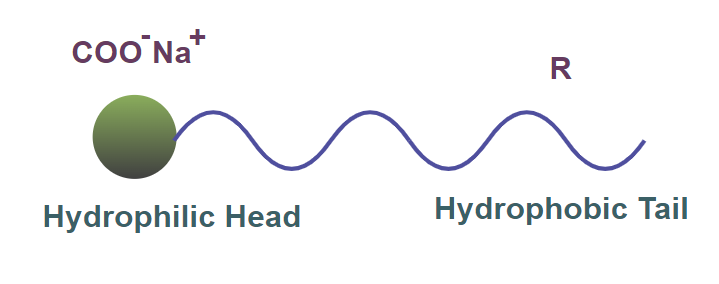
Think of a surfactant molecule as having two ends with very different personalities. One end is hydrophilic (water-loving), and the other is hydrophobic (oil-loving). When you mix a surfactant with water and apply it to a dirty surface, something clever happens.
The oil-loving tails latch onto grease, dirt, and grime, while the water-loving heads stay connected to the water around them. This lowers water's surface tension, lifts dirt away from the surface, and suspends it so it can be rinsed away cleanly. It's an elegant bit of chemistry that works whether you're using a handmade bar of soap or a high-tech laundry pod.
Why the Source of the Surfactant Matters
Soap's surfactants are born from the saponification of natural fats — a straightforward process that hasn't changed dramatically in centuries. Detergent surfactants, on the other hand, are synthesized in laboratories, giving chemists the ability to fine-tune their performance for specific tasks.
This distinction has real-world consequences. The source of the surfactant affects how the product interacts with your skin, how quickly it breaks down in the environment, and how powerfully it cleans. Natural soap surfactants tend to be gentler but less versatile, while synthetic ones offer superior cleaning power at the cost of potential skin sensitivity for some users.
Key Differences Between Soap and Detergent at a Glance
Let's put the most important factors side by side so you can see exactly where these two cleaning agents part ways.
| Factor | Soap | Detergent |
|---|---|---|
| Main Ingredients | Natural fats/oils + alkali | Synthetic surfactants + additives |
| Hard Water Performance | Poor (forms scum) | Excellent |
| Skin Gentleness | Generally milder | Varies by formulation |
| Biodegradability | High | Improving rapidly |
| Cost per Use | Higher (niche/artisanal) | Lower (mass-market) |
Ingredients and Manufacturing Process
Soap's recipe is beautifully simple: fat or oil plus an alkali produces soap and glycerin. There are typically fewer additives involved, which appeals to consumers who want transparency in their products.
Detergent manufacturing is far more complex. Beyond the primary synthetic surfactants, formulations commonly include builders (to soften water), enzymes (to break down protein and starch stains), fragrances, and optical brighteners that make white fabrics appear whiter. Each ingredient is selected to optimize a particular cleaning outcome.
Performance in Hard Water
This is where detergent truly shines. If you live in an area with hard water — water rich in calcium and magnesium minerals — you've probably noticed that soap leaves a white, chalky residue. That's soap scum, formed when soap reacts with those dissolved minerals.
Detergents are specifically formulated to resist hard-water interference. Their synthetic surfactants don't bind with calcium and magnesium the way soap does, which means cleaner dishes, softer laundry, and less buildup in your pipes.
Effect on Skin and Fabrics
Traditional soap tends to be gentler on skin because of its simpler formulation and the natural glycerin retained during production. However, soap can leave residue on fabrics and skin, especially in hard water areas.
Detergents deliver stronger cleaning power and rinse more completely, but certain formulations can strip natural oils from skin or irritate sensitive individuals. The good news is that many brands now offer hypoallergenic and dermatologist-tested detergent options specifically designed to minimize irritation.
Environmental and Biodegradability Considerations
Historically, soap has held the environmental high ground. It biodegrades faster and comes from renewable natural sources. Early synthetic detergents, particularly those using hard surfactants, were notorious for polluting waterways with persistent foam.
That picture has changed significantly. Modern detergent formulations increasingly use plant-derived surfactants and eco-certified ingredients. Many meet strict biodegradability standards set by regulatory bodies in the EU, North America, and beyond, steadily closing the sustainability gap with traditional soap.
Cost and Availability
Detergents dominate the mass market for good reason. They're versatile, effective in all water types, and generally cheaper per use — especially in concentrated liquid or pod form. You'll find them in every supermarket, convenience store, and online retailer.
Artisanal and natural soaps, meanwhile, occupy a growing niche. Eco-conscious consumers and those with specific skin concerns are willing to pay a premium for handcrafted bars made with organic oils and minimal additives. It's a smaller market, but one that continues to expand.
When Should You Use Soap vs. Detergent?
Knowing the theory is great, but what matters most is making the right choice for each cleaning task in your daily life. Here's a practical breakdown.
Best Uses for Soap
Soap excels in personal care situations — hand washing, face cleansing, and body bathing. Its gentler formula makes it a solid pick when minimal chemical exposure is preferred, such as for babies or people with eczema.
It's also a good choice for washing delicate handmade textiles and for anyone who prioritizes natural, low-ingredient products in their routine.
Best Uses for Detergent
For laundry — especially machine washing — detergent is the clear winner. It handles hard water, dissolves completely, and tackles stubborn grease and stains that soap simply can't match.
The same goes for dishwashing (both hand and machine) and heavy-duty household cleaning tasks like scrubbing kitchen counters, bathroom tiles, and floors. Anytime you're facing tough grime or hard water, reach for a detergent.
Can You Swap One for the Other?
You can, but proceed with caution. Using soap in a washing machine can cause residue buildup inside the drum and plumbing, especially in hard-water areas. Over time, this can lead to unpleasant odors and reduced machine performance.
Conversely, using a harsh detergent on your face or sensitive skin areas is a recipe for dryness and irritation. A simple rule of thumb: use soap for your body and detergent for your home, unless a product is specifically labeled for crossover use.
Common Myths About Soap and Detergent — Debunked
Let's clear up a few persistent misconceptions that trip up even well-informed shoppers.
"Soap Is Always More Natural and Safer"
Not necessarily. While soap's base ingredients are natural, many commercial soap bars contain synthetic fragrances, colorants, and preservatives. The word "soap" on a label doesn't automatically guarantee a chemical-free product. Always read the ingredients list if purity is your priority.
"Detergents Are Bad for the Environment"
This is an outdated generalization rooted in the problems caused by early synthetic formulas decades ago. Today, many detergent manufacturers adhere to strict biodegradability and aquatic toxicity standards. Look for third-party eco-certifications if environmental impact matters to you.
"Bar Soap Spreads Germs"
This myth refuses to die, but the science is clear. Research has consistently shown that bacteria found on bar soap surfaces do not transfer meaningfully to the user's skin during washing. The mechanical action of lathering and rinsing effectively removes contaminants. Bar soap is perfectly hygienic for household use.
Frequently Asked Questions (FAQ)
Is soap or detergent better for sensitive skin?
Pure, fragrance-free soap is often the gentler choice because of its simpler formulation. However, hypoallergenic detergents specifically designed for sensitive skin can work equally well. The key is to avoid added fragrances and harsh additives, regardless of whether you choose soap or detergent.
Why does soap leave a film in my shower?
That film is soap scum — the result of soap reacting with calcium and magnesium minerals found in hard water. Switching to a detergent-based body wash eliminates this issue because synthetic surfactants don't form insoluble compounds with those minerals.
Are detergents safe for septic systems?
Most modern detergents are septic-safe when used as directed. To be sure, look for labels that specifically confirm biodegradability and septic compatibility. Avoid products with excessive phosphates or antibacterial agents, which can disrupt the beneficial bacteria your septic system relies on.
Can I wash dishes with hand soap?
In a pinch, yes — hand soap will remove some dirt and food residue. However, dish detergent is far more effective at cutting through grease and providing the sanitizing power you want for items that contact food. For everyday dishwashing, stick with a product designed for the job.
What are "soap-free" cleansers?
Soap-free cleansers use synthetic surfactants — much like detergents — but are formulated at a skin-friendly pH level (typically around 5.5). They avoid the higher alkalinity of traditional soap, making them a popular recommendation from dermatologists for people with dry or sensitive skin conditions.
Which is cheaper in the long run — soap or detergent?
For household cleaning tasks, detergent generally offers better cost efficiency. Concentrated formulas mean you use less product per wash, and their compatibility with hard water eliminates the need for water-softening workarounds. Artisanal soaps, while wonderful for personal care, tend to carry a higher price tag per use.
The Bottom Line
Soap and detergent are both effective cleaning agents, but they're built for different situations. Soap wins on simplicity and gentleness — it's ideal for personal care and low-chemical living. Detergent wins on versatility and raw cleaning power — it's the workhorse of modern household cleaning.
The smartest approach? Keep both in your home. Use soap where gentleness matters and detergent where performance is king. By understanding what each product does best, you'll clean more effectively, spend less, and make choices that align with your health and environmental values.