
"Just make it fragrance free and call it gentle" is how many sensitive-skin projects start. It skips the base, the surfactants, the colorants and the claim wording. The usual result is complaints and returns, a marketplace listing taken down, or a label that promises more than the paperwork supports. No single formula is the best soap for sensitive skin for every user, so this guide follows the decisions in the order you will face them.
What Is the Best Soap for Sensitive Skin? Start With How Your Customer Defines It
The best soap for sensitive skin is usually a simple, mild, fragrance-free bar with a short ingredient list. Even so, the right choice depends on who uses it and where it is sold. "Sensitive" describes how a person feels about their skin. It is not a regulated or technical category.
Sensitive as a self-description, not a test result
One customer means skin that stings after a hot shower. Another means a past reaction to a specific perfume. A third means a child with dry patches. No standard spec sits behind the word, so you cannot ask a supplier for "sensitive-skin grade" and expect the same thing from two factories. You have to turn the word into choices you can measure: which ingredients are in, which are out, and what the label will say.
Questions that set the brief
Start with the user. Is the bar for an adult face, an adult body, or a baby? Each raises the bar on mildness and on what you can claim. Then consider where it will be sold, since cosmetic rules and marketplace policies differ between the US, the UK, Canada and the EU. Last comes the claim level. "Fragrance free" is a statement you can verify. "Gentle" is softer but still needs support. "Hypoallergenic" is a different kind of promise altogether and needs test reports behind it.
Choosing the Soap Type: Cold Process, Syndet, or Base-Led Handmade Bar
Bar type is the first fork. Traditional soap is made by saponification, where fats react with an alkali such as sodium hydroxide. Finished bars of this kind are naturally alkaline, usually well above the pH of skin. A syndet bar (short for synthetic detergent) uses mild surfactants instead of saponified fats, and it can be formulated closer to skin pH. Neither is automatically better. They fail in different ways.
If you want a natural handmade bar
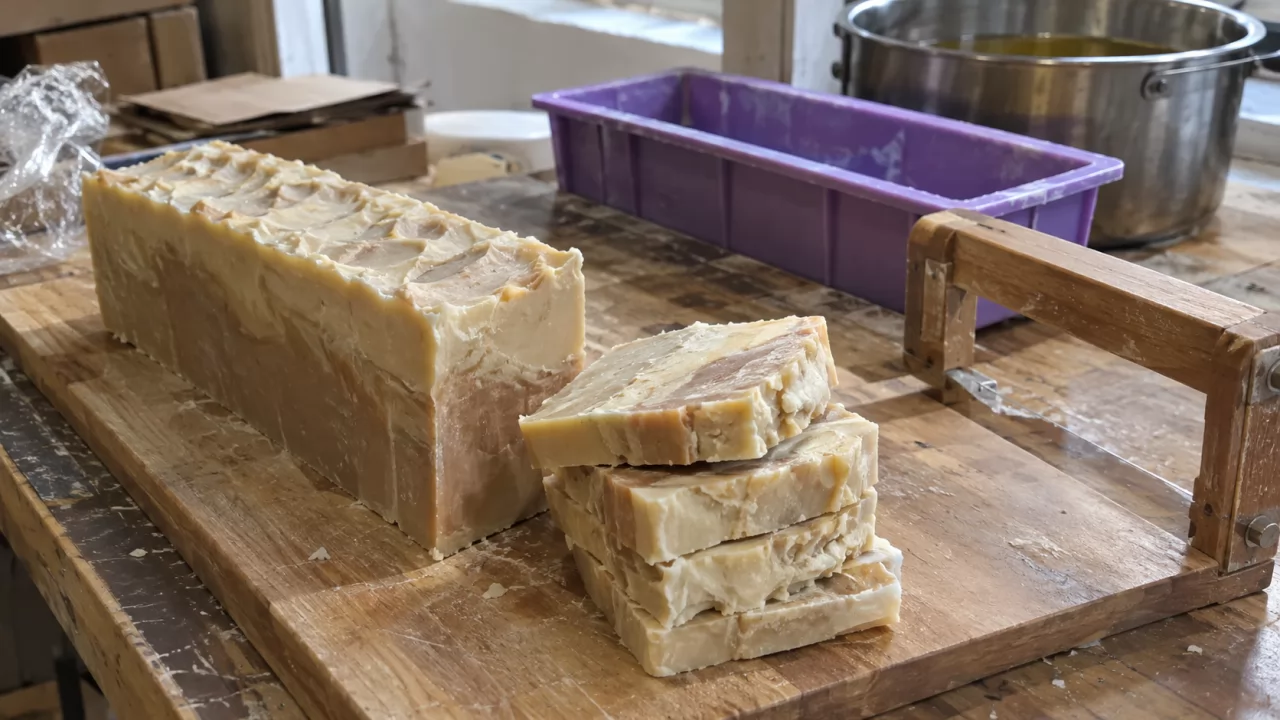
Cold process soap is made by mixing oils with alkali at low temperature and letting the bar cure. Natural handmade soap suits a brand whose story is simple oils and a short list. The trade-off is alkalinity: some people with reactive skin find saponified bars drying, especially on the face. Superfat (extra oil left unsaponified) and cure time shape how the bar feels. Ask the supplier how each is controlled from batch to batch.
If you want a milder, more controlled cleansing profile
Syndet bars give tighter control over pH and lather, so they behave more like a pH-balanced body wash. The cost is a longer, more technical ingredient list. That can clash with a "short and natural" story, and some surfactants carry their own irritation profile. Mildness depends on the specific surfactants and their levels, not on the bar format alone.
If the bar is for the face
People using a bar on the face tend to compare it with a mild facial cleanser, not with other soaps. That is a high bar for a saponified formula. With a handmade base, keep the formula plain, skip abrasive additives and keep the language modest. A syndet-style bar is often easier to defend for facial use.
Fragrance, Essential Oils, and Colorants
Going fragrance-free is the most common first step, and a fragrance free soap bar for sensitive skin is what many shoppers search for by name. But essential oils are not a safe harbor. Many contain components that are recognized fragrance allergens, and several markets require those allergens to be declared on the label above set thresholds. "Natural scent" does not mean "no sensitizer risk."
Unscented and masked scent are also different things. An unscented product has no added fragrance material. A masked product has something added so the base odor is not noticed, and the ingredient list may still say "fragrance." Shoppers who avoid fragrance for a reason will read the list, not the front panel.
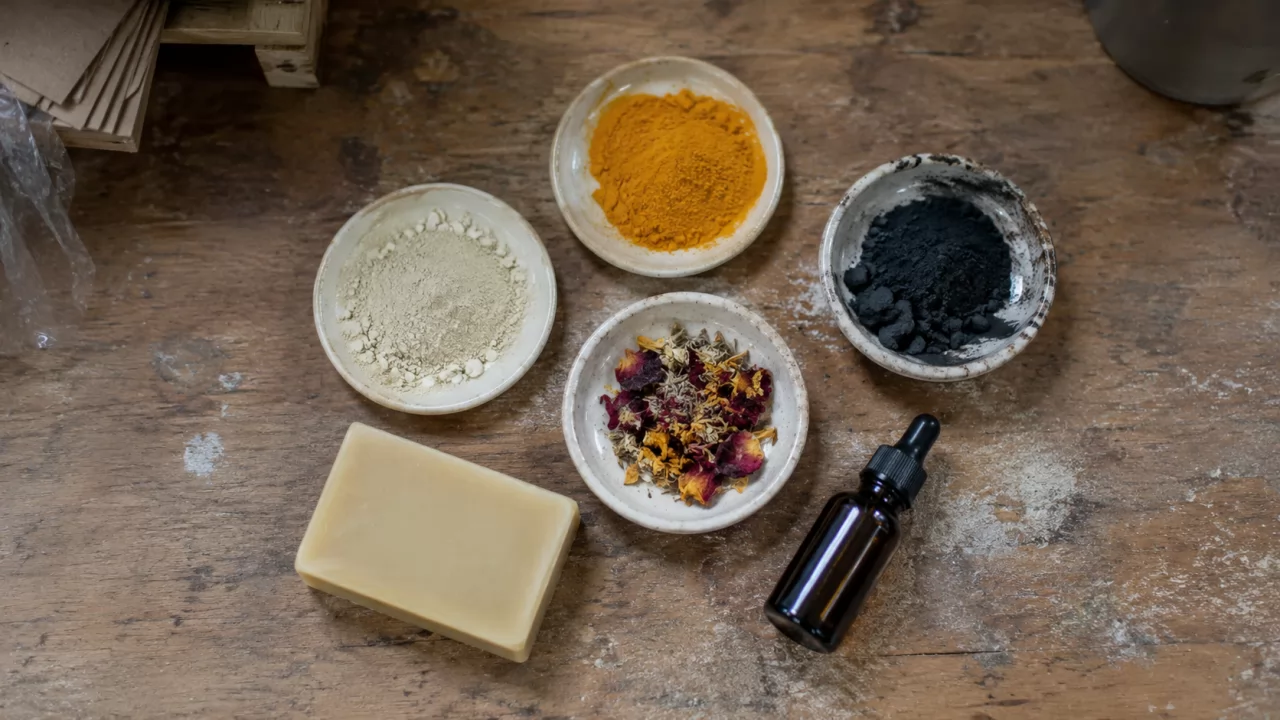
Colorants and botanicals are the quieter variables. Turmeric, clays, charcoal and plant powders add color, and they also add particles and compounds that a plain bar does not have. If the point of the product is minimal exposure, an undyed bar is the cleaner story. Exfoliants such as seeds, shells or oat add physical abrasion, which is a separate irritation question from chemistry.
One more check: confirm that "fragrance free" holds for every input, including raw-material carriers. A premixed extract, an oil blend or a colorant paste can arrive with a scent component or a preservative the supplier did not list separately. Ask for the full composition of each premix in writing, not only the finished-bar summary.
Specialty Ingredients Where Sensitive-Skin Positioning Gets Complicated
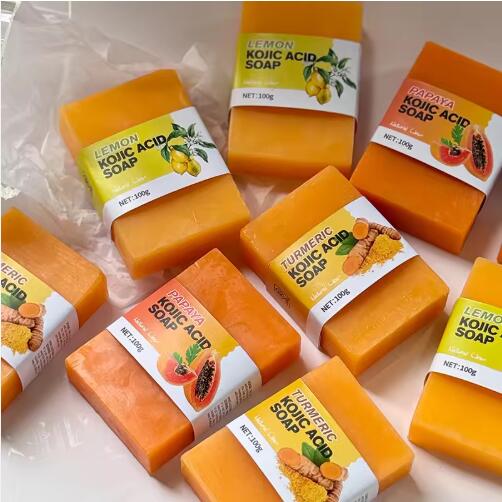
Kojic acid, turmeric, goat milk, African black soap and exfoliating bars are all legitimate product lines. Each also sits uneasily next to a "gentle" promise. Keep these lines separate in your range and positioning instead of stretching one sensitive-skin claim over everything. A customer who sees "gentle" on a kojic acid bar and then reacts to it has a fair complaint, and so does the platform that receives it.
Exfoliating and botanical-heavy bars
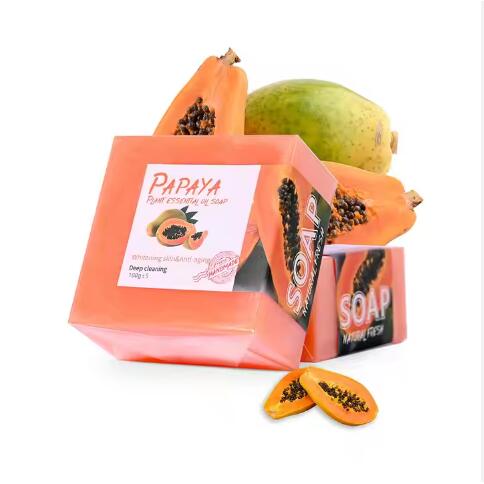
Exfoliating bars are built to create friction. That is the feature, and it is why they fit a sensitive-skin message poorly. Botanical-heavy bars have a similar problem, since each added plant material is another ingredient a reactive user could respond to. Position these as texture or ritual products and leave "sensitive" out of the copy.
Kojic acid and turmeric lines
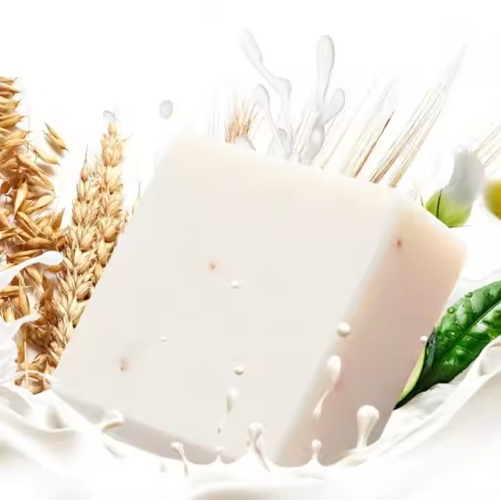
Kojic acid is an active ingredient with its own rules in some markets. Turmeric is a strong colorant that can stain. Both attract users who expect visible results, and that is where claim risk grows. Avoid whitening, lightening or result language altogether. Describe the ingredient and the format, and let the product stand without a skin-outcome promise. Goat milk and African black soap are similar in one sense: each has a loyal following and a clear identity, but neither identity is "formulated for sensitive skin."
Baby soap and the limits of "gentle"
Baby soap is not the same as sensitive-skin soap. Infant skin raises the level of scrutiny, and phrases like "tear-free" or "safe for babies" imply testing most brands cannot show. A baby bar should have a short list, no added fragrance unless you can justify it, and claims limited to what the documents support. Check the children's cosmetics rules in the countries where you will sell before you design the label.
How to Choose Soap for Sensitive Skin Private Label: Decision Criteria in Order
Work through the criteria in sequence, because each one narrows the next. A short decision path:
- If the story is "simple and natural," pick a short-list saponified bar and accept the alkalinity trade-off.
- If you need tighter pH and lather control, look at a syndet-style bar and review each surfactant.
- If the user is a baby or the market is strict, keep the formula minimal and the claims narrower.
- If you cannot document a claim, leave it off the label.
- If your timeline is short, start from an existing mature formula instead of a new one.
Within that path, the criteria run in this order: ingredient count, the surfactant or saponification system, fragrance status, additives, how mature the supplier's formula is, batch consistency, and room for customization. A mature existing formula usually brings fewer surprises than a new one, because it has already been through production at scale. That does not make it perfect for your user. It means its behavior is better known.
Stock formula versus custom formula
A stock or base formula is faster to sample and easier to repeat. A custom formula gives you control over the list and the story, but it needs extra test time for stability checks, packaging compatibility and a review of the final ingredient list. Custom also raises a contract question. Do not assume you own or exclusively control a formula unless that is agreed in writing.
Ingredient list review in INCI terms
INCI (International Nomenclature of Cosmetic Ingredients) is the standard naming system for cosmetic ingredient lists. Ask for the full INCI list of the finished bar, in descending order of concentration, and read it as a skeptic. Look for fragrance or parfum, listed allergens, colorants, plant extracts you did not ask for, and preservatives. If the supplier's list and your intended label do not match line for line, resolve that before artwork starts.
Minimums, samples, and lead-time effects of each route
Existing formulas usually have lower minimums and shorter lead times because tooling and testing are already done. Custom routes add sampling rounds, and each round adds time. Have samples tested by real users in your own sales channel, not only judged at a desk. Lead times are approximate in every case. They move with packaging, colors and season, so confirm them against your specific order.
Claims, Testing, and Documents Before You Print the Label
Several words need support before they go on a pack: hypoallergenic, dermatologist tested, safe for all skin types, tear-free, and even "natural." None has a single global definition, and in some markets they draw attention from regulators or marketplace compliance teams. If you cannot hand over a document that matches the wording, do not print it.
Patch testing means applying a product to a small area of skin, usually under supervised conditions, to look for irritation or allergic response. A safety assessment is a separate expert review of the formula's ingredients and use. A supplier may run internal checks, and those help development. They are not the same as an independent report from a recognized lab. A claim like "dermatologist tested" should rest on the second kind, with a report that names the product and the test protocol.
Rules differ by market. The US, the UK, Canada and the EU each have their own approach to cosmetic safety, labeling and claims, and a bar that sells in one may need changes in another. Confirm locally, ideally with a regulatory adviser for the country where you will sell, before you commit to artwork and stock.
Factory standards need careful handling. ISO 22716 is a guideline for good manufacturing practice in cosmetics, covering how products are made, controlled and stored. It speaks to the factory's process. It does not show that a given bar is suitable for sensitive skin, and you should not imply that a factory certificate certifies your product claim. Ask for certificates as documents with scope and validity, not as logos on a web page. As one example of a document set to request, Poleview holds GMP 211, GMPC, ISO 22716 and SMETA.
Common Mistakes and Myths in Sensitive-Skin Soap
"Natural means gentle." Natural origin says where an ingredient comes from, not how skin responds. Plant materials include some of the better-known allergens. Judge each ingredient on its own.
"Fragrance free means no reaction risk." It removes one common trigger. Surfactants, preservatives, colorants and botanicals remain. Say "fragrance free" and stop there.
"Organic or chemical-free sells better." These words create liability. Organic implies a certificate, and everything is made of chemicals, so "chemical-free" is both inaccurate and easy to challenge. Use plain descriptions of what is in the bar.
"More botanical extracts means more soothing." Each extract adds another variable and another line to explain. A short list is easier to defend than a long one.
"A simple formula does not need stability or batch checks." Simple bars still change with oil quality, cure time and storage. Agree specifications for appearance, scent status, hardness and pH range, and check them on each batch.
Pre-Order Checklist for Your Sensitive-Skin Bar
Before you place the order, confirm these points:
- The intended user and the selling market are written down.
- Fragrance status is confirmed in writing, including premixes.
- The full INCI list has been reviewed.
- Every additive has a stated reason.
- Claim wording is checked against documents you hold.
- The sample is approved by people who match the intended user.
- Packaging and label text match the formula exactly.
- Batch-to-batch specifications are agreed.
- Lead time and shipping route are confirmed.
If any line is open, the order is not ready.
FAQ
Is fragrance-free soap always better for sensitive skin?
No. It removes one common trigger, but the surfactants, colorants and additives still matter.
Can a handmade soap be called gentle soap for sensitive skin?
It can be described as simple and mild if the formula supports that. Saponified bars are naturally alkaline, so keep wording modest and avoid promises you cannot document.
Do we need test reports before launching?
Not for every product. You do need them for any claim that implies testing, such as "dermatologist tested" or "hypoallergenic." Check the requirements of your market too.
Is baby soap the same as sensitive-skin soap?
No. Baby soap faces higher scrutiny and tighter claim limits. Treat it as its own product with its own documents.
Next Step
Which user, market and fragrance status would your first bar be built around? Send those details to our team and ask for samples of two or three base formulas to compare before you commit to a custom one.