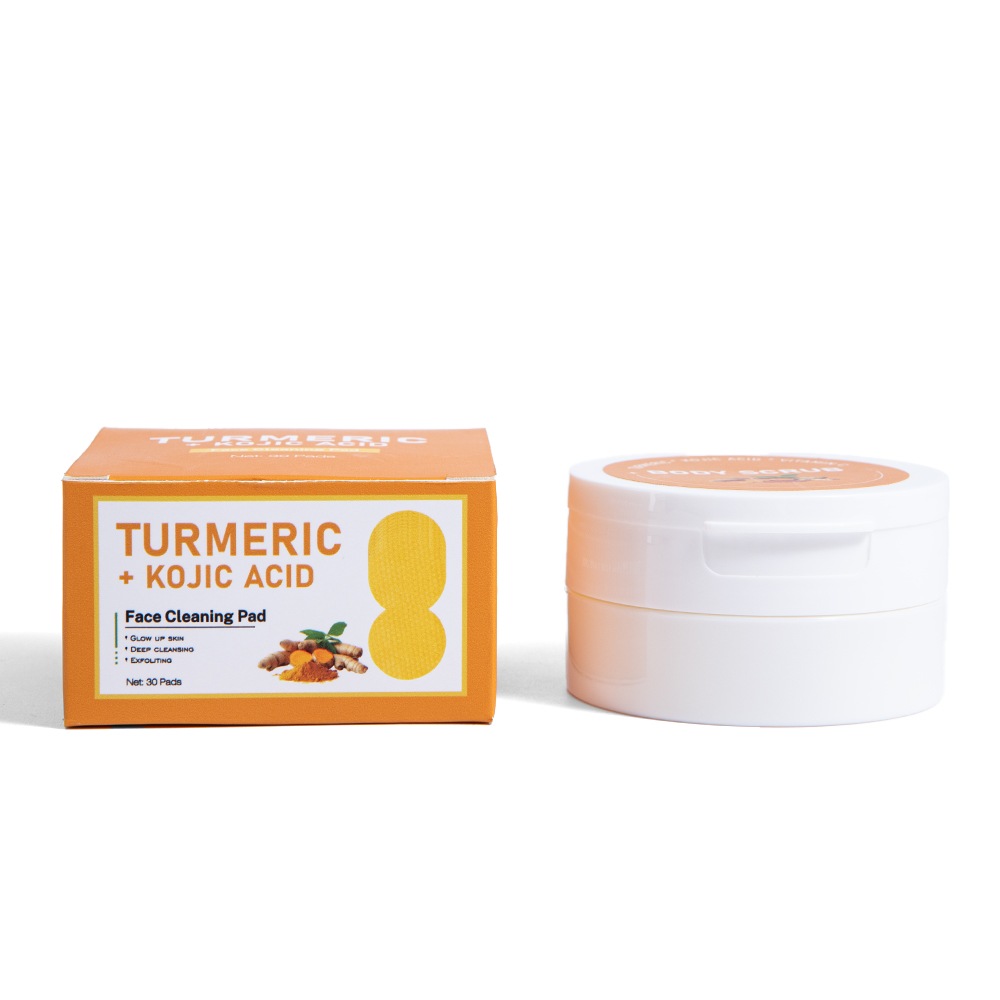
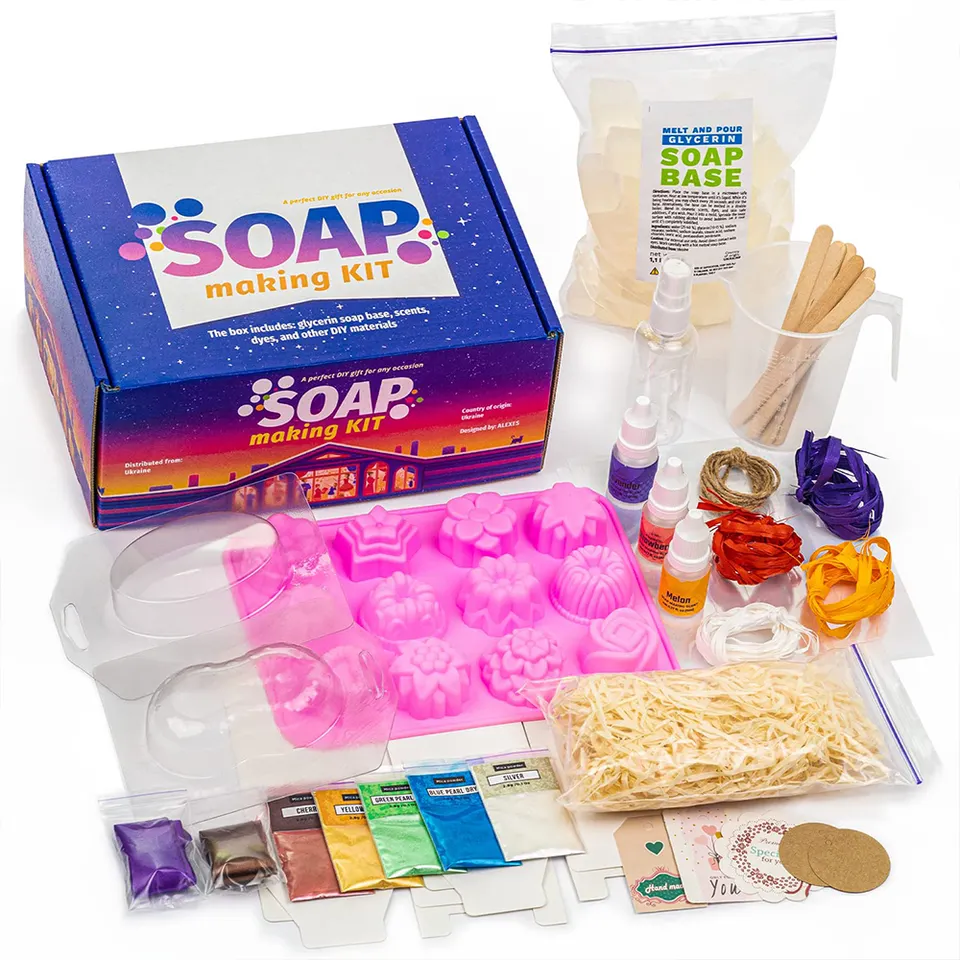
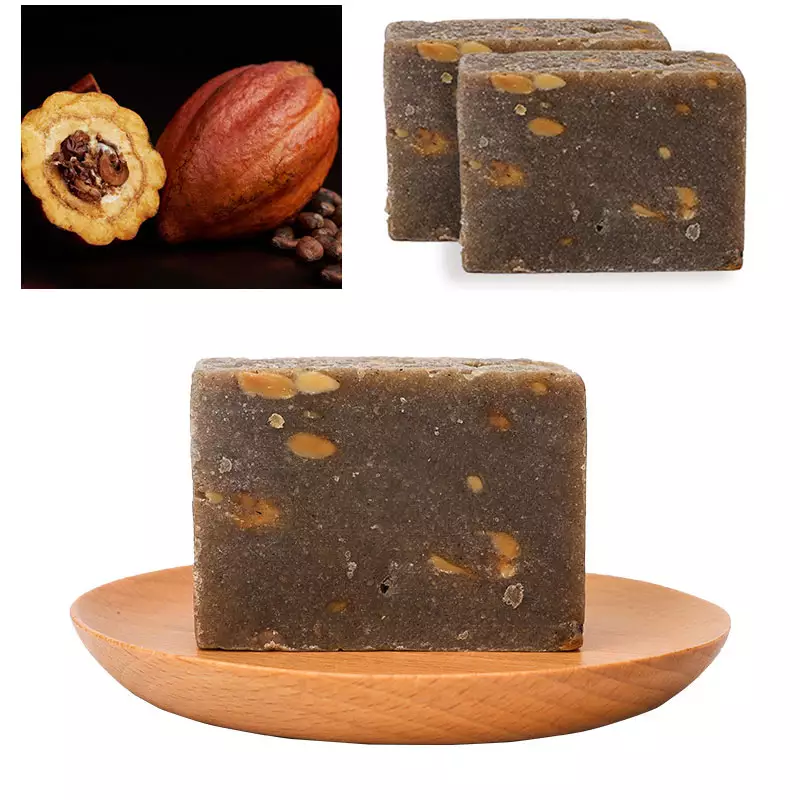
You have a vision for a soap brand that stands out — a brand with a unique story, premium ingredients, and packaging that catches every eye on the shelf. But you don't need a factory, a chemistry degree, or six figures in startup capital to make it happen.
Private label soap manufacturing is the fastest, most cost-effective path from concept to customer. This comprehensive guide walks you through every step — from market research to your first shipment — so you can launch with confidence and build a profitable business from day one.
Why Private Label Soap Is a Lucrative Business Opportunity
The global soap market was valued at over $42 billion in 2025 and continues to grow at a compound annual rate of approximately 5%, driven by rising consumer demand for natural, artisanal, and niche personal care products. This isn't a saturated commodity market — it's a landscape rich with opportunity for brands that know how to differentiate.
Private label soap offers entrepreneurs a powerful combination: low barriers to entry, high profit margins (often 50–70% at retail), and the ability to reach market in weeks rather than months. You skip the enormous capital expenditure of building production facilities and instead leverage the expertise of an established manufacturer.
| Factor | Private Label (OEM/ODM) | Manufacturing from Scratch |
|---|---|---|
| Startup Cost | $500 – $5,000 | $50,000 – $500,000+ |
| Time to Market | 8 – 16 weeks | 6 – 18 months |
| Technical Expertise Needed | Minimal — manufacturer handles formulation | Extensive — chemistry, safety, equipment |
| Scalability | High — scale orders as demand grows | Limited by facility capacity |
| Risk Level | Low | High |
The takeaway is clear: partnering with an experienced manufacturer lets you focus on what actually drives revenue — branding, marketing, and customer relationships. This soap business startup guide will show you exactly how.
Understanding the Private Label Soap Business Model
What Is Private Label Soap?
Private label soap manufacturing means a specialized manufacturer produces soap to your exact specifications — your formula, your scent, your shape — and packages it under your brand name. You own the brand; they handle the production.
There are two primary models to understand. OEM (Original Equipment Manufacturing) means you provide the exact formula and specifications, and the manufacturer produces it. ODM (Original Design Manufacturing) means the manufacturer also helps develop the product formulation and design — ideal if you're new to the industry.
Companies like Poleview Biotech Co., Ltd., a professional soap manufacturer based in Huizhou, Guangdong, China, offer both OEM and ODM services. This means whether you arrive with a complete product blueprint or just a rough concept, they can bring your vision to life without you needing to own a single piece of production equipment.
Private Label vs. White Label vs. Handmade — Which Path Is Right for You?
| Criteria | Private Label | White Label | Handmade (DIY) |
|---|---|---|---|
| Customization Level | High — formula, scent, shape, packaging | Low — pre-made products, your label only | Total — you control everything |
| Startup Cost | $500 – $5,000 | $200 – $2,000 | $1,000 – $10,000 |
| Scalability | Excellent | Good | Very limited |
| Time Investment | Low — manufacturer does the work | Very low | Extremely high |
| Ideal For | Serious entrepreneurs building a brand | Quick market testing | Hobbyists, farmers' market sellers |
White label soap products work for quick experiments, and handmade production suits artisan hobbyists. But for entrepreneurs who want a unique, scalable brand with real profit potential, private label is the clear winner. You get custom soap branding without the operational burden of manufacturing.
Step 1 — Research Your Niche and Target Market
Identifying Profitable Soap Niches
The most successful soap brands don't try to sell "soap to everyone." They dominate a specific niche. Here are high-demand categories worth exploring:
Organic & Natural Soap — plant-based, chemical-free formulations
Charcoal Detox Bars — popular in skincare-focused markets
Men's Grooming Bars — a rapidly growing segment
Baby & Sensitive Skin Soap — parents pay premium for gentle products
Medicated & Therapeutic Soap — anti-acne, eczema relief, antifungal
Luxury & Gift Soap — high-end packaging, premium ingredients
CBD-Infused Soap — trending in wellness markets (check local regulations)
Validate your niche using Google Trends, Amazon Best Sellers, and social listening tools like SparkToro. Look for niches with strong demand but room for a differentiated brand.
Defining Your Ideal Customer Profile
Build a detailed buyer persona before you spend a dollar on product development. Define their demographics (age, gender, income, location), pain points (sensitive skin, eco-consciousness, desire for luxury), and purchasing behavior (online vs. retail, price sensitivity, brand loyalty drivers).
A tightly defined customer profile lets you craft messaging that resonates deeply. It also guides every decision — from formulation and scent selection to packaging design and pricing strategy. Niche focus drives brand loyalty and justifies premium pricing.
Step 2 — Develop Your Brand Identity
Crafting a Memorable Brand Name and Story
Your brand name should be memorable, easy to spell, and evocative of your niche positioning. Check domain availability and trademark databases before falling in love with a name.
More importantly, craft a compelling brand story. Consumers don't just buy soap — they buy the narrative behind it. Were you inspired by your grandmother's natural remedies? A trip to a lavender farm in Provence? A frustration with harsh chemicals in mainstream products? Authentic storytelling is your most powerful marketing asset.
Designing Your Packaging and Labels
Packaging is your silent salesperson. Current trends favor minimalist design, eco-friendly materials (kraft paper, recyclable wrappers), and bold typography. Your packaging must also comply with regulatory requirements — the FDA requires ingredient lists (INCI names), net weight, manufacturer information, and proper cosmetic claims. EU Cosmetics Regulation has its own set of requirements for products sold in Europe.
The good news: ODM partners like Poleview Biotech can assist not only with product formulation but also with packaging guidance, helping you navigate design and compliance simultaneously. This streamlines the entire custom soap branding process.
Step 3 — Find the Right Private Label Soap Manufacturer
What To Look For in a Soap Manufacturing Partner
Your manufacturer is the backbone of your business. Choose wisely. Here's a checklist of critical evaluation criteria:
| Must-Have Qualities | Nice-to-Have Qualities |
|---|---|
| GMP and/or ISO certifications | In-house graphic design team |
| Proven product quality and consistency | Dropshipping or direct fulfillment services |
| Flexible minimum order quantities | Multilingual account managers |
| Both OEM and ODM capabilities | Eco-friendly production options |
| Willingness to provide free samples | Existing formulation library to choose from |
| Responsive communication (within 24 hours) | Experience with your specific target market |
| Transparent pricing with no hidden fees | Logistics and export documentation support |
| Open to factory visits | R&D for innovative ingredients |
Never commit to a large order without testing samples first. And always ask for references from existing clients — especially those in your target market.
Why Poleview Biotech Is a Trusted Private Label Soap Manufacturer
Poleview Biotech Co., Ltd. is a professional soap manufacturer headquartered in Huizhou, Guangdong Province, China, specializing in both OEM and ODM soap production for international brands. Whether you're a first-time entrepreneur or an established brand expanding your product line, Poleview is built to be your ideal manufacturing partner.
Here's what sets them apart:
Full OEM & ODM Services — Bring your own formula or collaborate with their R&D team to develop custom formulations from scratch
Flexible Minimum Order Quantities — Startup-friendly MOQs that let you test the market without massive upfront investment
High-Quality Products at Competitive Pricing — Rigorous quality control ensures consistency across every batch, while China-based manufacturing keeps your cost-per-unit low
Free Samples Available — Request samples to test lather, scent, texture, and skin feel before placing any order
Factory Visits Welcome — See the production process firsthand at their Huizhou facility. Transparency builds trust
Experienced with International Clients — Poleview understands export documentation, labeling requirements, and the expectations of global markets
Ready to explore your private label soap options? Contact Poleview Biotech today to request free samples and discuss your custom formulation needs. Their team is ready to help you turn your brand concept into a market-ready product.
Step 4 — Product Development and Sample Testing
Choosing Your Soap Formulations
Soap comes in many forms, and your choice should align with your niche and target customer. Common types include cold process (traditional, artisanal feel), melt and pour (versatile for creative designs), glycerin-based (transparent, moisturizing), and liquid soap (convenient, popular for dispensers).
Popular premium ingredients include shea butter, goat milk, activated charcoal, tea tree oil, colloidal oatmeal, and essential oils. An ODM manufacturer can propose proven formulations based on market trends or customize entirely based on your vision — this is where a partner like Poleview Biotech adds tremendous value.
Requesting and Evaluating Samples
Follow this process to ensure your product meets your standards:
Submit your brief — Share your target ingredients, scent preferences, bar size/shape, and any special requirements
Receive samples — Reputable manufacturers like Poleview Biotech provide free samples to reduce your startup risk
Test thoroughly — Evaluate lather quality, scent strength and longevity, skin feel after use, and bar durability
Gather external feedback — Share samples with people in your target audience and collect honest reviews
Iterate — Request reformulations if needed. Don't settle until the product is right
This testing phase is non-negotiable. Your product quality determines your brand reputation, customer retention, and review scores.
Step 5 — Handle Legal Requirements and Compliance
Business Registration and Licensing
Before selling, register your business entity (LLC is popular for liability protection), obtain necessary business licenses, and secure product liability insurance. Requirements vary significantly by country, state, and municipality — consult a local business attorney or accountant.
Product Safety and Labeling Regulations
In the United States, soap marketed with cosmetic claims falls under FDA cosmetic regulations. In the EU, products must comply with the EU Cosmetics Regulation (EC No 1223/2009), which requires a Cosmetic Product Safety Report. Proper ingredient disclosure using INCI nomenclature is mandatory in most markets.
Your manufacturer should provide Material Safety Data Sheets (MSDS/SDS) and Certificates of Analysis (COA) for every formulation. These documents are essential for customs clearance, regulatory compliance, and building buyer confidence.
Step 6 — Price Your Products for Profit
Pricing is where many new entrepreneurs stumble. You must account for all costs — not just the manufacturing price per bar. Here's a realistic pricing model:
| Cost Component | 500 Units | 2,000 Units | 5,000 Units |
|---|---|---|---|
| Manufacturing cost per bar | $1.80 | $1.30 | $0.95 |
| Packaging per bar | $0.50 | $0.35 | $0.25 |
| Shipping per bar (international) | $0.60 | $0.40 | $0.30 |
| Total COGS per bar | $2.90 | $2.05 | $1.50 |
| Suggested Retail Price | $8.99 | $8.99 | $8.99 |
| Gross Margin | 68% | 77% | 83% |
Notice how higher order volumes dramatically improve your margins. This is exactly why competitive manufacturer pricing — like what Poleview Biotech offers — directly impacts your bottom line. Even at startup volumes, private label soap manufacturing delivers healthy margins that fund growth.
Don't forget to factor in marketing costs, platform fees (Amazon takes ~15%), and returns when calculating your net profit.
Step 7 — Build Your Sales Channels and Launch
E-Commerce (Shopify, Amazon, Etsy)
Shopify gives you full brand control and the highest margins, but you drive all your own traffic. Amazon offers massive built-in demand but comes with steep fees and intense competition. Etsy is excellent for artisanal and handmade-positioned soap brands with a loyal niche audience.
Regardless of platform, invest in professional product photography, keyword-optimized listings, and compelling product descriptions that tell your brand story.
Wholesale, Retail, and Subscription Models
Approach boutique retailers, spas, hotels, and wellness centers with a professional line sheet and samples. These B2B channels move volume quickly and build brand credibility. Subscription box models — where customers receive curated soap selections monthly — create predictable recurring revenue that investors and lenders love.
Marketing Strategies That Drive Sales
Soap is inherently visual and sensory, making it perfect for social media marketing. Instagram and TikTok are your highest-ROI organic channels — showcase your soap's texture, lather, and packaging through short-form video content.
Complement social media with influencer partnerships (micro-influencers in skincare and wellness niches deliver excellent ROI), email marketing for customer retention, content marketing (blog posts about skincare tips and ingredient benefits), and targeted paid ads on Meta and Google once you've validated your messaging.
Common Mistakes To Avoid When Starting a Private Label Soap Business
Skipping sample testing — Never place a bulk order without thoroughly testing and approving samples first
Ignoring regulations — Non-compliant labeling can result in product seizures, fines, and lawsuits
Underpricing your products — Competing on price is a race to the bottom. Compete on brand value instead
Choosing a manufacturer solely on price — The cheapest option often means inconsistent quality, poor communication, and hidden costs
Neglecting branding and packaging — A great product in ugly packaging will lose to a mediocre product in beautiful packaging every time
Trying to serve everyone — A soap "for everyone" appeals to no one. Pick a niche and own it
Launching without a marketing plan — Build your audience and email list before your first shipment arrives
Frequently Asked Questions (FAQ)
How much does it cost to start a private label soap business?
Most entrepreneurs can launch with $500 to $5,000, depending on order volume, packaging complexity, and branding investment. Working with manufacturers that offer flexible MOQs — like Poleview Biotech — significantly lowers the financial barrier to entry, letting you start small and scale as revenue grows.
What is the minimum order quantity for private label soap?
MOQs vary widely. Some manufacturers require 1,000 or even 5,000 units minimum. However, partners like Poleview Biotech offer flexible minimum order quantities specifically designed for startups and small businesses, so you can test the market without overcommitting capital.
How do I find a reliable soap manufacturer in China?
Start by verifying certifications (GMP, ISO), then request product samples and evaluate quality firsthand. Check client references and online reviews. Most importantly, visit the factory if possible — it reveals everything about a manufacturer's professionalism and capacity. Poleview Biotech welcomes factory visits at their facility in Huizhou, Guangdong, China.
Is private label soap profitable?
Yes — retail margins typically range from 50% to 70% or higher, depending on your niche positioning and order volumes. The key to maximizing profitability is controlling your cost of goods through a competitive manufacturer while building strong brand equity that supports premium pricing.
Can I customize the ingredients and scent of my private label soap?
Absolutely. ODM manufacturers like Poleview Biotech develop custom formulations tailored to your exact specifications — including ingredients, fragrance blends, bar shape, color, and packaging. You can create a truly unique product that no competitor can replicate.
How long does it take to launch a private label soap brand?
From initial inquiry to first shipment, the typical timeline is 8 to 16 weeks. This includes formulation development, sample testing, packaging design, production, and shipping. Simpler formulations with existing molds can be faster, while fully custom projects may take longer.
Take the First Step — Launch Your Soap Brand Today
The private label soap industry offers a rare combination: low startup costs, high profit margins, growing consumer demand, and a straightforward path to market. The biggest variable in your success isn't the market — it's the actions you take right now.
You've read the soap business startup guide. You understand the model, the steps, and the pitfalls to avoid. The single most important decision you'll make is choosing the right manufacturing partner — one that delivers quality, flexibility, and reliability from your very first order.
Partner with Poleview Biotech Co., Ltd. — a professional soap manufacturer in Huizhou, Guangdong, China — and gain access to full OEM/ODM services, flexible minimum order quantities perfect for startups, competitive pricing that protects your margins, and a team experienced in serving international brands.
Here's how to get started today: