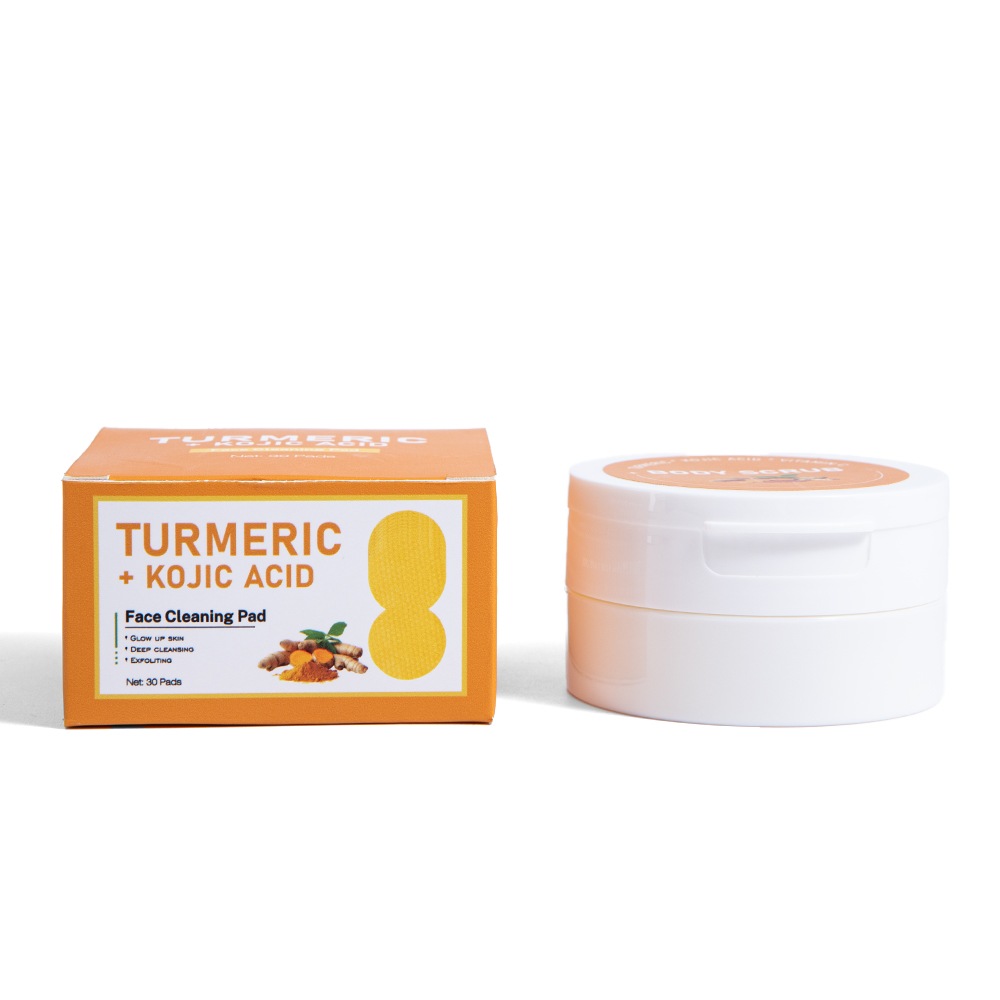
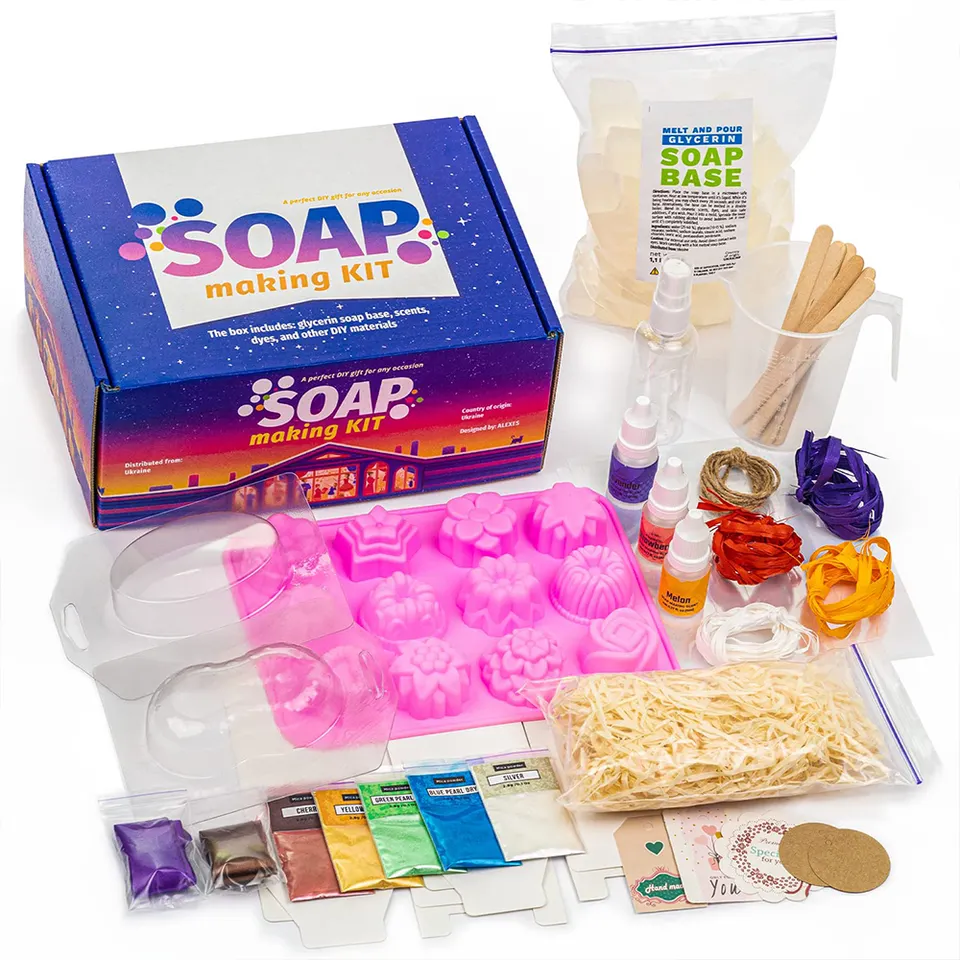
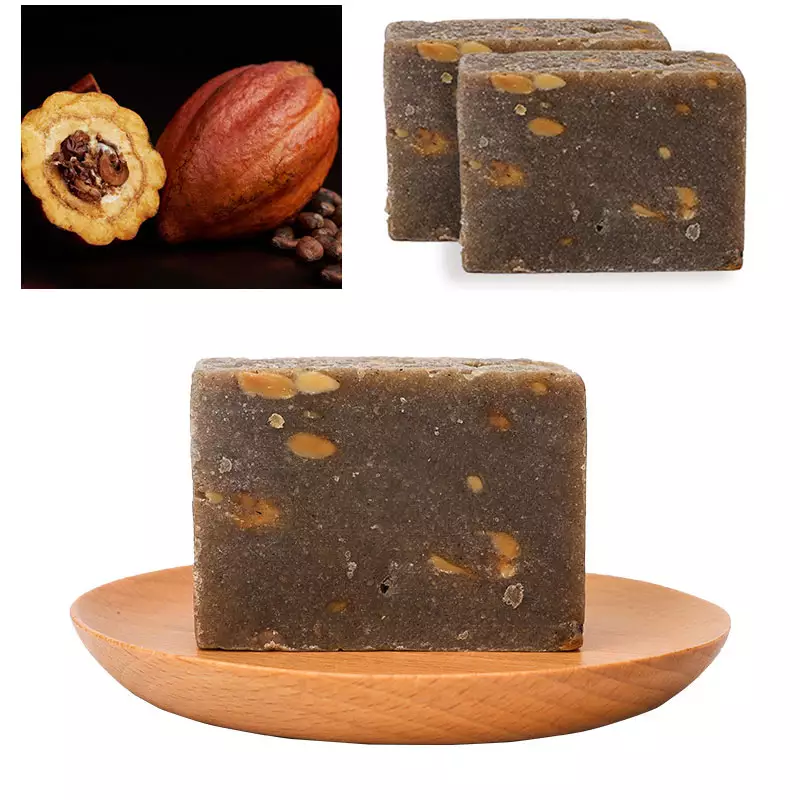
Private label is one of the most powerful business models available to entrepreneurs today. Yet confusion around the concept — and its many synonyms — keeps many founders on the sidelines. This guide breaks it down in plain terms, walks you through the process, and gives you a realistic picture of the opportunity.
Private Label Defined — The Business Model in Plain Terms
Private label means selling products manufactured by a third party under your own brand name. You don't build the factory. You don't invent the formula from scratch. Instead, you partner with a manufacturer, customize the product to your specifications, and bring it to market as yours.
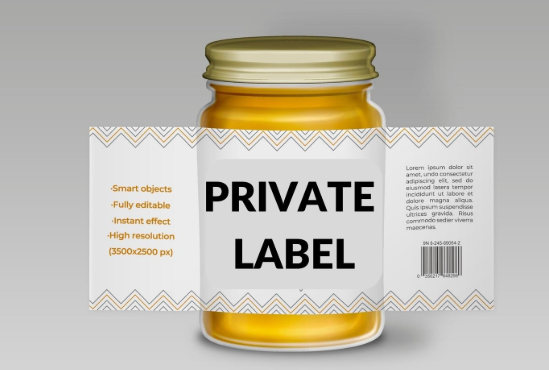
Think of Costco's Kirkland Signature or Target's Good & Gather. Those products are made by established manufacturers but sold exclusively under the retailer's brand. As an entrepreneur, you can do the same thing — at virtually any scale.
How Private Label Differs from White Label Products
The terms get used interchangeably, but they're not the same. White label products are generic, off-the-shelf goods that multiple companies can buy and rebrand. A white label skincare cream, for example, might be sold by dozens of different brands with nothing changed except the logo on the jar.
Private label goes further. You work with the manufacturer to customize the formulation, design, packaging, or features. The result is a product exclusive to your brand — not something ten competitors are also selling. This exclusivity is what creates real brand equity and defensible margins.
Private Label vs. Store Brand vs. Own Label Merchandise
You'll encounter overlapping terminology: store brand, private brand, own label merchandise. In practice, these terms describe the same fundamental model. A "store brand" typically refers to a retailer's in-house line. "Private brand manufacturing" is the industry term for the production side. "Own label merchandise" is common in European and UK markets.
The differences are contextual, not structural. If you're building a brand sold exclusively under your name using a contract manufacturer, you're in the private label business — regardless of which label the industry applies.
How Private Brand Manufacturing Actually Works
The process is more straightforward than most entrepreneurs expect. Here's how it works from idea to launch.
Finding and Vetting a Manufacturer
Start by identifying manufacturers that specialize in your product category. Common sourcing channels include Alibaba for overseas suppliers, ThomasNet for domestic U.S. manufacturers, and industry trade shows like Canton Fair or Natural Products Expo.
Due diligence is non-negotiable. Request business licenses, certifications, and client references. Ask about minimum order quantities (MOQs) — these typically range from 500 to 5,000 units for a first order. Always order samples before committing. Test them yourself, and consider third-party lab testing for consumable products.
Product Customization and Retail Branding
Customization exists on a spectrum. At the simplest end, you're placing your label on an existing product. At the other end, you're developing a fully custom formulation, unique mold, or proprietary design.
Your retail branding decisions directly impact margins and positioning. A basic relabeled product competes on price. A genuinely differentiated product — with custom ingredients, premium packaging, or a unique feature — commands higher prices and builds lasting brand loyalty. Choose your level of customization based on your budget and competitive strategy.
Packaging, Compliance, and Launch
Packaging is your first impression. Invest in professional design that communicates quality and aligns with your target customer's expectations. For consumables, ensure compliance with FDA labeling requirements and FTC advertising guidelines. Supplements, cosmetics, and food products each have specific regulatory frameworks.
For launch, most entrepreneurs choose between Amazon FBA, a Shopify storefront, or pitching to brick-and-mortar retailers. Many start with Amazon to validate demand before expanding to other channels.
Why Entrepreneurs Are Betting Big on Private Label
Higher Profit Margins Compared to Reselling
When you resell someone else's brand, you're typically looking at 10–25% margins after fees and competition drive prices down. With a private label product, margins of 40–70% are realistic because you control the cost of goods and set your own pricing without competing against other sellers listing the identical item.
Owning the brand fundamentally changes the economics. You're not a commodity reseller — you're a brand owner.
Full Control Over Branding and Customer Experience
Unlike dropshipping or wholesale reselling, private label gives you ownership of every customer touchpoint. You control pricing, packaging, product positioning, and the story you tell. This control lets you build a real brand — one that customers recognize, trust, and return to.
That brand equity compounds over time and becomes a sellable asset. Businesses built on reselling other people's products rarely command meaningful acquisition multiples.
Market Growth and Consumer Shift Toward Private Brands
The data is compelling. Private label products now account for over 20% of total U.S. retail sales, and the share continues to climb. Consumer trust in store brands and private brands has surged, driven by inflation-conscious shopping habits and improved product quality across categories.
Amazon's own private label expansion and the proliferation of direct-to-consumer brands on platforms like Shopify signal that this trend has structural momentum — not just cyclical tailwinds.
Top Product Categories for Private Label in 2026
Health, Beauty, and Supplements
This remains the highest-margin private label category. Consumers are willing to pay premium prices for skincare, vitamins, and wellness products from brands they trust. Barrier to entry is moderate — FDA compliance and quality testing add cost, but margins of 60–70% are common.
Home Goods and Kitchen Products
Kitchen tools, organizers, and home décor are evergreen categories with strong Amazon demand. Products are typically non-perishable with low regulatory burden. Margins range from 40–55%, and differentiation through design and packaging is straightforward.
Food and Beverage
Specialty foods — coffee, sauces, snacks, and health-focused beverages — offer strong private label potential. Regulatory requirements are higher, but consumer willingness to try new brands in this space makes it accessible. The key is finding a niche with passionate buyers.
Pet Products
Pet owners spend aggressively and show strong brand loyalty once they find products their animals respond to. Treats, grooming supplies, and accessories all work well as own label merchandise. The pet industry continues to grow at roughly 6–7% annually, creating a reliable tailwind.
Common Risks and Mistakes to Avoid
Quality Control Failures
Skipping factory audits and third-party testing is the fastest way to destroy a brand. One batch of defective products leads to negative reviews, returns, and potential liability. Budget for quality control from day one — it's cheaper than damage control.
Ignoring Legal and Trademark Protections
Register your trademark before you launch. Without it, competitors can copy your brand name, and you'll have limited legal recourse. Also secure product liability insurance — especially for consumables. IP protection is not optional; it's foundational.
Underestimating Marketing Costs
A private brand without a marketing budget is just inventory sitting in a warehouse. Plan to spend 15–30% of revenue on marketing in your first year. This includes Amazon PPC, social media advertising, influencer partnerships, and content creation. The product won't sell itself.
How to Start a Private Label Business — Quick-Start Checklist
- Choose your niche. Research demand, competition, and margin potential using tools like Jungle Scout or Helium 10.
- Source manufacturers. Contact at least 5–10 suppliers. Compare MOQs, pricing, certifications, and communication quality.
- Order and test samples. Evaluate quality, packaging durability, and shelf appeal. Get third-party testing for consumables.
- Develop your brand. Create a brand name, logo, and packaging design. Register your trademark.
- Ensure compliance. Verify labeling requirements, safety certifications, and regulatory standards for your product category.
- Choose your sales platform. Amazon FBA for built-in traffic, Shopify for brand control, or both.
- Place your first order. Start with the manufacturer's minimum order to limit risk while validating demand.
- Launch with a marketing plan. Allocate budget for PPC, social media, and email list building from day one.
- Collect feedback and iterate. Use customer reviews and sales data to improve the product and expand your line.
Frequently Asked Questions (FAQ)
What is the difference between private label and white label?
Private label products are customized and sold exclusively under one brand. White label products are generic, pre-made goods that multiple companies can purchase and rebrand with minimal changes. Private label offers greater differentiation and brand protection; white label is faster and cheaper to launch.
How much money do I need to start a private label business?
Startup costs typically range from $1,000 to $15,000+, depending on your product category, order volume, and customization level. A simple relabeled product with low MOQs can start under $2,000. Custom-formulated supplements or electronics will require significantly more upfront investment.
Can I sell private label products on Amazon?
Yes. Amazon FBA is one of the most popular channels for private label sellers. You ship your inventory to Amazon's warehouses, and they handle storage, shipping, and customer service. You'll need a Professional Seller account, compliant product listings, and a UPC barcode for each product. Amazon's Brand Registry program offers additional tools and protections for registered trademark owners.
Is private label manufacturing profitable?
Private label margins typically range from 40–70% depending on the product category and pricing strategy. However, profitability depends on several factors: marketing costs, competition intensity, return rates, and your ability to differentiate. Entrepreneurs who invest in quality products and strategic marketing consistently see strong returns. Those who cut corners on either rarely survive.
How do I find a reliable private label manufacturer?
Start with established sourcing platforms like Alibaba, ThomasNet, or Global Sources. Attend trade shows for face-to-face vetting. Key criteria include verified certifications (ISO, GMP, FDA registration), transparent communication, willingness to provide references, and reasonable MOQs. Red flags include reluctance to share factory details, unusually low pricing, and pressure to skip sample testing. Always verify before you commit capital.