White labeling has evolved from a niche retail tactic into one of the most powerful growth strategies across virtually every industry. Yet despite its prevalence, confusion persists among practitioners about what it actually entails, how it differs from adjacent models, and how to execute it effectively.
This guide delivers a comprehensive, practitioner-focused breakdown of white labeling — its mechanics, strategic advantages, risk profile, and a step-by-step launch framework.
Defining White Labeling in Modern Commerce
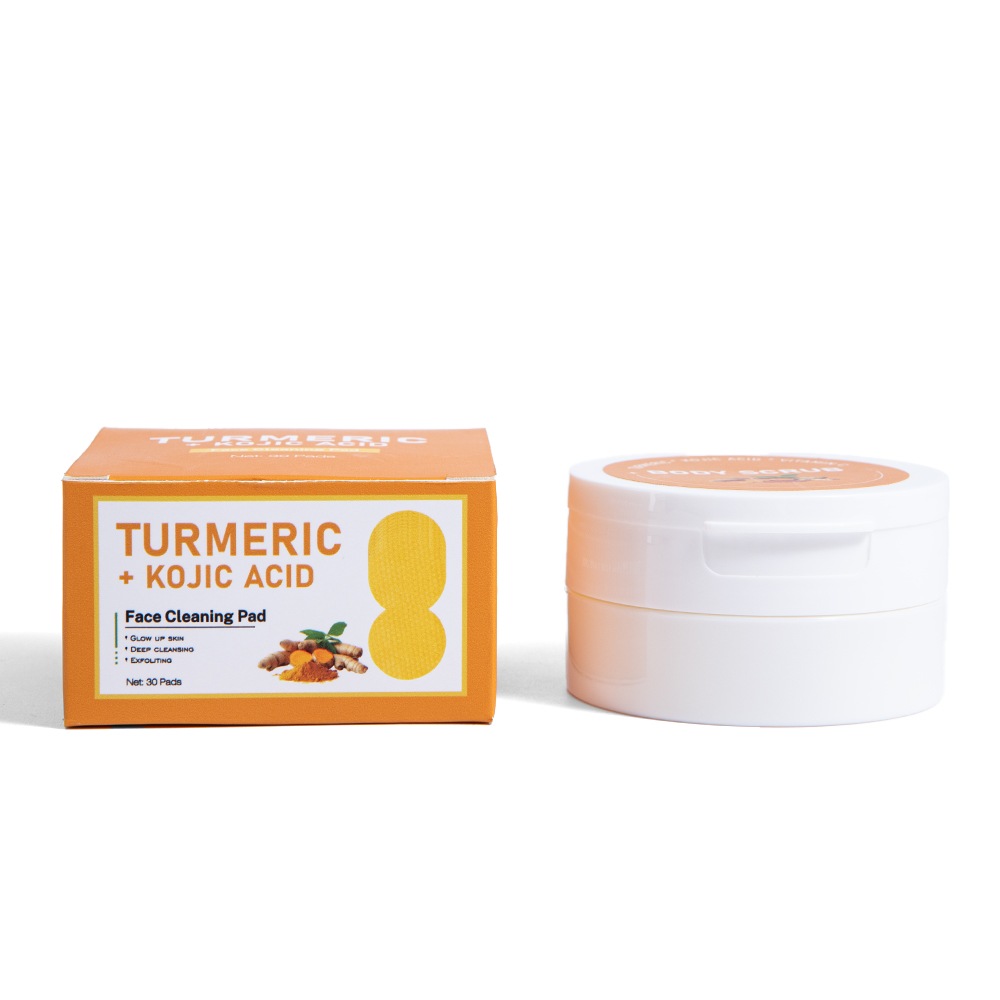
White labeling is the practice where one company manufactures a product or develops a service, and another company purchases it, applies its own branding, and sells it as its own. The original producer remains invisible to the end consumer.
The core mechanism is straightforward: the manufacturer creates, the reseller brands. This arrangement enables companies to offer fully branded products without investing in production infrastructure, R&D, or specialized technical expertise.
White Labeling vs. Private Labeling vs. OEM Manufacturing
These three terms are frequently — and incorrectly — used interchangeably. Understanding the distinctions is critical for making informed sourcing decisions.
| Model | Customization Level | Exclusivity | Typical Use Case |
|---|---|---|---|
| White Labeling | Minimal (branding only) | Non-exclusive; sold to multiple resellers | SaaS platforms, generic supplements, marketing tools |
| Private Labeling | Moderate to high (formula, features, packaging) | Exclusive to one retailer | Grocery store brands, exclusive cosmetics lines |
| OEM Manufacturing | High (components built to spec) | Varies by contract | Automotive parts, electronics components |
In short, white label products are generic and available to many buyers. Private labeling involves custom-manufactured products exclusive to a single retailer. OEM manufacturing produces components that integrate into another company's final product.
How Third-Party Branding Actually Works
The operational flow begins with a manufacturer developing a market-ready product or service. Resellers then enter a contractual agreement granting them branding rights — the ability to apply their own logo, packaging, color schemes, and identity to the product.
The end consumer interacts exclusively with the reseller's brand. They purchase, receive support, and build loyalty with the reseller — typically never learning the identity of the original manufacturer. This brand reselling model depends on clear contractual terms governing quality standards, intellectual property, territorial rights, and confidentiality.
Why White Labeling Has Become a Dominant Business Strategy
The global white label market has experienced significant acceleration, particularly in SaaS, fintech, consumer goods, and health and wellness sectors. According to recent industry analyses, the white label product market is projected to exceed $80 billion globally by 2027, driven by digital transformation and the proliferation of direct-to-consumer brands.
Three primary forces are fueling this growth.
Speed to Market Without R&D Investment
Traditional product development cycles span months or years. White labeling compresses that timeline to weeks. A fintech startup can launch a fully branded payment platform without writing a single line of code. A wellness brand can introduce a supplement line without building a laboratory.
This speed advantage is especially critical in fast-moving markets where first-mover positioning determines long-term viability.
Cost Efficiency and Scalability
By leveraging existing white label products, companies eliminate manufacturing overhead, reduce staffing requirements, and avoid capital-intensive equipment investments. The financial model is compelling: variable costs replace fixed costs, and product lines scale without proportional expense increases.
For companies operating on lean budgets, this cost structure can mean the difference between market entry and indefinite delay.
Focus on Core Competencies
White labeling allows organizations to concentrate resources on what they do best — whether that's marketing, customer acquisition, distribution logistics, or relationship management. Production and technical development are outsourced to specialists with established expertise and infrastructure.
This division of labor creates a more efficient value chain where each participant operates within their zone of excellence.
Industries Where White Label Products Thrive
White labeling's versatility extends far beyond traditional retail. Here are the sectors where it has become deeply embedded.
SaaS and Technology
White label software platforms represent one of the fastest-growing segments. CRM tools, payment gateways, website builders, email marketing platforms, and AI-powered analytics dashboards are all available as white label solutions that companies rebrand and resell to their own clients.
This model is particularly prevalent among agencies and consultancies seeking to offer technology products under their own brand umbrella.
Financial Services and Fintech
Neobanks, lending platforms, and investment apps frequently rely on third-party branding infrastructure. White label banking-as-a-service (BaaS) providers supply the regulatory compliance, core banking technology, and payment processing rails — while the customer-facing brand handles acquisition and experience.
This approach has dramatically lowered the barrier to launching financial products, a sector historically defined by prohibitive regulatory and capital requirements.
Consumer Packaged Goods and Retail
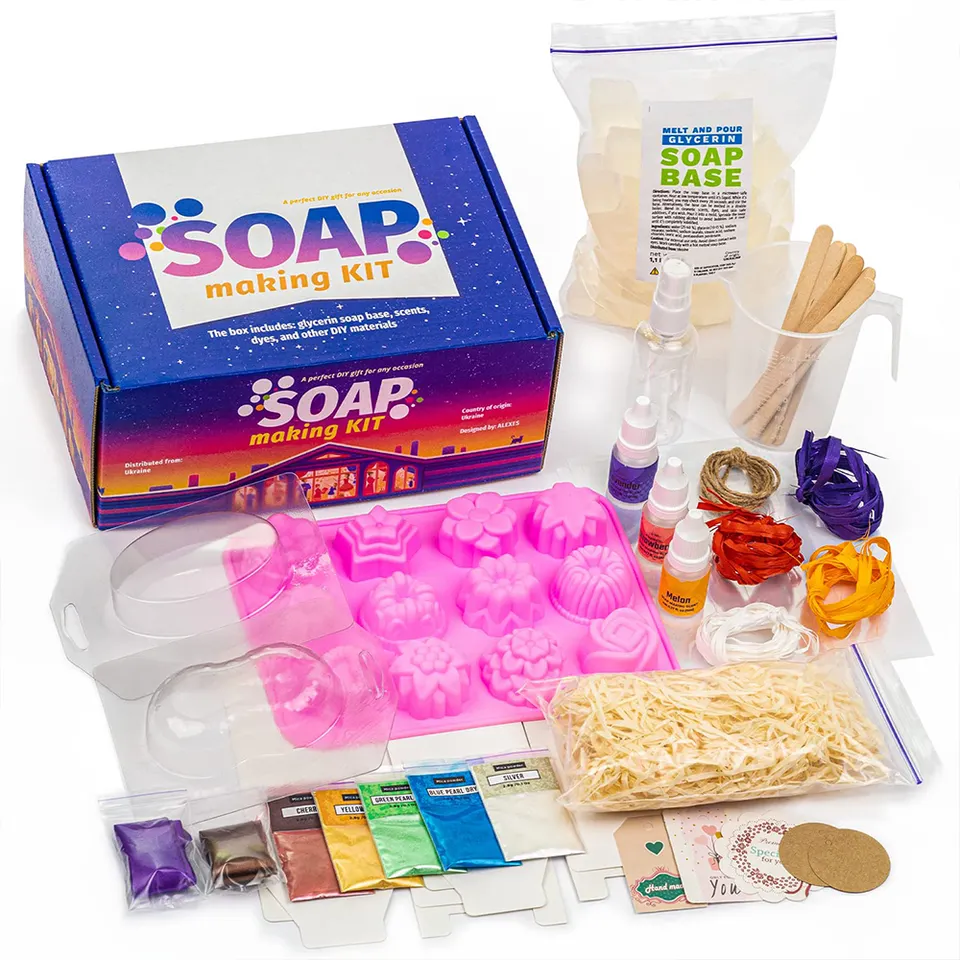
This is the traditional heartland of both white labeling and private labeling. Grocery store brands, cosmetics, dietary supplements, cleaning products, and household essentials are commonly produced by large-scale manufacturers and sold under dozens of different retail brands.
Digital Marketing and Agency Services
Marketing agencies increasingly white label SEO services, PPC management, content creation, web development, and social media management. This allows agencies to expand their service portfolios without hiring specialists for every discipline — a strategy that has reshaped the agency business model.
Benefits and Risks of White Labeling
A balanced assessment of the strategic trade-offs is essential for informed decision-making.
Key Advantages for Resellers
- Lower barrier to entry: No manufacturing expertise or infrastructure required
- Rapid portfolio expansion: Add new product categories in weeks, not years
- Brand equity building: Customers associate product quality with your brand
- Reduced operational complexity: Focus on sales, marketing, and customer experience
- Proven products: Leverage solutions already tested and validated in the market
Key Advantages for Manufacturers
- Guaranteed volume: Multiple brand reselling partners create predictable demand
- Diversified revenue streams: Reduced dependency on any single client or channel
- Lower marketing costs: Resellers handle customer-facing promotion
- Economies of scale: Serving multiple partners drives production efficiency
Risks and Challenges to Consider
Quality control dependency: Your brand reputation rests on a partner's production standards. Mitigation: Implement rigorous sample testing, contractual quality benchmarks, and periodic audits.
Limited product differentiation: Competitors may sell identical products under different brands. Mitigation: Differentiate through superior customer experience, packaging, bundling, and support.
Brand reputation vulnerability: A manufacturer's failure — recalls, contamination, outages — directly impacts your brand. Mitigation: Diversify suppliers and maintain contingency plans.
Margin compression: Multiple resellers competing on price can erode profitability. Mitigation: Build brand value that justifies premium pricing beyond commodity competition.
How to Launch a White Label Product or Service
For practitioners ready to execute, here is a proven four-step framework.
Step 1 — Identify Market Demand and Product-Market Fit
Begin with rigorous market research. Validate that genuine demand exists for the product category within your target audience. Ensure the white label offering aligns with your existing brand positioning — a misaligned product erodes trust faster than no product at all.
Step 2 — Vet and Select the Right Manufacturing or Service Partner
Due diligence is non-negotiable. Evaluate candidates against quality certifications, production capacity, regulatory compliance, communication responsiveness, and verifiable references. Request samples, review SLAs, and assess financial stability before committing.
Step 3 — Customize Branding and Packaging
The goal is to make white label products feel authentically yours. Invest in professional visual identity, packaging design, user experience customization, and branded documentation. In SaaS contexts, this extends to custom domains, color schemes, onboarding flows, and support portals.
Step 4 — Establish Pricing, Distribution, and Support Infrastructure
Conduct thorough margin analysis to ensure sustainable profitability. Define your channel strategy — direct-to-consumer, B2B, marketplace, or hybrid. Build customer support readiness before launch, and ensure your SLAs with the white label provider align with the promises you make to your customers.
Frequently Asked Questions (FAQ)
Is white labeling legal?
Yes. White labeling is a fully legitimate and widely practiced business model. It is governed by contractual agreements between manufacturers and resellers that define branding rights, quality standards, territorial restrictions, and intellectual property terms. Thousands of companies across every major industry operate under this model.
What is the difference between white labeling and dropshipping?
White labeling involves rebranding products under your own brand identity — the customer sees your logo, your packaging, and your name. Dropshipping, by contrast, typically sells products under the manufacturer's or a generic brand without meaningful customization. White labeling builds brand equity; dropshipping generally does not.
Can small businesses benefit from white label products?
Absolutely. White labeling is one of the most accessible growth strategies for startups and small enterprises precisely because it lowers the capital and expertise barriers. A small business can launch a branded product line with minimal upfront investment, testing market viability before committing to larger-scale operations.
How do I ensure quality control with a white label partner?
Implement a multi-layered approach: request and test product samples before signing contracts, define explicit quality benchmarks and specifications in your agreements, conduct periodic audits (announced and unannounced), and establish clear SLAs with penalty clauses for non-compliance. Never rely solely on a partner's self-reported quality metrics.
What industries are seeing the fastest growth in white labeling as of 2026?
SaaS platforms, fintech infrastructure, AI-powered tools, health and wellness supplements, and sustainable consumer goods are among the fastest-growing white label sectors. The convergence of digital transformation, consumer demand for branded experiences, and the rising cost of in-house development continues to accelerate adoption across these verticals.
Does white labeling hurt brand authenticity?
Not inherently. Brand authenticity depends on execution, not production origin. Success requires selecting high-quality partners, adding genuine value through customer experience and support, and maintaining consistent brand standards across every touchpoint. Many of the world's most trusted brands leverage white label and OEM manufacturing partnerships — their customers never question authenticity because the experience is consistently excellent.