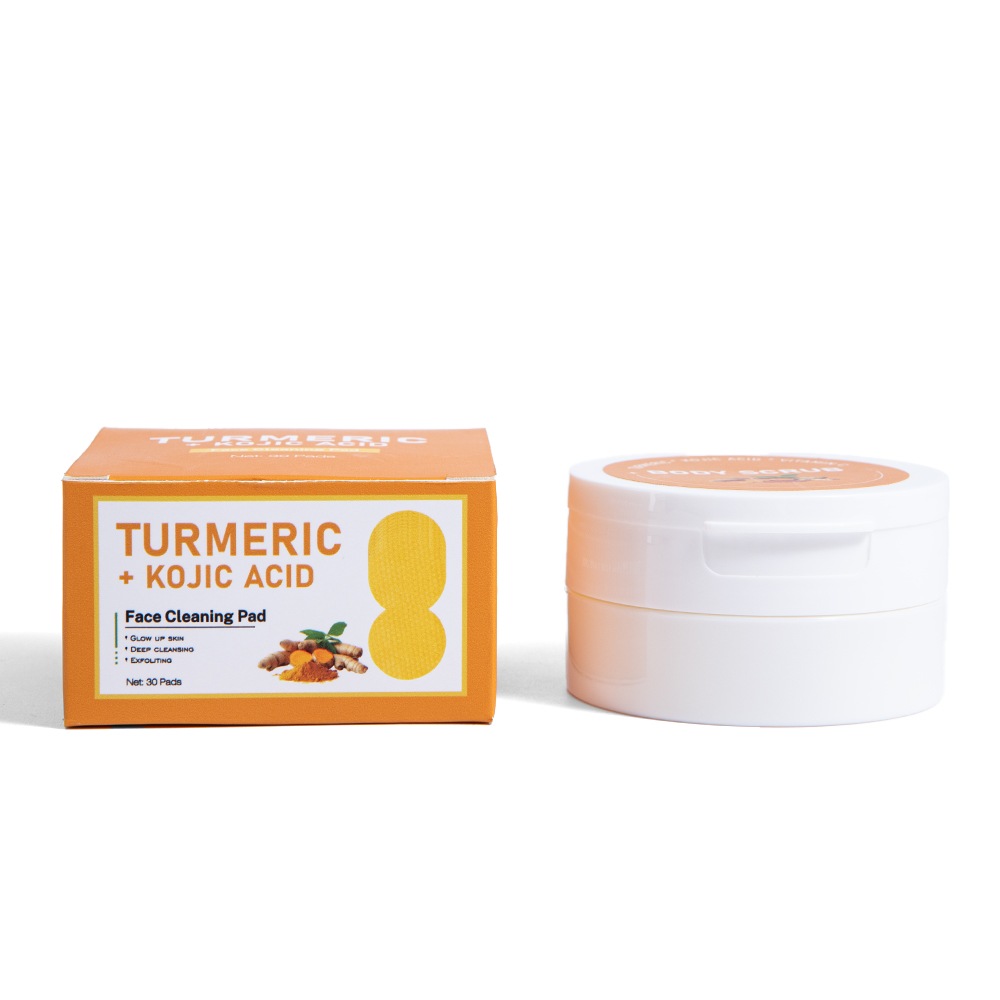
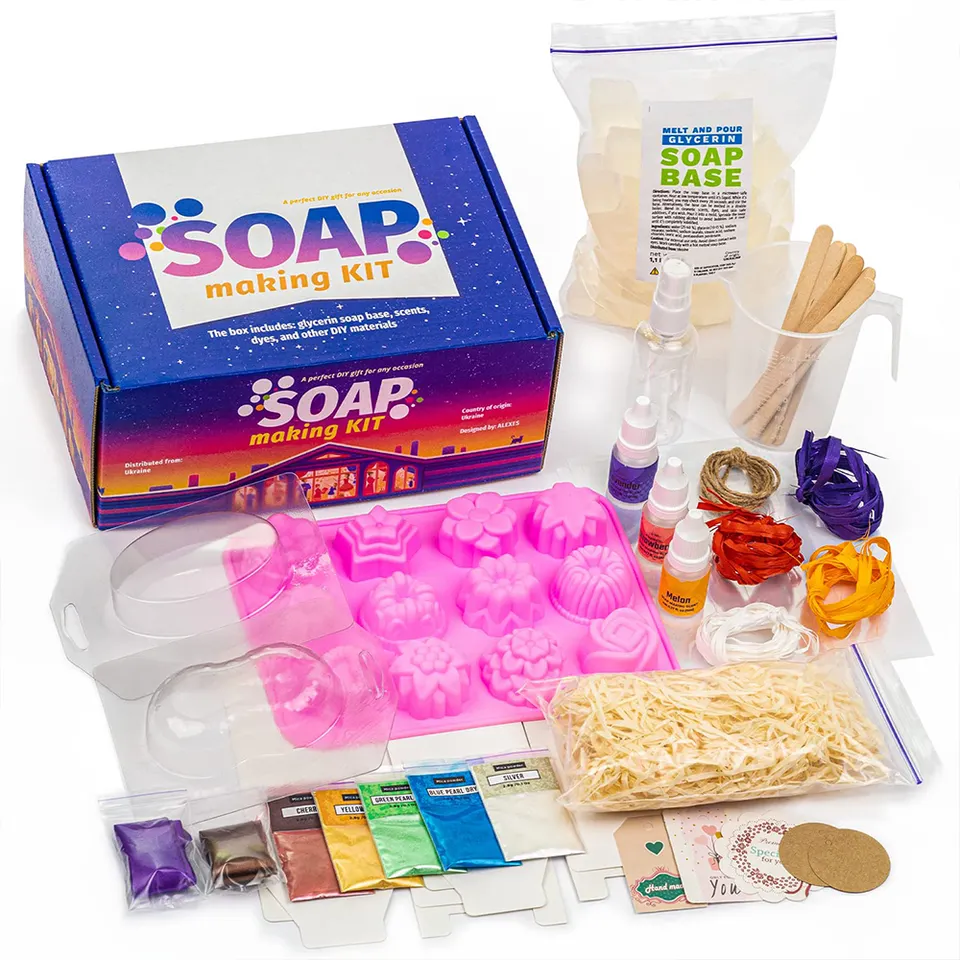
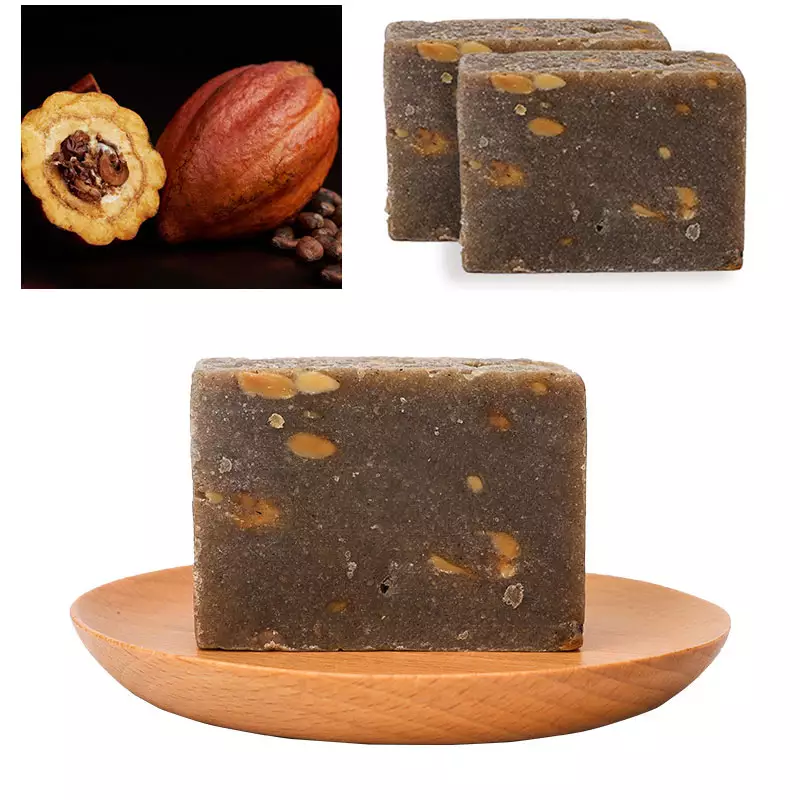
Turmeric has been a cornerstone of traditional skincare for centuries, prized across South Asian and Southeast Asian cultures for its ability to clarify and brighten the complexion. Today, turmeric soap brings those same time-tested properties into a convenient daily cleanser — but what does it actually do for your skin?
This guide breaks down the science behind curcumin-infused cleansing bars, who benefits most, and what realistic results look like with consistent use.
Understanding Turmeric Soap
What Is Turmeric Soap?
Turmeric soap is a cleansing bar infused with turmeric extract or powder, delivering the spice's active compound — curcumin — directly to the skin during washing. Unlike regular soap that simply removes dirt and oil, turmeric-based bars provide targeted therapeutic action with every lather.
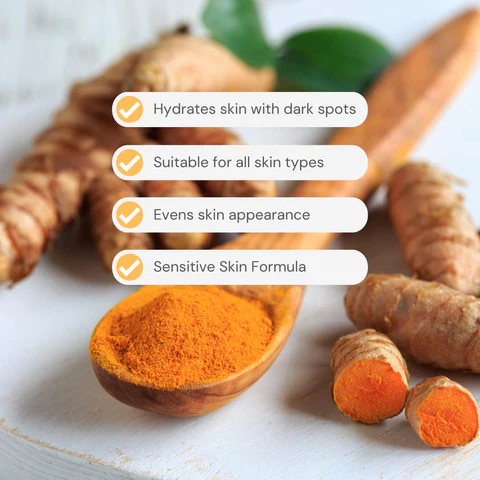
Most formulations combine curcumin with a nourishing soap base (often coconut oil, olive oil, or shea butter) to cleanse without stripping the skin's natural moisture barrier. The result is a multitasking bar that cleanses, treats, and protects simultaneously.
How Curcumin Works on Skin
Curcumin delivers turmeric skin benefits through three primary mechanisms. First, it acts as a potent antioxidant, neutralizing free radicals that accelerate aging and cellular damage. Second, it suppresses inflammatory pathways (specifically NF-κB signaling), which calms redness and irritation at the molecular level.
Third — and perhaps most relevant for complexion concerns — curcumin regulates tyrosinase activity, the enzyme responsible for melanin production. By modulating this process, it helps prevent excess pigment from forming without disrupting normal skin function.
Key Benefits of Turmeric Soap
Natural Skin Brightening
One of the most sought-after effects of turmeric soap is natural skin brightening without the risks associated with hydroquinone or chemical bleaching agents. Curcumin gently inhibits overactive melanin synthesis while promoting the shedding of dull, pigmented surface cells.
With consistent use, skin appears more luminous and even-toned. The brightening effect is gradual and cumulative — think of it as revealing your skin's natural radiance rather than artificially lightening it.
Hyperpigmentation Treatment
Dark Spots & Melasma
For those dealing with post-inflammatory hyperpigmentation — the dark marks left behind after acne, cuts, or irritation — curcumin offers a gentle fading mechanism. It interrupts the overproduction of melanin at the source, gradually reducing the intensity of stubborn spots.
Research published in Phytotherapy Research has demonstrated curcumin's ability to downregulate melanogenesis, making it a viable complementary approach for melasma management alongside professional treatments.
Uneven Skin Tone
Sun damage, hormonal fluctuations, and chronic low-grade inflammation all contribute to patchy, uneven complexions. Because turmeric soap functions as an anti-inflammatory soap, it addresses the underlying irritation that triggers reactive pigmentation.
Over time, this dual action — calming inflammation while regulating pigment — creates a more uniform skin tone across the face and body.
Acne & Blemish Control
Antibacterial Properties
Using turmeric for acne works partly through its documented antibacterial activity against Cutibacterium acnes, the bacteria implicated in inflammatory breakouts. Curcumin disrupts bacterial membranes, reducing the microbial load on skin without the resistance concerns associated with antibiotic treatments.
Additionally, its anti-inflammatory action reduces the redness and swelling that make active breakouts so visible and painful.
Reducing Acne Scarring
Beyond active breakouts, turmeric soap supports scar healing by promoting healthy cell turnover and collagen remodeling. Curcumin has been shown to modulate TGF-beta signaling, which influences how scar tissue forms during the wound-healing process.
This means fewer raised or discolored marks left behind after blemishes resolve — particularly beneficial for those prone to post-acne hyperpigmentation on darker skin tones.
Anti-Inflammatory & Soothing Effects
For skin conditions characterized by chronic inflammation — including eczema flare-ups, rosacea redness, and general sensitivity — turmeric soap provides daily calming support. Curcumin suppresses pro-inflammatory cytokines like IL-6 and TNF-alpha directly at the skin level.
Many users report reduced redness and less reactive skin within the first few weeks. This makes it a useful addition for anyone whose skin tends toward irritation, itching, or flushing.
Anti-Aging Support
Free radical damage from UV exposure, pollution, and metabolic processes drives premature aging — fine lines, loss of elasticity, and dull texture. Curcumin's antioxidant capacity rivals that of vitamin E in neutralizing these reactive oxygen species.
While turmeric soap alone won't replace retinol or professional treatments, it provides a protective antioxidant layer during daily cleansing that supports long-term skin resilience and firmness.
Who Should Use Turmeric Soap?
Best Skin Types for Turmeric Soap
Oily and combination skin types tend to respond best, as turmeric's mild astringent properties help balance sebum without over-drying. Those with hyperpigmentation-prone skin — particularly medium to deeper skin tones that scar easily — often see the most dramatic improvements.
It's also well-suited for anyone dealing with dullness, uneven texture, or mild-to-moderate acne who prefers botanical-based solutions over synthetic actives.
Who Should Avoid It
People with very sensitive or compromised skin barriers should patch-test first, as curcumin can occasionally cause contact irritation in reactive individuals. Those with known allergies to turmeric or plants in the ginger family (Zingiberaceae) should avoid it entirely.
Additionally, the natural yellow pigment can temporarily stain very fair skin or porous surfaces. If staining is a concern, start with lower-concentration formulas or limit contact time.
How to Use Turmeric Soap Effectively
Recommended Routine
- Frequency: Once daily (evening) for beginners; twice daily once tolerance is established
- Lather time: Allow the lather to sit on skin for 30–60 seconds before rinsing to maximize curcumin absorption
- Follow with: A hydrating moisturizer to lock in benefits, plus broad-spectrum SPF 30+ in the morning (essential, as brightening actives increase photosensitivity)
For body use — particularly on areas with hyperpigmentation like elbows, knees, or underarms — you can leave the lather on for up to two minutes before rinsing.
Tips to Avoid Staining
- Rinse thoroughly with lukewarm water until no yellow residue remains
- Use a dedicated dark-colored washcloth to prevent fabric staining
- Apply a thin layer of moisturizer or oil before use if your skin tends to absorb pigment
- Keep the bar on a well-draining soap dish away from light-colored surfaces
Any temporary yellow tint on skin typically fades within 15–30 minutes after thorough rinsing. Toner or micellar water can remove lingering traces quickly.
What Results to Expect
Timeline for Visible Changes
| Timeframe | Expected Changes |
|---|---|
| Week 1–2 | Reduced redness, calmer skin, slight glow |
| Week 3–4 | Noticeable brightening, fewer active breakouts |
| Week 5–8 | Fading dark spots, more even skin tone |
| Month 3+ | Significant improvement in hyperpigmentation and overall clarity |
Results vary based on skin type, concern severity, and product concentration. Consistency matters more than intensity — daily use of a moderate-strength bar outperforms sporadic use of a concentrated one.
Limitations
Turmeric soap is a supportive skincare tool, not a medical treatment. It cannot resolve deep cystic acne, severe melasma, or structural scarring on its own. These conditions require dermatological intervention — prescription retinoids, chemical peels, or laser therapy.
It also won't produce overnight results. Anyone promising dramatic changes within days is overstating what curcumin can deliver topically through a wash-off product. Set realistic expectations and treat it as one component of a well-rounded routine.
How to Choose a Quality Turmeric Soap
Ingredients to Look For
Prioritize bars that list turmeric extract or curcumin high on the ingredient list — not buried at the bottom. Higher curcumin concentration means more active benefit per wash.
Complementary ingredients that enhance results include:
- Kojic acid — amplifies brightening effects
- Vitamin C — additional antioxidant and collagen support
- Shea butter or glycerin — prevents dryness from daily cleansing
- Niacinamide — strengthens barrier function and reduces pore appearance
Ingredients to Avoid
Steer clear of formulas loaded with synthetic fragrances, parabens, sulfates (SLS/SLES), and artificial colorants. These can irritate skin, disrupt the microbiome, and counteract the anti-inflammatory benefits you're seeking from turmeric in the first place.
Also be wary of bars that rely on artificial yellow dye to mimic turmeric's color rather than containing meaningful amounts of the actual extract. Check for real turmeric-derived ingredients — not just cosmetic coloring designed to look natural.