Natural skincare is having a major moment — and for good reason. More people are ditching mystery-ingredient products in favor of simple, kitchen-friendly recipes they can trust. At the center of this movement sits one golden spice that's been a beauty secret for centuries: turmeric.
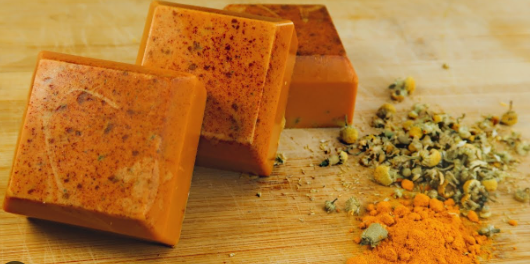
Whether your grandmother swore by turmeric face masks or you've just started seeing it pop up in your social media feed, this vibrant ingredient has earned its place in skincare. Today, you'll learn exactly how to make your own turmeric soap at home — no chemistry degree required.
We'll cover the real skin benefits, walk through a beginner-friendly turmeric soap recipe using the melt and pour method, and share pro tips so your first batch turns out beautifully. Let's get started.
Why Turmeric Soap Is Worth Making
Turmeric Skin Benefits Backed by Tradition and Science
Turmeric's magic comes from curcumin, the active compound responsible for its deep golden color. Curcumin is a well-documented anti-inflammatory and antioxidant, which means it helps calm redness, fight free radical damage, and support healthier-looking skin overall.
Many people turn to turmeric to help brighten skin tone and reduce hyperpigmentation — those stubborn dark spots from sun damage or acne scars. It's also known to soothe irritated, acne-prone skin without being overly harsh.
The best part? Turmeric is gentle enough for most skin types, making it an excellent ingredient for a daily-use soap bar. These turmeric skin benefits are why it's been a staple in Ayurvedic and South Asian beauty rituals for thousands of years.
Homemade vs. Store-Bought: Why DIY Wins
When you make homemade turmeric soap, you have full control over every ingredient that touches your skin. No synthetic fragrances, no questionable preservatives, no harsh sulfates — just clean, simple ingredients you can pronounce.
It's also surprisingly cost-effective. A single pound of melt and pour soap base yields multiple bars, and a bag of organic turmeric powder lasts for dozens of batches. Plus, you can customize each batch to target your specific skin concerns.
And let's not forget — handmade turmeric soap bars make thoughtful, beautiful gifts that people genuinely love receiving.
What You'll Need: Ingredients and Tools
Ingredients Table
| Ingredient | Amount | Purpose |
|---|---|---|
| Melt and pour soap base (shea butter or goat's milk) | 1 lb (450g) | Foundation of the soap |
| Turmeric powder (organic) | 1–2 tsp | Key active ingredient for skin brightening |
| Coconut oil | 1 tbsp | Moisturizing agent |
| Honey (raw) | 1 tsp | Antibacterial properties and natural humectant |
| Essential oil (tea tree or lavender) | 10–15 drops | Fragrance and added skin benefits |
| Vitamin E oil | 1 tsp (optional) | Antioxidant preservation |
Tools Checklist
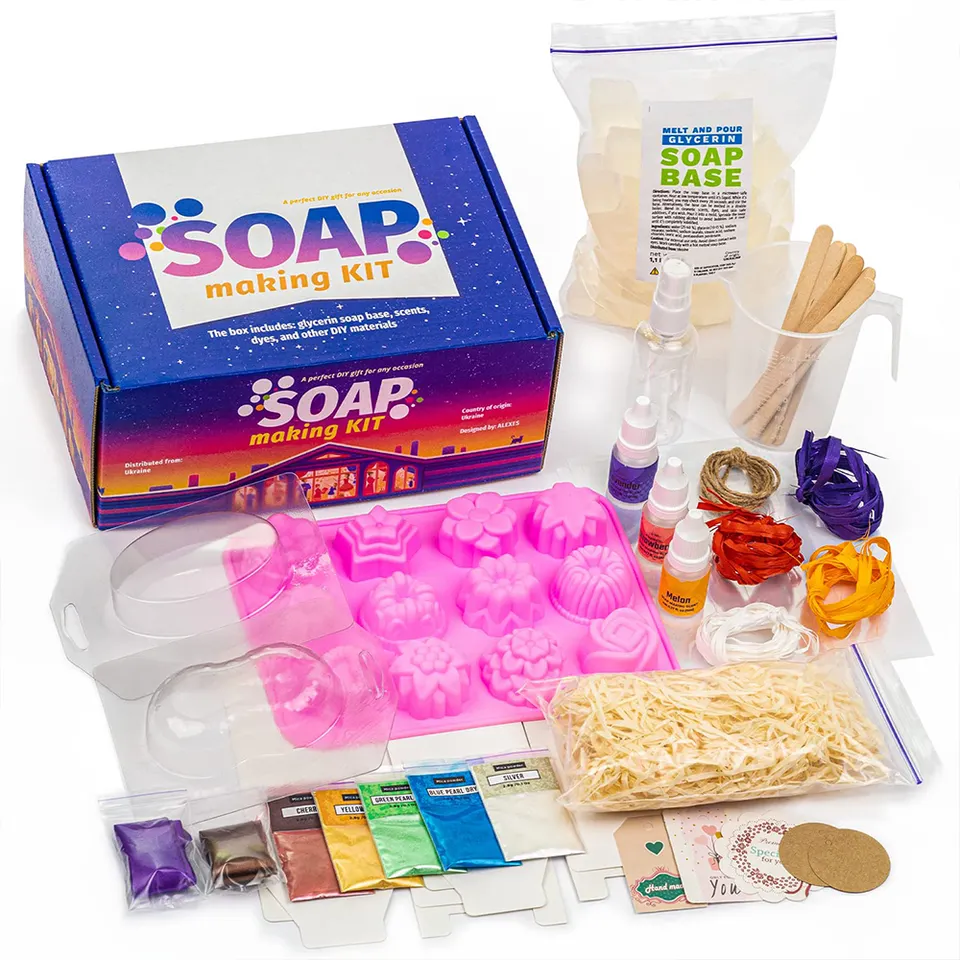
Microwave-safe glass bowl or double boiler
Silicone soap molds
Mixing spoon (non-metal preferred — wooden or silicone works great)
Rubbing alcohol in a spray bottle (to remove air bubbles)
Kitchen scale for accurate measurements
Where to Source Quality Ingredients
Your melt and pour soap base is the backbone of this project, so choose wisely. Look for bases free of parabens and artificial colors — shea butter bases offer deep moisture, while goat's milk bases are wonderfully gentle for sensitive skin. Most craft stores and online retailers carry them.
For turmeric, always go with food-grade organic turmeric powder. Avoid turmeric blends meant for cooking that contain added spices. For oils, cold-pressed coconut oil and pure essential oils give you the best results and the cleanest ingredients list.
Step-by-Step Turmeric Soap Recipe (Melt and Pour Method)
This natural soap making method is perfect for beginners. There's no lye involved, no complicated chemical reactions to monitor — just melt, mix, pour, and enjoy. Here's exactly how to do it.
Step 1: Prepare Your Workspace
Lay out all your tools and ingredients before you begin. Line your workspace with parchment paper or old towels — turmeric will stain surfaces. Pre-spray your silicone molds lightly with rubbing alcohol so the soap releases easily later.
Important: Put on gloves now. You'll thank yourself later when your hands aren't glowing yellow.
Step 2: Cut and Melt the Soap Base
Cut your melt and pour soap base into small, roughly 1-inch cubes. Smaller pieces melt faster and more evenly. Place them in your microwave-safe glass bowl.
Microwave in 30-second intervals, stirring gently between each burst. If you prefer the stovetop, use a double boiler on low heat. The key rule here: do not let it boil. Overheating creates bubbles and a rubbery, uneven texture.
Step 3: Mix In the Turmeric and Add-Ins
Once your base is fully melted and smooth, add the turmeric powder gradually — about half a teaspoon at a time — while stirring constantly. This prevents clumps and ensures even color distribution.
Next, fold in the coconut oil, raw honey, and vitamin E oil. Stir gently until everything is well combined. Let the mixture cool slightly to around 130°F (54°C) before adding your essential oils — heat destroys their beneficial properties and fragrance.
Step 4: Pour Into Molds
Pour the golden mixture slowly into your silicone molds. Go steady to minimize air bubbles. Once filled, give each mold a gentle tap on the counter to release any trapped air.
Immediately spritz the surface with rubbing alcohol. This simple trick eliminates those pesky surface bubbles and gives you a smooth, professional-looking finish.
Step 5: Cool, Set, and Unmold
Now comes the hardest part — patience. Let your soap sit completely undisturbed for 4–6 hours at room temperature. For best results, leave it overnight.
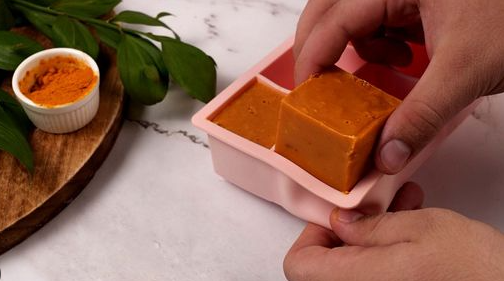
Once the bars are fully hardened, gently flex the silicone molds and pop them out. They should release cleanly with a satisfying little pop.
Step 6: Cure and Store
Here's the good news: melt and pour soap is technically ready to use immediately. However, letting your bars air dry for 1–2 days produces a harder, longer-lasting bar.
Wrap finished bars in wax paper or plastic wrap and store them in a cool, dry place away from direct sunlight. Properly stored, they'll stay fresh and effective for months.
Pro Tips for the Perfect Batch
Avoiding Common Mistakes
Staining: Turmeric stains everything — your hands, your countertops, your favorite towel. Always wear gloves and use dedicated utensils you don't mind turning yellow.
Overheating the base: This is the number one beginner mistake. If your soap base boils, you'll end up with an unpleasant rubbery texture filled with tiny bubbles. Low and slow wins the race.
Too much turmeric: More is definitely not better here. Excess powder can actually dry out your skin, cause irritation, and leave stubborn yellow stains on your towels and washcloth. Stick to 1–2 teaspoons per pound of base.
Customization Ideas
| Skin Concern | Add-In Suggestion | Benefit |
|---|---|---|
| Dry skin | Shea butter base + oat powder | Deep moisture and gentle exfoliation |
| Acne-prone skin | Tea tree essential oil + activated charcoal | Antibacterial and pore-cleansing |
| Dull or uneven tone | Lemon essential oil + honey | Brightening and hydrating |
| Sensitive skin | Goat's milk base + chamomile oil | Calming and nourishing |
Don't be afraid to experiment with combinations. That's the beauty of making your own soap — each batch can be tailored to exactly what your skin needs.
Shelf Life and Storage Tips
Properly stored bars typically last 6–12 months. Keep them away from direct sunlight, humidity, and heat. If you notice any changes in smell or texture, it's time to make a fresh batch — which is really just an excuse to enjoy the process again.
Frequently Asked Questions
Will turmeric soap stain my skin?
When properly dosed (1–2 teaspoons per pound of soap base), turmeric soap rinses clean without leaving lasting color on your skin. You might notice a very faint yellow tint right after use, but it fades within minutes. If you're concerned, do a quick patch test on a small area of skin before your first full use.
Can I use fresh turmeric root instead of powder?
Yes, you can! Grate or juice fresh turmeric root and use about 1 tablespoon of fresh juice in place of the powder. Keep in mind that fresh turmeric has a stronger staining potential and a slightly different texture in the final bar. Strain the juice through a fine mesh to remove any fibrous bits before adding it to your melted base.
Is the melt and pour method safe for beginners?
Absolutely — this is the safest and easiest way to start making soap at home. Unlike cold process soap making, the melt and pour method requires no lye handling whatsoever. There are no dangerous chemical reactions to manage. If you can melt butter and stir ingredients together, you can make this soap.
How often should I use turmeric soap?
Most skin types can enjoy turmeric soap daily or every other day without any issues. If you have sensitive skin, start with 2–3 times per week and see how your skin responds. As with any new skincare product, pay attention to how your skin feels and adjust accordingly.
Can I sell homemade turmeric soap?
Many people do turn their soap-making hobby into a small business! However, before selling, you'll need to check your local cosmetic regulations and labeling requirements. In most regions, handmade cosmetics must include a full ingredient list, net weight, and your business contact information on the label. Research your area's specific rules to stay compliant and protect your customers.
Final Thoughts
Making your own turmeric soap at home is one of those rare projects that's genuinely simple, deeply satisfying, and actually useful. You don't need fancy equipment or years of experience — just a few quality ingredients, a free afternoon, and a willingness to get a little golden.
Start with the basic recipe above, get comfortable with the process, and then have fun experimenting with the customization ideas. Every batch is an opportunity to create something perfectly suited to your skin.
Once you've made your first bar, we'd love to hear how it turned out. Share your results, try a new add-in combination, or gift a bar to someone who could use a little homemade luxury. Your skin — and your creative side — will thank you.