If you're an entrepreneur or small business owner looking to launch or expand a bath accessories product line, one decision will define your profitability more than any other: where you source your products. The answer, for the vast majority of successful brands in this space, points decisively to China — and for very good reasons.
This article breaks down the economics, logistics, quality considerations, and strategic advantages of partnering with a Chinese manufacturer for your bath sponge wholesale needs. Whether you're building a DTC brand, stocking an e-commerce store, or curating subscription boxes, the insights here will help you make a confident, informed sourcing decision.
|
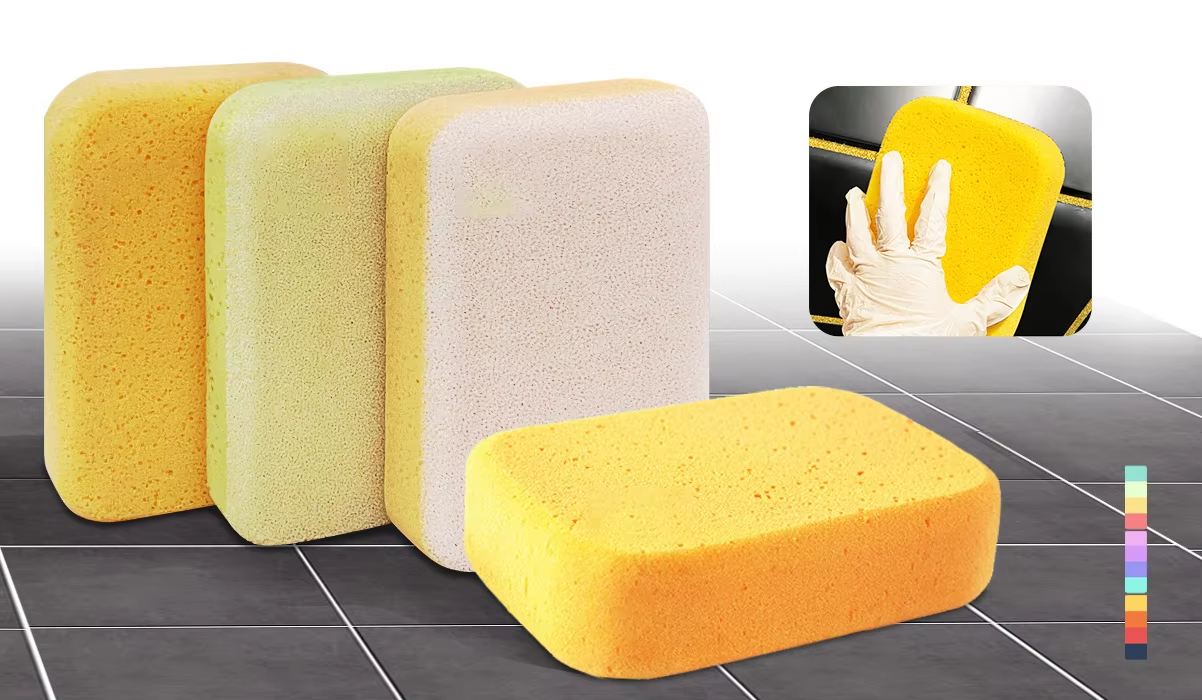
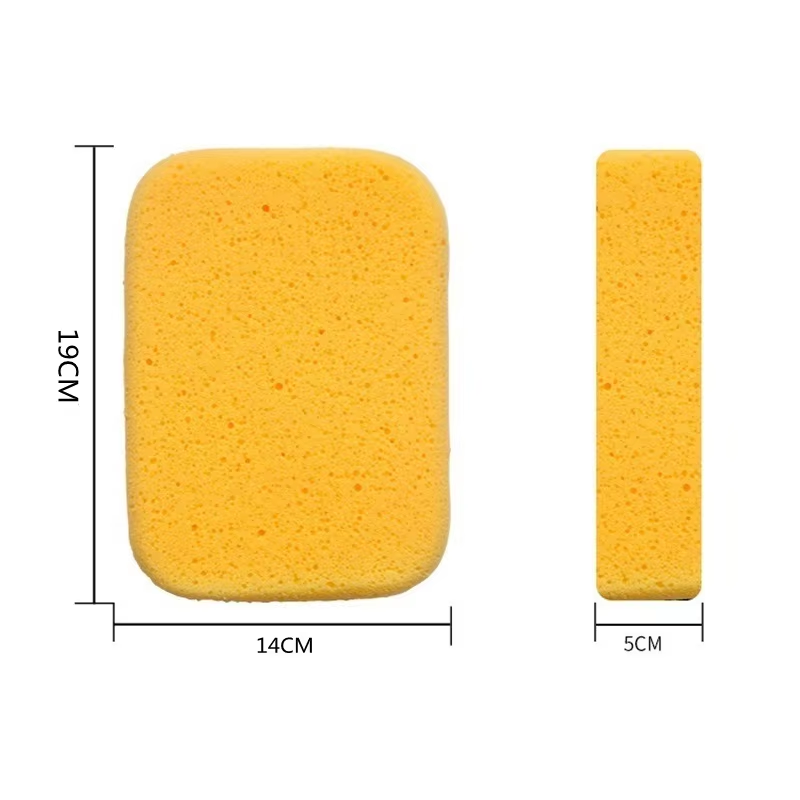
Product Name |
Grout Sponge |
|
Material |
Sponge |
|
Color |
Yellow |
|
Packing information |
Size: 19x14x5cm Carton size: 75*50*60cm/160pcs/ 4.3kg
|
|
Shipping |
SF_express / DHL / FEDEX / TNT / EMS / UPS... |
|
Custom-made |
YES (LOGO Colors Design Packaging) |
|
MOQ |
Most of the goods are in stock . If you need Low MOQ . Please contact customer service |
|
Sample leadtime |
3-5 days |
|
Package |
OPP/BOX If you need other packing, please contact customer service |
The Global Bath Accessories Market — Why China Dominates Supply
Market Overview and China's Manufacturing Share
The global bath accessories market is projected to exceed $38 billion by 2027, driven by the wellness economy, rising personal hygiene awareness, and the explosion of self-care culture across demographics. Bath sponges, loofahs, poufs, and exfoliating accessories represent a significant and growing segment within this market.
China accounts for approximately 65–70% of global production capacity in bath accessories. This isn't accidental — it's the result of decades of infrastructure investment, supply chain maturation, and manufacturing expertise that no other region has replicated at scale.
For entrepreneurs seeking bath sponge bulk orders, China offers an unmatched combination of price, variety, and production flexibility that simply doesn't exist elsewhere.
Cost Advantages of China Sponge Factory Direct Sourcing
The economics of sourcing directly from a China sponge factory are compelling. Raw materials — including synthetic mesh, natural loofah, konjac root, and cellulose — are either domestically produced or imported at scale with preferential trade terms. Labor costs, while rising, remain significantly lower than Western markets, and Chinese factories operate with remarkable efficiency.
Established supply chains mean that a wholesale body sponge manufacturer in China can source packaging, printing, and shipping materials within a tight geographic radius, eliminating costly logistics between production stages. The result? Unit costs that are typically 40–70% lower than equivalent products manufactured in the US or Europe.
Cost Comparison: China vs. Other Sourcing Regions
| Factor | China | India | Turkey | Domestic (US/EU) |
|---|---|---|---|---|
| Unit Cost (Synthetic Bath Pouf) | $0.15–$0.45 | $0.20–$0.55 | $0.35–$0.70 | $0.80–$2.00 |
| Typical MOQ | 500–3,000 pcs | 1,000–5,000 pcs | 2,000–5,000 pcs | 5,000–10,000 pcs |
| Production Lead Time | 15–30 days | 20–40 days | 25–45 days | 30–60 days |
| Shipping to US (Sea) | 20–30 days | 25–35 days | 20–30 days | N/A (domestic) |
| Customization Capability | Excellent | Moderate | Good | Limited at low MOQ |
| Quality Tiers Available | Economy to Premium | Economy to Mid | Mid to Premium | Premium only |
Key Benefits of Partnering with a Chinese Bath Sponge Wholesale Supplier
Unmatched Product Variety and Customization
Chinese manufacturers offer an extraordinary range of bath sponge products: natural sea sponges, konjac facial sponges, loofah body scrubbers, synthetic mesh poufs, exfoliating gloves, silicone bath brushes, and compressed cellulose sponges. This diversity allows entrepreneurs to build complete, differentiated product lines from a single sourcing partner.
OEM and ODM capabilities mean you're not limited to catalog items. You can specify materials, density, texture, shape, color, scent infusion, and packaging — creating a product that's uniquely yours. This is how smart brands differentiate in crowded marketplaces.
Scalability for Startups and Growing Brands
One of the most significant advantages for small business owners is flexibility. Many Chinese suppliers offer tiered pricing structures that reward growth without punishing small beginnings. You can start with a trial order of 500–1,000 units to test market response, then scale to tens of thousands as your brand gains traction.
This scalability removes the barrier to entry that domestic manufacturing often creates, where high MOQs and setup costs make it prohibitive for bootstrapped entrepreneurs to launch.
Integrated Supply Chain — Beyond Just Sponges
The smartest sourcing strategy consolidates suppliers. When you find a bulk bath accessories supplier that also manufactures soap, bath bombs, body wash, and packaging, you reduce logistics complexity, negotiate better terms, and ensure product consistency across your line.
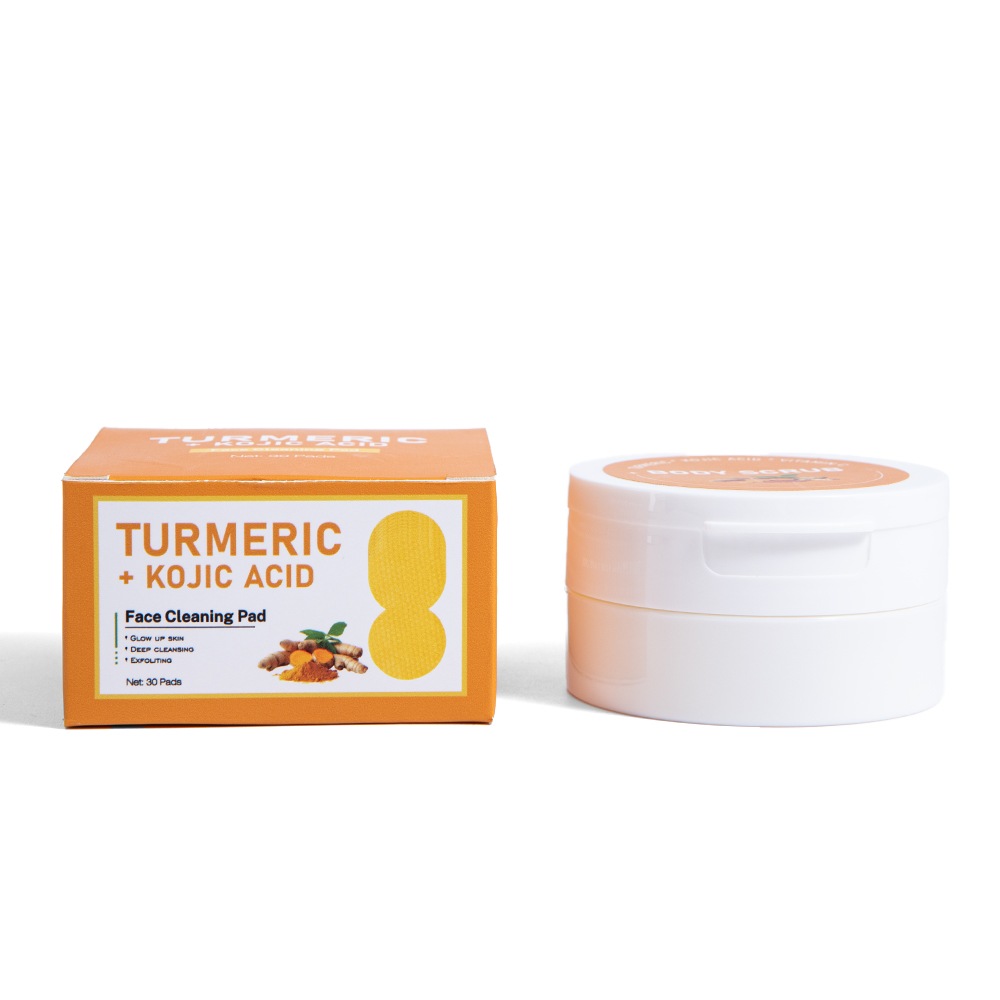
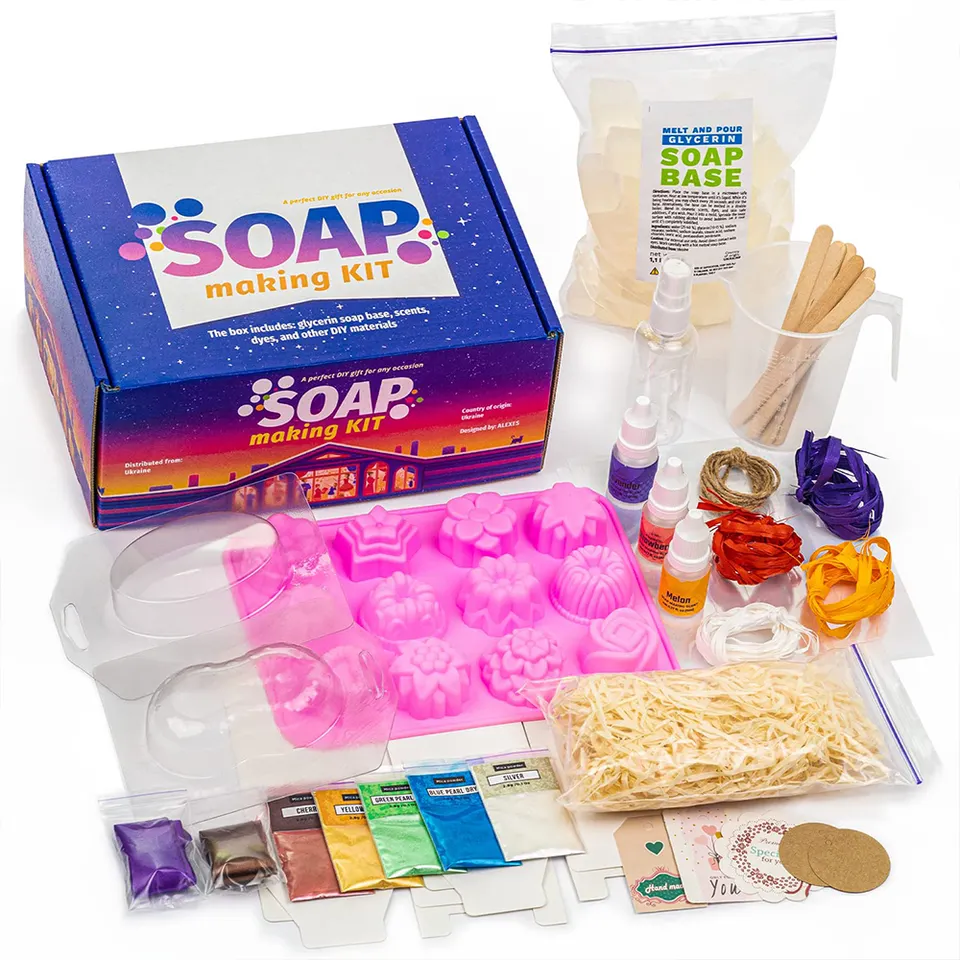
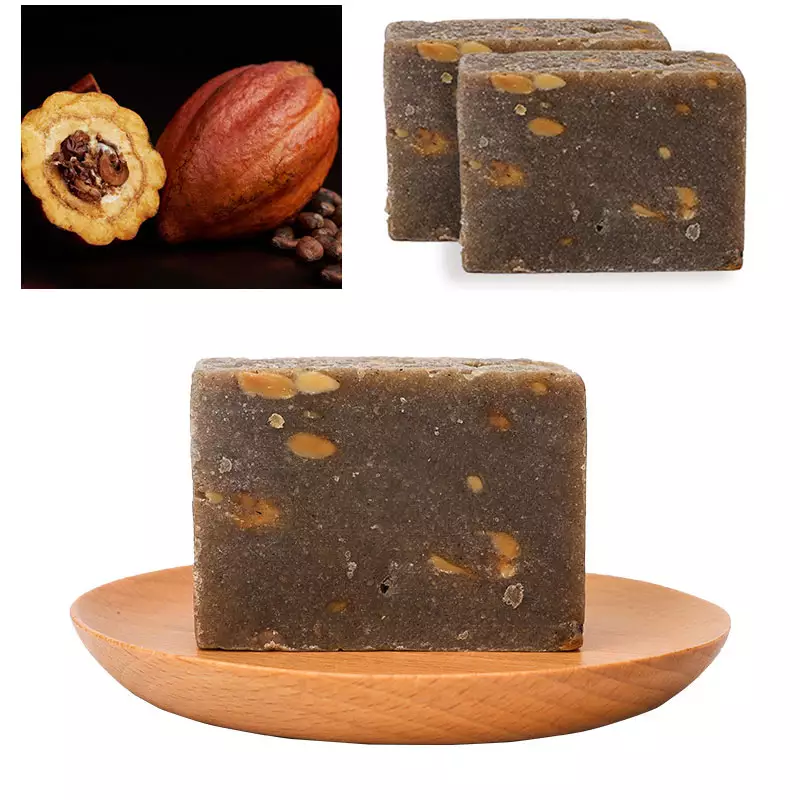
This is where integrated manufacturers shine. Companies like Poleview Biotechnology Co., Ltd., based in Huizhou, Guangdong Province, China, exemplify this model — offering soap manufacturing alongside bath sponge and accessory customization under one roof, streamlining the entire procurement process for international buyers.
Quality Control and International Certifications
Quality concerns are legitimate but largely addressable. Reputable Chinese manufacturers invest heavily in quality management systems, maintaining ISO 9001 certification, SGS testing protocols, and compliance with FDA (for US markets) and REACH (for EU markets) requirements.
The key is selecting the right partner — one with verifiable certifications, transparent processes, and a track record of exporting to Western markets. Factory audits, either in person or via third-party inspection services, provide additional assurance.
How to Evaluate and Select the Right Wholesale Body Sponge Manufacturer
Critical Criteria for Supplier Assessment
When evaluating potential suppliers for your bath sponge wholesale orders, apply a systematic approach. Key criteria include: verified production capacity, relevant export certifications, years of export experience, communication responsiveness (within 24 hours is the gold standard), sample quality and consistency, factory transparency, and — critically — willingness to accommodate factory visits.
A supplier who invites you to inspect their facility demonstrates confidence in their operations. This openness is a powerful trust signal that separates serious manufacturers from middlemen.
Red Flags to Avoid When Sourcing Bath Sponges from China
Not every listing on Alibaba or Made-in-China represents a genuine factory. Watch for these warning signs: trading companies posing as manufacturers (ask for factory photos and production videos), prices that seem impossibly low (quality shortcuts are inevitable), absence of certifications, no verifiable physical address, and reluctance to provide client references or pre-production samples.
If a supplier cannot clearly explain their production process or refuses a video tour of their facility, move on. The legitimate manufacturers — and there are many — will welcome your due diligence.
Negotiation Strategies That Protect Your Margins
Effective negotiation with Chinese bath sponge suppliers goes beyond haggling over unit price. The most experienced buyers negotiate on payment terms, packaging inclusions, defect tolerance thresholds, and shipping arrangements — all of which impact your landed cost far more than a few cents per unit.
Start with a clear specification sheet. Define materials, dimensions, weight, color Pantone codes, packaging type, and labeling requirements before requesting quotes. This eliminates ambiguity and ensures you're comparing apples to apples across multiple suppliers. Vague briefs invite misinterpretation and lead to costly revisions mid-production.
Payment structure matters enormously. The industry standard is 30% deposit with 70% balance before shipment. For first orders, this is reasonable. As your relationship matures, negotiate toward net-30 or net-60 terms on the balance — freeing up working capital for marketing and inventory management. Suppliers with established export departments understand this cadence and will often accommodate loyal buyers.
Logistics, Shipping, and Import Considerations
Choosing the Right Shipping Method for Bath Sponge Orders
Bath sponges are lightweight but voluminous — a characteristic that significantly influences shipping economics. Sea freight charged by cubic meter (CBM) is almost always the most cost-effective option for orders exceeding 2–3 CBM. A standard 20-foot container can hold approximately 25,000–40,000 bath poufs depending on compression and packaging density.
For smaller trial orders or time-sensitive restocks, air freight or express courier (DHL, FedEx) becomes necessary despite higher per-unit costs. Many suppliers offer FOB (Free on Board) pricing, meaning you assume responsibility and cost once goods are loaded at the Chinese port. CIF (Cost, Insurance, Freight) pricing shifts more responsibility to the supplier and simplifies your logistics — though at a slightly higher quoted price.
Work with a freight forwarder experienced in consumer goods from China. They'll handle customs documentation, duty classification (bath sponges typically fall under HS code 9603.90 or 3926.90 depending on material), and last-mile delivery coordination.
Navigating Tariffs and Import Duties
Import duties vary by destination country and product material. In the United States, synthetic bath sponges generally attract duties between 3.4% and 6.5%, while natural sponge products may qualify for lower rates or duty-free entry under certain trade preference programs. The EU applies similar tiered structures based on material classification.
Factor these costs into your landed cost calculations from the outset. A product that appears 60% cheaper at the factory gate may yield a 45–50% cost advantage after duties, freight, and insurance — still a decisive margin advantage, but one that requires accurate forecasting to avoid pricing errors.
Building a Long-Term Supplier Relationship
Why Relationship Depth Matters More Than Transactional Savings
The most successful brands sourcing from China treat their manufacturer as a strategic partner, not a replaceable vendor. This mindset unlocks benefits that pure price-shopping never will: priority production scheduling during peak seasons, early access to new materials and product innovations, flexibility on rush orders, and willingness to absorb small cost increases rather than passing them through immediately.
Invest in the relationship. Visit the factory when possible. Celebrate Chinese New Year with a thoughtful message. Pay invoices promptly. These gestures compound over time into a partnership that gives your brand a structural advantage — one that competitors who constantly switch suppliers simply cannot replicate.
Communication Best Practices Across Time Zones
Effective communication bridges the 8–12 hour time zone gap between China and Western markets. Establish a primary contact — ideally someone in the supplier's export department with strong English proficiency — and use asynchronous tools like WeChat, email, and shared project documents. Confirm critical details in writing, even after verbal discussions. Misunderstandings caught in a message thread cost nothing; misunderstandings discovered at port inspection cost everything.
Schedule video calls for milestone moments: pre-production approval, mid-production quality checks, and pre-shipment inspection reviews. These touchpoints maintain alignment without requiring constant real-time availability from either party.
Final Considerations — Making Your Decision with Confidence
Choosing a bath sponge wholesale supplier from China is not merely a cost decision — it's a strategic one. You're selecting a manufacturing ecosystem that offers unparalleled variety, proven scalability, competitive economics, and deep customization capability. The brands that thrive in the bath accessories space almost universally share one trait: they found the right Chinese manufacturing partner early and invested in that relationship deliberately.
Begin with thorough research. Request samples from three to five shortlisted suppliers. Compare not just price and quality, but responsiveness, flexibility, and willingness to understand your brand vision. The supplier who asks intelligent questions about your target market and packaging preferences is the one who will deliver a product that sells — not just a product that ships.
Your sourcing decision is the foundation upon which product quality, brand reputation, and profit margins are built. Make it with the rigor it deserves, and the Chinese manufacturing ecosystem will reward you with a competitive position that's extraordinarily difficult for rivals to erode.