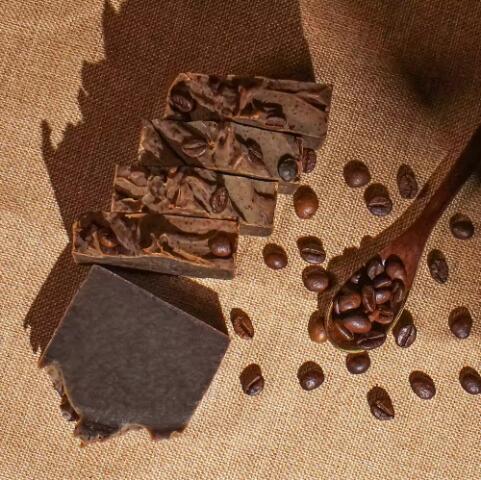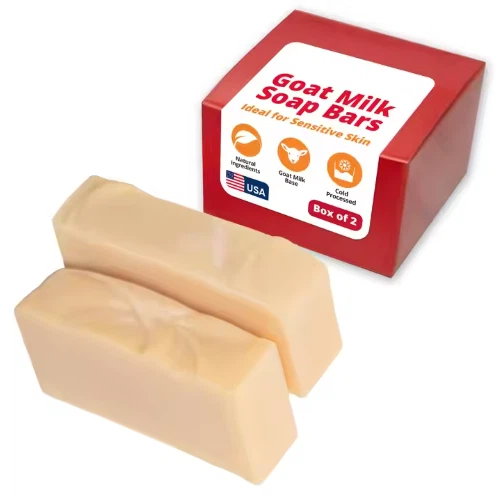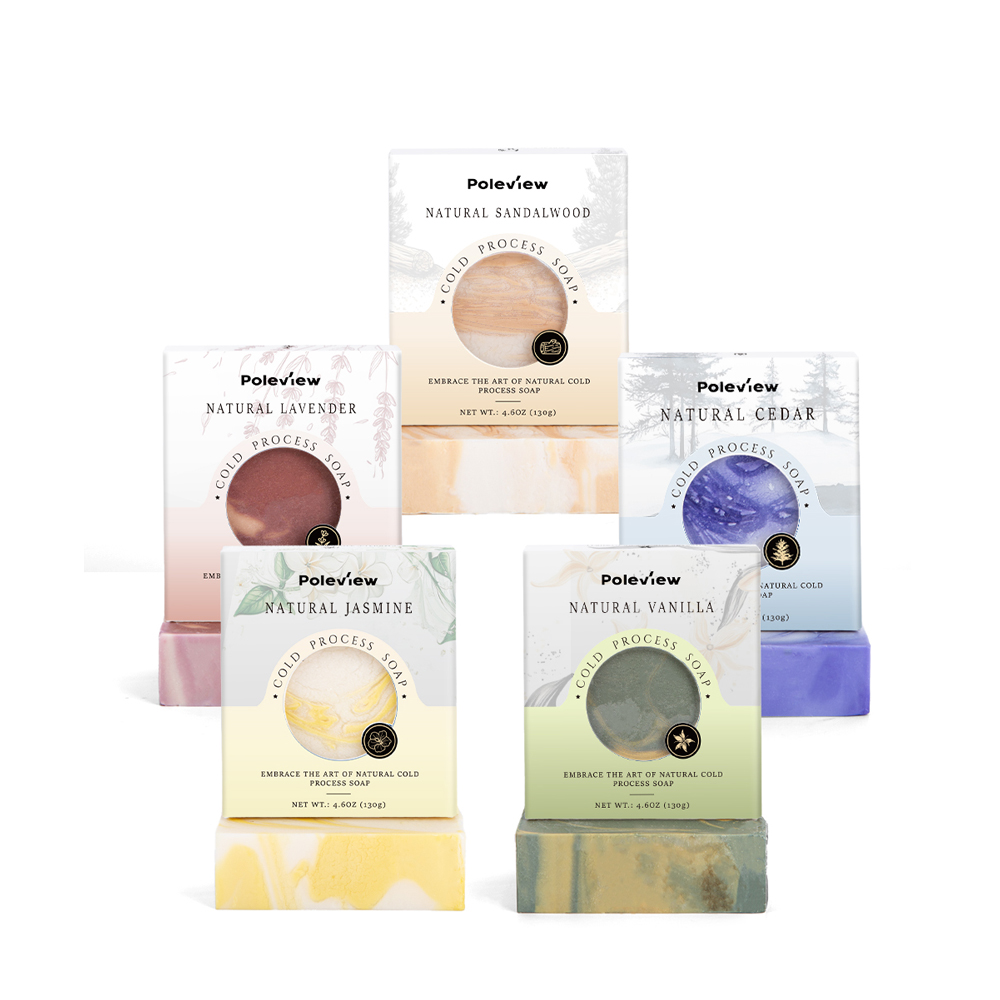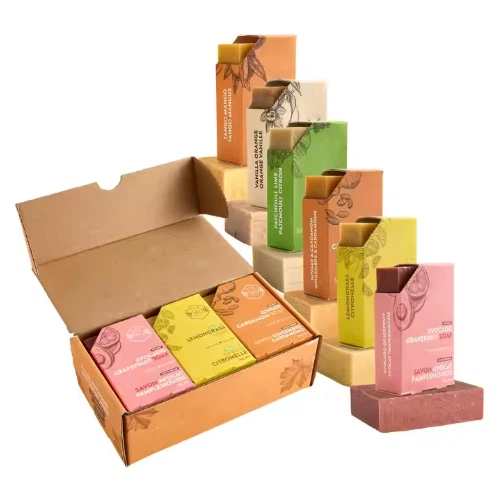

A typical order starts with a sample bar that looks right, then cracks, sweats or goes soft a few weeks later. Cold process soap is made by mixing lye and oils at low heat and letting the reaction finish in the mold. So what does that mean for a brand? You get a process with a cure time, some batch variation and a few checks worth writing into your RFQ.
Cold process soap is made by mixing lye and oils, pouring into a mold and curing for weeks. Cure time sets your schedule and bar hardness. Check weight, surface, scent and batch records, and keep your claims inside what documents support.
What a Good Cold Process Bar Looks Like at Delivery
Cold process soap combines sodium hydroxide (lye) with oils or butters at relatively low temperatures. The mix is poured into a mold, and saponification continues there without added heat. The glycerin stays inside the bar.
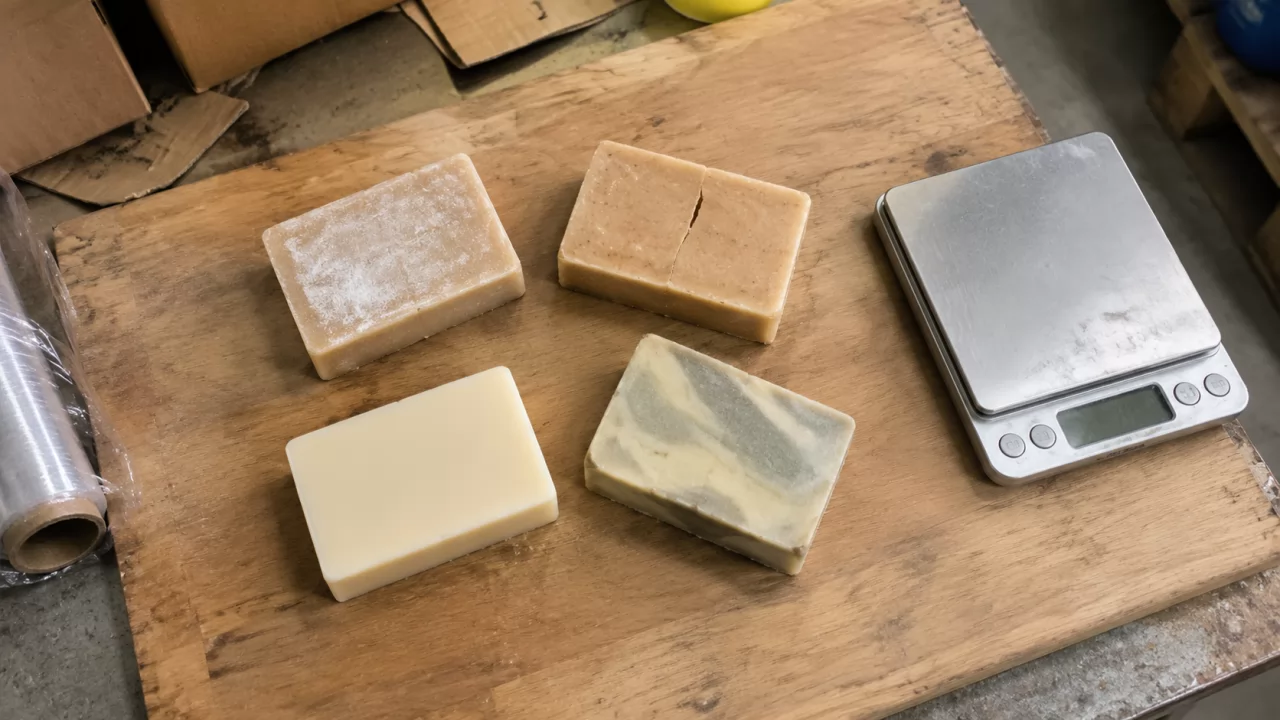
At delivery, look for a firm bar with even color and clean cut edges. Weight should be consistent across the carton, and the scent should match the approved sample. The ingredient list should be clear and match the formula. If a bar is soft, chalky on the surface or oily to the touch, the problem started upstream.
How Is Cold Process Soap Made?
The steps are few. The variation between batches hides in the details of each one.
Lye and oils: the saponification process
Saponification is the reaction in which lye breaks down fats into soap and glycerin. Oil choice shapes the bar. Hard fats such as palm or coconut-derived oils and butters usually give firmness and a bubbly lather. Softer liquid oils usually feel milder and creamier but make a softer bar. Makers also leave a small share of oils unreacted, called superfat, so the bar is not harsh.
Mixing, molding, cutting
The maker stirs the lye solution into the oils until the mix reaches trace. That is the point where drizzled batter leaves a visible line on the surface. Colors, scents and additives go in around then. The batter is poured into molds and often insulated, so it can pass through gel phase, when the soap warms and turns more translucent. After a day or two the block is unmolded and cut. Batches usually vary in trace timing, mixing temperature, additive load and how evenly the mold holds heat.
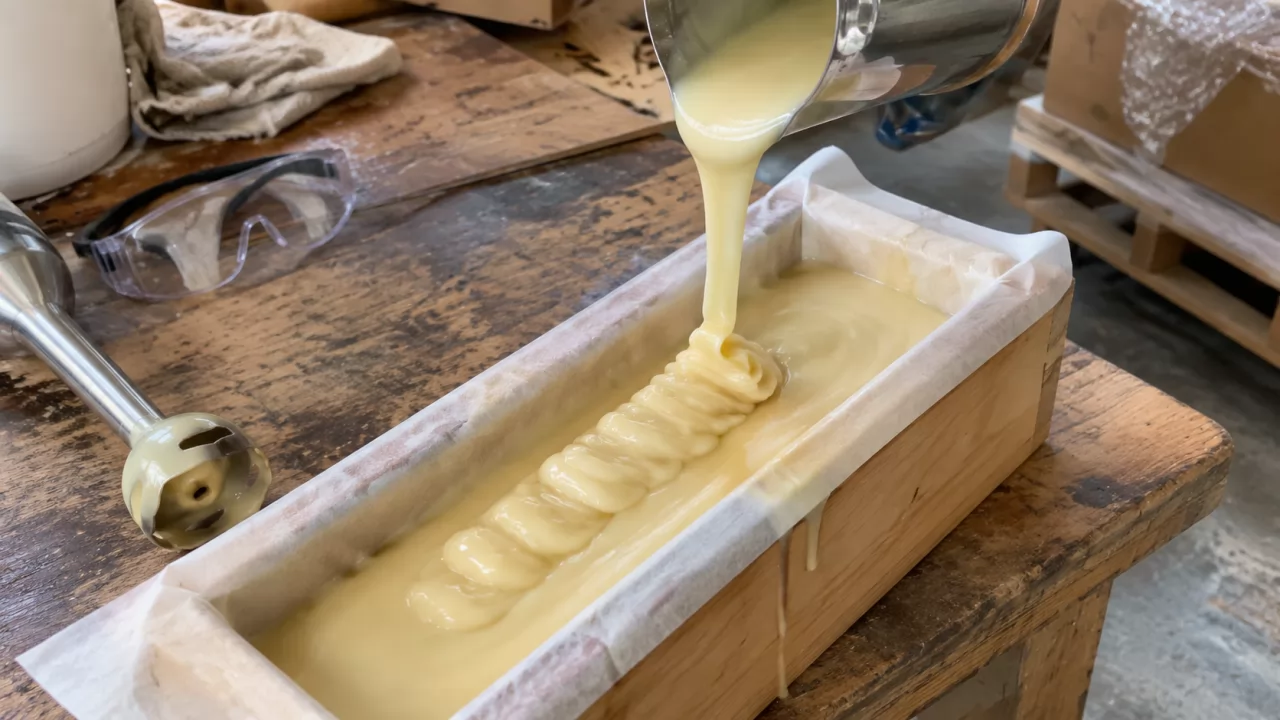
Process steps and typical timing
These are usual ranges. They change with formula, mold size and workshop conditions.
| Stage | What happens | Typical time |
|---|---|---|
| Mixing | Lye solution and oils combined to trace | Usually under an hour |
| Molding | Batter poured, color and scent added | Usually under an hour |
| Saponification in mold | Gel phase, soap sets | Usually 1-2 days |
| Unmolding and cutting | Block removed, cut into bars | Usually a day |
| Curing | Water evaporates, bar hardens | Usually 4-6 weeks |
Curing takes most of the calendar, so plan around it.
Curing Time Is a Schedule Decision
Curing drives both lead time and bar hardness, so build it into your production plan from the start. Fresh bars still hold a lot of water. As it evaporates and the reaction finishes, the bar becomes harder and milder. The usual range is about four to six weeks, sometimes longer for formulas with a high share of soft oils.
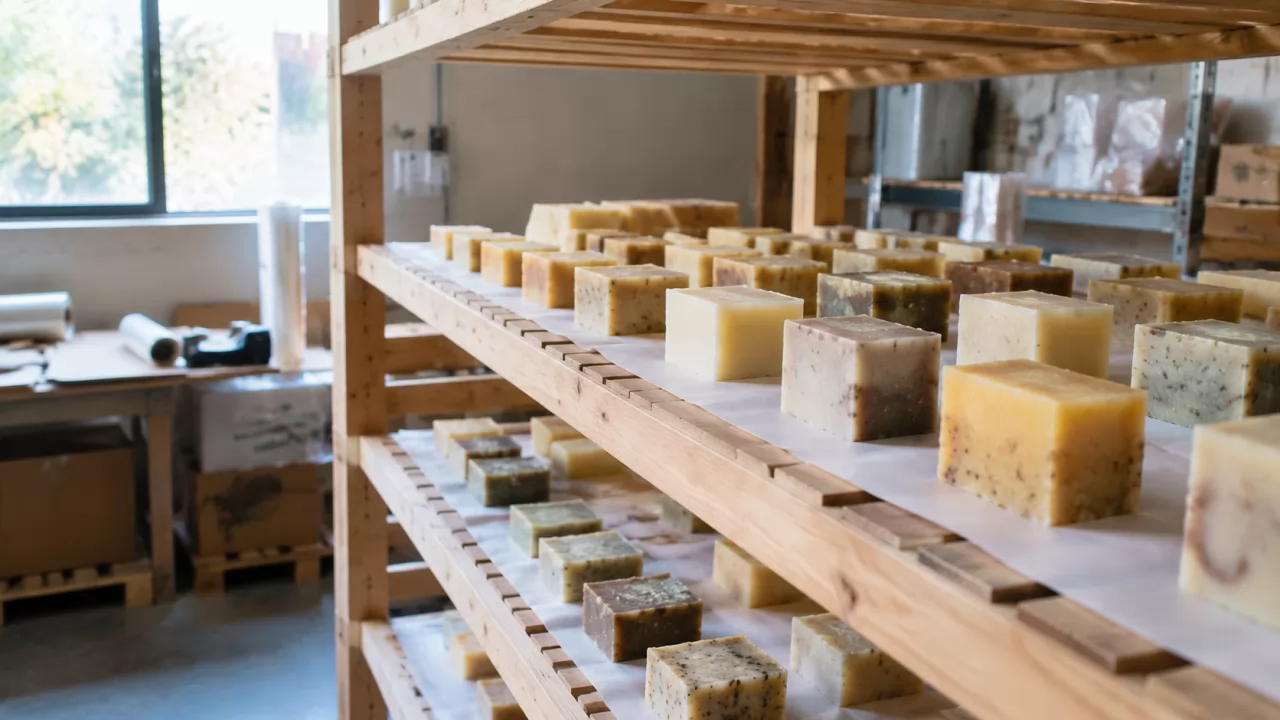
This matters when you read a quoted lead time. Ask whether it includes the full cure or only the days the bars spend in the mold. A supplier quoting around 40 days for OEM or ODM work should be able to tell you how that time splits between production, cure, wrapping and packing. If you have a launch date or a promotion, count back from the cure, not from the pour.
Rushing shows up late. Under-cured bars feel soft and wear down fast in the shower. They may sweat in humid shipping and lose shape in the carton. A harder formula can sometimes shorten the cure, but confirm that on a sample.
Cold Process Soap vs Hot Process Soap
Hot process soap starts like cold process, but the batter is cooked in a pot or oven, so saponification finishes before molding. Both are handmade bar soap. They differ in how the bar looks, how long it waits and how forgiving it is.
| Criterion | Cold process | Hot process |
|---|---|---|
| Heat | Low heat, reaction finishes in mold | Batter cooked before molding |
| Appearance | Smooth, suited to swirls and layers | More rustic, textured |
| Cure time | Usually longer | Often shorter |
| Scent and additives | Heat-sensitive ones may change | Can be added after cooking |
| Batch consistency | Depends on temperature control | Depends on cook and texture |
| Typical fit | Designed, decorative bars | Rustic bars, faster turnaround |
If your brand sells on a polished look and clean edges, cold process usually fits. If texture matters less than speed, ask for a hot process sample. Neither method is better for skin. The formula and ingredients decide that.
Can I Make Private Label Cold Process Soap With Low MOQ?
Yes, in most cases. Many makers set MOQ per color or style, and small runs of cold process work if you accept a limited number of variants. The minimum rises with special molds, custom packaging or a new formula.
What drives MOQ and cost
Each color or style means a separate pour, so minimums are usually counted that way. Custom molds, special boxes and accessories raise the minimum. A custom formula adds development and sampling rounds. Fragrance load, additives and wrap type also move cost, so settle them before you ask for numbers.
Formula, claims and compliance
Your label should list ingredients by INCI (International Nomenclature of Cosmetic Ingredients) names. Use a word like "natural" only where the maker can document it for that formula. Skip medical claims, whitening claims and result promises. Rules differ by market, so check your own, and do not assume a bar passes because it passed elsewhere. Ask the maker for relevant records, such as GMP and ISO 22716 documents, plus any test reports your market needs. Formula ownership and exclusivity are contract points, so do not assume them.
A short list of specs to send with your RFQ
With these details a maker can quote and sample without rounds of questions.
- Bar weight and shape
- Scent or fragrance brief
- Color, plus any swirl or layer design
- Wrap type
- Carton marks
- Target market
Poleview makes custom-formula handmade soap, cold process included, with free samples (you pay freight) and an MOQ of 1000 pcs per color or style.
Quality Checks Before You Approve a Batch
A sample and a batch record protect you more than a spec sheet does. On the sample, check weight against the spec and press the bar for hardness. Look at the surface, smell it and compare the color to your reference. Then unwrap one and watch it for a few weeks.
For batch consistency, ask how the maker records formulas, lot numbers and cure dates. Ask also whether retained samples are kept from each batch. Patch testing and the safety assessment are the brand's responsibility under local rules, so plan them with your own advisers.
Watch for soda ash (a white powdery film), cracking, sweating (beads of moisture on the surface), discoloration and a rancid smell from oils going off. Any one of these is a reason to pause approval.
Terms You'll See in Quotes and Spec Sheets
- Saponification: the reaction between lye and fats that produces soap and glycerin.
- Trace: the thickness at which batter leaves a visible trail when drizzled.
- Superfat: a share of oils left unreacted to make the bar milder.
- Gel phase: a warm, translucent stage the soap passes through in the mold.
- Curing: weeks of drying after cutting, so the bar hardens and lasts longer.
- INCI: the standard naming system for cosmetic ingredients on labels.
FAQ
Is cold process soap the same as handmade soap?
Not exactly. Cold process is one handmade method. Hot process and melt-and-pour are others. Check which method your supplier means.
How long does cold process soap take to cure?
Usually about four to six weeks. Formula and mold size can lengthen it.
Is cold process soap always natural?
No. The method says nothing about ingredients. Fragrance, colorants and additives vary, so use "natural" only where documents support it.
Can colors and scents be customized?
Yes. Heat-sensitive scents and some colorants can change in the process, so confirm them on a sample.
Send your target bar weight, scent and logo to our team and ask for a free sample; you pay the freight.