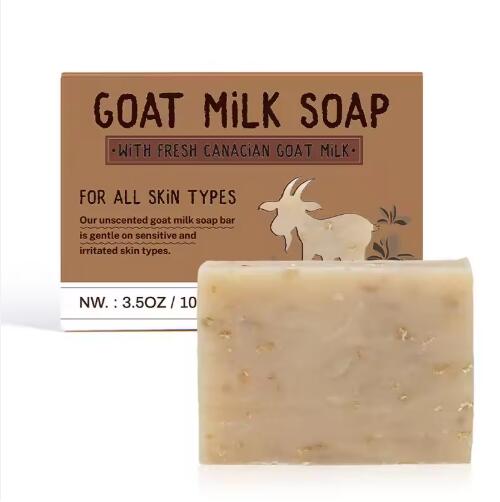

"A shampoo bar is just soap for hair, and soap strips, so liquid always wins." The belief is common and mostly wrong. Do shampoo bars work? A bar built as a shampoo bar can clean hair well. What matters is the formula, the hair it is built for, and how the customer uses it.
- Formula decides performance more than format does.
- Bars and liquids differ in water content, preservation and packaging. Each difference changes your costs.
- Hair-type fit needs honest limits, both in the formula and in the copy.
- Usage instructions drive reviews, so print them on the product.
- Test samples on real hair, in real water, before you approve an order.
Do shampoo bars work? A bar cleans through surfactants, not through soap alone
A well-formulated shampoo bar cleans hair. It uses surfactants, which are cleansing agents that lift oil and dirt so water can rinse them away. Liquid shampoo does the same job. Results depend on the formula, the hair and the user's method, and some bars suit some hair better than others, just as liquids do.
Syndet bars and true soap bars behave differently on hair
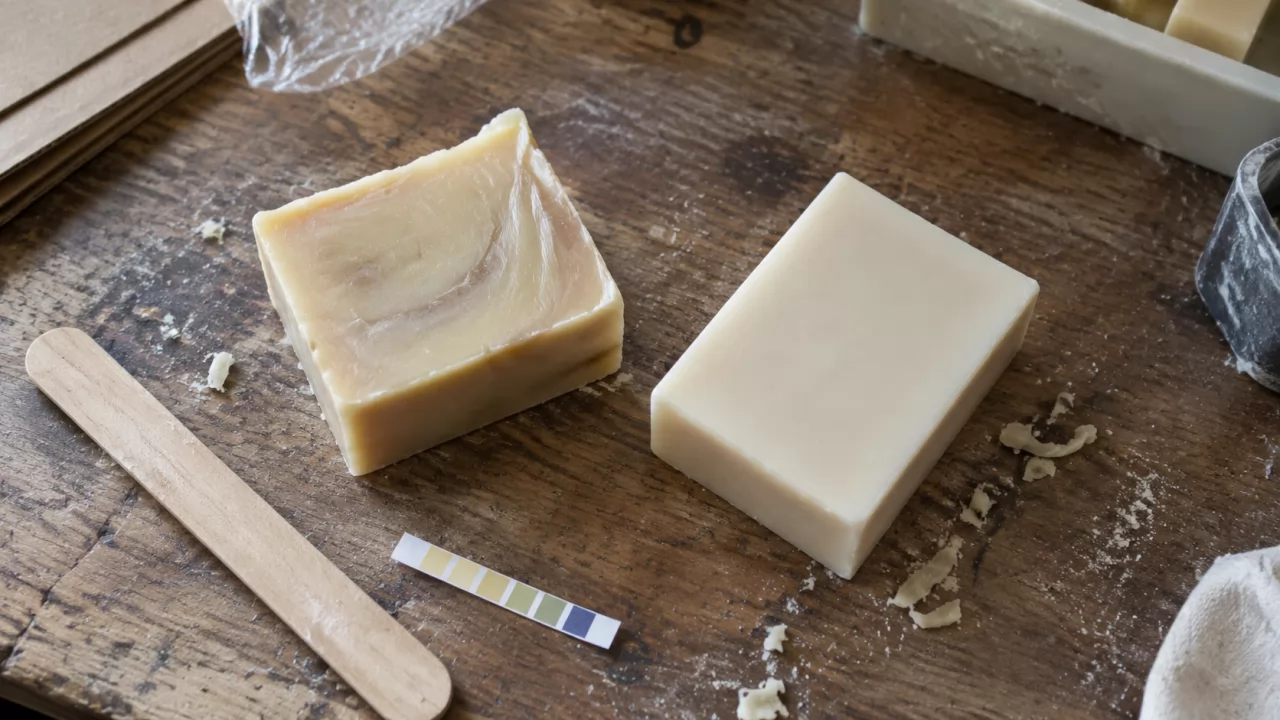
A syndet bar is a solid made mainly from synthetic or plant-derived surfactants, not from saponified fats. A true soap bar is made by saponification: fats or oils react with an alkali such as sodium hydroxide. Cold process soap belongs to the second group.
The difference shows up in pH. Soap is typically alkaline. Syndet bars can be formulated closer to the mildly acidic pH of hair and scalp. For some users, alkaline cleansers leave hair rough or tangled, so many soap-based bars come with an acidic rinse step. Word that rinse as a feel preference, not a treatment. Neither type is automatically better: a syndet bar gives you more control over feel and pH, while a soap-based bar gives you a simpler, saponified ingredient story. Pick the one that fits the customer you are building for.
Where bars and liquids differ in the bottle and on the shelf
The biggest practical gap is water. Liquid shampoo is mostly water, so it needs preservation and a bottle. A bar holds far less water and is dosed by contact, not by pump.
| Criterion | Shampoo bar | Liquid shampoo |
|---|---|---|
| Form | Solid | Liquid |
| Water content | Low | High |
| Packaging | Paper box or wrap, tin | Plastic or glass bottle, pump |
| Storage | Needs a dry spot | Tolerates wet showers |
| Dosing | By user's hand | Pump or squeeze |
| Shipping | Lighter, compact | Heavier, leak risk |
It is a trade. The bar saves weight and plastic. The liquid saves the customer a habit change.
Bars win on packaging and logistics, liquids win on forgiveness
A bar ships lighter per wash than a bottle, and it cannot leak in a carton. It suits brands that sell plastic reduction, travel formats, gym bags and gift sets. Packaging is usually paper-based, which keeps the shelf story simple.
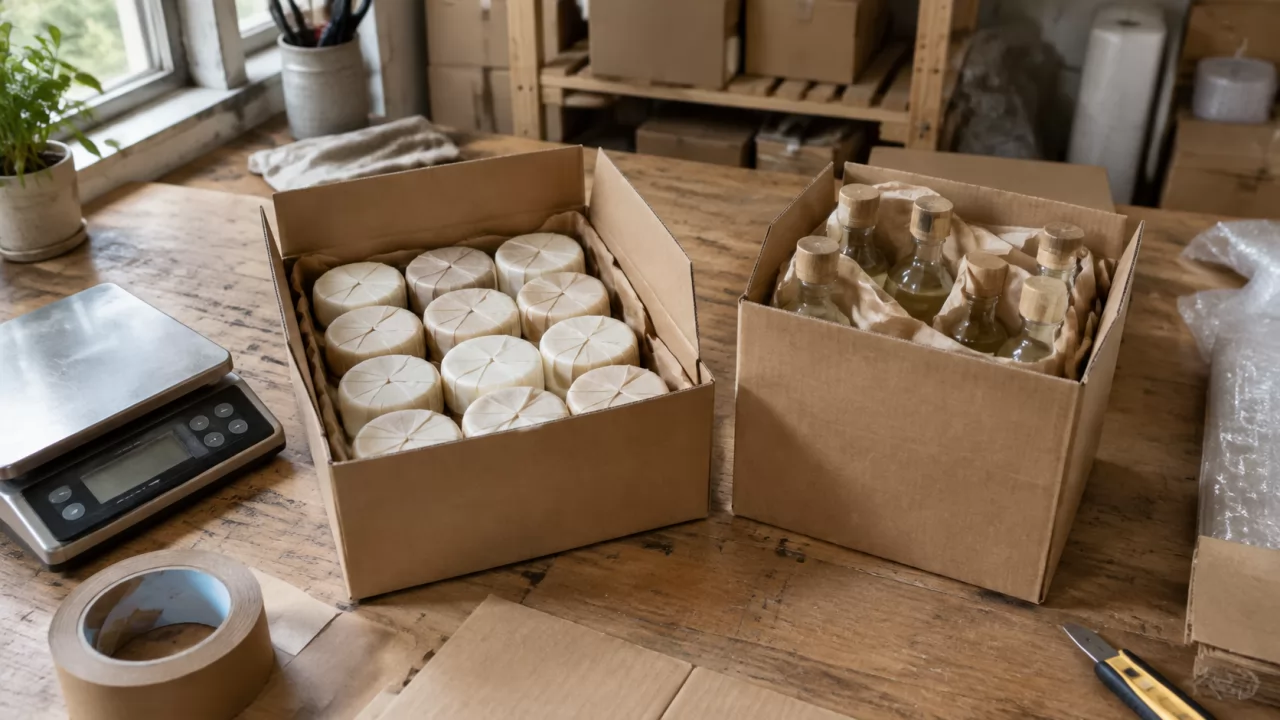
Liquid wins on familiarity. Nobody has to learn how to use it, and it survives a wet shower shelf. So are shampoo bars better than liquid shampoo? It depends on your customer. Someone who values a low-waste routine will accept a small learning curve. Someone who wants no change at all will return the bar.
Do shampoo bars work for all hair types? Set limits in the formula and the copy
No format works for all hair types, and "all hair types" should not appear in your claims. Build each bar for a defined need, then say plainly who it is for. A short, honest positioning line saves you from returns and from claim problems.
You can adjust cleansing strength, conditioning ingredients, oils and scent. A gentler surfactant blend suits dry or color-treated hair. A stronger cleansing base suits oily scalps. Added butters and oils change the feel, and heavier ones can weigh down fine hair. Fragrance and essential oils affect tolerance for some users, so keep the loading modest and the declaration accurate.
Water and hair texture matter too. Hard water carries more calcium and magnesium, and it can react with soap-based bars and leave a film. Very coily or heavily treated hair may need a different routine. Test with the water and routines of the people you sell to.
Myths worth correcting before you write copy
"Bars strip hair." Some do, mostly poorly balanced soap bars. A formula chosen for the hair type reduces the issue.
"Bars always cause buildup." Buildup is linked mainly to soap in hard water. It is not a fixed trait of the format.
"All bars are natural." Many are not. Check the INCI list, which gives the standardized ingredient names, and claim "natural" only for what the formula supports.
"One formula fits everyone." It does not. Two or three positioned bars beat one vague one.
How to use a shampoo bar: write the instructions into the product
Many bad reviews trace back to usage, not formula. Picture a customer who rubs the bar hard on dry hair, rinses briefly and leaves the bar in a puddle. That customer will be disappointed. Put the method on the insert, the wrap and the product page. Some users report that hair feels different for the first few washes. If you mention it, call it an adjustment period and keep the wording plain. Do not describe it as detox or treatment, and make no medical claims.
| Step | What to tell the customer | Common mistake |
|---|---|---|
| 1. Wet hair | Wet hair fully before starting | Starting on damp hair |
| 2. Lather | Lather in hands, or glide the bar lightly | Scrubbing the bar hard on the scalp |
| 3. Massage | Massage the scalp with fingertips | Skipping the scalp |
| 4. Rinse | Rinse until hair feels clean | Rinsing too briefly |
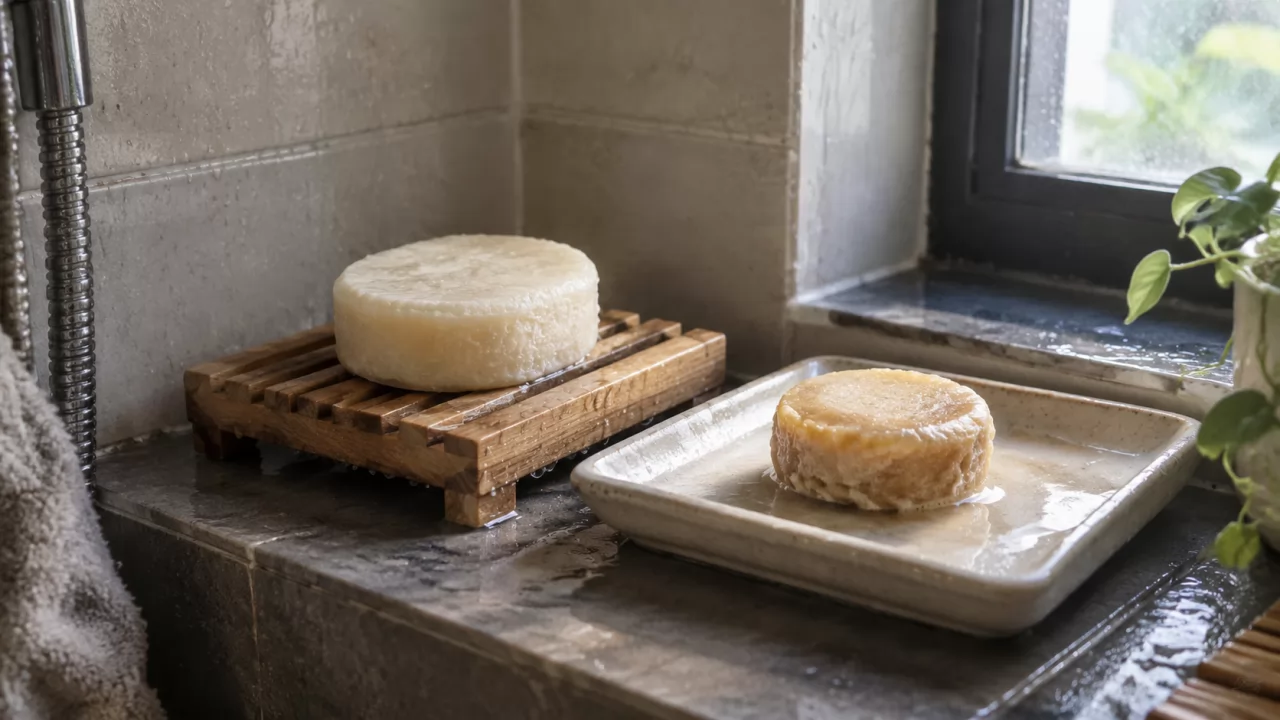
| 5. Dry the bar | Store it on a draining dish | Leaving it in standing water |
The last step matters most for shelf life. A bar that sits wet softens and wears down fast, and the customer blames the product.
How to choose a shampoo bar for a private label brand
Start with the formula type, because it decides the rest. Syndet, soap-based and cold process bases each carry a different pH, feel and ingredient story. Then check the ingredient list and INCI accuracy. Your label must match what is in the bar.
Fix the hair-type positioning next, so the formula and the copy agree. Scent comes after that, since fragrance affects feel and tolerance. Bar size and weight follow, because they set your price per wash and your freight. Then packaging and moisture protection. Last, confirm the documentation your market requires. As a rule of thumb, choose the base for your customer's hair and water first, and scent and packaging second.
Ask the manufacturer for these before you approve a formula
Request the full ingredient declaration in INCI names. Ask what stability and compatibility checks were run on the bar and its packaging, for example how it behaves in heat, humidity and shipping. Ask which compliance documents the factory can supply for your market. Examples are a safety assessment, or a product information file where your region requires one.
A supplier can provide documents. No one should promise that a product will meet a specific country's rules without checking that market's requirements, and your own regulatory review stays your responsibility.
Plan samples, minimums and lead time together
Expect more than one sample round. The first checks feel and scent. The second checks the revised formula and pack. Minimums usually apply per color or style, so every extra variant raises the order size. Lead times are approximate and vary with formula, packaging and season.
For reference, Poleview offers free samples, with the buyer paying freight. It quotes about 40 days for OEM/ODM production, with a minimum of 1000 pieces per color or style.
FAQ
Are shampoo bars better than liquid shampoo?
Neither is better in general. Bars suit low-waste and travel positioning. Liquids suit customers who want no change in routine.
Can a shampoo bar work in hard water?
It can, but soap-based bars are more likely to leave a film in hard water. Syndet bars and an acidic rinse step are common ways to handle it. Test in the water your customers use.
Do shampoo bars last longer than liquid?
Often, because a bar has little water and is used in small amounts. Life depends on bar weight and on keeping it dry between uses.
Can I make a custom shampoo bar formula for my brand?
Yes, manufacturers commonly develop custom formulas on request. Exclusivity or ownership of the formula is not automatic, so agree it in the contract.
Next step: request a sample and test it on real hair
Still comparing formats? Start with your customers' water and hair type, and check them against the base types above. Ready for a quote? Send the hair-type positioning, target bar weight, packaging idea and expected quantity per style, and ask for a sample with it.