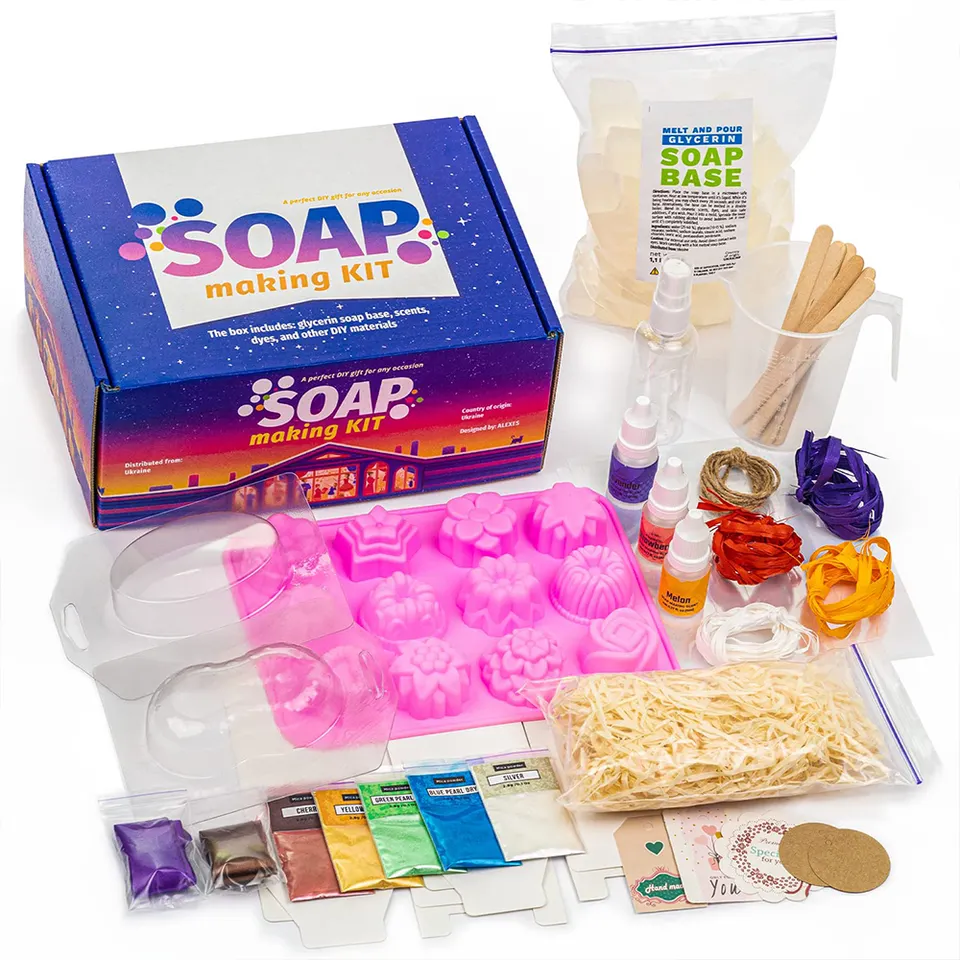
Cold process soapmaking represents the definitive advancement beyond melt-and-pour methodology, demanding a comprehensive understanding of saponification chemistry and formulation principles. This technique affords the practitioner complete authority over fatty acid profiles, additive selection, and aesthetic execution—establishing it as the foundational discipline of artisanal soap production.
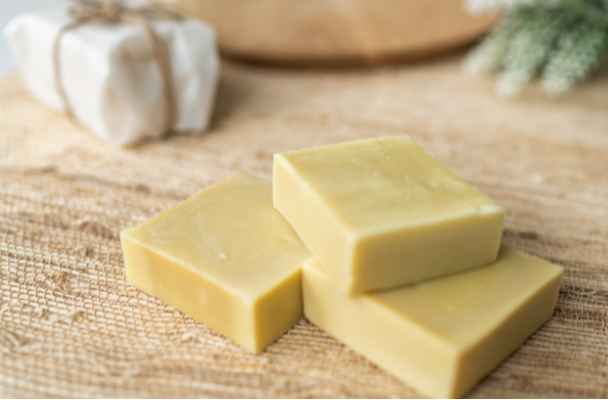
Here's what you need to know about cold process soap, start to finish — the chemistry behind it, the steps involved, and how to pour your first batch without second-guessing yourself.
What Is Cold Process Soapmaking (And Why Professionals Prefer It)
Understanding the Saponification Process
At its core, soapmaking is chemistry. The saponification process is the chemical reaction between fats (oils/butters) and an alkali (sodium hydroxide). The result? Soap and glycerin. No external heat is applied to force the reaction — it happens naturally over time, which is why it's called "cold process."
Compare this to hot process, where heat accelerates saponification in a crockpot, or melt-and-pour, where you're working with a pre-made soap base. Cold process soap gives you maximum creative control over trace consistency, design techniques like swirls and layers, and precise ingredient selection.
The tradeoff is patience. You'll wait 4–6 weeks for a fully cured bar. But the quality difference is noticeable — and your customers will notice it too.
Benefits of Cold Process for Professional Soapmakers
Why do most professional artisan soapmakers choose cold process? A few key reasons:
Full customization of oil profiles and superfat percentages, letting you engineer bars for specific skin types
Superior bar hardness and longevity compared to melt-and-pour alternatives
Gentle incorporation of additives — essential oils, botanicals, and natural colorants don't get degraded by high heat
If you're building a product line, cold process gives you the consistency and quality control that retail demands.
Essential Equipment and Ingredients You Need
Tools and Equipment Checklist
| Category | Items | Notes |
|---|---|---|
| Safety Gear | Goggles, gloves, long sleeves | Non-negotiable for handling lye |
| Mixing | Immersion blender, digital scale, thermometer | Scale accuracy to 0.1g preferred |
| Containers | Heat-safe pitchers (2), stainless steel pot | No aluminum — it reacts with lye |
| Molding | Silicone soap mold or lined wooden mold | Silicone for easy release |
| Curing | Wire rack, ventilated space | 4–6 week cure time required |
Core Ingredients Breakdown
| Ingredient | Role | Common Choices |
|---|---|---|
| Base Oils | Fat source for saponification | Olive, coconut, palm, shea butter |
| Lye (NaOH) | Alkali catalyst | Food-grade sodium hydroxide |
| Liquid | Dissolves lye | Distilled water, goat milk, herbal teas |
| Additives | Scent, color, texture | Essential oils, clays, oatmeal |
Running Your Recipe Through a Lye Calculator
This is non-negotiable. Every single recipe must be verified through a lye calculator before you mix anything. Getting the lye-to-oil ratio wrong doesn't just ruin a batch — it can create a caustic, skin-damaging bar.
Use trusted calculators like SoapCalc or Bramble Berry's calculator. Input your oils, set your superfat percentage (typically 5–8% for professional bars), and let the calculator determine your exact lye solution requirements.
Superfat is the percentage of oils left unsaponified in your final bar. Higher superfat means more conditioning but a softer bar. For most retail products, 5% hits the sweet spot between skin feel and bar longevity.
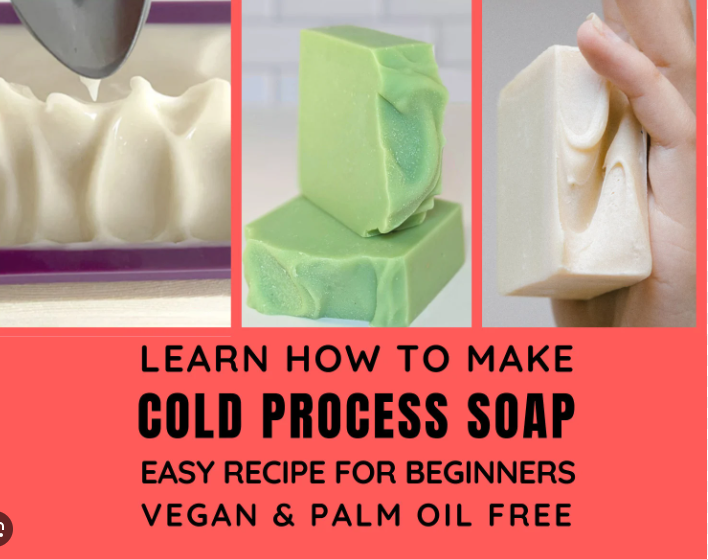
Step-by-Step Cold Process Soap Instructions
Step 1 — Prepare Your Workspace and Safety Gear
Clear your workspace completely. Cover surfaces with newspaper or plastic sheeting. Make sure you have ventilation — an open window or range hood works well.
Put on your safety goggles and gloves before you even open the lye container. Pre-measure all ingredients by weight using your digital scale. Everything should be ready to go before you start mixing.
Step 2 — Create Your Lye Solution
The golden rule: always add lye TO water, never the reverse. Adding water to lye can cause a violent, volcanic reaction. Slowly sprinkle your sodium hydroxide into your measured distilled water while stirring steadily.
The lye solution will heat up rapidly — expect temperatures around 200°F (93°C). This is normal. The liquid will also turn cloudy before clearing. Set it aside in a safe spot to cool to your target temperature, typically 100–110°F (38–43°C).
Step 3 — Melt and Combine Your Oils
While your lye solution cools, gently melt your solid fats (coconut oil, shea butter, palm) over low heat. Once melted, combine them with your liquid oils (olive, castor) in your main mixing container.
Cool your oil blend to within 10°F of your lye solution temperature. This temperature matching ensures smooth emulsification when you combine them. Rushing this step leads to false trace or separation.
Step 4 — Combine Lye Solution and Oils
Pour your lye solution into your oils through a fine mesh strainer to catch any undissolved particles. Begin with gentle hand stirring to combine, then alternate with short immersion blender bursts (3–5 seconds on, stir, repeat).
You're aiming for light trace consistency — think thin pudding. When you drizzle batter across the surface and it leaves a visible trail before slowly sinking back, you've hit it. This is where the saponification process truly begins in earnest.
Step 5 — Add Fragrance, Color, and Additives
Light trace is your window for additives. Stir in your essential oils or fragrance oils first, then fold in colorants (micas, clays, oxides) and exfoliants (oatmeal, poppy seeds) evenly.
Work quickly here. Certain fragrance oils accelerate trace dramatically, turning your pourable batter into thick mashed potatoes in seconds. If you're using a new fragrance, research its behavior in cold process before committing to a full batch.
Step 6 — Pour Into Your Soap Mold
Pour at medium trace for smooth, flat tops. Thicker trace works better for textured designs, in-the-pot swirls, or tops you plan to texture with a spoon.
Tap your soap mold firmly on the counter several times to release trapped air bubbles. Then decide on gel phase: insulate with a towel for full gel (brighter colors, faster saponification) or leave uncovered for no gel (matte finish, less risk of overheating).
Step 7 — Unmold, Cut, and Cure
After 24–48 hours, your soap should be firm enough to unmold. It should hold its shape without being sticky. If it's still soft, give it another 12–24 hours.
Cut into bars using a straight-edge knife, wire cutter, or wavy crinkle cutter. Then place bars on a wire rack with space between them for airflow on all sides. Cure for 4–6 weeks minimum. This allows water to evaporate and the crystal structure to fully develop.
Troubleshooting Common Cold Process Problems
Issues at Trace Stage
| Problem | Likely Cause | Fix |
|---|---|---|
| False trace | Solid fats re-solidifying, not true emulsion | Ensure proper temperatures; blend longer |
| Acceleration | Fragrance oil seizing the batter | Use known-safe fragrances; add at lighter trace |
| No trace after 20+ min | Temperatures too low or inaccurate lye amount | Verify recipe with calculator; check thermometer |
Issues During Cure and After Cutting
Soda ash (white powdery film on the surface) is purely cosmetic. Prevent it by spritzing the top with 99% isopropyl alcohol immediately after pouring, or by forcing gel phase.
Glycerin rivers (translucent streaks through the bar) are caused by overheating during gel phase. Reduce insulation or move to a cooler room next time.
Soft or crumbly bars almost always point to an oil-to-lye ratio problem. This is why you always weigh ingredients — never measure by volume. A gram off on your lye can throw the entire batch.
Pro Tips for Scaling and Selling Cold Process Soap
Batch Consistency and Record-Keeping
Log everything. Temperatures at combine, blend time to trace, ambient humidity, room temperature, even the brand of oils you used. When a batch turns out perfectly, you want to replicate it exactly.
Standardize your recipes through at least three test batches before scaling up. Label every curing bar with batch number and pour date. This traceability is essential if you ever need to pull a product.
Choosing Essential Oils vs. Fragrance Oils for Professional Lines
Essential oils carry natural marketing appeal and genuine aromatherapy properties. However, making therapeutic claims on soap labels opens you up to regulatory scrutiny — tread carefully.
Fragrance oils offer wider scent variety and often better scent retention through the saponification process. For retail products, ensure IFRA compliance and stay within recommended usage rates. Many professional soapmakers use a blend of both.
Curing Environment Best Practices
Ideal curing conditions: 60–70°F (15–21°C) with 40–60% relative humidity. Too humid and your bars won't lose moisture properly. Too dry and they may crack.
Rotate bars weekly for even moisture loss on all sides. At the 4-week mark, test pH with strips — safe range for skin contact is 8–10. Anything above 10 suggests incomplete saponification and the bar shouldn't be sold.
Frequently Asked Questions (FAQ)
Can I substitute lye with something else in cold process soap?
No. Sodium hydroxide is the essential catalyst for the saponification process. Without lye, the chemical reaction that transforms oils into soap simply cannot occur. If you want to avoid handling lye directly, melt-and-pour bases are pre-saponified alternatives — but they limit your creative control significantly.
How do I know when my soap has reached trace?
Drizzle batter across the surface from your blender or spoon. If it leaves a visible trail (a "trace") before slowly sinking back in, you've reached light trace. Medium trace holds its shape briefly. Thick trace sits on top like pudding and doesn't sink at all. Most additives go in at light trace for even distribution.
Is cold process soap safe to use immediately after unmolding?
No. While the bar feels solid after 24–48 hours, the saponification process continues throughout the 4–6 week cure period. Using soap too early can cause skin irritation due to high pH levels and excess moisture content. Patience pays off in a harder, milder, longer-lasting bar.
What's the best oil combination for a hard, long-lasting bar?
A well-balanced recipe for bar hardness and performance: 30–40% coconut oil (hardness and lather), 30–40% olive oil (conditioning), 15–20% palm oil or shea butter (firmness and creaminess), and 5–10% castor oil (stable bubbles). Run any combination through a lye calculator before mixing.
How do I add essential oils without losing scent during saponification?
Add essential oils at light trace to minimize exposure to active lye. Use anchor additives like kaolin clay (1 tablespoon per pound of oils) to help bind fragrance. Stay within a 3–5% usage rate by total oil weight. Heavier base notes like cedarwood and patchouli survive saponification better than volatile top notes like citrus.
Can I speed up the curing process?
Somewhat. Forcing full gel phase and using a dehumidifier in your curing space can shave roughly a week off the timeline. However, 4 weeks minimum is strongly recommended for full water evaporation and proper crystal structure development. Rushing the cure compromises bar hardness and mildness.
Final Checklist Before Your First Pour
| Step | Confirmed? |
|---|---|
| Recipe verified in lye calculator | ☐ |
| All ingredients weighed (not measured by volume) | ☐ |
| Safety gear on, workspace protected | ☐ |
| Soap mold prepped and lined | ☐ |
| Curing rack and space ready | ☐ |
| Batch log template prepared | ☐ |
Cold process soapmaking rewards precision, patience, and practice. Your first batch might not be perfect — and that's completely fine. Document what happens, adjust your variables, and pour again. Every batch teaches you something new about how oils, lye, and temperature interact. That hands-on understanding is what separates a hobbyist from a professional soapmaker.