If you've ever stood in your kitchen wondering whether combining that bottle of white vinegar with a squirt of dish soap might create toxic fumes or a mini science experiment gone wrong, you're not alone. It's a fair question — we've all heard horror stories about mixing the wrong household chemicals.
Good news: this isn't one of those dangerous combinations. Let's break down exactly what happens, how to use it effectively, and where to avoid it.
The Short Answer — Yes, You Can Mix Them Safely
Mixing vinegar with Dawn dish soap (or any brand of dish soap) is completely safe. Unlike the genuinely dangerous combination of bleach and ammonia, which produces toxic chloramine gas, vinegar and dish soap coexist peacefully in the same bottle.
There's no harmful chemical reaction, no dangerous fumes, and no risk to your health. This is actually one of the most popular homemade cleaning spray recipes for good reason — it works, it's cheap, and it's safe around kids and pets.
The combination has become a staple among people who prefer natural household cleaners. It avoids the synthetic fragrances and harsh chemicals found in many commercial products while still tackling everyday messes effectively.
What Happens When Vinegar Meets Dish Soap — The Simple Science
The Chemistry in Plain English
Vinegar is a mild acid — specifically, it's about 5% acetic acid dissolved in water. Dish soap is a surfactant, which is a fancy way of saying it reduces the surface tension of water so it can spread out and penetrate grease and grime.
When you combine them, something practical happens: the soap helps the vinegar solution cling to vertical surfaces instead of immediately running off. Think of the soap as giving the vinegar "grip time" to do its work.
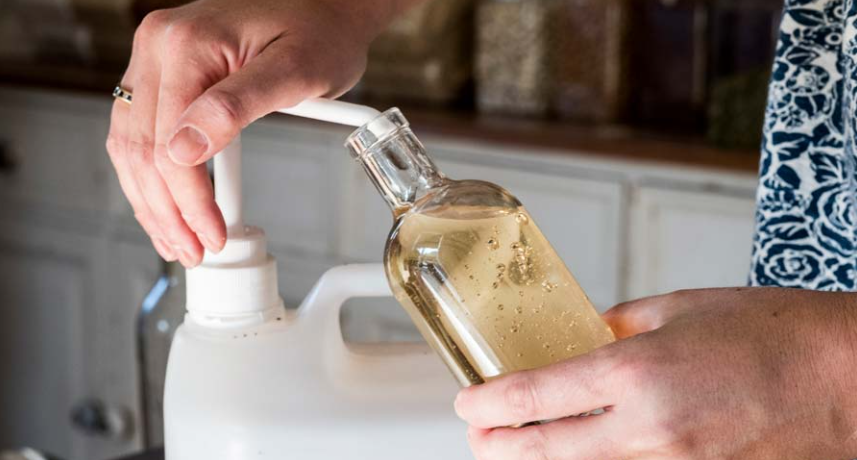
It's worth noting that this vinegar soap mixture for cleaning doesn't create some magical new super-chemical. Each ingredient simply does its own job. The vinegar dissolves mineral deposits and cuts through alkaline residues. The soap lifts oils and grease. Together, they cover more ground than either one alone.
Why the Mixture Doesn't Fizz or React Dangerously
Many people expect dramatic fizzing when they mix vinegar with anything. That bubbly reaction you're thinking of happens when vinegar meets baking soda — an acid meeting a base, which produces carbon dioxide gas.
Dish soap isn't a base. It's roughly neutral on the pH scale. So when it meets vinegar, there's no acid-base reaction, no fizzing, no gas production, and certainly no danger. The two ingredients simply blend together into a solution that's mildly acidic and soapy.
How to Make a Vinegar and Dish Soap Cleaning Solution
The Basic All-Purpose Recipe
Here's the standard vinegar and dish soap cleaning solution that works for most everyday tasks:
1 cup white distilled vinegar
1 cup warm water
1 tablespoon dish soap (Dawn or any brand)
Combine everything in a spray bottle. Using warm water helps the ingredients blend more evenly, though room temperature works fine too. Give it a gentle swirl to combine — don't shake vigorously unless you want a bottle full of suds.
Adjusting Strength for Different Jobs
Not every cleaning task needs the same concentration. Here's a quick reference for adjusting your homemade cleaning spray:
| Task | Vinegar | Water | Dish Soap |
|---|---|---|---|
| Heavy kitchen grease | 2 cups | 1 cup | 2 tablespoons |
| Bathroom soap scum | 1 cup | 1 cup | 1 tablespoon |
| Light daily cleaning | ½ cup | 2 cups | 1 teaspoon |
| Glass and mirrors | 1 cup | 1 cup | 2-3 drops only |
For glass, use barely any soap — too much leaves streaks. For grease, don't be shy with either ingredient.
Tips for Mixing and Storage
Swirl gently rather than shaking. Aggressive shaking creates a foam explosion that takes forever to settle, and you'll waste half your solution as bubbles.
Mix fresh batches every one to two weeks for best results. The soap can break down over time, and the solution gradually loses its cleaning potency. Label your spray bottle clearly, especially if you have multiple homemade cleaners in the house.
Store at room temperature away from direct sunlight. A dark cabinet under the sink is ideal.
Best Uses for a Vinegar and Soap Mixture Around the House
Kitchen Grease and Countertops
This is where the vinegar and dish soap combination truly shines. The soap cuts through cooking grease and oil splatters while the vinegar tackles the sticky residue underneath and neutralizes odors.
Spray it on stovetops, range hoods, greasy countertops, and the exterior of kitchen appliances. Let it sit for two to three minutes on heavy buildup, then wipe clean. For baked-on grease around burners, you may need a second application and a non-scratch scrub pad.
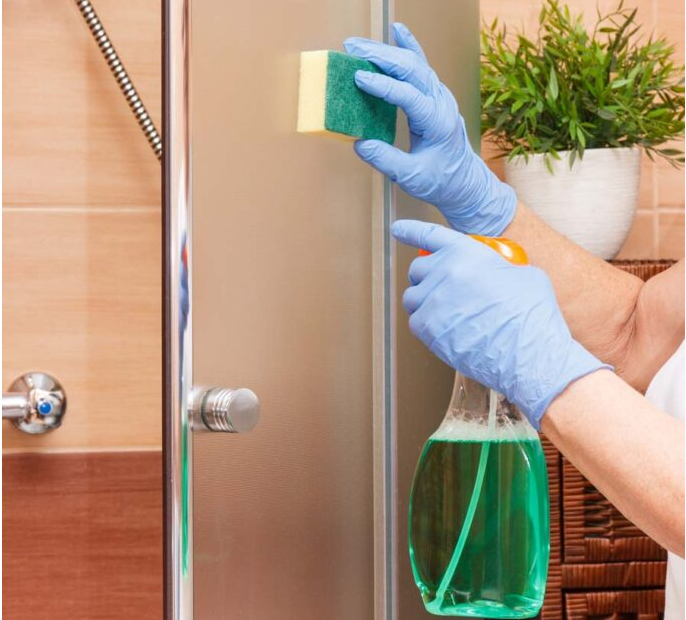
Bathroom Soap Scum and Hard Water Stains
Hard water stains are mineral deposits — calcium and magnesium left behind when water evaporates. Vinegar's acidity dissolves these minerals effectively. Meanwhile, the dish soap component lifts the body oils and soap residue that layer on top.
Spray generously on shower doors, faucets, and tile. For stubborn buildup on glass shower doors, apply the stronger concentration, let it sit for ten minutes, then scrub with a non-abrasive sponge. The results are often dramatic.
Outdoor Cleaning and Weed Control
The mixture works well for cleaning outdoor furniture, patio surfaces, and plastic lawn chairs that have accumulated grime over the season. The soap helps the solution stick to vertical surfaces like chair backs.
You may have also heard about using vinegar and dish soap as a natural weed killer. The idea is that the soap helps the vinegar adhere to weed leaves, allowing the acid to dry them out. It does work on small, young weeds — but be honest with your expectations. It won't kill established weeds with deep root systems, and it's non-selective, meaning it'll damage any plant it touches.
Laundry Stain Pre-Treatment
For oil-based stains on clothing — cooking grease, salad dressing, butter — dab a small amount of the mixture directly onto the stain before washing. The dish soap breaks down the oil while the vinegar helps lift it from fabric fibers.
Let it sit for fifteen to thirty minutes, then wash as normal. This works best on fresh stains. Set-in oil stains may need repeated treatment.
Where You Should NOT Use This Mixture
Natural Stone and Marble Surfaces
This is the biggest caution. Vinegar's acidity etches natural stone surfaces including marble, granite, travertine, and limestone. Even brief contact can leave dull spots that require professional polishing to fix.
If you have stone countertops or floors, use a pH-neutral cleaner instead. A drop of dish soap in plain water works fine for daily stone cleaning without the vinegar component.
Electronics and Screens
Never spray this mixture on phone screens, TV displays, laptop monitors, or tablets. The acetic acid can strip the oleophobic (anti-fingerprint) coatings that manufacturers apply to screens. Once that coating is gone, it doesn't come back.
Use a microfiber cloth with distilled water for screens, or a dedicated screen cleaner if needed.
Hardwood Floors
This is a debated topic, but the safe advice is to avoid it. Repeated use of vinegar on sealed hardwood can gradually dull the polyurethane finish. On unsealed or wax-finished hardwood, the acid can penetrate and damage the wood itself.
A damp mop with a manufacturer-recommended hardwood cleaner is the safer choice for preserving your floors long-term.
Cast Iron and Certain Metals
Vinegar strips the seasoning off cast iron cookware — that carefully built-up layer of polymerized oil that gives cast iron its non-stick properties. Even brief soaking can undo months of seasoning work.
The acid also tarnishes aluminum and can corrode copper with prolonged contact. Stainless steel handles vinegar fine, but when in doubt, test a small hidden area first.
Vinegar and Dish Soap vs. Store-Bought Cleaners
Effectiveness Comparison
Let's be honest about what this homemade cleaning spray can and can't do. For everyday grime — kitchen grease, soap scum, water spots, light mildew — it performs remarkably well. Many people find it handles routine cleaning just as effectively as products costing several dollars per bottle.
However, it has real limitations. Vinegar is not an EPA-registered disinfectant. It has some antimicrobial properties and studies show it can reduce certain bacteria, but it doesn't meet the standards required for true sanitization. If you need to disinfect — after handling raw meat, during illness, or in bathrooms shared by many people — reach for a proper disinfectant.
Cost and Environmental Considerations
The cost difference is striking. A gallon of white vinegar costs a few dollars and makes dozens of spray bottles worth of cleaner. Add in a bottle of dish soap that lasts months, and you're spending pennies per batch versus three to six dollars per commercial spray bottle.
There's also the environmental angle. Fewer plastic bottles, fewer synthetic chemicals going down the drain, and simpler ingredient lists appeal to households trying to reduce their chemical footprint. For people seeking natural household cleaners without a long list of unpronounceable ingredients, this combination checks a lot of boxes.
Common Mistakes People Make with This Mixture
Using too much soap. More soap doesn't mean more cleaning power. Excess dish soap leaves a sticky residue on surfaces that actually attracts more dirt. Stick to the recommended tablespoon per cup of liquid.
Combining vinegar with bleach. This is genuinely dangerous. Vinegar (acid) plus bleach (sodium hypochlorite) produces chlorine gas, which can cause serious respiratory harm. Never mix vinegar with any bleach-containing product.
Using apple cider vinegar or other colored vinegars. Apple cider vinegar, balsamic, and red wine vinegar contain pigments and sugars that can stain surfaces. Always use plain white distilled vinegar for cleaning.
Spraying on surfaces that shouldn't be exposed to acid. Review the "where not to use" section above. A moment of convenience isn't worth etching your marble countertop or ruining your cast iron skillet's seasoning.
Expecting disinfection. Cleaning and disinfecting are different things. This mixture cleans effectively but doesn't kill all pathogens. Use appropriate disinfectants when sanitization actually matters.
Frequently Asked Questions
Is it safe to mix vinegar and Dawn dish soap?
Yes, completely safe. Dawn is the most commonly referenced brand in DIY cleaning recipes, but any dish soap works. The combination produces no harmful fumes, no dangerous chemical reactions, and is non-toxic. It's safe to use around children and pets, though you should still avoid ingesting it or getting it in your eyes.
What ratio of vinegar to dish soap should I use?
The standard recipe is a 1:1 ratio of vinegar to water (one cup each) with one tablespoon of dish soap per cup of total liquid. For tougher jobs, increase the vinegar proportion. For delicate surfaces or light cleaning, use more water and less soap. When cleaning glass, use only two to three drops of soap to avoid streaking.
Can vinegar and dish soap kill mold?
Vinegar can kill some mold species on non-porous surfaces like tile, glass, and sealed countertops. Studies suggest white vinegar is effective against roughly 82% of mold species. However, for serious mold problems — large areas, mold inside walls, or recurring growth — professional remediation or EPA-approved fungicides are the responsible choice. A spray bottle of vinegar solution won't solve a structural mold issue.
Does the mixture disinfect surfaces?
Not to medical or food-safety standards. While vinegar has some antimicrobial properties and can reduce bacterial counts on surfaces, it does not meet CDC or EPA standards for disinfection. It cleans effectively — removing visible dirt, grease, and grime — but should not replace proper disinfectants in situations where sanitization is critical, such as after handling raw poultry or during flu season.
Can I use any type of vinegar?
Stick with plain white distilled vinegar for cleaning. It's colorless, inexpensive, and has a consistent 5% acidity level. Avoid balsamic vinegar (dark brown, will stain), red wine vinegar (pink/red tint), apple cider vinegar (amber color, contains sugars that leave sticky residue), and rice vinegar (often seasoned with added sugars). Cleaning vinegar, which is 6% acidity, also works well and provides slightly more cleaning power.
How long does a vinegar and dish soap mixture last?
Use your mixed solution within one to two weeks for best results. Over time, the surfactant properties of the dish soap can degrade, reducing its effectiveness at cutting grease and helping the solution cling to surfaces. The vinegar itself doesn't expire quickly, but once mixed with water and soap, the solution gradually loses potency. Making fresh batches takes only a minute and ensures you're always working with an effective cleaner.