If you've been searching for a reliable skin lightening soap to tackle dark spots, uneven tone, or stubborn hyperpigmentation, chances are you've come across kojic acid soap. Derived from fungi — specifically from the fermentation process of rice, soy, and sake — kojic acid has earned a solid reputation as one of the most accessible brightening ingredients available without a prescription.
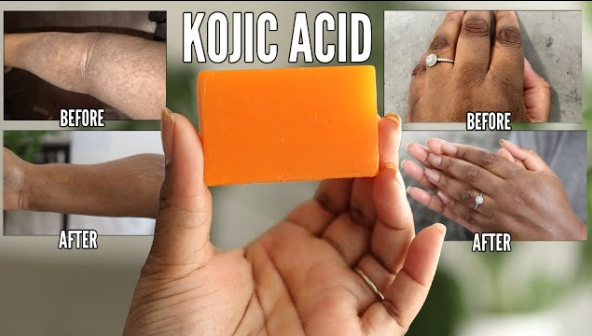
Here's how it works in simple terms: kojic acid interferes with melanin production in your skin. Melanin is the pigment responsible for dark spots, sun damage marks, and uneven patches. By slowing down that pigment factory, kojic acid gradually helps your skin appear brighter and more uniform.
But like any active ingredient, using it correctly makes all the difference between glowing results and irritated skin. This guide walks you through everything — from your very first lather to long-term maintenance — so you can get the most out of this ingredient safely and effectively.
What Is Kojic Acid Soap and How Does It Work?
The Science Behind Kojic Acid
Without getting too deep into biochemistry, here's what happens at the skin level. Your body produces melanin through an enzyme called tyrosinase. This enzyme needs copper to function properly. Kojic acid works by binding to (chelating) that copper, essentially disabling tyrosinase and putting the brakes on excess melanin production.
Think of it like removing a key ingredient from a recipe — without copper, tyrosinase can't do its job, and less pigment gets deposited into your skin cells. The result is a gradual lightening of dark patches and a more even complexion over time.
Key Benefits of Kojic Acid Soap
The kojic acid soap benefits extend beyond simple brightening. Here's what consistent, proper use can help with:
Fading dark spots and acne scars — Post-inflammatory hyperpigmentation from breakouts responds well to kojic acid's melanin-blocking action.
Evening out skin tone — Blotchy or patchy discoloration becomes less noticeable over weeks of use.
Addressing sun damage and melasma — Those stubborn brown patches from UV exposure or hormonal changes can gradually lighten.
Gentle exfoliation — Kojic acid provides mild exfoliating properties that help shed dull surface cells.
Antioxidant and antimicrobial effects — It offers some protection against environmental damage while keeping bacteria in check.
How to Apply Kojic Acid Soap: Step-by-Step Tutorial
Getting the application right is crucial. Too little contact time and you won't see results. Too much and you risk irritation. Follow these steps for safe, effective use.
Step 1: Patch Test First
Before applying kojic acid soap anywhere near your face, do a patch test. Apply a small amount of lather to your inner forearm or behind your ear. Leave it on for 30 seconds, rinse, and wait 24 hours.
If you notice no redness, burning, or unusual irritation after a full day, you're likely safe to proceed. This step is especially important if you have sensitive skin or a history of reactions to active ingredients.
Step 2: Wet Your Skin and Lather the Soap
Start by thoroughly wetting your skin with lukewarm water. Work the soap into a lather between your hands or with a soft washcloth. Avoid loofahs, scrub brushes, or any abrasive tools — these can create micro-tears that make your skin more vulnerable to irritation from the active ingredient.
You want a creamy, gentle foam. There's no need to scrub aggressively.
Step 3: Apply to Target Areas
For beginners, focus the lather on your specific problem areas rather than applying it all over your face. If you're targeting dark spots on your cheeks, apply there. If it's body hyperpigmentation — knees, elbows, underarms — concentrate on those zones.
As your skin builds tolerance over the coming weeks, you can gradually expand to broader application areas.
Step 4: Leave On for the Right Duration
This is where most people either under-do it or overdo it. Here's a safe progression:
Beginners (Week 1–2): 20–30 seconds only
After 1–2 weeks with no irritation: up to 60 seconds
Experienced users (1+ month in): up to 2 minutes maximum
Never exceed two minutes of contact time, regardless of how long you've been using the soap. More time does not equal faster results — it just increases your risk of irritation and damage.
Step 5: Rinse Thoroughly with Cool Water
When your time is up, rinse completely with cool water. Make sure no residue remains, especially around the hairline, jawline, and nose creases. Cool water helps close pores and calms any mild tingling you might feel.
Don't rush this step. Leftover product sitting on skin can cause unnecessary dryness or irritation throughout the day.
Step 6: Pat Dry and Moisturize Immediately
Gently pat your skin dry with a clean towel — no rubbing. While your skin is still slightly damp, apply a fragrance-free, hydrating moisturizer. Look for formulas containing hyaluronic acid or ceramides, which help restore and protect your skin barrier.
This step is non-negotiable. Kojic acid can be drying, and skipping moisturizer will leave your skin vulnerable and uncomfortable.
Step 7: Apply Sunscreen (Non-Negotiable)
Kojic acid increases your skin's sensitivity to UV radiation. Without sunscreen, you'll undo all your brightening progress — and potentially make dark spots worse. Apply a broad-spectrum SPF 30 or higher every single morning, even on cloudy days or when staying mostly indoors.
Reapply every two hours if you're spending time outside. This is the single most important step for protecting your results.
How Often Should You Use Kojic Acid Soap?
Recommended Frequency for Beginners
Start with once daily, preferably in the evening. Your nighttime routine gives skin hours to recover without UV exposure. Use the soap at this frequency for at least two weeks while monitoring how your skin responds.
If you notice persistent dryness or redness even with moisturizer, scale back to every other day until your skin adjusts.
Building Up Tolerance
After two weeks of comfortable once-daily use, you can consider adding a morning application. Signs your skin is adjusting well include no lingering redness, no excessive peeling, and a general improvement in brightness without discomfort.
Signs to scale back: tightness that doesn't resolve with moisturizer, visible flaking, or stinging that lasts more than a few seconds after rinsing.
When to Take Breaks
Dermatologists generally recommend cycling your use. A common approach is using kojic acid soap consistently for two to three months, then taking a one-month break. This prevents over-sensitization and gives your skin barrier time to fully recover before your next cycle.
Kojic Acid for Dark Spots: Tips for Best Results
Combine with Complementary Ingredients
You can boost your results by pairing kojic acid soap with other brightening and barrier-supporting products in your routine:
Vitamin C serum — Applied after cleansing, it enhances the brightening effect and provides antioxidant protection.
Niacinamide — Strengthens your skin barrier while also helping with pigmentation. A great partner ingredient.
Alpha arbutin — Another melanin inhibitor that works through a different pathway, creating a layered approach to fading dark spots.
Ingredients to Avoid Using Simultaneously
Not everything plays well with kojic acid. Be cautious with these combinations, especially early on:
Retinol — Both can cause irritation and dryness. Using them together risks over-exfoliation.
AHAs/BHAs — Glycolic acid, salicylic acid, and similar exfoliants can overwhelm your skin when combined with kojic acid on the same day.
Benzoyl peroxide — This acne treatment is already drying on its own and can cause excessive peeling when layered with kojic acid.
Realistic Timeline for Visible Results
Set honest expectations. Most people notice initial brightness improvements within two to four weeks. Significant fading of dark spots and more dramatic evening of skin tone typically takes eight to twelve weeks of consistent use.
Deeper pigmentation issues like melasma may take longer. Patience and consistency matter far more than aggressive application.
Kojic Acid Soap Side Effects and How to Manage Them
Common Side Effects
Some reactions are completely normal, especially during your first week or two:
Mild stinging or tingling — This should fade within seconds of rinsing. It's a sign the active ingredient is working.
Temporary dryness or flaking — Your skin is adjusting. A richer moisturizer usually resolves this.
Slight redness after initial uses — Brief pinkness that fades within an hour is typically nothing to worry about.
When to Stop Using
Discontinue use immediately and consult a dermatologist if you experience:
Persistent burning or pain that doesn't resolve after rinsing
Blistering, raw patches, or broken skin
Signs of allergic reaction — swelling, hives, or difficulty breathing
These reactions are uncommon but require prompt attention. Don't push through genuine pain in hopes of faster results.
How to Minimize Irritation
If you're experiencing more irritation than you'd like but don't want to stop entirely, try these adjustments: reduce contact time back to 20 seconds, apply a heavier barrier moisturizer afterward, and decrease frequency to every other day. Some brands also offer lower-concentration formulations specifically designed for sensitive skin types.
Who Should and Shouldn't Use Kojic Acid Soap
Ideal Candidates
Kojic acid soap works well for people dealing with hyperpigmentation, melasma, or post-acne marks who want a gradual, non-invasive approach to brighter skin. It's particularly well-suited for those with normal to oily skin types, and adults looking for an affordable addition to their skincare routine.
Who Should Avoid It or Consult a Dermatologist
Certain groups should either skip kojic acid soap or get professional guidance before starting:
Pregnant or breastfeeding individuals — Limited safety data means it's best to wait or consult your doctor.
Those with eczema, rosacea, or broken skin — Active inflammation or compromised barriers make irritation far more likely.
People using prescription retinoids or strong actives — The combination can be too aggressive without medical supervision.
Frequently Asked Questions
Can I use kojic acid soap on my face every day?
Yes, once your skin has built tolerance. Start with once daily for two weeks, keeping contact time short (20–30 seconds). If your skin responds well — no persistent redness or excessive dryness — daily use is generally safe. Always follow with moisturizer and sunscreen.
How long does it take for kojic acid soap to lighten skin?
Most users notice initial brightness within two to four weeks. For more significant fading of dark spots or hyperpigmentation, expect eight to twelve weeks of consistent use. Deeper concerns like melasma may require several months. Results vary based on skin type, the severity of pigmentation, and how consistently you use the product.
Can kojic acid soap remove acne scars permanently?
Kojic acid is effective at fading post-inflammatory hyperpigmentation — the dark marks left behind after a breakout heals. However, it cannot address indented or raised scarring (ice pick scars, boxcar scars, or keloids). For textural scarring, treatments like microneedling or laser therapy are more appropriate.
Is kojic acid soap safe for all skin tones?
Kojic acid soap is generally safe across all skin tones when used properly. However, individuals with darker skin tones should be particularly careful with contact time and frequency, as over-use can sometimes cause paradoxical darkening or uneven lightening. Start conservatively and increase gradually.
Can I use kojic acid soap with retinol?
It's best to alternate rather than combine them in the same routine. Use kojic acid soap in the morning and retinol at night, or use them on different days entirely. Using both simultaneously significantly increases your risk of irritation, peeling, and barrier damage.
Does kojic acid soap expire?
Yes. Most kojic acid soaps have a shelf life of one to two years when stored properly in a cool, dry place. Signs of degradation include a noticeable color change (darkening significantly), an off or rancid odor, or a change in texture. If your soap shows these signs, replace it — expired product may be less effective or more irritating.